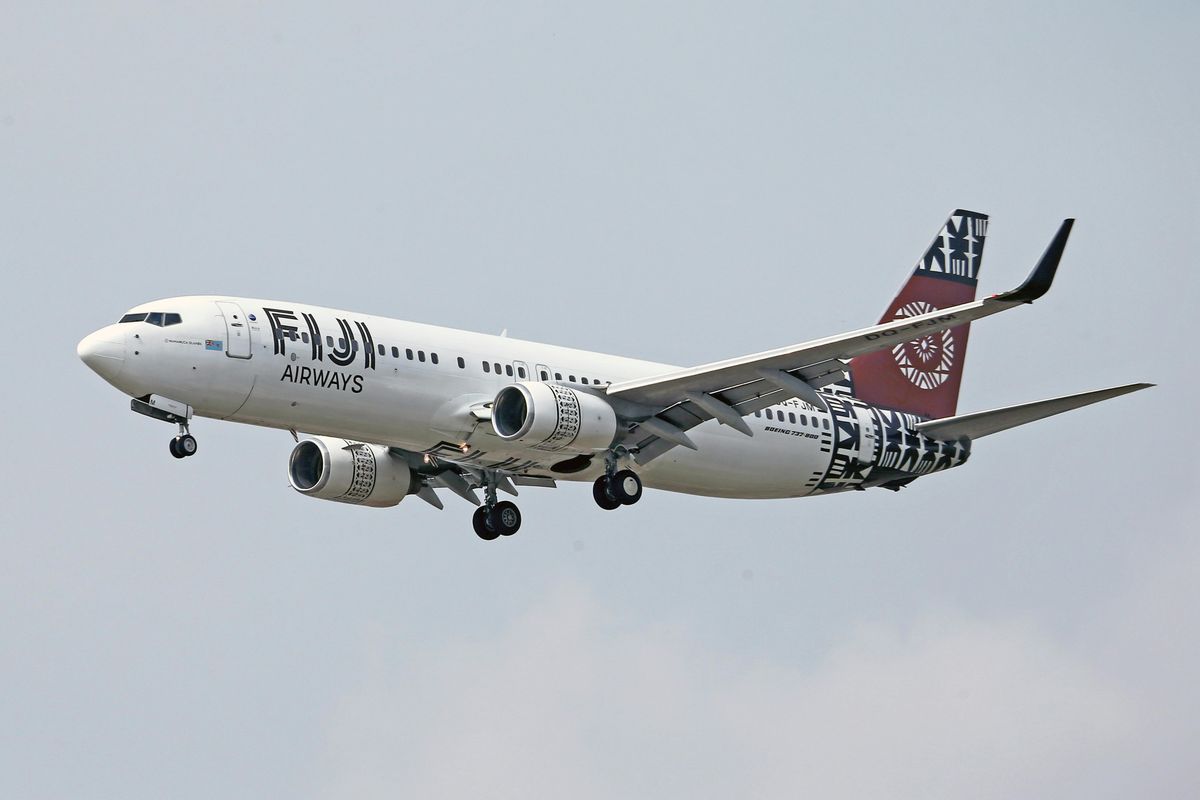
Fiji Airways has ended business class amenity kits across its network as of 2025, calling the pre-packed sets “wasteful” and replacing them with a simpler, on-request model. The airline says flight attendants now offer essential items—like face cream, socks, and eyeshades—individually from a tray or upon request so travelers only take what they’ll use. Outgoing CEO Andre Viljoen said the decision followed careful measurement showing many kits were left behind or not valued by passengers, driving up costs and landfill waste.
The policy is part of Fiji Airways’ wider sustainability program and took effect on all business class flights this year.
What changed in 2025
- Effective 2025: Fiji Airways stopped handing out business class amenity kits on all routes.
- New distribution model: Cabin crew provide items individually from a tray or when passengers ask for them.
- Essential items remain available: Fiji Airways says eyeshades, socks, and skincare items are still on board, just not pre-packaged.
- Primary goals: Reduce single-use waste, lower cost, and support broader sustainability actions already underway.
The airline frames the move as both an environmental and a service change. By removing pre-packed kits, it expects to cut single-use waste and reduce expenses tied to manufacturing, shipping, and handling unused items. Fiji Airways also argues the new approach delivers a more personal service, since travelers choose what they need rather than receiving a fixed kit that often goes untouched.
Free toolB1/B2 Tourist Visa Stay Calculator onlineWhy the airline made the change
Fiji Airways describes amenity kits as “wasteful,” based on internal studies that tracked low uptake and high discard rates. Many kits were left unopened, which meant plastic packaging, paper wrappers, and travel-size products often ended up in the trash.
By switching to a pick-what-you-need approach, Fiji Airways expects:
- Fewer unused items per flight
- A simpler re-stock process
- Potential reductions in catering weight and storage
- Lower costs tied to manufacturing, shipping, and disposal
The airline links this decision to a larger environmental push—phasing out single-use plastics, building recycling programs, and supporting carbon offset projects such as mangrove planting. These actions come as carriers, suppliers, and airports face growing pressure to show measurable progress on waste, emissions, and resource use.
Targeting small items adds up across thousands of flights and can help shape passenger habits toward less waste.
Operational and customer impacts
Operationally, the change may streamline inventory management. Rather than tracking full kits by flight, the airline can forecast specific item demand and stock the cabin accordingly. On some routes, that could mean lighter loads and more targeted ordering. It may also cut cabin clutter, since crew won’t need to gather unused kits after meals or before landing.
For travelers, the practical experience will vary:
- Flyers who used only an eyeshade or socks will likely see no downside.
- Those who relied on a bag to store small items may need to bring their own pouch.
- The airline’s message: everything essential is still there—just ask. Crew present items on a tray during service or respond to requests during the flight.
Rationale and impact on service
The stated reasons center on three points:
- Waste reduction: Fewer unused products and less single-use packaging going to landfill.
- Cost control: Lower spending on kit components, logistics, and disposal.
- Customer choice: Passengers decide what they need, rather than receiving a preset bundle.
Operational benefits include:
- Streamlined inventory and forecasting
- Potentially lighter flights and reduced storage needs
- Less crew time collecting and disposing of unused kits
Broader industry context
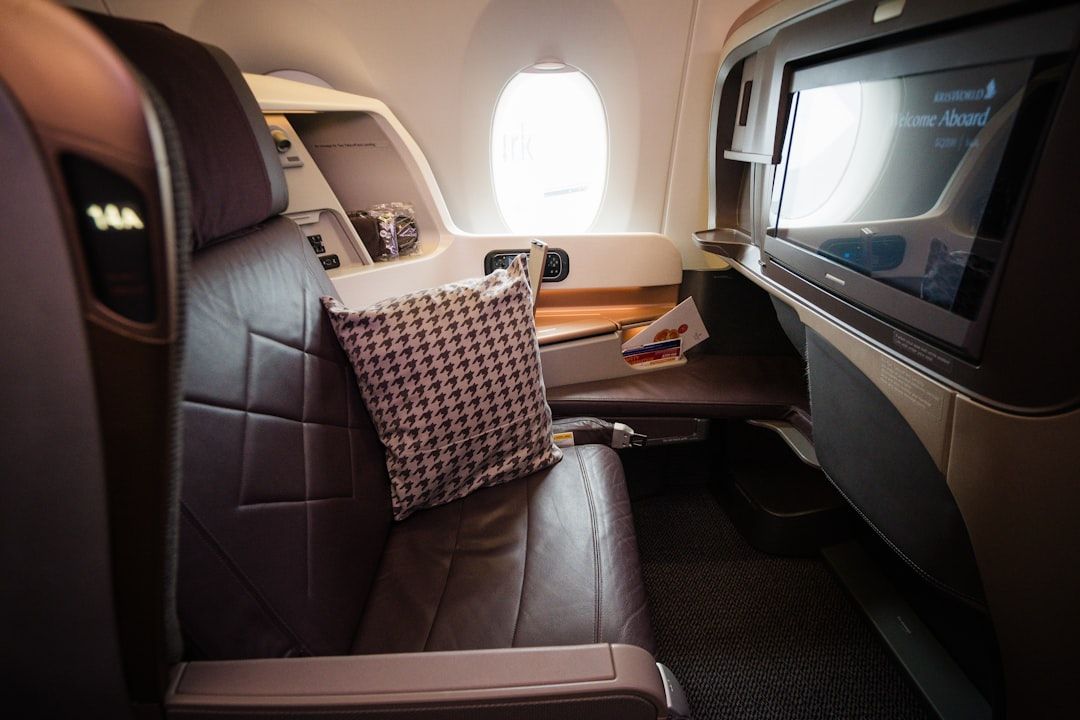
This isn’t an isolated idea. While amenity kits remain common across premium cabins, some carriers, including Singapore Airlines, have shifted toward offering amenities on request to limit waste. Fiji Airways appears to be leaning into that trend but goes further by standardizing the no-kit model as a permanent policy from 2025 onward.
According to analysis by VisaVerge.com, airlines are experimenting with small service changes—like amenity distribution—because they can show measurable waste cuts without affecting core safety or schedule reliability. The shift also aligns with broader moves such as:
- Replacing plastic cutlery
- Offering refillable water options
- Rethinking single-use wraps
Carriers are doing this partly because rising corporate travel policies favor suppliers with clear environmental goals. By labeling business class amenity kits as “wasteful” and removing them, Fiji Airways is making a visible change companies and eco-minded travelers can understand.
Implementation details
- No kits: Pre-packed amenity kits are no longer issued in business class.
- Items on request: Crew offer items from a tray or respond to passenger requests.
- Crew training: Staff are trained to present the tray and tailor offerings to individual needs.
- Stocking guided by data: Onboard quantities are planned based on typical demand, not fixed kits.
- Long-term policy: Fiji Airways emphasizes this is standard practice from 2025, not a temporary trial.
Traveler guidance
- If you rely on a specific lotion, toothpaste brand, or earplugs, pack your own to be sure.
- If you want an eyeshade or socks, ask early in the flight—supply should be onboard but quantities are planned.
- If keepsake kits matter to you, note that Fiji Airways is no longer distributing them in business class.
For official aviation policy resources in Fiji, refer to the Civil Aviation Authority of Fiji: https://caaf.org.fj.
Takeaway
Fiji Airways says travelers can still expect friendly premium service even as the airline shrinks its waste footprint. The company argues the data is clear: many business class amenity kits went unused, making them wasteful. Making items available on request aims to keep comfort within reach while cutting what ends up in the bin.
As more airlines test similar steps, the cabin standard for what gets handed out by default may shift. The core test remains simple: are travelers still comfortable, and are fewer items thrown away?
This Article in a Nutshell
In 2025 Fiji Airways ended pre-packed business class amenity kits, replacing them with an on-request model where crew present essentials—such as eyeshades, socks, and skincare—individually from a tray or on passenger request. The airline’s decision follows internal research indicating many kits went unused, contributing to higher costs and landfill waste. The policy is part of a broader sustainability push that includes reducing single-use plastics, improving recycling, and supporting carbon-offset projects like mangrove planting. Operational benefits include streamlined inventory forecasting, potential weight reductions, and lower logistics costs. Travelers retain access to essentials but should bring personal preferred items or storage pouches if desired.