(LOS ANGELES) A federal judge is weighing whether President Trump broke the law by sending the California National Guard and Marines into Los Angeles to support immigration enforcement protests earlier this year, a decision that could reset the line. The three‑day, non‑jury trial before U.S. District Judge Charles Breyer ended on August 14, 2025, and a ruling is expected soon on claims that the deployment violated the Posse Comitatus Act, the 1878 law that limits the military’s role inside the United States.
Background and legal dispute

California Governor Gavin Newsom sued in June after the White House federalized the Guard and sent over 4,000 troops, along with about 700 Marines, to protect federal buildings and personnel during demonstrations over aggressive ICE operations.
- The Justice Department says the mission focused on shielding federal property and agents and did not amount to law enforcement.
- California contends soldiers and Marines crossed the line by supporting raids and street policing, a role the Posse Comitatus Act forbids unless Congress clearly says otherwise.
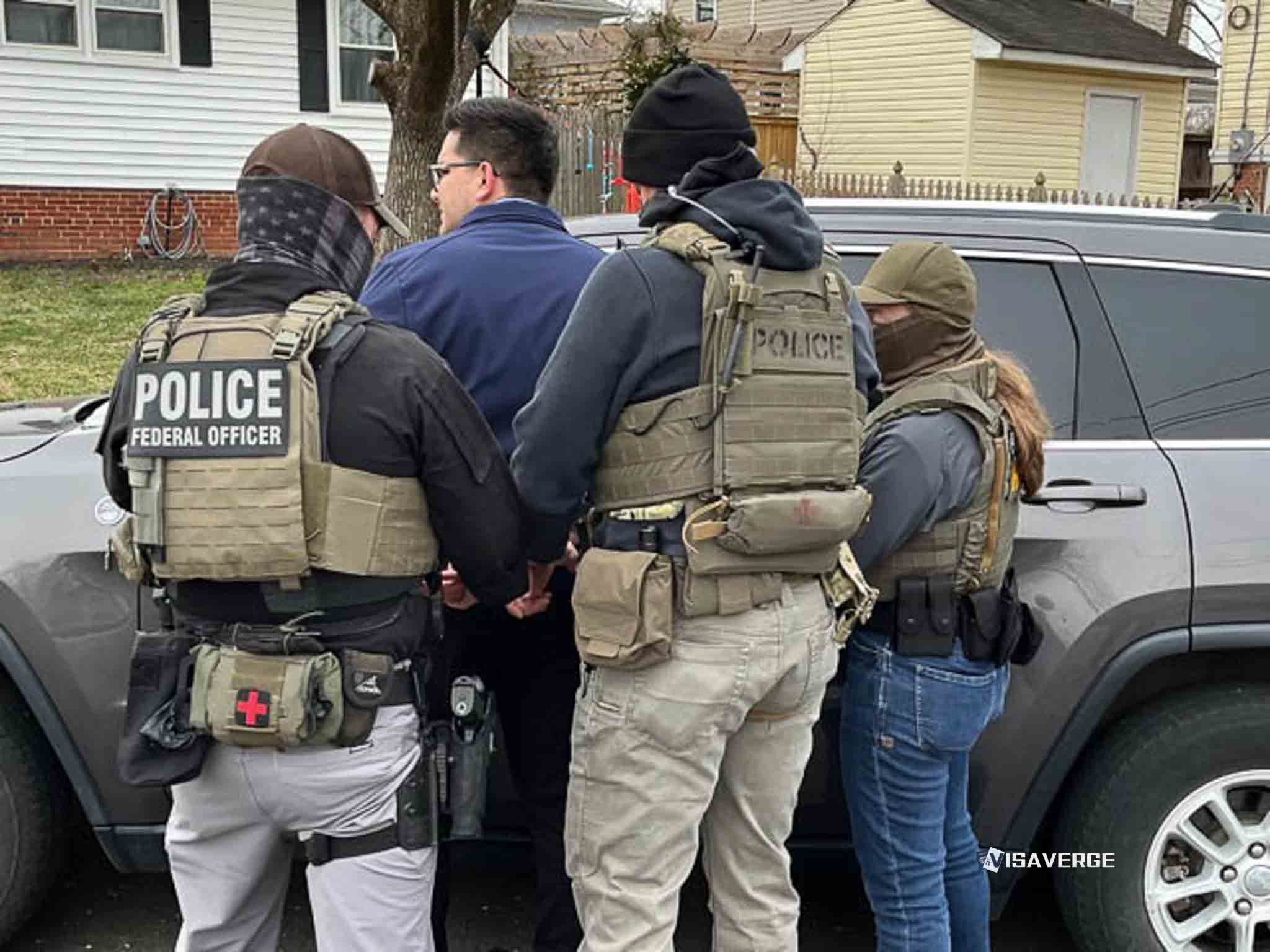
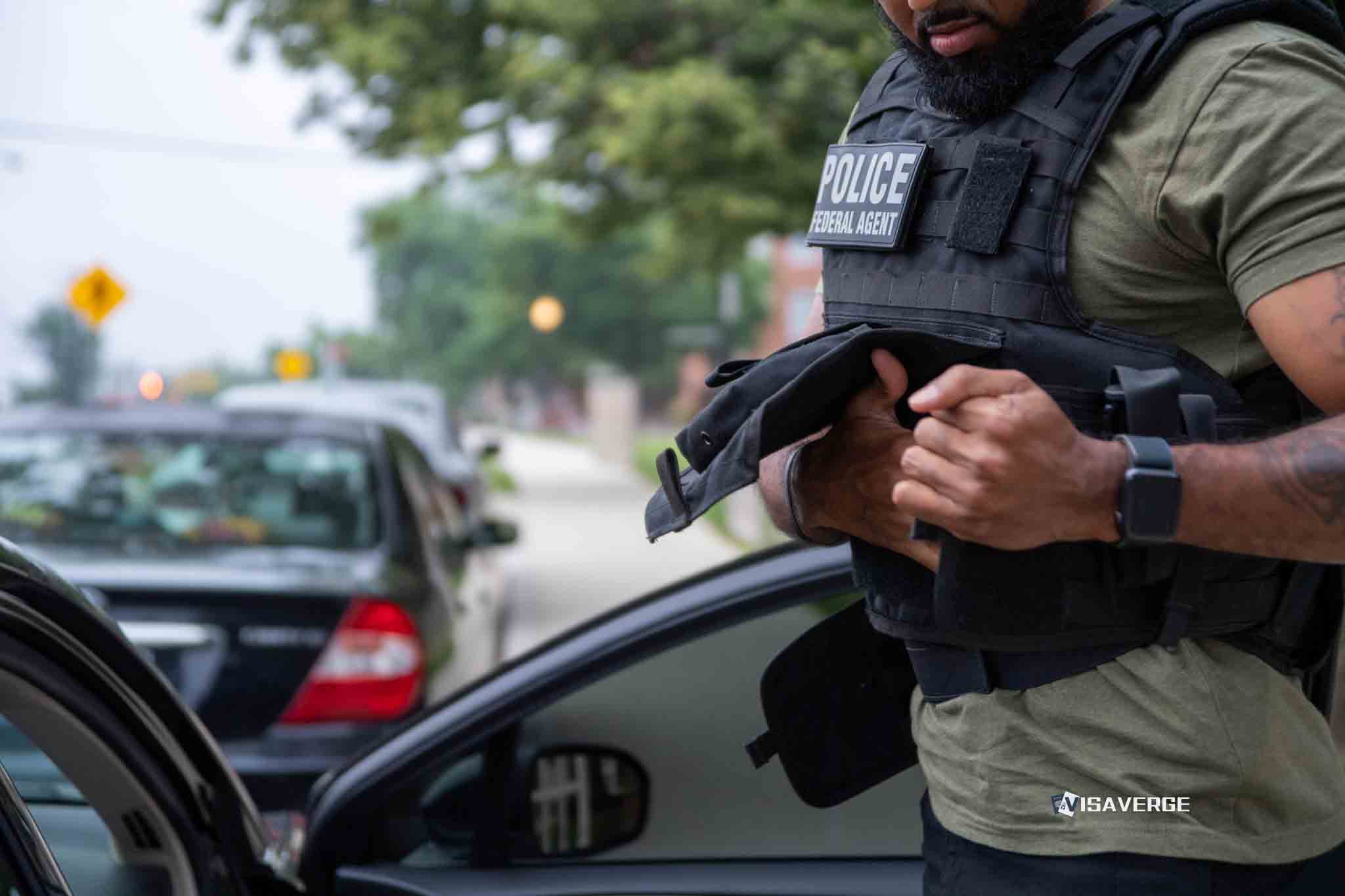
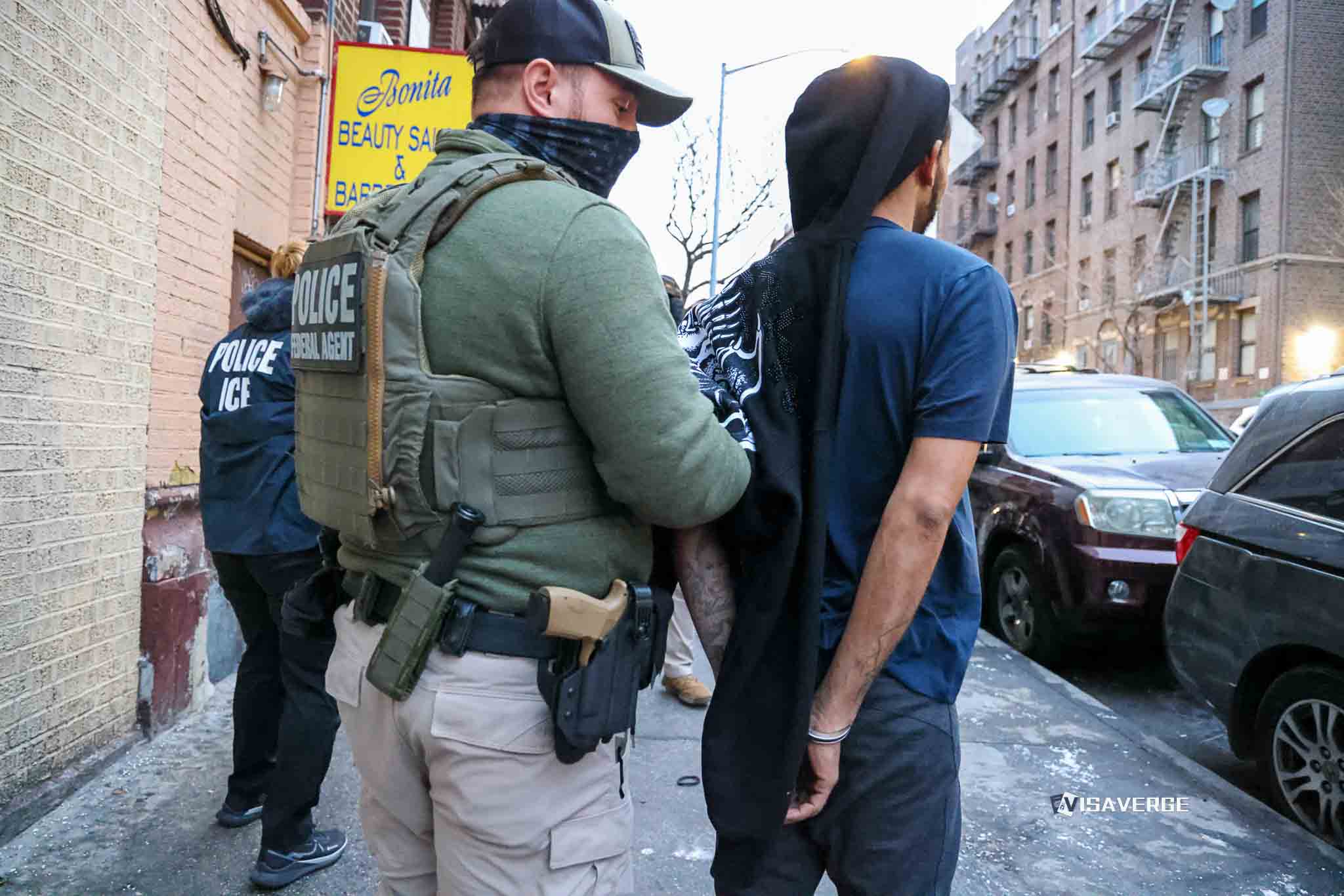
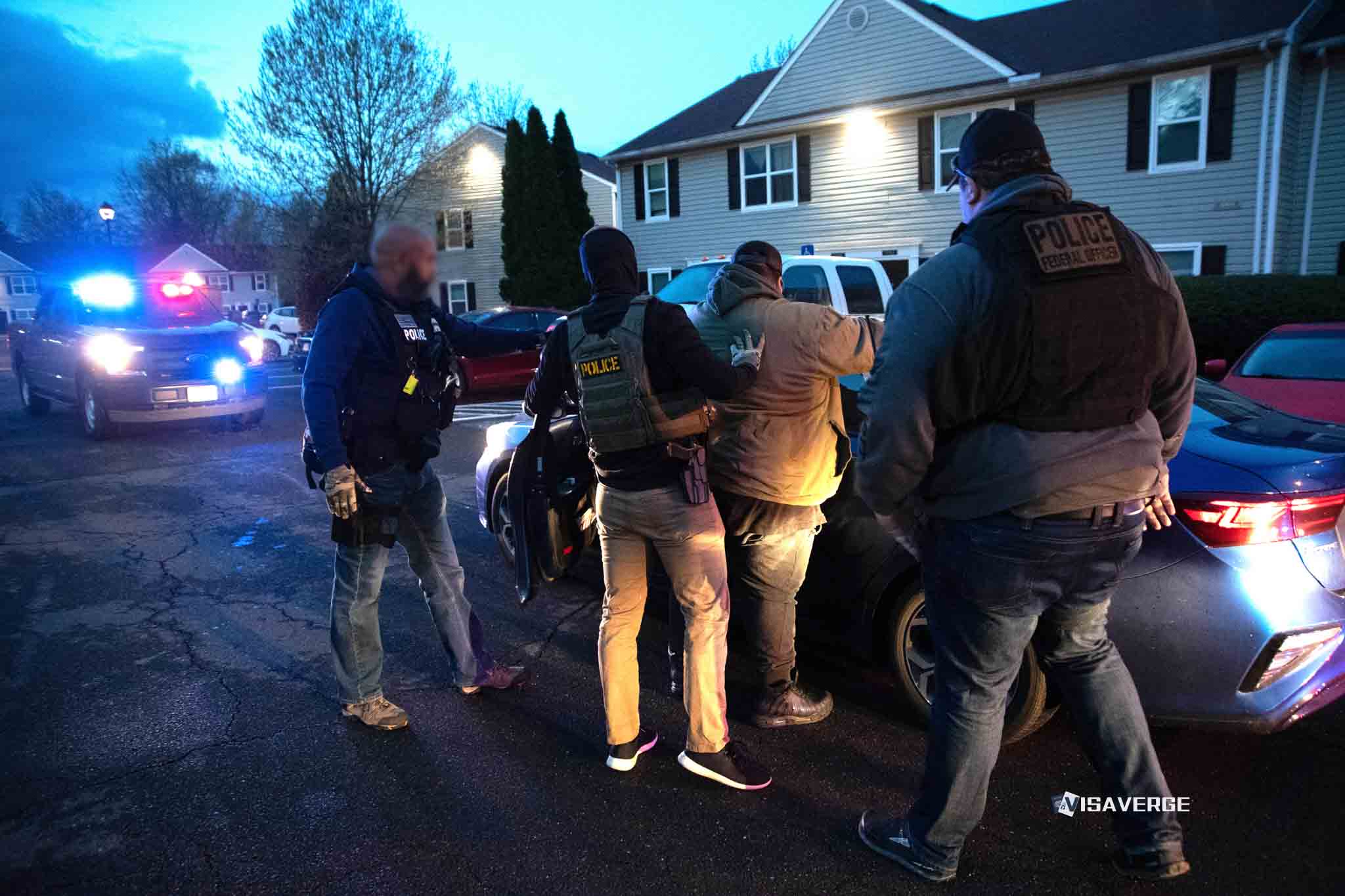
According to analysis by VisaVerge.com, federalized forces took part in more than 170 missions supporting ICE, the DEA, the U.S. Marshals Service, and DHS. Court filings say at least one civilian was detained by military personnel, a point state lawyers cite as proof that the mission slipped into policing.
Judge Breyer previously issued a temporary restraining order to halt the federal takeover of state troops, but an appeals court stayed that order, letting the deployment continue. As the trial wrapped, around 300 federalized Guard members remained in Los Angeles, down roughly 90% from the peak.
Positions of the parties
California (plaintiff)
- Argues the federalization does not erase Posse Comitatus limits.
- Seeks an injunction to confine the mission to protecting federal property—doorways, courthouses, and equipment—and to bar any role in:
- arrests,
- crowd control,
- immigration raids.
Department of Justice (defendant)
- Asserts the Act never applied because troops did not execute the law but instead:
- kept watch,
- guarded buildings,
- escorted federal officers under threat.
- Points to statutes allowing presidents to protect federal functions and property.
In court, Judge Breyer probed where the line sits and how long federalized forces can remain without fresh justification. He expressed concern about a mission without clear “limiting factors,” noting the risk of an open‑ended presence that blurs military and police roles.
| India | China | ROW | |
|---|---|---|---|
| EB-1 | Feb 01, 2023 | Aug 01, 2023 ▲31d | Current |
| EB-2 | Nov 01, 2013 | Oct 01, 2021 | Apr 01, 2025 ▲90d |
| EB-3 | Jan 22, 2014 ▲21d | Jan 22, 2022 ▲14d | Jun 15, 2024 ▲31d |
| F-1 | Jan 22, 2021 ▲366d | Jan 22, 2021 ▲366d | Jan 22, 2021 ▲366d |
| F-2A | Oct 22, 2026 ▲30d | Oct 22, 2026 ▲30d | Oct 22, 2026 ▲30d |
Public reaction and on‑the‑ground effects
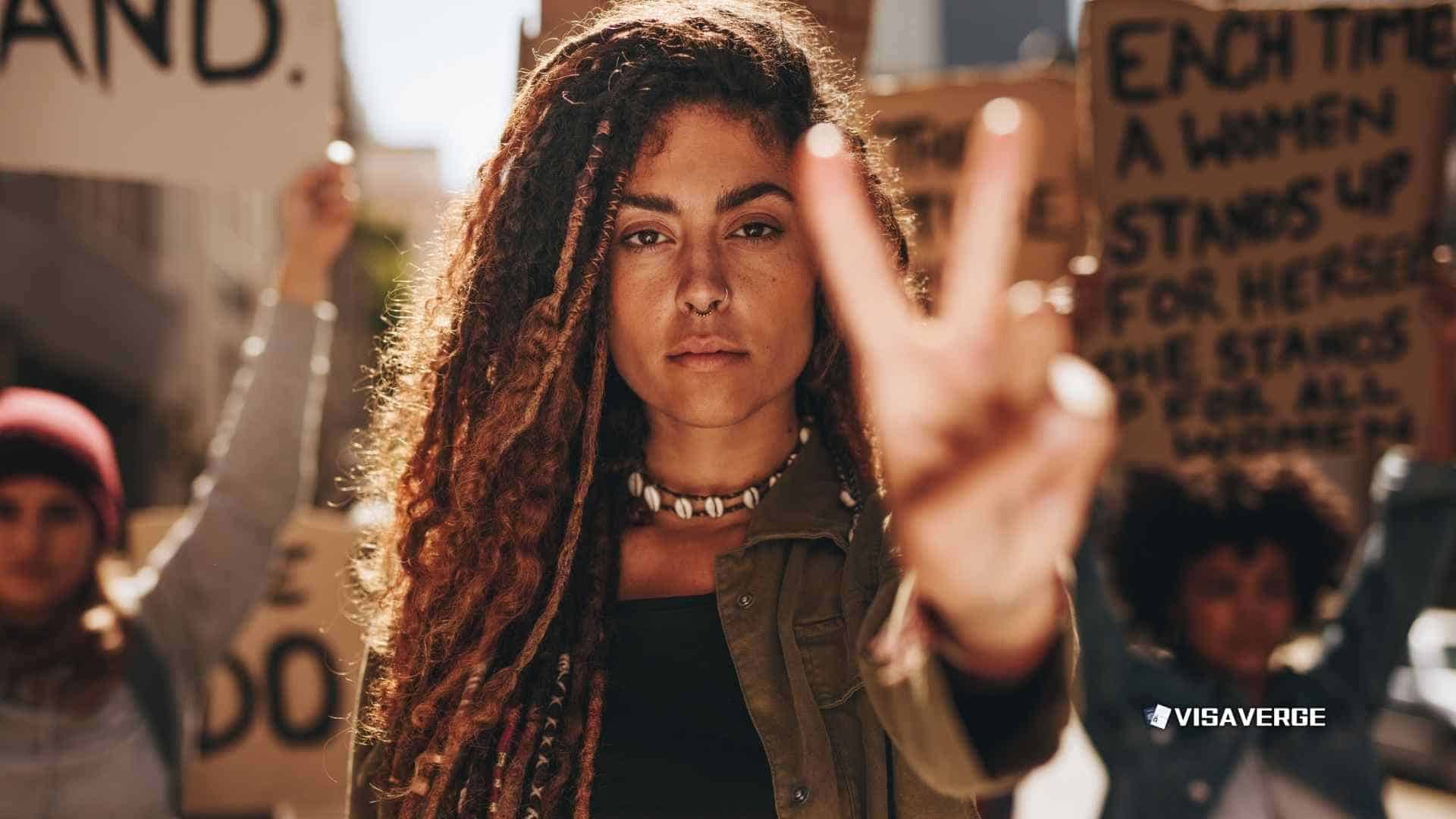
The case arrives amid heightened tensions over immigration policy. Protesters filled streets after reports of stepped‑up ICE arrests in mixed‑status neighborhoods. Local officials said city police could manage crowds and protect buildings without soldiers.
- Los Angeles Mayor Karen Bass and Oakland Mayor Barbara Lee criticized the deployment as unnecessary and political.
- Residents reported tangible effects: families avoiding transit hubs after spotting uniforms, teens skipping planned protests, and community groups fielding calls about checkpoints that were joint operations near federal sites.
- Civil liberties lawyers warn that even a brief detention by a soldier can chill speech and assembly.
Legal experts in filings describe the operation as unprecedented in scope and troubling because it broadens what counts as “protection” to include tasks resembling policing.
Stakes and possible outcomes
The central legal question is not whether the president can federalize the Guard—that power exists and has historical precedent—but whether the mission’s scope during immigration protests turned support into domestic law enforcement.
- The Posse Comitatus Act prohibits the Army and Air Force (and by policy, the Navy and Marines) from enforcing domestic law unless Congress authorizes it.
- Narrow exceptions exist, but they are specific.
Potential outcomes:
1. If Judge Breyer grants California’s request:
– Troops would be limited to fixed‑site protection.
– No role in arrests, crowd control, or immigration raids.
2. If he sides with the DOJ:
– Federal officials could rely on a broader reading allowing escorts, patrols near federal buildings, and other support roles during unrest.
In either scenario, appeals are likely and higher courts could resolve nationwide standards for what constitutes “law enforcement” under the Posse Comitatus Act.
Broader implications
The practical impact stretches beyond Los Angeles. Cities nationwide host federal courthouses, ICE offices, and DHS facilities next to neighborhoods with large immigrant populations.
- A decision that widens permitted military support could place troops closer to daily immigration activity, increasing friction and the risk of mistakes.
- A narrower ruling would keep military personnel behind the fence line, leaving crowd control and street policing to local departments.
Current status and next steps
- The trial was non‑jury, lasted three days, and ended on August 14, 2025.
- An appeals court stayed Judge Breyer’s earlier restraining order, allowing continued federal use of the Guard.
- Court records indicate at least one civilian detention by military personnel during operations.
- About 300 Guard members remained federalized in Los Angeles as the trial concluded.
Judge Breyer has not given a timetable for his decision, but lawyers expect a written ruling within weeks. The case record contains competing accounts from federal officers, Guard commanders, and residents who witnessed joint operations. Both sides signal they will continue the fight, with the possibility of Supreme Court review if lower courts split on the interpretation of the Posse Comitatus Act.
Key takeaway: The upcoming ruling will determine whether the federal government can deploy troops to perform tasks that border on policing during protests, or whether such deployments must be strictly limited to protecting federal property and personnel.
For official updates, see the U.S. District Court for the Northern District of California: https://www.cand.uscourts.gov.
This Article in a Nutshell
A federal judge heard a three-day non-jury trial ending August 14, 2025, on whether federalized Guard and Marines violated the Posse Comitatus Act during immigration-related protests; ruling will determine limits on military support for federal law enforcement and could set nationwide precedent about troops’ roles in domestic unrest.