- Federal judges recently extended the Castañon Nava decree to prohibit ICE from making warrantless arrests.
- Nassau County’s 2025 task force revived a controversial partnership giving local police broad immigration enforcement authority.
- A federal ruling restored bond hearing eligibility for thousands of immigrants previously held under mandatory detention.
(LONG ISLAND, NEW YORK) — ICE activity on Long Island has drawn renewed scrutiny after a reported arrest in Coram circulated alongside broader claims about an expanding deportation campaign, even as the clearest verified developments lie in recent federal court rulings on warrantless arrests, detention and local cooperation with immigration agents.
Immigrant residents and mixed-status families on Long Island now face a more tense climate as enforcement concerns intersect with new legal limits on some ICE practices. That debate has sharpened in Nassau County, where local police entered into a formal partnership with ICE in March 2025.

Attention has also centered on a reported case involving a Coram man. Yet the account remains unresolved in an important way: a claim that a federal judge overturned the arrest of a Coram man has not been confirmed through the federal rulings described here, and the phrase “recipe for disaster” also remains unverified in the court materials at issue.
What has been confirmed is a series of rulings that narrowed some arrest and detention practices. In October 2025, a federal judge extended the Castañon Nava consent decree, which prohibits ICE from making warrantless arrests or arrests without probable cause.
That order also required relief for 22 people who were unlawfully detained during the early days of Trump’s second term. It further directed ICE to identify all foreign nationals subjected to warrantless arrests since June in the Northern District of Illinois.
| India | China | ROW | |
|---|---|---|---|
| EB-1 | Apr 01, 2023 ▲31d | Apr 01, 2023 ▲31d | Current |
| EB-2 | Jul 15, 2014 ▲303d | Sep 01, 2021 | Current |
| EB-3 | Nov 15, 2013 | Jun 15, 2021 ▲45d | Jun 01, 2024 ▲244d |
| F-1 | May 01, 2017 ▲174d | May 01, 2017 ▲174d | May 01, 2017 ▲174d |
| F-2A | Feb 01, 2024 | Feb 01, 2024 | Feb 01, 2024 |
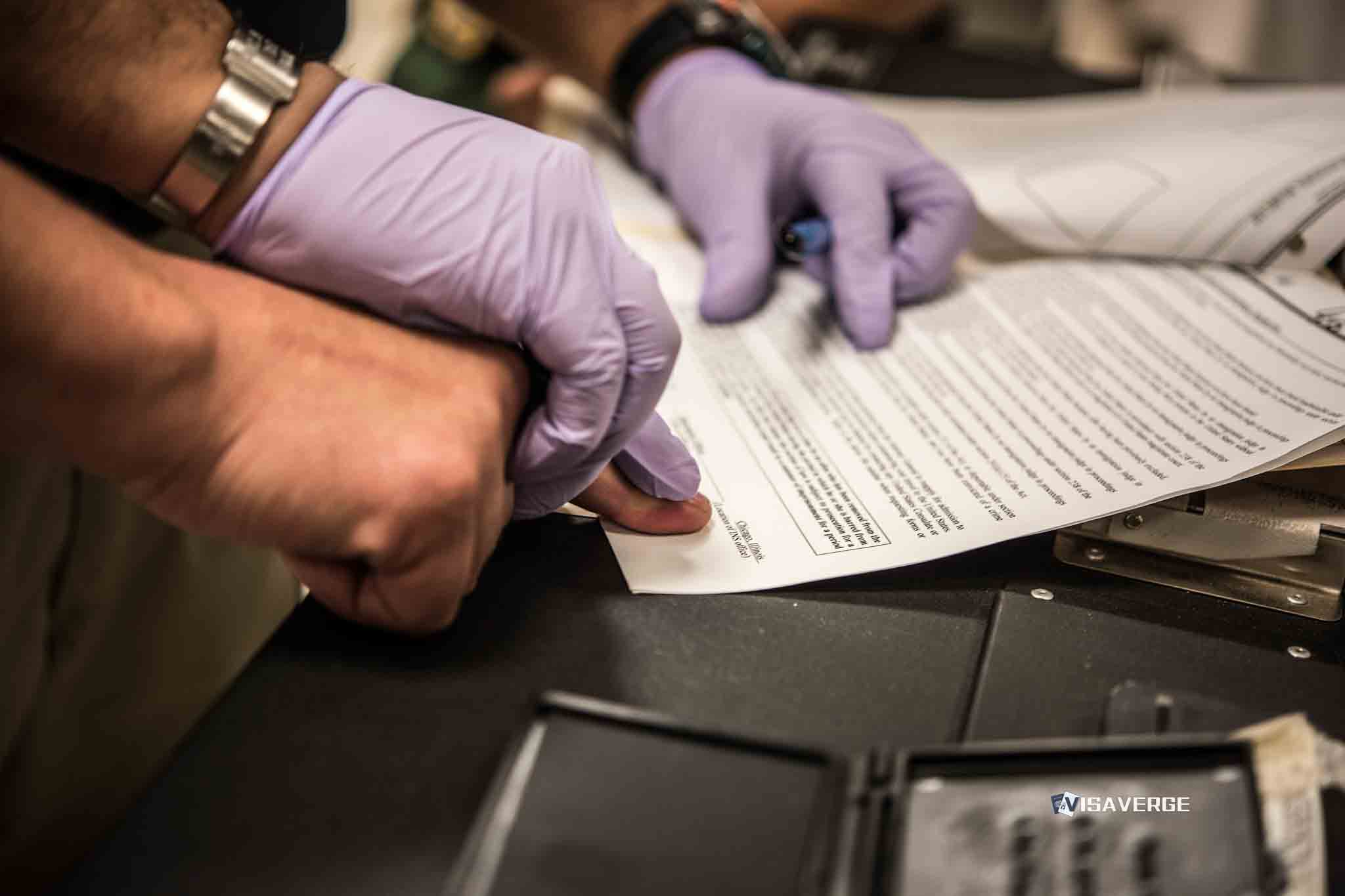
A separate federal district judge recently vacated the legal basis for a Trump administration policy that had classified many undocumented immigrants as “mandatory detention” cases. The ruling restored bond hearing eligibility for tens of thousands of detained immigrants nationwide.
Those decisions matter because they place legal pressure on practices that have been central to enforcement debates. At the same time, the rulings described here do not, on their face, automatically resolve every dispute involving ICE activity on Long Island.
That distinction has become more important as local residents watch enforcement expand close to home. Long Island’s role in the debate rests not only on federal policy, but also on the formal cooperation now in place between Nassau County and ICE.
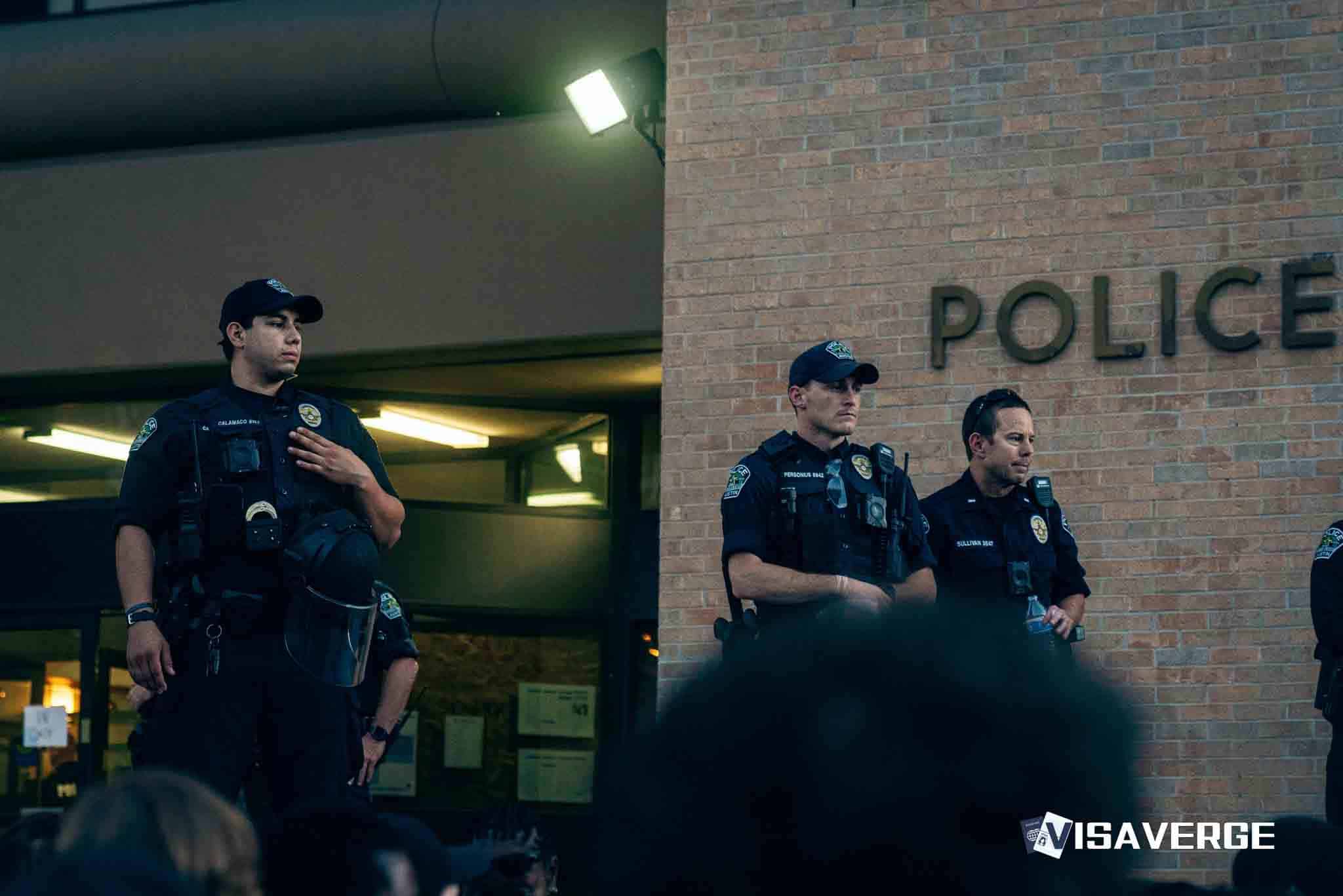
Nassau County Police Department officially signed a “task force” agreement with ICE in March 2025. Under that agreement, deputized officers received broad authority to question residents’ citizenship status and make arrests without judicial warrants.
The arrangement revived a model that had been discontinued in 2012 due to racial profiling concerns. Its return has intensified arguments over due process, profiling and the scope of immigration enforcement powers when local officers work alongside federal agents.
For immigrant families, that mix of local authority and federal enforcement can make encounters with police feel more consequential. The concern is sharper in mixed-status households, where one stop or one question about citizenship can carry immigration consequences beyond a single person.
That is why the court rulings have become central to the debate, even outside the jurisdictions named in those orders. They have set out clear limits on warrantless arrests, reaffirmed probable cause standards in one decree, and reopened bond hearing eligibility for many detainees previously swept into “mandatory detention.”
The Castañon Nava consent decree extension is especially relevant to current arguments over aggressive enforcement methods. By prohibiting warrantless arrests or arrests without probable cause, it addresses the kind of authority that often becomes disputed when immigration agents act quickly or in coordination with local officers.
The requirement that ICE identify all foreign nationals subjected to warrantless arrests since June in the Northern District of Illinois adds another layer. It signals judicial concern not only with future conduct, but also with the need to account for past arrests made under contested standards.
Relief for 22 people unlawfully detained during the early days of Trump’s second term points in the same direction. The court did not merely criticize procedures in the abstract; it ordered concrete relief for people already affected.
The detention ruling carries separate weight. By vacating the legal basis for a Trump administration policy that labeled many undocumented immigrants as “mandatory detention” cases, the judge restored a path to bond hearings for a broad class of detainees.
That change reaches beyond legal terminology. Bond hearing eligibility can shape whether detained immigrants remain locked up while their cases proceed or have a chance to argue for release.
On Long Island, those questions now sit beside Nassau County’s decision to join forces with ICE. Deputized officers with authority to question residents’ citizenship status and make arrests without judicial warrants create a local setting in which probable cause, judicial oversight and detention rules can quickly become contested.
Critics of similar arrangements have long focused on profiling concerns. Nassau’s current agreement also carries that history, because the same cooperation model was discontinued in 2012 due to racial profiling concerns.
The renewed partnership therefore does more than expand enforcement capacity. It brings back an older dispute over how far local law enforcement should go in carrying out federal immigration functions, and what protections residents can expect when those lines blur.
Against that backdrop, the unresolved Coram account has taken on outsized attention. The verified materials described here do not establish that a federal judge overturned the arrest of a Coram man.
They also do not confirm the use of the phrase “recipe for disaster” in any court materials described in this dispute. Any definitive account of the Coram matter would need to come from actual Eastern District of New York filings, orders, or related case records.
That gap matters because the broader legal fight is already charged enough without uncertain details. Long Island residents are watching local enforcement grow while courts elsewhere have imposed limits on warrantless arrests and changed detention rules affecting immigrants nationwide.
Careful attribution is therefore not a technical issue. It goes to the center of how communities, lawyers and local officials understand what ICE can do, what local police can do, and what remedies may exist when arrests or detention practices are challenged.
For now, the strongest confirmed facts are these: a federal judge extended the Castañon Nava consent decree in October 2025; the decree prohibits warrantless arrests or arrests without probable cause; 22 people received relief after unlawful detention during the early days of Trump’s second term; ICE must identify foreign nationals subjected to warrantless arrests since June in the Northern District of Illinois; and a separate federal district judge vacated the legal basis for a Trump administration “mandatory detention” policy, restoring bond hearing eligibility for tens of thousands of detained immigrants nationwide.
Set against those rulings, Nassau County’s March 2025 “task force” agreement with ICE has raised the stakes for Long Island. The agreement gives deputized officers broad authority to question residents’ citizenship status and make arrests without judicial warrants, reviving a model that had been dropped in 2012 over racial profiling concerns.
Those two tracks — federal court limits and local enforcement cooperation — now define the pressure point on Long Island. Residents concerned about ICE, especially in immigrant neighborhoods and mixed-status families, are watching how national rulings might shape challenges to aggressive arrest practices while local officers exercise broader immigration powers.
The unresolved Coram case sits inside that larger conflict rather than settling it. Until actual Eastern District of New York filings, orders, or related case records confirm more, the most concrete story on Long Island remains a widening enforcement partnership and a legal climate increasingly focused on probable cause, warrantless arrests and access to bond hearings as the deportation campaign continues.