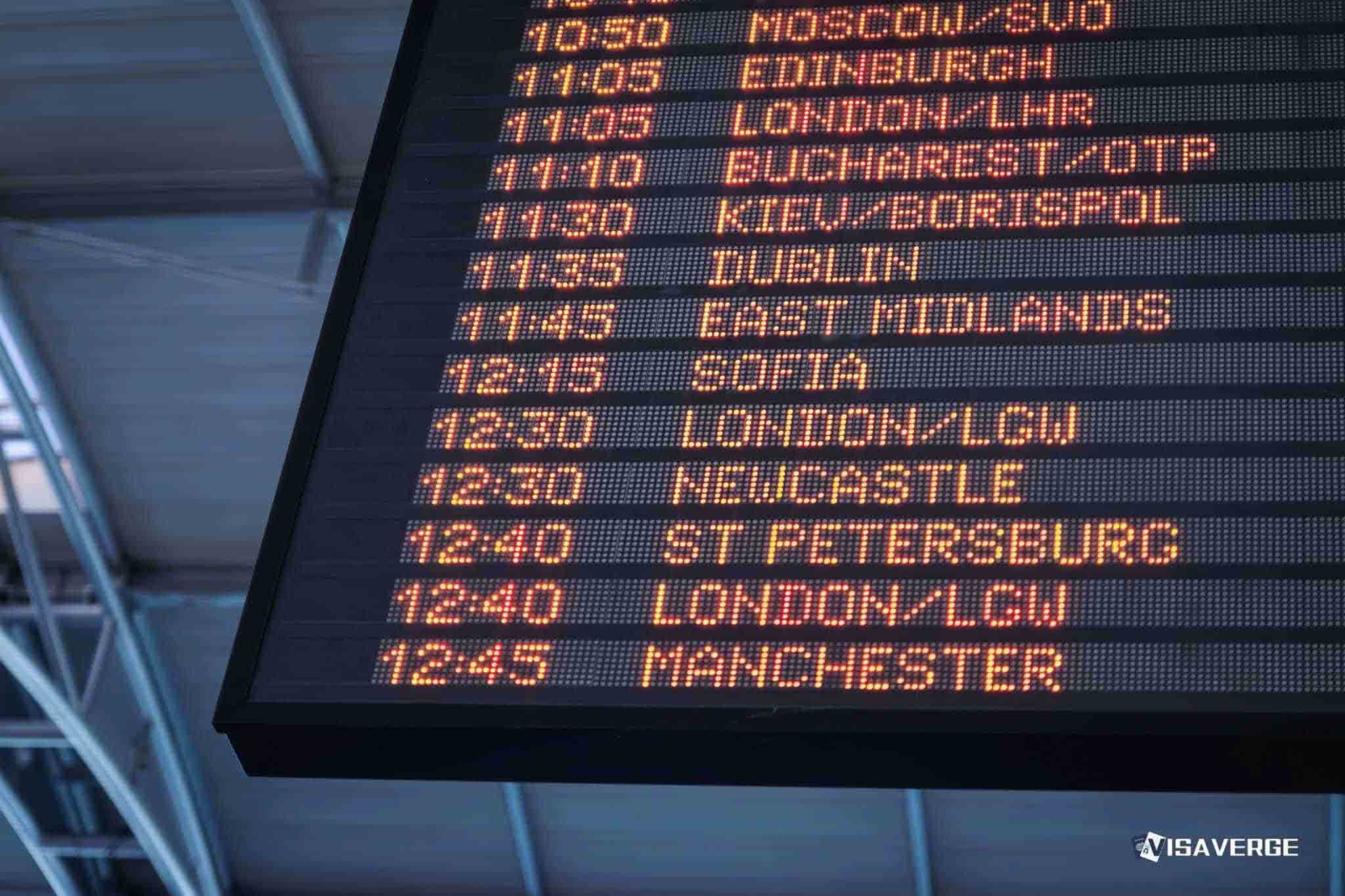
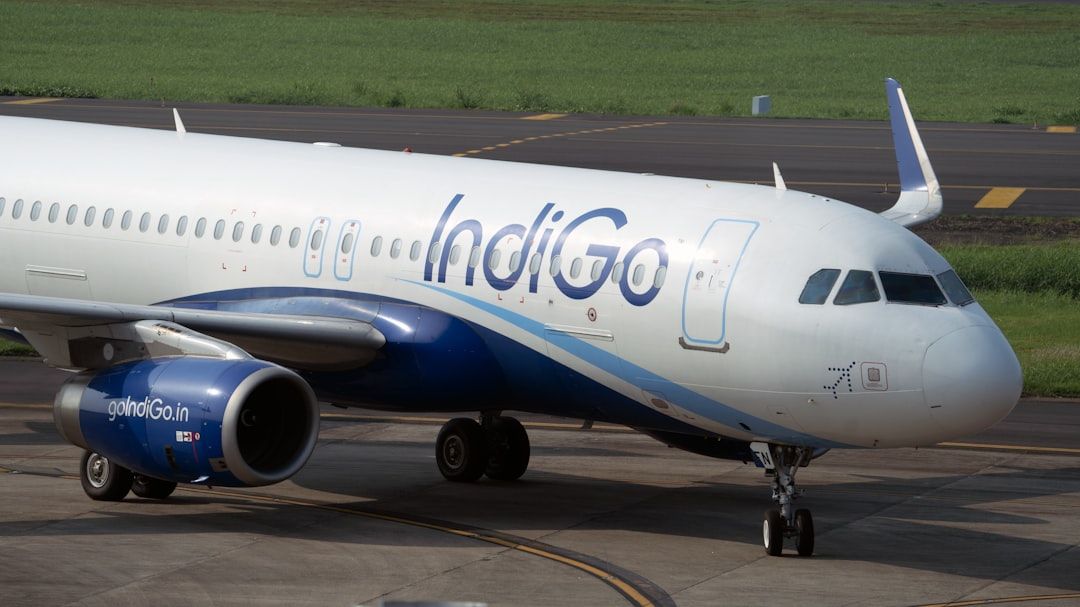
(INDIA) India’s Ministry of Civil Aviation has stepped in with emergency fare caps on domestic air routes hit by the ongoing IndiGo crisis, after more than 1,000 flights were cancelled in a matter of days, sending ticket prices soaring for stranded passengers.
The ministry’s decision, announced in New Delhi, makes it clear that airlines will not be allowed to charge opportunistic fares on routes affected by IndiGo’s disruption, and that carriers must follow strict fare caps set by the government.
Officials said the move aims to protect travelers, especially senior citizens, students, migrant workers, and medical patients, from being “priced out” of essential journeys during the disruption.
Duration, monitoring and enforcement
The Ministry of Civil Aviation has said the temporary fare controls will stay in place until IndiGo operations return to normal, a point officials currently expect around December 15, 2025.
The ministry is tracking fares in real time through coordination with airlines and major online travel platforms, and has warned that any breach of the prescribed fare caps will invite swift action.
According to analysis by VisaVerge.com, this type of direct intervention is rare and underlines how seriously the government views the threat of sudden fare spikes to people who rely on affordable domestic flights.
Important: The fare caps are targeted to routes affected by IndiGo’s cancellations and will be enforced while disruptions persist.
Cause of the crisis
The immediate trigger for the crisis was IndiGo’s struggle to adjust to new Flight Duty Time Limitations rules, which require longer rest periods for pilots and crew.
IndiGo has acknowledged that it misjudged how the new rules would affect its rosters, leading to a shortage of available staff and a wave of cancellations across its network.
The knock-on effect at major airports including Delhi, Bengaluru, and Hyderabad was immediate: thousands of passengers were left scrambling for alternatives, while fares on remaining flights quickly surged as airlines and booking sites adjusted prices to match demand.
Who has been hardest hit
Among those hit hardest were people traveling for immigration-related reasons:
- Students rushing to connect with international flights for courses abroad
- Overseas workers returning home on short breaks
- Families heading to consular appointments in metro cities
For many of them, even a single missed flight can mean lost tuition fees, cancelled visa slots, or broken work contracts. By imposing fare caps, the Ministry is trying to prevent these disruptions from turning into financial shocks.
Refunds and rebooking directives
The ministry has also directed IndiGo to:
- Clear all pending passenger refunds by 8 PM on Sunday, December 7, 2025.
- Reschedule affected tickets without any additional charges.
That instruction is vital for low-income travelers and migrants who often book the cheapest possible non-refundable tickets months in advance to attend visa interviews, biometric appointments, or overseas joining dates.
If airlines simply cancel without prompt refunds or free rebooking, many such passengers cannot afford to buy new tickets at short notice, especially when prices rise.
Investigation and accountability
Beyond the immediate consumer measures, the government has ordered an investigation into IndiGo’s handling of the transition to the new duty time rules.
A committee has been formed to examine:
- How planning and staffing decisions were made
- Where responsibility lies for the large-scale breakdown
- Whether forecast models properly captured the impact of longer rest windows
- How far ahead IndiGo planned its crew training
- What contingency options were in place for sudden disruptions
Wider implications for visa and immigration timelines
For India’s huge population of emigrants and aspiring students, the IndiGo episode is a reminder of how closely air travel reliability is tied to immigration timelines.
Someone with a U.S. embassy appointment in Delhi or a consular visit in Hyderabad may have spent months waiting for that single slot, only to see their chances threatened by a last-minute cancellation.
For those passengers, the difference between a capped fare and an uncapped “surge” fare can be the difference between keeping and losing an immigration opportunity.
Regulatory precedent and scope of intervention
India’s aviation authorities have used fare caps before in limited ways, most recently during the Covid-19 pandemic, when the Directorate General of Civil Aviation controlled both minimum and maximum fares for certain sectors.
That round of regulation was gradually rolled back, and the current intervention is more targeted, focusing only on routes hit by IndiGo’s cancellations.
Still, it shows that the Ministry of Civil Aviation is prepared to use its regulatory powers when market forces alone might leave travelers exposed.
For official policy details, the ministry directs passengers and airlines to updates posted on its website at https://www.civilaviation.gov.in, which also carries broader guidance on domestic air services.
Practical effects and limits of fare caps
Consumer advocates say price discipline during such crises is especially important for people moving between smaller towns and India’s big hubs, because they often have no realistic alternative to flying.
- Train journeys can take days.
- Last-minute long-distance bus tickets are hard to find.
- Air travel is often the only way to reach embassy or consulate appointments on time.
With IndiGo such a dominant player in India’s domestic market, its operational meltdown was always likely to send shockwaves through the system, especially on budget-sensitive routes.
The fare caps will not immediately create more seats, but they aim to stop remaining seats from being sold only to the highest bidders — a pattern that can easily push lower-income migrants and students off flights.
What to expect next
In the weeks leading up to the expected stabilization date of December 15, 2025, officials are expected to keep meeting with airlines to check whether schedules and staffing are recovering fast enough.
- If conditions improve sooner than anticipated, fare controls could be lifted earlier.
- If not, they may be extended beyond that date on the same affected corridors.
For now, the message from the Ministry of Civil Aviation is that passenger welfare comes first, and that while IndiGo works to fix its crew shortages, the wider market will be expected to show restraint on pricing rather than turn the disruption into a chance for windfall profits.
Key takeaway: The fare caps provide at least some certainty to travelers — especially those with visa deadlines, university reporting dates, or overseas job commitments — as they rebook journeys and monitor fare levels closely.
Quick reference table
| Action | Deadline / Expected date | Purpose |
|---|---|---|
| Pending passenger refunds to be cleared by IndiGo | 8 PM, Sunday, December 7, 2025 | Provide immediate cash relief to affected passengers |
| Temporary fare caps in place until | Around December 15, 2025 (may change) | Prevent opportunistic surge pricing on affected routes |
| Investigation into IndiGo’s handling | Ongoing (committee formed) | Determine planning, staffing, and accountability issues |
If you need the ministry’s official updates, refer to https://www.civilaviation.gov.in.
The Ministry of Civil Aviation imposed temporary fare caps on routes affected by IndiGo’s mass cancellations—over 1,000 flights—aiming to prevent opportunistic pricing. Controls remain until IndiGo stabilizes, currently expected around December 15, 2025. IndiGo was ordered to clear pending refunds by 8 PM on December 7 and rebook passengers without fees. A government committee will investigate the airline’s adjustment to new Flight Duty Time Limitations and staffing decisions. Measures prioritize vulnerable travelers and curb price spikes during the disruption.