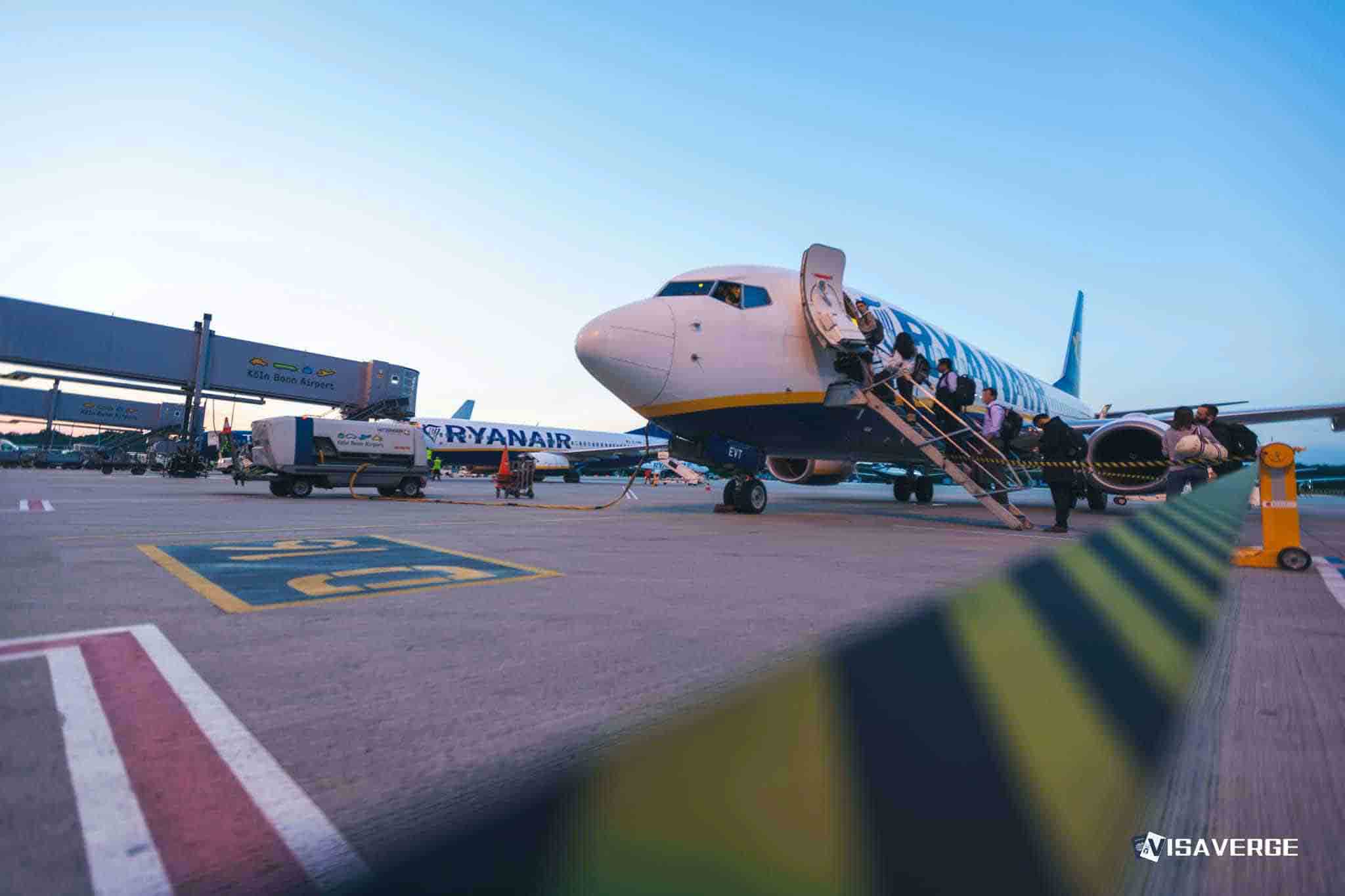
The Federal Aviation Administration (FAA) said on December 12, 2025 it has started reviewing Boeing’s proposed enhanced flight crew alerting system for the 737 MAX 10, a step Congress required before the long-delayed jet can be certified. The review covers a synthetic enhanced angle-of-attack (AOA) function and new options that let pilots shut off stall warning and overspeed alerts under defined conditions.
For airlines that planned schedules and staffing around the MAX 10, the FAA’s move is the first formal sign of momentum. It also matters to travelers — including immigrants and students — who rely on flight capacity during peak seasons.

What the FAA published and what it covers
In a notice published in the Federal Register on December 15, 2025, the FAA laid out how it will evaluate the design as part of the MAX 10 type certificate, and how related changes would be carried across other MAX models.
The notice says the FAA will:
– Evaluate Boeing’s synthetic enhanced AOA and the proposed alert shut-off options as part of MAX 10 certification.
– Track Boeing’s plan to deliver service bulletins and technical documentation to operators — material airlines need to retrofit aircraft already in service.
– Monitor implementation after approval, reflecting a certification culture that emphasizes proof, paper trails, and continued oversight rather than one-time sign-offs.
Lawyers note that this hands-on approach can slow entry into service, but it also helps build trust.
Congressional background and retrofit mandate
Congress stepped in in December 2022 after Boeing missed an earlier statutory deadline tied to flight crew alerting on the MAX 7 and MAX 10. Lawmakers:
– Waived an immediate redesign requirement, but
– Ordered Boeing to retrofit the entire MAX family with whatever upgrades the FAA approves for the MAX 10.
Key deadlines set by law:
| Requirement | Deadline after MAX 10 certification |
|---|---|
| Add enhanced AOA and alert shut-off features (or equivalent fixes) | 1 year |
| Complete fleet-wide retrofit across MAX family | 3 years |
This timeline affects carriers’ fleet plans and contractual commitments.
Why the alerting system review matters (safety context)
The new alerting system review is rooted in the hard lessons of the MAX crashes:
– 2018 Lion Air flight 610 plunged into the Java Sea.
– 2019 Ethiopian Airlines flight 302 crashed soon after takeoff.
Together, those disasters killed 346 people and prompted a worldwide grounding of the MAX fleet for 20 months. Investigators and regulators focused on the Maneuvering Characteristics Augmentation System (MCAS), which:
– Depended on a single AOA sensor, and
– Could trigger repeated nose-down commands while crews faced conflicting cockpit alerts.
Boeing has since reworked MCAS, but Congress demanded broader changes to warning logic overall.
What Boeing is proposing
Boeing’s proposal, now under FAA scrutiny, would:
– Add a synthetic enhanced AOA function to reduce reliance on a single physical sensor by using other data to estimate the aircraft’s angle to the oncoming air.
– Permit defined conditions where pilots could silence stall warning and overspeed alerts — a sensitive idea because those warnings are normally designed to be hard to ignore.
The FAA said it is reviewing the design for certification on the MAX 10 and for adapted use on the MAX 7, MAX 8, and MAX 9, which is central to the congressional retrofit mandate.
Impact on travelers and airline operations
For immigrant families, international students, and business travelers, the MAX 10 saga is more than a technical debate. Airlines buy larger planes like the MAX 10 to add seats on busy routes, including flights that connect U.S. gateways with cities abroad.
When deliveries slip:
– Carriers may keep older aircraft longer or reshuffle capacity.
– That can mean fewer nonstop options and more crowded peak periods.
– Those most exposed are often people who must travel on fixed dates — new residents, workers preserving status, refugees reuniting with family.
These groups closely watch FAA decisions because airline networks directly shape mobility.
Certification status and timeline outlook
As of December 15, 2025, the MAX 10 has not been certified. Boeing has faced repeated delays that have frustrated airlines and suppliers.
Important context:
– The FAA’s review does not guarantee an approval date.
– Regulators have emphasized they will not be rushed after the MAX crisis.
– The formal evaluation launch matters because it sets the clock on the congressional retrofit obligations.
Boeing’s CEO has publicly targeted certification in 2026, but that timeline is now tied to the outcome of the alerting system review.
FAA expectations for Boeing and operators
Under the FAA plan, Boeing must:
1. Win approval for the MAX 10 alerting system design.
2. Deliver the paperwork and instructions (service bulletins and technical documentation) operators need to comply.
3. Support airlines as they fold changes into maintenance visits, pilot training updates, and internal safety reporting.
The FAA will monitor implementation once upgrades are approved, reflecting a more hands-on regulator that expects follow-through long after certification headlines fade.
Passengers and industry stakeholders can follow official updates and safety information on the FAA’s Boeing 737 MAX page: https://www.faa.gov/boeing737max
Broader economic and workforce effects
Analysis by VisaVerge.com notes that aviation safety decisions can ripple into migration patterns because air links shape where people can work, study, and keep family ties. Specific impacts include:
– Cross-border aviation workers (pilots, engineers, cabin crew) who move on work visas depend on stable fleet plans for assignments and seniority.
– Airlines must coordinate routes, staffing, and airport and border-agency interactions — any delivery shifts affect many moving parts even if passengers never hear the term “alerting system.”
What to watch next
For now, the FAA describes its work as the start of a mandated evaluation, not a final verdict. The MAX 10 remains in limbo until regulators sign off.
Key near-term items to follow:
– FAA statements in the Federal Register regarding the ongoing evaluation.
– Boeing submissions showing how synthetic AOA and alert shut-offs will behave in practice.
– The timing and content of Boeing’s service bulletins and operator instructions.
The stakes are high because any approved alerting system for the MAX 10 will become the template for upgrades across the MAX fleet, and airlines must fit those changes into maintenance cycles within the one-year and three-year windows set by Congress.
The FAA launched a formal review of Boeing’s enhanced alerting system for the 737 MAX 10, covering a synthetic enhanced AOA and pilot alert shut-off options. A December 15 Federal Register notice explains evaluation criteria, documentation delivery, and how approved changes would extend to MAX 7/8/9. Congress requires retrofits across the MAX family within one and three years after MAX 10 certification. The FAA emphasized rigorous oversight, monitored implementation, and the need for service bulletins and operator instructions.
Live Government Data
State Dept • CBPBusiest Border Crossings
- Eagle Pass 180 min
- San Ysidro 50 min
- El Paso 42 min