- The FAA proposed a $304,272 penalty against Southwest Airlines for failing to follow drug and alcohol testing protocols.
- Violations involved 11 employees in safety-sensitive roles, including pilots, flight attendants, and aircraft mechanics.
- The agency alleges missing follow-up tests for staff who previously tested positive for marijuana, cocaine, and amphetamines.
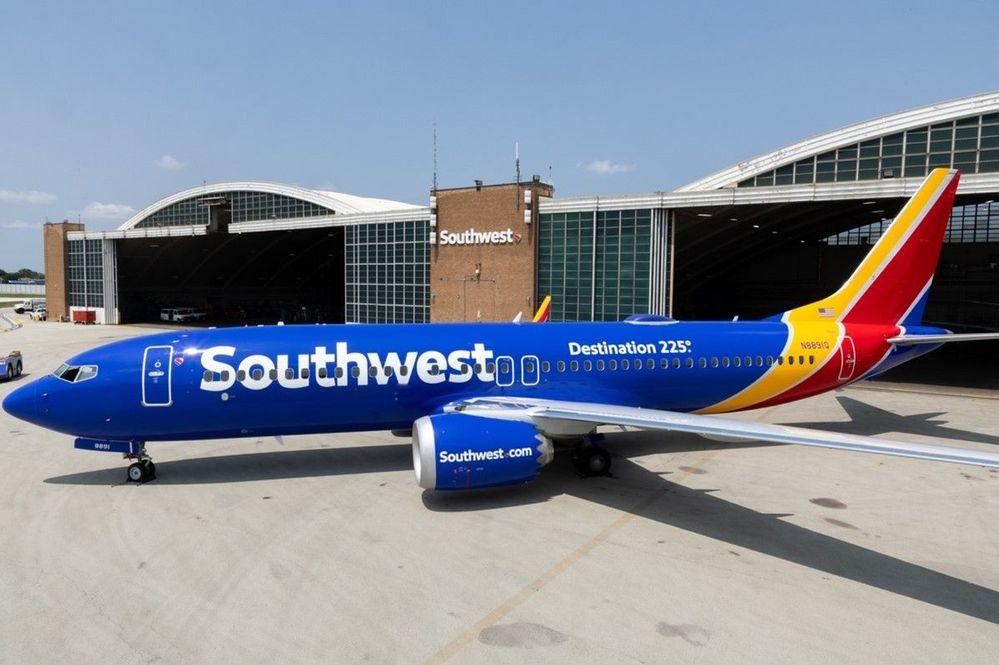
(UNITED STATES) — The FAA proposed a $304,272 civil penalty against Southwest Airlines on April 3, 2026, alleging the carrier failed to conduct required follow-up drug and alcohol testing on 11 employees in safety-sensitive roles.
The agency said the employees included pilots, flight attendants and aircraft mechanics. Southwest allegedly allowed them to perform safety-sensitive functions without completing mandatory federal follow-up testing protocols.
Those employees had previously tested positive for substances such as marijuana, cocaine, and amphetamines. The period of non-compliance ran from August 2021 to July 2024.
The case centers on post-rehabilitation monitoring under U.S. aviation safety regulations. It focuses on follow-up testing procedures after earlier positive tests rather than a one-off administrative mistake.
Southwest now has 30 days from receiving the FAA’s enforcement letter to submit a response. After that, the agency will decide whether to finalize, modify, or withdraw the civil penalty.
The proposed sanction places one of the country’s largest airlines under regulatory scrutiny over how it handled employees in jobs tied directly to flight operations and aircraft safety. Pilots, flight attendants and mechanics all fall within safety-sensitive categories because their duties affect the operation of aircraft and the traveling public.
By framing the matter around follow-up testing, the FAA signaled that its concern was not limited to the initial positive tests. The agency’s action points to what it described as procedural lapses in ensuring that employees who had already entered the federal testing process completed the required monitoring before returning to safety-sensitive work.
That distinction matters in enforcement terms. The allegation is that Southwest did not complete the required federal follow-up testing protocols for 11 workers, and that they nonetheless performed safety-sensitive functions during the August 2021 to July 2024 period.
The span of time cited by the FAA stretches across nearly three years. That length suggests the agency’s proposed penalty covers repeated failures tied to the same compliance system, not a single missed step involving one employee.
The amount of the proposed fine also reflects the number of workers involved. The FAA set the civil penalty at $304,272 for the alleged violations tied to the 11 employees.
Federal drug and alcohol rules for aviation workers carry added weight because they apply to people whose work directly affects aircraft operations. In this case, the FAA said the affected personnel ranged across cockpit, cabin and maintenance roles.
That breadth is one of the notable parts of the enforcement action. The employees at issue were not limited to one job category, but included pilots, flight attendants and aircraft mechanics.
The substances listed by the FAA were marijuana, cocaine, and amphetamines. The agency said those workers had previously tested positive before the alleged failures in follow-up monitoring occurred.
Nothing in the FAA’s notice, as summarized here, suggests the enforcement action stemmed from an accident or in-flight incident. Instead, the case turns on whether Southwest followed the required post-rehabilitation testing process before letting those employees resume safety-sensitive duties.
For airlines, that kind of case can carry consequences beyond the dollar amount. A penalty tied to follow-up testing places attention on internal compliance systems, record-keeping and oversight of employees who return to work after earlier substance violations.
The FAA’s next move will depend on Southwest’s reply. The airline has 30 days from receiving the enforcement letter to present its response before the agency decides whether the proposed penalty will stand as written, be changed, or be withdrawn.
That response window gives Southwest an opportunity to address the allegations before the enforcement action becomes final. The FAA retains the final decision on whether to finalize, modify, or withdraw the civil penalty after reviewing the airline’s submission.
The case also fits into a broader pattern of FAA oversight in this area. The agency has taken related action elsewhere in the industry, including a $65,000 fine against Avelo Airlines in 2026 for related testing violations.
That comparison provides a measure of the enforcement climate around drug and alcohol testing compliance. It also shows that the FAA is continuing to police follow-up testing requirements, not only initial screening programs.
The Southwest case stands out because of the number of employees involved and the range of roles they held. It also covers a long period, from August 2021 to July 2024, during which the FAA said required follow-up testing did not occur before those workers carried out safety-sensitive functions.
Aviation enforcement cases often turn on systems rather than isolated acts, and this one is framed that way. The FAA’s description points to procedural lapses in post-rehabilitation monitoring, an area where regulators expect carriers to apply federal rules consistently.
For Southwest, the immediate issue is procedural and regulatory. The airline must answer the FAA’s allegations within the set period and try to persuade the agency that the proposed $304,272 penalty should not be finalized as issued.
For the wider airline industry, the action serves as another warning that testing compliance reaches beyond the moment of a positive result. The FAA’s focus in the Southwest Airlines matter is on what came after that result, and whether workers who had previously tested positive for marijuana, cocaine, and amphetamines were properly cleared through required follow-up testing before returning to duties tied to flight safety.