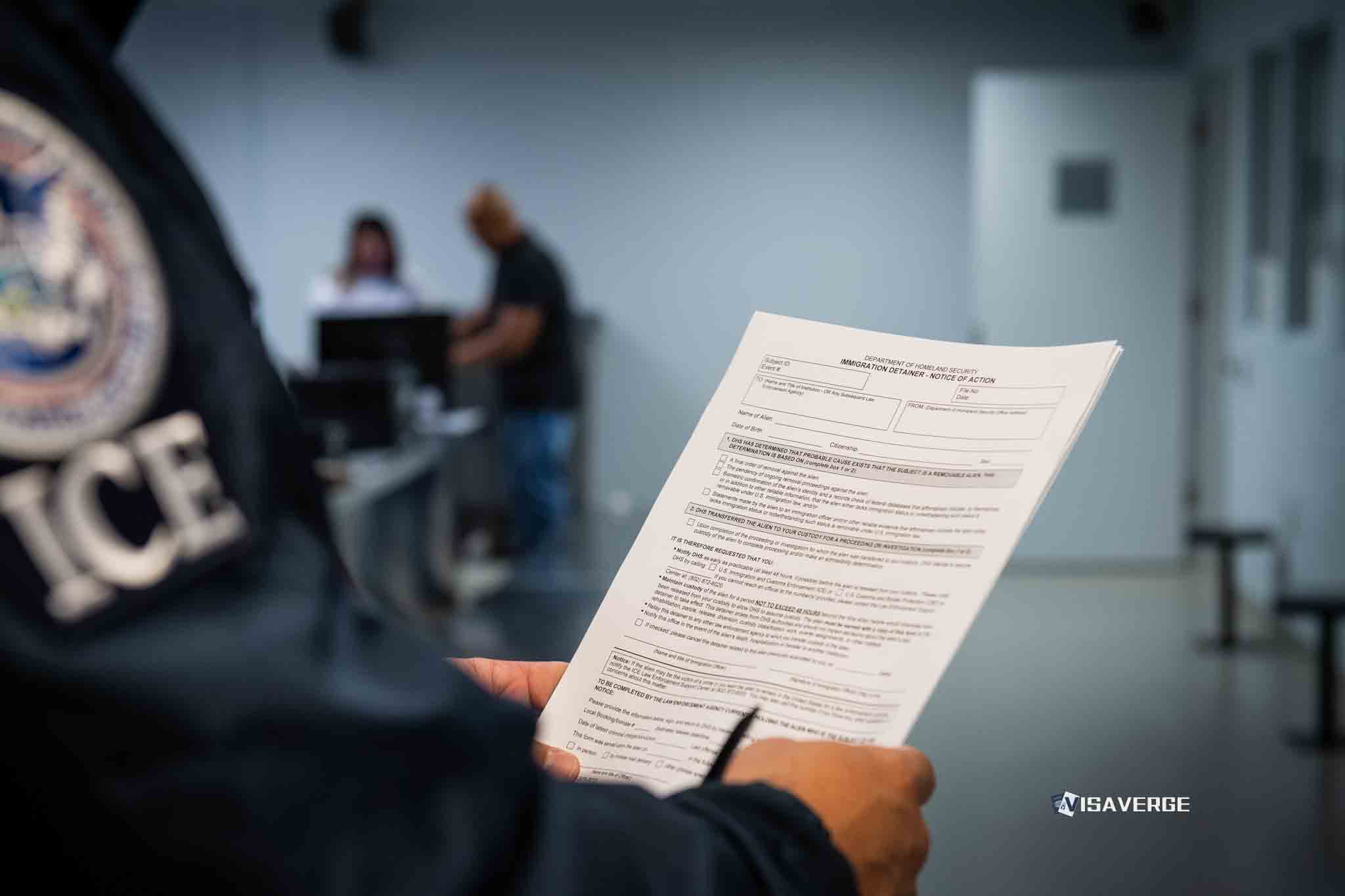
- U.S. student visa issuances dropped by 35.6% during the critical summer 2025 peak season.
- A three-week suspension of interviews for social media vetting caused significant administrative backlogs.
- The decline threatens $7 billion in economic contributions and over 60,000 American jobs.
(UNITED STATES) — U.S. consulates issued 35.6% fewer F-1 student visas in summer 2025, a sharp peak-season decline that raised immediate concerns about whether international students could arrive in time for fall enrollment.
The summer drop exceeded earlier expectations and hit during the months when most students typically complete visa processing, travel planning and campus onboarding. Because F-1 student visa issuances act as a leading indicator of who can physically reach U.S. campuses by late August and September, the decline quickly fed into warnings about deferrals and missed start dates.

Early operational signals also pointed to uneven impacts across regions, with the steepest constraints tied to appointment access and consular throughput in major student-source countries. That unevenness mattered for universities that rely heavily on specific markets for new international enrollments and tuition revenue.
Administrative disruption sat at the center of the summer collapse. Between May 27 and June 18, 2025, student visa interviews stopped entirely, pausing the core step that turns an application into an adjudicated visa during the busiest window for fall arrivals.
When interviews resumed on June 18, U.S. consulates moved under new screening requirements that included social media vetting. The resumption did not simply reopen the preexisting pipeline; it restarted it with added review layers that took time, staff and appointment slots that were already scarce in high-demand locations.
Consulates also received direction to restore appointment availability “within five days.” That target collided with the reality of a peak-season backlog created by the pause, and with the concentration of global demand for U.S. study permits into a handful of very busy posts.
For applicants, the Visa Interview Suspension meant more than a calendar gap. It delayed interview bookings, pushed decision timelines deeper into summer, and compressed the window for students to receive passports back, finalize housing and book travel before orientation and course registration deadlines.
The operational squeeze showed up quickly in appointment availability. Reports indicated limited or no appointments for international students at consulates in India, China, Nigeria, and Japan, countries that represent the top international student sending populations to the United States.
Where appointment calendars tightened, the effects tended to cascade. Students who could not secure interviews faced late arrivals or deferrals to a later term, while others weighed program changes, start-date shifts, or alternate destinations when timing became uncertain.
Concentrated demand amplified the system-wide impact because high-volume posts carry a large share of summer processing. When appointment scarcity hit those locations simultaneously, it reduced the number of cases that could be interviewed and completed during the narrow summer travel window.
NAFSA projections connected the disruption directly to the pace of visa issuance. Those projections indicated that June 2025 F-1 issuances could have declined 80–90 percent based on the suspension and processing disruptions, a collapse that would be difficult to offset later if July and August did not rebound sharply.
The mechanics of the academic calendar made the timing unforgiving. A missed summer processing window can mean students cannot arrive for orientation, struggle to secure housing, or miss key administrative steps tied to course registration and start-of-term reporting.
NAFSA also projected the downstream scale of a prolonged slowdown. Without significant recovery in July and August 2025, up to 150,000 fewer students were projected to arrive for fall enrollment, a number that would reverberate across institutional budgets and local economies that depend on student spending.
The economic stakes extended beyond campuses. The decline threatened approximately $7 billion in annual economic contributions to the U.S. economy and more than 60,000 jobs, reflecting how international students support tuition flows, rent payments, retail spending and service-sector employment in college towns and large cities.
Fewer students can also thin campus workforces and reduce demand for nearby businesses that scale staffing to the academic year. In that sense, a summer visa slowdown can translate into fewer shifts at restaurants, fewer leases signed near universities, and less seasonal hiring tied to student arrivals.
Added uncertainty came from broader restrictions alongside the consular bottleneck. Visa restrictions targeting 19 countries as of a June 4, 2025 executive order threatened $3 billion in annual contributions and more than 25,000 American jobs, widening the potential impact beyond routine peak-season capacity problems.
The summer collapse also followed a softer baseline earlier in the year. F-1 issuances were already down 12 percent from January to April 2025, a decline that reduced the buffer consular operations typically rely on when summer volumes surge.
May 2025 then fell further, with issuances down 22 percent compared to May 2024. That pre-suspension slide meant the system entered peak season already behind, making the later Visa Interview Suspension and restart more likely to produce a visibly steep summer drop.
The procedural changes after June 18 added another variable: social media vetting. In practice, expanded screening can translate into additional questions, more time spent reviewing applications, and a higher chance that some cases move quickly while others stall for longer review, even when students hold similar admission and funding documents.
Appointment-restoration promises also carried operational limits at the posts that handle the largest volumes of student demand. Even with a stated goal to restore appointment availability rapidly, appointment calendars depend on staffing, security protocols, interview space and the time required to conduct screenings under revised guidance.
In the coming weeks after a disruption like summer 2025, students and institutions tend to watch the same pressure points: whether appointment capacity returns at high-demand consulates, whether issuance numbers rebound during the core July–August window, and whether screening outcomes remain consistent enough to support predictable travel planning. For campuses, the strain can show up in housing and course planning, heavier workloads for international offices, and orientation redesign as late arrivals and deferrals reshape the start of term for F-1 student visa holders.