- Air traffic controllers averted a ground collision at JFK between an Air Canada jet and EVA Air Boeing.
- The incident occurred near runway 31R when both aircraft converged on intersecting paths during taxiing.
- A controller issued urgent stop commands to Air Canada as the EVA Air pilot reported high speeds.
(NEW YORK KENNEDY AIRPORT (JFK)) — Air traffic controllers averted a ground collision at John F. Kennedy International Airport when an Air Canada Jazz Embraer E175 and an EVA Air Boeing 777-300ER converged near runway 31R around 10:30 PM on Thursday, March 12, 2026.
The aircraft did not make physical contact. Air Canada Jazz flight QK898 from Montreal and EVA Air flight BR32 from Taipei both continued safely afterward.

The event unfolded on the airfield, not in the air, during a fast-moving sequence of landing rollout, runway exit and taxi instructions. Controllers issued urgent stop commands as the two aircraft moved toward each other on intersecting paths after the Air Canada jet had already landed and cleared the runway.
Runway 31R is one of JFK’s arrival runways and carries instrument landing and lighting systems. It is 10,000 feet long and 200-foot wide, and the taxiway arrangement at its exits shaped the encounter that followed.
Taxiway V sits one exit beyond the more commonly used WW. That layout helps explain why controllers changed the expected rollout plan for the arriving EVA Air jet as traffic tightened on the ground.
Before the conflict developed, the Air Canada aircraft landed first and cleared the runway. It then taxied onto taxiways WW and B and held position while waiting for an Aer Lingus aircraft to clear the ramp.
Controllers, anticipating a conflict on taxiway WW, told EVA Air to continue farther down runway 31R and exit at taxiway V instead. The revised instruction aimed to keep the incoming Boeing 777 clear of the area where the Air Canada regional jet had been expected to remain stopped.
That plan depended on precise timing and strict compliance on the ground. At a field like JFK, where arrivals, exits and ramp access often run in close sequence, the margin can narrow quickly.
As the aircraft closed in, Air Canada began moving forward from its hold position. EVA Air, following the revised instruction, continued to taxiway V after landing.
Controllers then intervened with a sharp warning. “Air Canada, stop, stop, stop, stop, stop!” the controller said over the radio as the conflict became immediate.
The EVA Air crew described how little room remained. “we come in very very high speed, we almost hit them,” the pilot said.
Those two transmissions captured the seriousness of the encounter. They also showed how surface incidents can escalate within seconds even after an arriving aircraft has touched down and left the runway centerline.
The sequence was driven by a mix of runway-exit planning and aircraft movement on the taxiways. Air Canada had been expected to stay in place while awaiting ramp clearance, while EVA Air had been rerouted to a farther exit to avoid a predicted conflict at WW.
Instead, the Air Canada aircraft moved at the point when the EVA Air 777 was rolling out toward taxiway V. That put the two aircraft on a collision course near runway 31R before the stop command halted the developing hazard.
Nothing in the available account indicates that the jets touched. Both crews proceeded safely once the immediate risk passed.
The runway and taxiway geography helps explain why the controller’s earlier decision mattered. WW is described as a more commonly used exit, and V lies one position beyond it, meaning the EVA Air crew had to continue farther along the runway than pilots often do before leaving 31R.
That kind of adjustment is routine in principle but exacting in practice. A controller can use a farther exit to keep aircraft separated, yet the instruction works only if the aircraft already on the ground remains where it is supposed to remain.
Here, the controller’s plan reflected an effort to manage converging traffic without interrupting the arrival sequence more than necessary. The radio exchange suggests the conflict emerged when the expected hold did not hold.
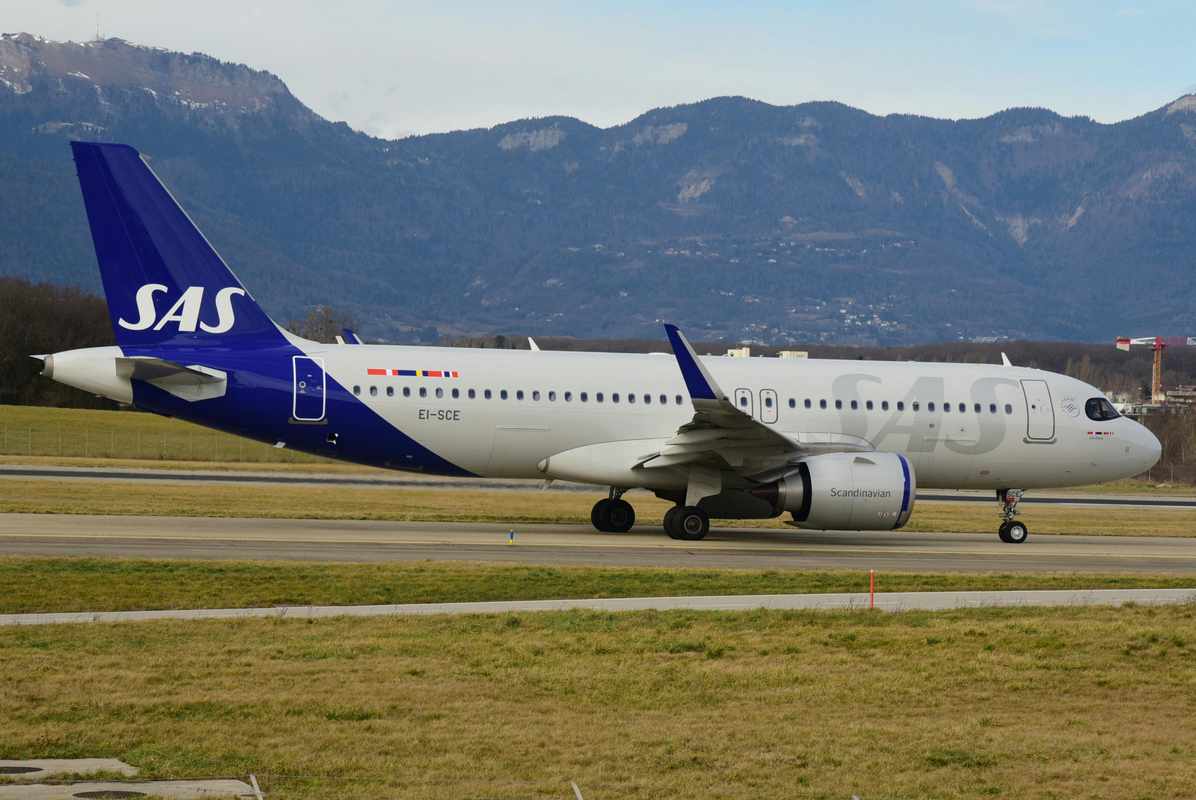
The Air Canada Jazz Embraer E175 was operating as QK898 from Montreal. The EVA Air Boeing 777-300ER was operating as BR32 from Taipei.
Those details matter because the aircraft involved were very different in size and rollout profile. The Embraer had already cleared the runway and was waiting for access toward the ramp area, while the EVA Air 777 was still in the post-landing phase and moving quickly enough for its pilot to stress the speed over the frequency.
Available information does not set out distances, braking points or exact movement data. Public facts remain limited to the broad sequence of taxi instructions, the crews’ movements and the recorded radio exchange.
Even so, the event drew attention because it happened at one of the country’s busiest airfields, where a mistake on the ground can carry the same urgency as one in the air. Sequential landings and runway exits leave little time to correct a misunderstanding once aircraft begin moving in unexpected ways.
JFK handles heavy airline traffic, including major operations by American Airlines, Delta and JetBlue. That density raises the importance of precise readbacks, exact compliance with hold instructions and constant monitoring of runway exits and taxiway crossings.
Ground conflicts also present a different kind of hazard from airborne near misses. Pilots may have less room to maneuver, controllers have less time to redesign a plan, and heavy aircraft rolling out after landing cannot stop instantly.
The absence of contact did not lessen the seriousness of the lapse. The exchange between the tower and the crews showed that the risk became acute before the situation stabilized.
Audio published by You Can See ATC captured the incident and circulated after the March 12 event. The recording preserved both the controller’s repeated order to Air Canada to stop and the EVA Air pilot’s account of how close the two aircraft came.
That audio, while limited, has become the clearest public record of the encounter so far. It offers a direct window into the timing of the controller’s intervention and the crew’s immediate perception of the danger.
What it does not provide is a final determination of fault. Any formal conclusion will depend on a fuller review of recordings and aircraft movement data by investigators.
As of March 18, 2026, no detailed FAA investigative findings had been publicly released. That leaves the event framed, for now, by the sequence heard on the radio and the basic operational facts already known.
Those facts point to a surface-control problem that developed rapidly as traffic converged near runway 31R. Controllers had adjusted the EVA Air exit to taxiway V because of expected congestion at WW, and the Air Canada aircraft had been in position to remain clear until ramp access opened.
The encounter instead turned into a near miss when the Air Canada jet started forward and the EVA Air aircraft exited where it had been directed to exit. The stop command broke that sequence before it became a collision.
Incidents like this draw scrutiny because they expose how much depends on timing in the final moments of an arrival. A landing does not end the risk if aircraft still need to sort themselves among exits, crossing points and ramp access under tight spacing.
That is especially true at JFK, where arrival flows and ground traffic can compress decisions into seconds. A controller’s change from WW to V may appear small on paper, yet the difference between one exit and the next can define whether two aircraft stay separated.
For the pilots involved, the event was immediate and physical rather than abstract. One crew was trying to hold for ramp clearance, the other was still decelerating off an arrival runway, and the controller had to react when those movements no longer matched the plan.
No injuries were reported, and both aircraft continued safely. The larger issue now is what the eventual review says about runway and taxiway safety at a major airport where the pace of operations leaves little room for error.
Until more official findings emerge, the most enduring public record remains the urgency in the controller’s repeated command and the EVA Air pilot’s blunt description of the moment: “we come in very very high speed, we almost hit them,”
Live Government Data
State Dept • CBPBusiest Border Crossings
- Nogales 90 min
- Otay Mesa 90 min
- San Ysidro 85 min