- Transport operators must verify traveler eligibility electronically via the eu-LISA interface starting April 10, 2026.
- The mandate applies to air, sea, and coach carriers entering 29 Schengen countries from outside the zone.
- Failure to perform electronic checks or transporting ineligible passengers will result in financial fines for carriers.
(EU) — The European Union will require air, sea and coach carriers to use the eu-LISA Carrier Interface from April 10, 2026 to verify whether passengers can travel into the Schengen area before boarding from outside the zone.
The mandate applies to carriers bringing travelers into 29 Schengen countries and shifts a pre-boarding check onto transport operators that had largely sat with border authorities. Carriers that transport ineligible passengers risk fines.
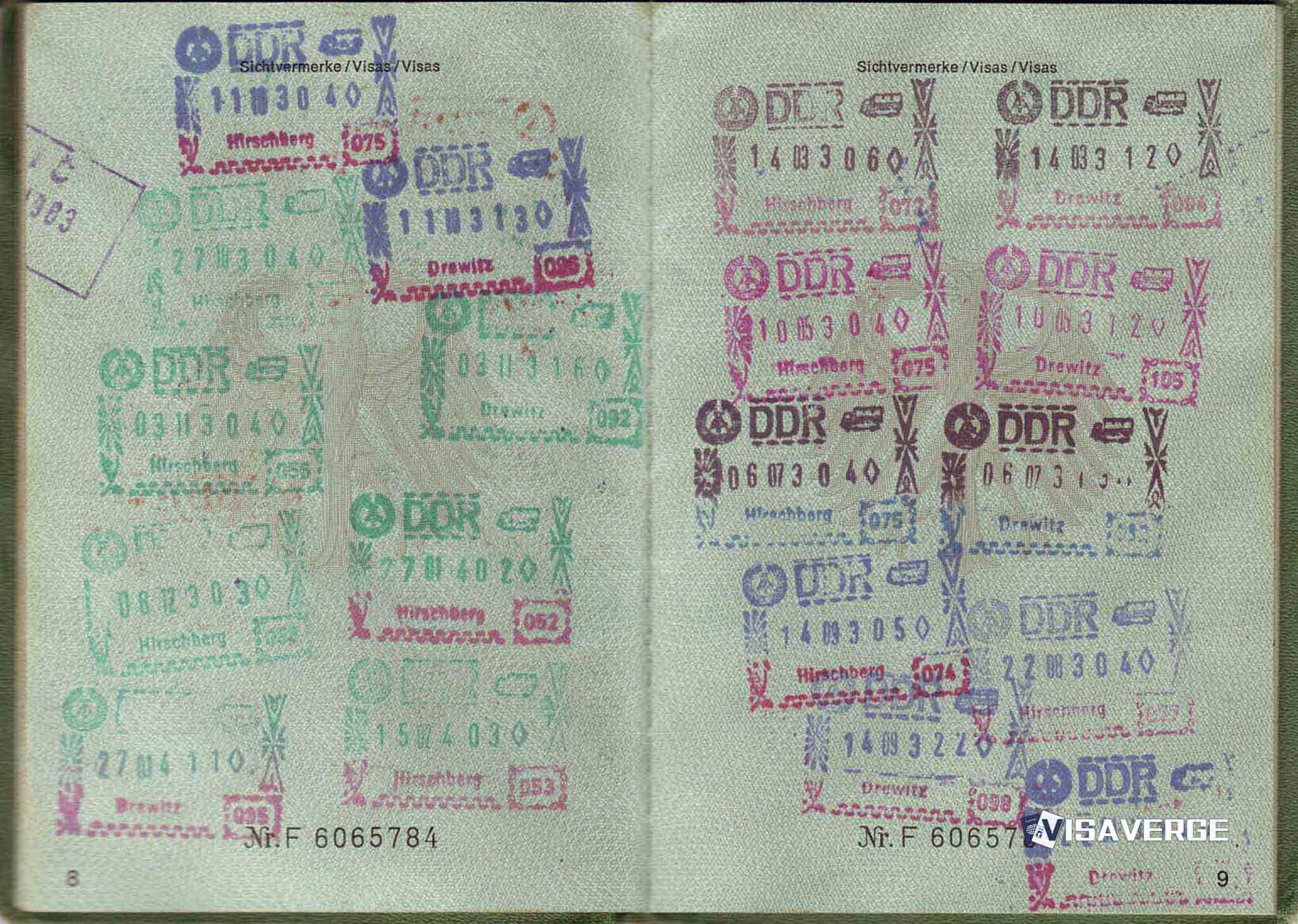
EU authorities are introducing the system under Article 26 of the Convention Implementing the Schengen Agreement. The change moves checks toward electronic verification and away from manual passport stamping as the bloc prepares for full use of the Entry/Exit System.
Under the new process, the Carrier Interface checks a traveler’s status against the Entry/Exit System, or EES, which has been operational since October 12, 2025. Once the European Travel Information and Authorisation System becomes active, the same interface will also verify that authorization for visa-exempt travelers.
That means carriers will no longer rely only on a visual check of travel documents for passengers in scope. They will have to run an electronic query before boarding and act on the result.
For short-stay visa holders, especially those with single-entry or double-entry documents, the system confirms whether authorized entries remain. It returns either OK or NOK EES.
For visa-exempt travelers, the interface will confirm whether a valid European Travel Information and Authorisation System approval exists. That authorization is valid 3 years or until passport expiry.
A NOK response carries direct consequences. After a manual document review, carriers must deny boarding when the result remains NOK.
The rollout has followed a staged timeline. A voluntary phase began on January 9 and runs through April 9, 2026, giving operators time to prepare before the rule becomes compulsory.
From April 10, 2026, use of the Carrier Interface becomes mandatory for all inbound carriers covered by the rules. The requirement does not apply to intra-Schengen journeys or outbound flights.
Another deadline follows later in the year. The EU expects ETIAS to be fully in place in October 2026, when checks through the Carrier Interface will expand to include ETIAS verification, with a 6-12 month grace period for first trips.
Manual stamping is also nearing its end. From October 6, 2026, carriers will verify visas digitally only.
The geographic scope is broad. The requirement covers transport entering Austria, Belgium, Bulgaria, Croatia, Czech Republic, Denmark, Estonia, Finland, France, Germany, Greece, Hungary, Iceland, Italy, Latvia, Liechtenstein, Lithuania, Luxembourg, Malta, Netherlands, Norway, Poland, Portugal, Romania, Slovakia, Slovenia, Spain, Sweden and Switzerland.
Ireland and Cyprus are excluded. The rule covers flights, sea services and coach transport entering the Schengen area from outside it.
The measure affects carriers across different business models, from large airlines to ferry operators and long-distance coach companies. Business aviation operators must also prepare immediately.
Before they can use the system, carriers must register with eu-LISA through its Carriers website form. They must download the Registration Form and email it as part of the process.
Operators then have several ways to connect. They can use a web portal, a mobile app with an MRZ scanner, or an API integration into their own systems.
The choices differ in technical demands. API integration requires pre-compliance testing and certification, while the web portal and mobile app provide more direct routes into the system.
The MRZ scanner option points to how the system will work at the boarding gate or check-in desk. Staff will first inspect a traveler’s documents, determine whether the person falls within scope, and then submit the required data through the Carrier Interface.
That first step matters because not every passenger must be checked through the interface. Exemptions include EU nationals, residents, long-stay visa holders and transport crew.
Carriers must therefore make a document-based decision before they run the electronic check. The requirement covers third-country nationals without residence permits or long-stay visas.
That division is central to compliance. Operators are not being asked to query every passenger, but they are being required to identify which passengers fall within the system and which do not.
Training is part of the mandate. Carriers must train staff in line with eu-LISA guidelines so personnel can identify in-scope travelers, use the system correctly and handle outcomes such as an NOK response.
The legal basis for the operational framework sits in European Commission Implementing Regulations 2022/1380 and 2022/1409. Those rules shape how carriers connect to the system and perform their checks.
The Carrier Interface sits at the center of a wider change in Schengen border management. Instead of relying on passport stamps to show whether a short-stay visa holder still has an entry available, the EES will provide the answer electronically.
That change carries practical consequences for boarding procedures. Airline agents, ferry staff and coach operators will need to obtain the result before travel begins rather than leave the question to border checks after arrival.
The Entry/Exit System is already the first pillar of that model. Its role in the Carrier Interface is to confirm whether a short-stay visa holder still holds valid entries, a function with particular relevance for travelers using single-entry and double-entry visas.
The European Travel Information and Authorisation System will become the second pillar once active. For visa-exempt nationals, carriers will use the same process to check for a valid authorization before boarding them for Schengen travel.
That will bring two separate travel control systems into one boarding-stage workflow. One will deal with entry rights linked to visas through the Entry/Exit System, and the other will deal with prior travel authorization for visa-exempt travelers through ETIAS.
The transition period reflects that complexity. Operators have had from January 9 to April 9, 2026 to use the system on a voluntary basis before the mandatory start.
That preparatory window also gives carriers time to choose their technical route. A large airline may pursue API integration and certification, while smaller operators may rely on the web portal or the mobile app.
Whatever the method, the outcome is the same. Covered carriers must run the pre-boarding verification and deny travel when the system returns NOK after manual document review.
That obligation marks a shift in responsibility. Carriers are assuming pre-boarding verification work that border authorities had previously handled later in the journey.
For travelers, the change means eligibility checks move earlier, to the point of departure. For operators, it introduces a new compliance layer tied directly to boarding decisions and financial risk.
Those risks are explicit. Non-compliance can lead to fines when carriers transport passengers who are not eligible to enter.
The rule also draws a firm line around where the obligation applies. It is for entry into the Schengen area from outside the zone, not for movement within Schengen and not for outbound travel leaving it.
That distinction matters for networks that combine several kinds of journeys. A carrier may face the new requirement on one leg into Schengen while remaining outside the rule on a later intra-Schengen sector.
By October 2026, the system will be carrying even more weight. ETIAS is expected that month, adding another electronic check to the Carrier Interface, while the grace period of 6-12 month for first trips will shape its early use.
Days later, on October 6, 2026, the EU will end manual stamping for this purpose and move to digital visa verification only. At that point, the electronic process will no longer sit alongside stamping as a transition measure.
The schedule leaves carriers with little time to finish preparations before the mandatory phase starts. Registration, technical connection, certification where required, and staff training all need to be in place before April 10, 2026.
For the EU, the system is a transport-side extension of its digital border architecture. For carriers, it is an operational rule with immediate effect at check-in desks, boarding gates, ferry terminals and coach departure points across routes into the Schengen area.