- Major Gulf airlines rerouted and cancelled flights due to escalating Middle East regional airspace closures.
- Carriers introduced flexible waiver policies allowing passengers to rebook or request refunds without additional fees.
- Airlines urge travelers to confirm flight status through official apps before heading to the airport.
(MIDDLE EAST) — Gulf airlines rerouted, delayed and cancelled flights as regional airspace closures linked to escalating tensions in the Middle East forced rapid changes to schedules, prompting carriers to contact passengers directly with new itineraries and waiver options.
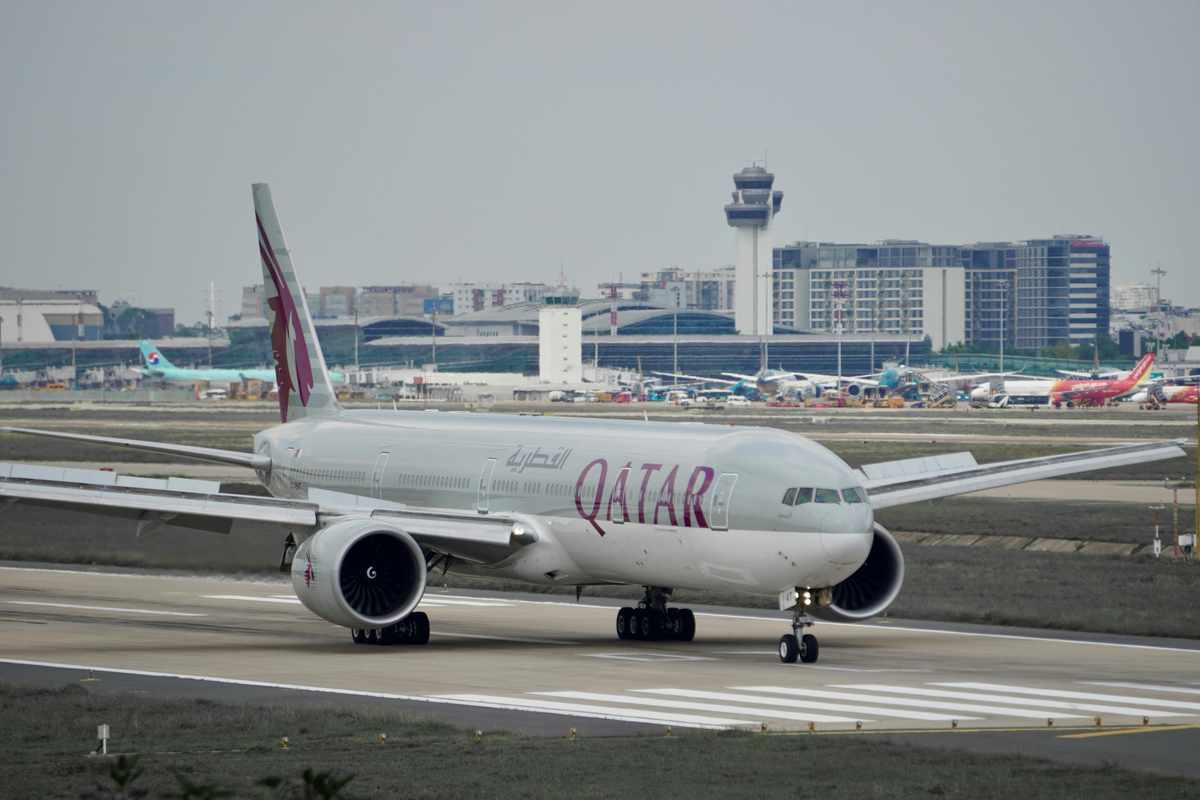
Emirates, Etihad Airways and Qatar Airways intensified customer outreach as restrictions shifted, with airlines warning travelers not to head to airports unless they have a confirmed booking or the carrier has contacted them about revised plans.

Airspace disruptions can cascade quickly across the Gulf’s hub-and-spoke networks, where a single closure can force longer routings that ripple into crew duty-time limits, aircraft positioning challenges and pressure on airport slots as flights arrive late or require different timing.
Those knock-on effects can also complicate recovery, because aircraft and crews may end up out of sequence from their planned rotations, tightening availability even for routes that remain open.
Airlines leaned on direct communication to manage that uncertainty. Etihad Airways sent notifications confirming flight status and outlining available options, urging passengers to keep booking contact details up to date so messages reach the right person.
Carriers across the region also told customers to wait for confirmation before traveling to the airport, a step airlines take when departures may shift or rebookings are still in progress.
Passengers with bookings made through travel agents or third-party platforms faced an added step: ensuring the contact information attached to their reservation remains current, since airlines commonly rely on those details for email, SMS and app-based alerts.
With schedules remaining fluid as airspace restrictions evolve, airlines also pushed travelers toward their official websites and mobile apps for the latest flight information, reflecting how quickly routings and departure times can change during regional disruptions.
Etihad’s waiver policy tied eligibility to ticket issuance and original travel dates, offering free rebooking onto Etihad-operated flights within a set re-accommodation period. The airline said passengers holding tickets issued on or before February 28, 2026, with original travel dates up to March 21, 2026, can rebook free of charge onto Etihad-operated flights up to May 15, 2026.
Etihad also connected its customer policy to its operating posture, saying it resumed a limited commercial flight schedule from March 6, 2026, operating between Abu Dhabi and key destinations, with additional destinations to be added as conditions permit.
Emirates set out its own flexibility window for travelers facing cancellations or schedule changes. Passengers whose flights were cancelled or affected by schedule changes can rebook to the same destination without change fees, and travelers with bookings between February 28 and March 31 can reschedule flights until April 30.
Different waiver windows across airlines reflected how each carrier matched customer commitments to its evolving network, with some able to reopen more routes sooner and others constrained by the operational complexity of reroutes and the availability of crews and aircraft.
Air Arabia offered flexibility on date changes rather than a single re-accommodation deadline, allowing passengers to change their travel date without penalties within 15 days of the original departure date.
flydubai applied eligibility rules tied to booking dates and offered a rebooking window tied to the original travel date. Passengers whose bookings were made between February 28 and March 31 can rebook within 30 days of their original travel date without penalties.
Across carriers, waiver language focused on keeping customers moving while avoiding airport congestion and long queues at counters, a risk airlines try to reduce by shifting changes into digital channels and by spacing travelers across alternative flights once routing stabilizes.
Refund policies formed a second track for passengers who opted not to travel or could not find acceptable alternatives. Major carriers said they offer full refunds for cancelled flights, reflecting a standard approach when the airline cancels a service.
Etihad directed passengers toward different refund pathways depending on how the ticket was purchased, with customers able to use an online form or work through the travel agent who issued the booking. Etihad passengers can request refunds through the airline’s online refund form or through their travel agent.
Air Arabia offered passengers multiple options when flights are affected, including a full refund to the original payment method, a travel credit voucher for future trips, or rebooking where available.
flydubai’s approach could depend on fare conditions, with the airline typically issuing refunds as travel vouchers rather than cash, depending on ticket type.
The variation in refund form—cash back to the original payment method, credits, vouchers, or rebooking—can matter for passengers juggling time-sensitive needs, but airlines framed the choice around what is available for a given fare and what the customer prefers once a cancellation is confirmed.
Operational updates remained closely tied to safety and regulatory criteria, with airlines saying they would only operate flights once all safety criteria are met and while they continue monitoring regional airspace conditions.
Etihad’s restart proceeded on a limited basis, and the airline said it resumed services gradually as conditions permit, reporting a network of approximately 25 destinations as aviation services gradually restarted.
Emirates signaled an ambition to move quickly back toward normal operations, saying it is aiming to return to 100% flight capacity in the coming days as routings stabilize.
Even as airlines work to restore capacity, the day-to-day reality for many passengers has been shifting itineraries and repeated updates, with direct airline messages increasingly determining when to leave for the airport and which flight will ultimately operate.
That operational caution also shaped airline requests that travelers monitor official channels, because a flight that appears on a booking can still be subject to timing changes when aircraft are rerouted around closed airspace and when airports adjust slots to accommodate revised arrival and departure banks.
For Gulf hubs, where tight connections and coordinated banks of arrivals and departures help move passengers across continents, longer routings can compress turnaround time on the ground and strain schedules, making it harder to protect connection times even when flights eventually operate.
Airlines’ emphasis on confirmed itineraries before traveling also reflected the practical burden of handling disruption at airport counters, where staff must resolve complex cases in real time while new advisories may still be changing the options available.
In the near term, the scale of disruption depended on how quickly airspace restrictions shifted and how widely they affected routings, but the immediate passenger-facing message across Emirates, Etihad Airways and Qatar Airways stayed consistent: watch official updates, wait for confirmation, and use the rebooking and refund options tied to each carrier’s eligibility windows.
As carriers add destinations back into their schedules and push toward fuller capacity, airlines continued to frame their operating decisions around ongoing monitoring of airspace conditions and the requirement to meet safety criteria before resuming or expanding services.