(DUBAI, UNITED ARAB EMIRATES) — Dubai Airports suspended all flight operations at Dubai International Airport and Al Maktoum International Airport until further notice on February 28, 2026, after regional airspace closures triggered by U.S.-Israeli strikes on Iran and subsequent Iranian missile retaliations across Gulf states.
Airport operators told passengers not to travel to either Dubai International Airport (DXB) or Al Maktoum International Airport (DWC) and to contact their airlines directly for updates, rebooking, or refunds, throwing departures, arrivals and connections through one of the world’s busiest hubs into abrupt uncertainty.
Dubai Airports described the halt as an “exceptional precautionary measure amid evolving regional security developments.” Officials did not announce a timeline for resuming service.
The suspension took effect as of February 28, 2026, as multiple countries in the region closed or restricted airspace, forcing carriers to cancel, reroute or divert flights and stranding travelers mid-journey.
Airlines across the Gulf and beyond rapidly adjusted schedules as restrictions spread across corridors that normally feed traffic into DXB, a central transfer point for long-haul travel between Europe, Asia and Africa. Many passengers faced missed onward flights, rebooking queues and shifting advisories that changed over hours.
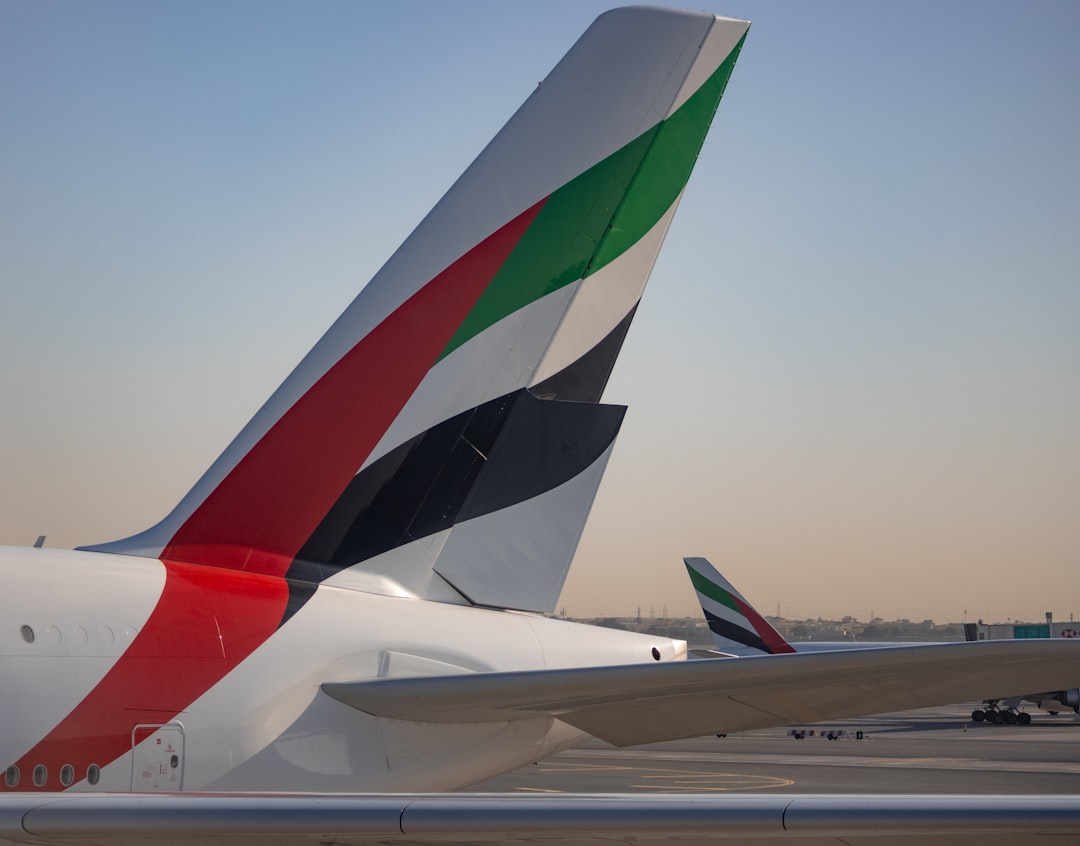
Emirates cancelled all operations to and from Dubai during the suspension window, citing multiple regional airspace closures. The airline said its suspensions lasted at least until 11:00 p.m. local time on February 28.
Flydubai also suspended operations and said it was monitoring the situation with authorities and adjusting schedules accordingly. The carrier’s cancellations included flights to Tehran, Lar, Mashhad, and Tel Aviv, adding to disruption for passengers who use Dubai as a stopover for regional and intercontinental journeys.
Dubai’s shutdown reverberated beyond the UAE because both Emirates and Flydubai handle large volumes of connecting traffic through Dubai International Airport. With DXB and DWC closed, passengers with onward itineraries faced broken connections and uncertainty over where aircraft and crews would be positioned once restrictions lift.
Across the region, Qatar Airways suspended flights to and from Doha and said it expected delays upon resumption, highlighting the knock-on effects from congestion and aircraft displacement even after airports reopen.
Air Arabia cancelled flights to and from its UAE bases in Abu Dhabi, Sharjah, and Ras Al Khaimah, widening the impact beyond Dubai. Turkish Airlines suspended flights to Lebanon, Syria, Iraq, Iran, and Jordan until March 2, and to Qatar, Kuwait, Bahrain, the UAE, and Oman on February 28.
British Airways suspended flights to Tel Aviv and Bahrain until next week and cancelled flights to Amman on February 28, as disruptions spread across routes that normally traverse Gulf airspace. One Dubai-bound British Airways flight returned after 3 hours on tarmac.
United Airlines diverted or returned flights to Tel Aviv and Dubai and cancelled U.S.-Tel Aviv service through Monday and U.S.-Dubai service through Sunday, while issuing waivers. Other carriers also cancelled or rerouted, including EgyptAir, Lufthansa, Air France, KLM, Saudia, Indigo, Air India, Wizz Air, Virgin Atlantic, Delta, Air Canada, Eurowings, Finnair, and Swiss.
For passengers, the immediate practical question became whether to seek refunds, accept rebooking, or take credits or waivers, options that vary by airline and fare rules. Airlines and airport operators urged travelers not to go to DXB or DWC during the suspension and to rely on airline apps and websites for status updates.
Travelers also faced potential out-of-pocket costs as disruptions cascaded, especially those stuck away from home or mid-connection. Airlines typically require documentation when passengers later seek reimbursement, and written confirmations and receipts can matter when pursuing duty-of-care claims during large-scale disruptions.
The shutdown followed escalating military actions and retaliatory strikes that upended the aviation map across the Gulf. U.S. and Israeli strikes hit Iranian military infrastructure in an operation the U.S. military named Operation Epic Fury, which President Donald Trump described as “major combat operations.”
Israel’s Defence Ministry called the strikes pre-emptive. Iran retaliated with ballistic missile barrages targeting U.S. bases, including Al Dhafra Air Base in the UAE, Al Udeid Air Base in Qatar, and the U.S. Fifth Fleet in Bahrain’s Juffair district.
Explosions and intercepts occurred in Abu Dhabi, including Saadiyat Island and Khalifa City, as well as in Dubai, Doha, and Manama, with UAE air defenses intercepting missiles. Debris killed at least one person in Abu Dhabi.
UAE, Qatar, Bahrain, Kuwait, Oman, Iran, Iraq, and southern Syria closed or restricted airspace, squeezing routes that typically support heavy flows into Dubai International Airport. Dubai Airports and airlines repeatedly framed the halt as safety-driven, with shifting conditions and no firm restart time announced.
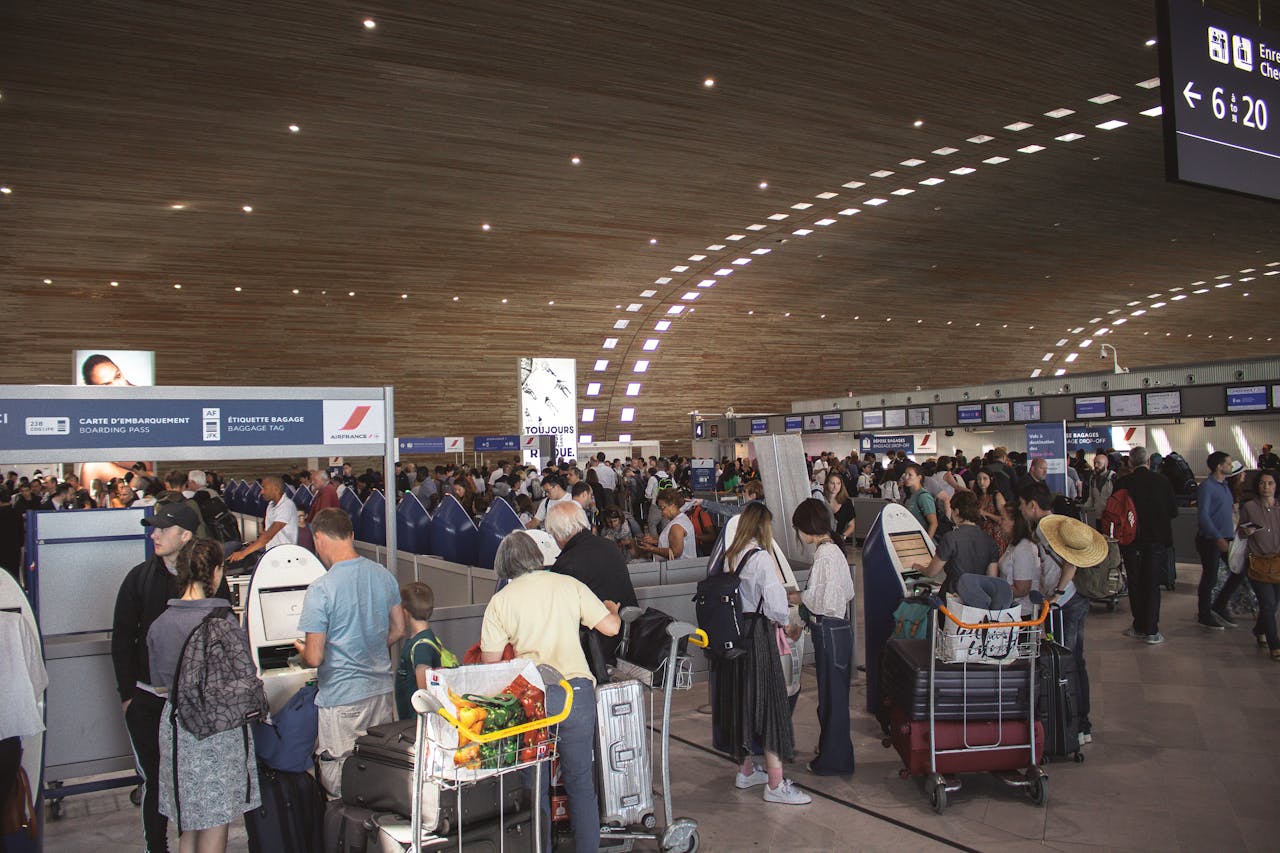
On the ground at DXB, some travelers described confusion as flights stopped and terminals filled with stranded passengers. Mike Boreham, a British passenger, reported chaos at Dubai International Airport, with hundreds stranded after mass deplanings and baggage delays.
Dubai Airports and airlines urged passengers to watch for official resumption notices, rebooking instructions, and updated departure control information in airline apps as operations remain suspended until further notice. With Emirates, Flydubai and dozens of other carriers adjusting in real time, travelers faced a fast-changing picture anchored to the status of regional airspace restrictions.
Dubai International Airport Suspends Flights as Emirates and Flydubai Halt Operations
Dubai’s major airports have suspended all operations indefinitely due to regional conflict involving U.S., Israeli, and Iranian forces. The closure has triggered a global aviation crisis, with major carriers canceling long-haul connections. Passengers are urged to stay away from terminals while airlines manage massive backlogs. The situation remains fluid as military actions in the Gulf continue to dictate airspace availability and safety protocols for international travel.