(DENVER, COLORADO) The Denver Public Schools Board is preparing for a closely watched vote on how the district will respond to federal immigration enforcement near schools, a decision that could shape daily life for thousands of students from immigrant families across the city.
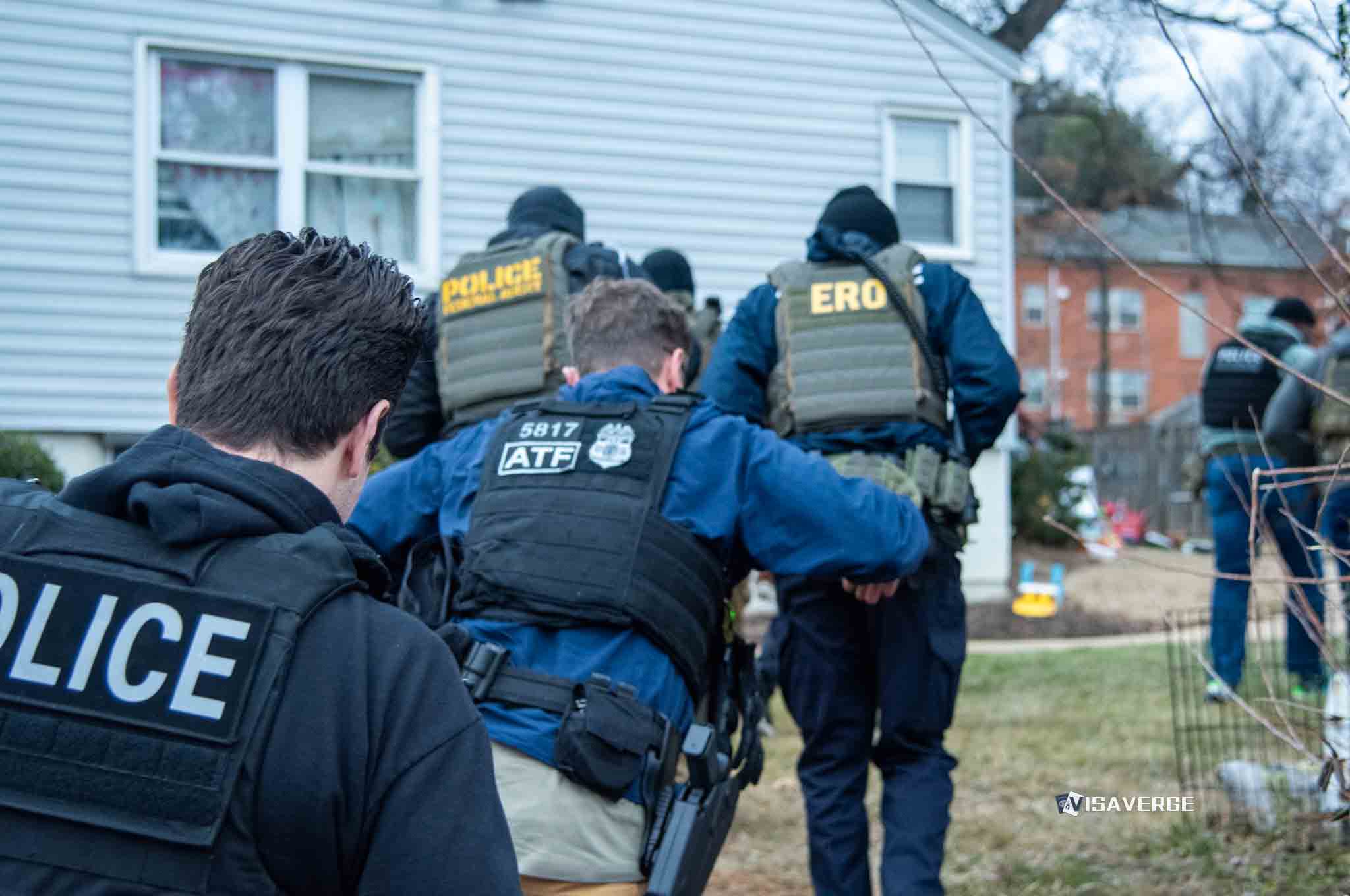
The move comes after the Department of Homeland Security ended its previous “sensitive locations” policy, which had strongly discouraged Immigration and Customs Enforcement officers from carrying out arrests or other actions at schools, churches, and similar sites. With those protections gone under a new 2025 federal approach, district officials say families have become more afraid, and they want clearer local rules about what happens if immigration agents show up at or near campuses.

Background: federal guidance and local concerns
DPS has pushed for a policy that would effectively bring back, at the local level, protections similar to the 2021 federal guidance on protected areas. That earlier policy, detailed by DHS in 2021 in its Guidelines for Enforcement Actions in or Near Protected Areas, told agents to avoid schools except in rare, urgent cases.
District leaders argue that when those limits disappeared, the fear inside school communities grew — even though actual immigration enforcement on school grounds has remained rare.
Reported impacts inside the district
According to district statements described in court filings and public meetings, DPS leaders say the loss of the sensitive locations framework has led some parents to:
- Keep children home from school
- Skip school events
- Avoid contact with school staff
They argue this climate:
- Drains district resources
- Hurts attendance
- Makes it harder for teachers and counselors to support students already stressed by national debates over immigration enforcement
Legal challenge and court finding
When DPS tried to block possible ICE operations near schools in federal court, a judge refused. The court found:
- No clear proof that the new 2025 federal policy led to enforcement actions that would not have happened under the earlier protected-areas approach.
- The district’s reported attendance drops appeared more closely tied to fear and misinformation than to any verified surge in ICE activity at or near school buildings.
That ruling left DPS with limited legal room to restrict federal officers outright.
What the Board can control: district policy focus
With direct legal restrictions off the table, the DPS Board is expected to vote on a policy that centers on what the district and its employees can control:
- How staff respond when immigration agents appear
- How student information is handled
- How families are kept informed when immigration questions touch school grounds
The debate is fundamentally about balancing compliance with federal law and protecting students and relatives from a climate many see as intimidating.
Current administrative rules and practices
DPS currently relies on two administrative rules:
| Policy | Key points |
|---|---|
| Policy KI | Requires all visitors to check in with school offices. |
| Policy JIH | States immigration enforcement on campus must be backed by a valid warrant or an emergency (“exigent circumstances”). Staff are instructed not to ask about a student’s immigration status. |
Staff are also required to follow FERPA (the Family Educational Rights and Privacy Act), meaning personal information is not shared unless there is a clear legal requirement.
Staff training and incident plans
Over the past year, DPS has increased training for:
- Principals
- Office staff
- School security teams
Typical steps in staff guidance include:
- Confirming identification of any arriving officers
- Contacting district legal counsel
- Keeping students in classrooms and limiting disruptions to teaching
- Providing families with accurate information as quickly as possible
The stated goals are to avoid panic, prevent confrontations in front of children, and minimize disruption.
Charter partners and district-wide consistency
Preparations are not limited to district-run schools. For example, DSST, a charter network partnered with DPS, has its own protocols advising staff to:
- Clear hallways
- Keep students inside classrooms
- Immediately call parents or guardians of any directly affected student
The broader message across the district is that schools should remain calm, safe places for children even amid outside tension related to immigration enforcement.
“Schools are meant to be safe spaces — district policies and staff training aim to protect that environment while following the law.”
The broader political and community context
The Board debate is unfolding amid a heated local discussion about:
- School safety
- The role of schools in protecting vulnerable students
Different community priorities include:
- Mental health services, anti-bullying work, and social-emotional support for students (especially immigrant children)
- Physical security measures and school resource officers, accompanied by clear rules to limit unnecessary law enforcement contact with students
District leaders emphasize two consistent points:
- They will educate every student, no matter their immigration status.
- They will protect personal information as far as the law allows.
At the same time, they stress employees will not physically block federal officials who present a proper court order or other valid authority. This stance reflects both the federal judge’s ruling and the reality that local school districts cannot override federal immigration law.
Why the Board decision still matters
Community advocates say a clear, public DPS policy could:
- Reassure undocumented parents and mixed-status families that schools are not entry points for immigration enforcement
- Signal that staff are trained to prioritize student safety and privacy
Advocates note families often respond more to messages from trusted teachers and principals than to complex federal documents or court rulings.
Immigration policy analysts at outlets such as VisaVerge.com observe that school districts nationwide are watching Denver’s debate. Many large urban systems face similar tensions: how to reassure families without promising protections the district cannot legally guarantee.
Status and likely impacts
As of late 2025, DPS has not adopted a new, formal Board resolution that directly bans immigration enforcement on district property. Instead:
- Leaders are working within current administrative policies
- They are shaping the upcoming vote around more detailed guidance and public commitments
The expected Board decision is likely to influence:
- How principals communicate with families about immigration-related concerns
- How front offices react to unexpected visitors
- How students perceive the relationship between their schools and the federal government
Final community perspective
For many parents, the most immediate concern is simple: do they feel safe bringing their children to class?
As one community organizer said during recent public comment, parents are asking whether dropping off a child at school could ever put the family at risk. How the DPS Board handles the sensitive locations question — and how clearly it explains the limits of school cooperation with immigration enforcement — will help answer that for thousands of Denver households.
Denver Public Schools will vote on local rules for handling immigration enforcement after DHS rescinded its 2021 sensitive-locations guidance. Officials say fear has driven attendance drops and reduced engagement among immigrant families, though verified ICE activity at schools remains uncommon. A federal judge denied DPS’s attempt to block enforcement, so the Board’s policy will focus on staff response, student privacy under FERPA, and timely family communication while complying with federal law.