Passengers whose Thanksgiving 2025 trips were ruined by emergency repairs on Airbus A320 jets will not receive government‑mandated help with hotels, meals, or cash, the U.S. Department of Transportation said in a clarification that has upset many holiday travelers, including thousands of immigrants flying to see family in the United States 🇺🇸 for the first time in years. The decision means that people stranded overnight or forced to miss long‑planned reunions cannot rely on federal rules to claim compensation from airlines, even when their entire journey fell apart.
What happened — timeline and scope
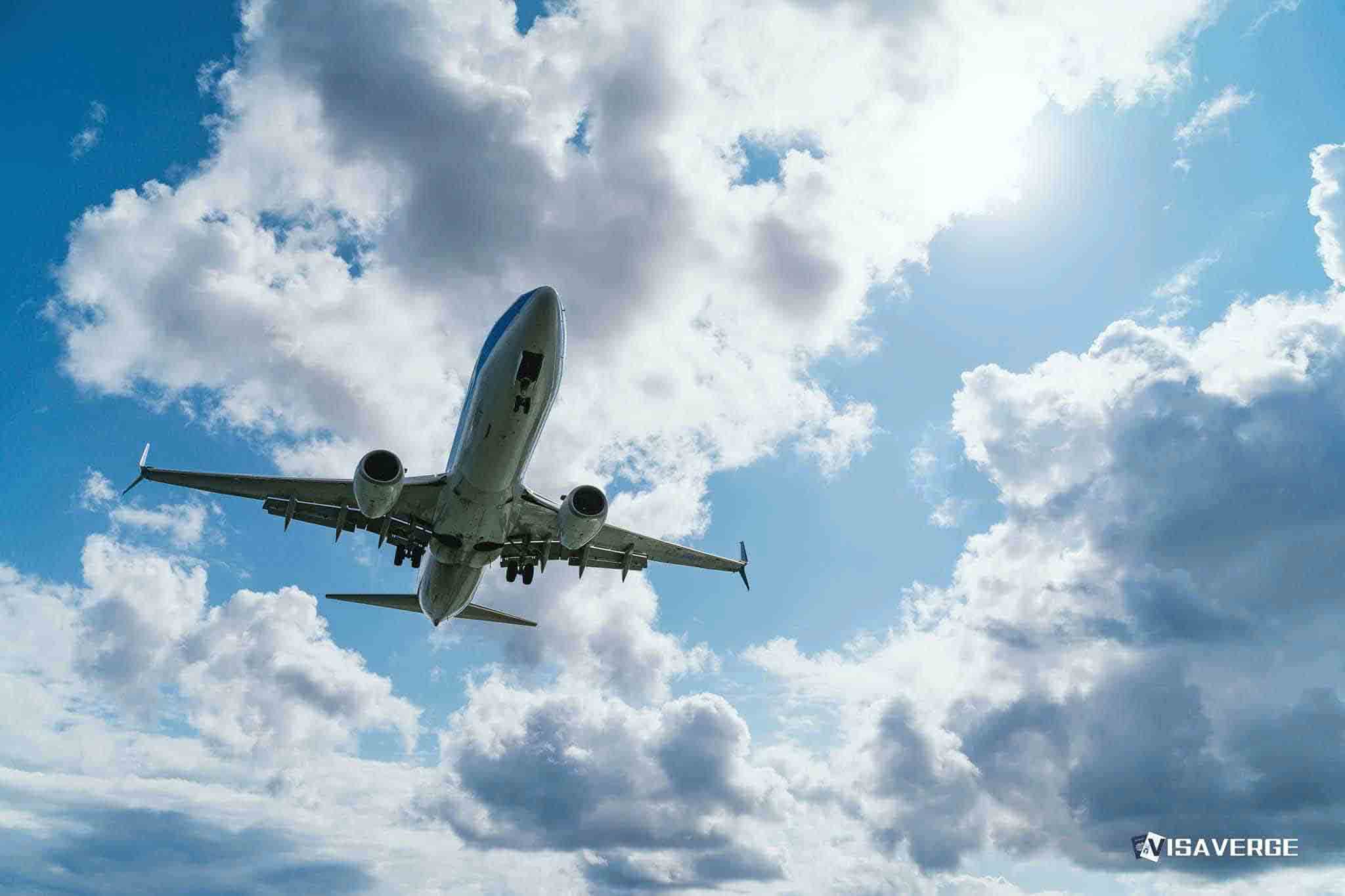
- On November 28, 2025, Airbus issued an urgent safety notice warning that “intense solar radiation” could corrupt flight control data on A320‑family aircraft.
- Airlines were told to install software updates immediately.
- Carriers delayed or canceled hundreds of flights during the peak Thanksgiving rush while technicians worked overnight to load the fix.
- Most airlines completed the update by December 1, but by then millions of passengers had already experienced missed connections, unexpected overnight stays, or long delays at crowded airports.
Key quote from Airbus notice
“Intense solar radiation” could corrupt flight control data on A320‑family aircraft.
Why the Department of Transportation says no mandated help
The Department of Transportation (DOT) explained that the delays resulted from “unscheduled maintenance in response to an airworthiness directive that cannot be deferred or must be addressed before a flight,” placing the cause outside airline control.
Because of that legal distinction, the DOT said these events do not count as airline‑caused disruptions under current U.S. rules. That matters because federal policy only expects airlines to offer compensation when the cause is something they can reasonably prevent — for example:
- Staffing problems
- Poor scheduling
- Certain mechanical issues tied to long‑term maintenance planning
How this affected travelers — who suffered most
The timing hit immigrant communities especially hard. Many green card holders, temporary workers, international students, and mixed‑status families save for months to book Thanksgiving trips that align with school breaks and limited vacation days.
- Some travelers lost non‑refundable train tickets or local hotel bookings at their final destinations.
- Others missed immigration‑related appointments planned around the holiday, such as naturalization ceremonies or meetings with lawyers before filing deadlines.
- With no guaranteed compensation, these additional costs fall entirely on the travelers.
Policy context — abandoned proposed rule
Officials confirmed that the Trump administration has formally abandoned a Biden‑era proposed rule that would have required airlines to pay passengers when delays of more than three hours were clearly the carrier’s fault.
- If finalized, the proposal could have created automatic cash payments in many situations, similar to systems in Europe.
- Instead, U.S. law remains far more limited: airlines may offer vouchers, meal credits, or hotel stays as customer service, but there is no federal requirement that they do so.
Analysis on who is most affected
According to an analysis by VisaVerge.com, the dropped Biden proposal is especially important for immigrants and low‑income travelers, who:
- Tend to have less flexible work schedules
- Have fewer savings to absorb sudden costs
Without a binding rule, responses vary widely by airline. During the A320 fix:
- Some carriers quietly handed out meal vouchers or rebooked passengers on partner airlines.
- Others offered little beyond a seat on the next available flight, which during Thanksgiving week could mean waiting days.
International response and differences
The issue spread beyond the U.S. The European Union Aviation Safety Agency issued its own airworthiness directive for A320‑family jets, ordering a similar software change.
- This caused cancellations and delays across Europe.
- Under European Union passenger rights rules, airlines must provide basic care when flights are canceled or badly delayed, including meals and hotel rooms where needed.
- But because the cause was a strict safety requirement, European travelers are also unlikely to receive cash compensation, for the same reason regulators view the grounding as outside carriers’ control.
What passengers can and cannot claim
For travelers trying to understand their rights, the landscape is confusing. The DOT explains passenger rights on its official aviation consumer website, including when refunds are required and when they are not.
- The agency’s guidance is available through the DOT’s Aviation Consumer Protection page.
- It makes clear that safety‑related groundings tied to an airworthiness directive fall into a special category where airlines are not forced to provide hotels, meals, or other out‑of‑pocket support.
- A forced refund of the unused flight segment may still apply in some cases, but that is different from receiving extra help for real‑world costs of being stranded.
Perspectives: airlines vs. consumer advocates
Airlines’ position:
– Treating emergency safety work like normal scheduling failure would create perverse incentives.
– If carriers feared large payouts every time they grounded aircraft after an airworthiness directive, they might delay safety fixes instead of acting immediately.
– Regulators share this worry and therefore drew a firm line around the A320 repairs to avoid creating a financial reward for delaying essential maintenance.
Consumer advocates’ position:
– The system leaves passengers bearing almost all the risk, particularly those with tight immigration timelines and limited budgets.
– Travelers do not choose aircraft models or control how quickly a carrier responds to a safety alert.
– From a passenger’s perspective, a canceled A320 flight often feels no different from a cancellation due to poor crew planning, yet only in the latter case might airlines face stronger pressure to offer compensation beyond rebooking.
Practical takeaways and advice for travelers
If you are booking trips near busy seasons, consider the following:
- Check airline policies carefully beforehand.
- Consider travel insurance that specifically covers delays and cancellations from a range of causes.
- Be aware many insurance policies treat airworthiness directive events differently, or exclude them altogether.
Summary:
– Regulators will likely continue to put safety first.
– Travelers — especially those juggling visas, status deadlines, and long‑awaited family visits — often end up carrying the financial and emotional cost when safety and passenger comfort collide.
Airbus issued an urgent Nov. 28, 2025 safety notice requiring immediate A320 software updates, prompting hundreds of cancellations during Thanksgiving. The DOT says these actions are unscheduled maintenance tied to an airworthiness directive, so airlines are not federally obligated to provide hotels, meals, or cash. Some carriers offered discretionary vouchers or rebooking, but immigrants and low‑income travelers bore many costs. Europe faced similar directives; EU rules mandate basic care but often exclude cash compensation for mandatory safety fixes.
Live Government Data
State Dept • CBPBusiest Border Crossings
- Nogales 150 min
- Nogales 120 min
- El Paso 95 min