Key Takeaways
01
DHS extends EAD renewal period from 180 to 540 days, effective January 13, 2025, aiding noncitizens and employers.
02
The rule alleviates USCIS processing backlogs, enhancing employment stability and supporting U.S. economic growth.
03
Eligible applicants must timely renew EADs, maintaining work authorization with a receipt notice during processing delays.
On December 10, 2024, the Department of Homeland Security (DHS) officially announced a substantial change in employment authorization policies. This change increases the automatic extension period for Employment Authorization Document (EAD) renewals from 180 days to 540 days. Set to take effect on January 13, 2025, this rule aims to improve stability for noncitizens, their employers, and the broader U.S. economy.
Background and Context
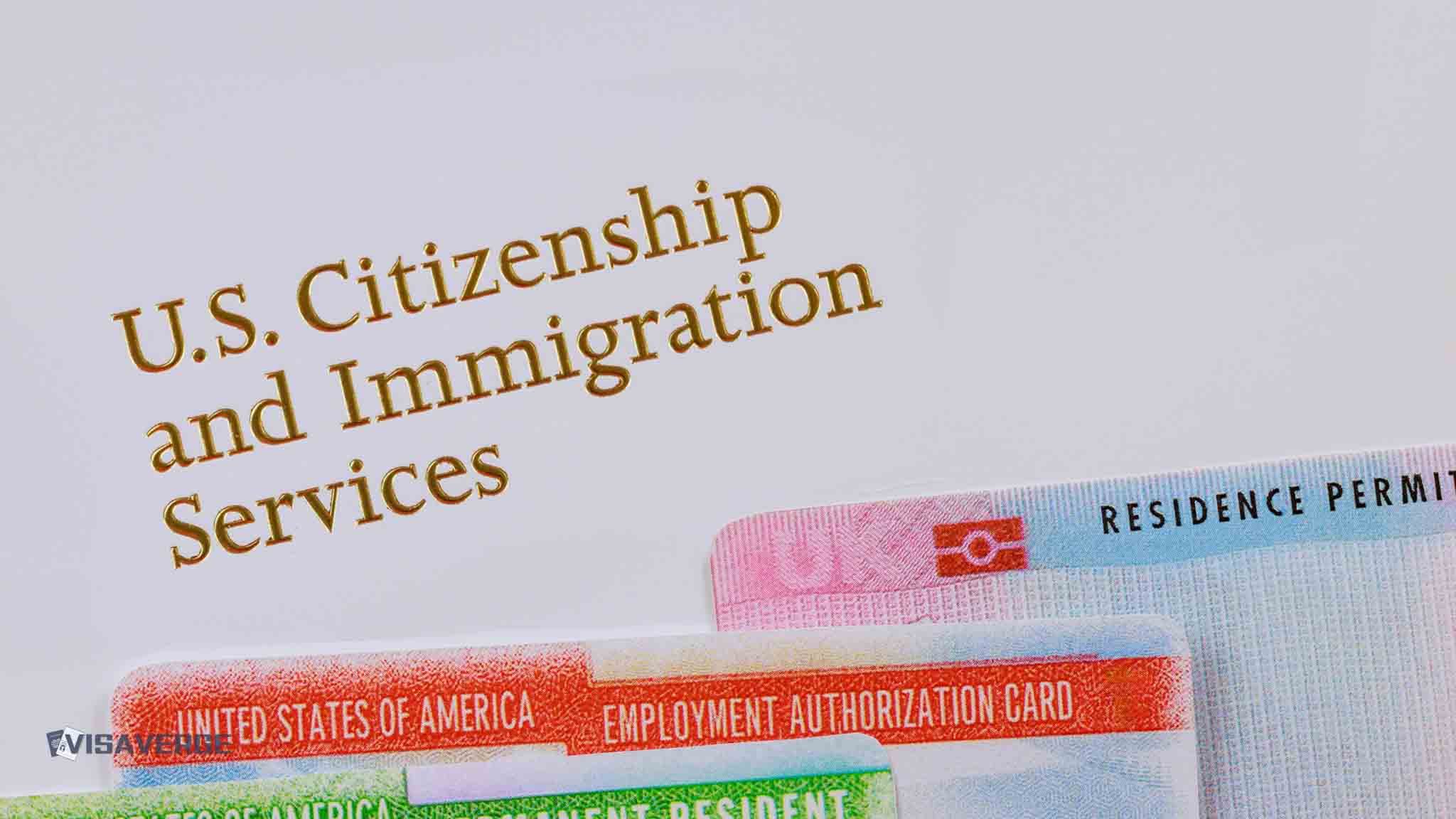
The Employment Authorization Document (EAD) is vital for noncitizens in the United States. It allows them to work legally while waiting for decisions on their immigration or other applications. Before this change, the automatic extension for EAD renewals was capped at 180 days. Due to processing backlogs at U.S. Citizenship and Immigration Services (USCIS), many faced lapses in their work authorization, creating disruptions for both workers and employers. Recognizing these challenges, DHS temporarily extended this period to 540 days in May 2022. The temporary measure was extended several times, prompting DHS to make this change permanent.
Key Features of the Final Rule
- Extended Automatic Renewal Period
- The rule permanently increases the automatic extension period from 180 days to 540 days for EAD renewals.
- It applies to those who file Form I-765, Application for Employment Authorization, before their current EAD expires.
- Eligibility Requirements
- Applicants must submit a timely renewal application before their current EAD expires.
- Renewals must be in the same work authorization category as the current EAD or based on Temporary Protected Status (TPS).
- The rule does not introduce new eligibility categories; it only applies to those already eligible under current regulations.
- Effective Date
- The rule takes effect on January 13, 2025.
- It applies retroactively to eligible applicants with pending or timely filed renewal applications submitted on or after May 4, 2022.
- Proof of Work Authorization
- An expired EAD will be considered valid when accompanied by a Form I-797C receipt notice that confirms a timely renewal application.
- Employers may use DHS’s Automatic Extension Eligibility Calculator to verify eligibility for I-9 Employment Eligibility Verification.
Implications of the Rule
- For Noncitizens
The permanent extension offers essential support for noncitizens who depend on timely EAD renewals to sustain their employment. By reducing the risk of work authorization lapses, eligible individuals can continue supporting their families and communities without interruption.
-
For Employers
Employers see reduced administrative burdens and more certainty in workforce retention. The 540-day extension minimizes disruptions from USCIS processing delays, ensuring a steady operation of businesses.
-
For the U.S. Economy
The rule supports economic growth by facilitating business operations and allowing companies to fill critical positions more effectively. DHS Secretary Alejandro Mayorkas highlighted the creation of over 16 million jobs since January 2021, emphasizing this rule’s role in supporting this growth by removing barriers for employers.
-
For USCIS
The new rule eases pressure on USCIS by providing more time to process renewal applications, reducing gaps in employment authorization. This aligns with broader USCIS goals to enhance process efficiency and reduce backlogs.
Addressing Processing Backlogs
USCIS has long faced processing delays, with some applicants waiting over 16 months due to increased demand and staffing shortages. By extending the automatic renewal period, DHS aims to ease the burden of these delays while working on broader improvements in processing times. Efforts include halving the EAD processing times for certain applicants and extending EAD validity periods for specific categories.
Limitations of the Rule
Despite its benefits, this regulation has limitations:
- It does not cover first-time EAD applicants; only those renewing an existing EAD qualify.
- The list of eligible work authorization categories remains unchanged.
- Processing backlogs still pose challenges that require further systemic improvements.
A central aspect of this rule is its impact on USCIS, where the pressure of quick EAD renewals has been a significant bottleneck. According to analysis from VisaVerge.com, this rule assists USCIS by allowing additional time to process renewals without causing employment gaps for workers. This aligns with USCIS’s broader attempts to streamline processes and reduce wait times.
The focus on providing more time for USCIS processing is critical. With persistently high backlogs, this 540-day extension offers a practical solution. It reduces the immediate pressure on USCIS and gives applicants and employers breathing room, which is essential for managing transitions and ensuring that the workforce remains stable and productive.
Conclusion
The permanent increase in the automatic extension period for EAD renewals from 180 to 540 days is a significant shift in U.S. immigration policy. By tackling the persistent issue of processing delays, this rule provides critical stability for noncitizens and employers, supporting overall economic growth. This adjustment signifies meaningful progress toward minimizing obstacles in immigration and enhancing inclusivity in the workforce.
For more information on EAD renewal processes, you can visit the official U.S. Citizenship and Immigration Services page. Additionally, for those interested in seeking Temporary Protected Status (TPS) and its impact on EAD eligibility, specific guidelines are available on the TPS section of the USCIS website.
In implementing this rule, DHS continues its efforts to make the U.S. immigration system more efficient and responsive to modern needs. The 540-day automatic extension helps safeguard against employment disruptions, a move that benefits the economy and the immigrant community. This change is not an end-point but a step towards a more comprehensive reform in employment authorization processes. As this policy goes into action, DHS and USCIS are expected to explore further refinements to ensure the immigration system meets evolving demands faithfully.
As noncitizens and employers prepare for this change, understanding and utilizing the available tools, like the Automatic Extension Eligibility Calculator, will be crucial in navigating the updated landscape of employment authorization. Ensuring compliance with these updated rules will pave the way for a smoother, more predictable system for all affected parties.
If you are affected by this change, it is recommended to review your personal situation with a legal professional to ensure full compliance with the new regulation. While this guide provides an overview, only professional legal advice can account for the specifics of individual cases.
Learn Today
EAD (Employment Authorization Document): A document allowing noncitizens to work legally in the U.S. while awaiting immigration decisions.
USCIS (U.S. Citizenship and Immigration Services): Government agency overseeing lawful immigration processes, including work permits and citizenship applications.
Temporary Protected Status (TPS): A temporary immigration status given to eligible nationals of designated countries experiencing issues like conflict or disaster.
Form I-765: Application form used by noncitizens to request employment authorization or renew their Employment Authorization Document.
Automatic Extension Eligibility Calculator: A DHS tool for employers to verify an employee’s eligibility for I-9 Employment Eligibility Verification with extended EAD renewals.
This Article in a Nutshell
On December 10, 2024, the Department of Homeland Security announced a major policy shift: extending Employment Authorization Document renewals from 180 to 540 days, effective January 13, 2025. This change ensures stability for noncitizens and employers, easing bureaucratic burdens and supporting continued economic growth despite ongoing USCIS processing backlogs.
— By VisaVerge.com
Read more:
• Can H-1B Petitioner Expedite H-4 EAD by Amending Petition?
• India Surpasses China as Leading Source of U.S. International Students
• Diversity Visa Program Application Deadline: November 7
• Indians Lead in Germany’s 2024 Opportunity Card Issuance
• EU Leaders Suggest Migrant ‘Hotspots’ Outside Europe