- Dubai airports resumed limited operations on March 5, 2026, amid ongoing regional airspace closures.
- Authorities issued a Depart Now advisory urging passengers to arrive only with confirmed flight bookings.
- Major carriers like Emirates remain mostly suspended until March 7, causing widespread travel disruptions.
(DUBAI, UAE) — Amid Middle East Tensions”>Dubai Airports reopened as Emirates and Flydubai Halt Operations”>Dubai International Airport and Al Maktoum International Airport with limited operations on March 5, 2026, as authorities issued a “Depart Now” advisory that signaled tight passenger flow controls amid continuing regional disruptions.
Airport authorities reported only a small number of departures operating, while most flights remained cancelled because of ongoing airspace closures. Airlines urged passengers not to arrive without confirmed bookings, warning that schedules could change quickly.
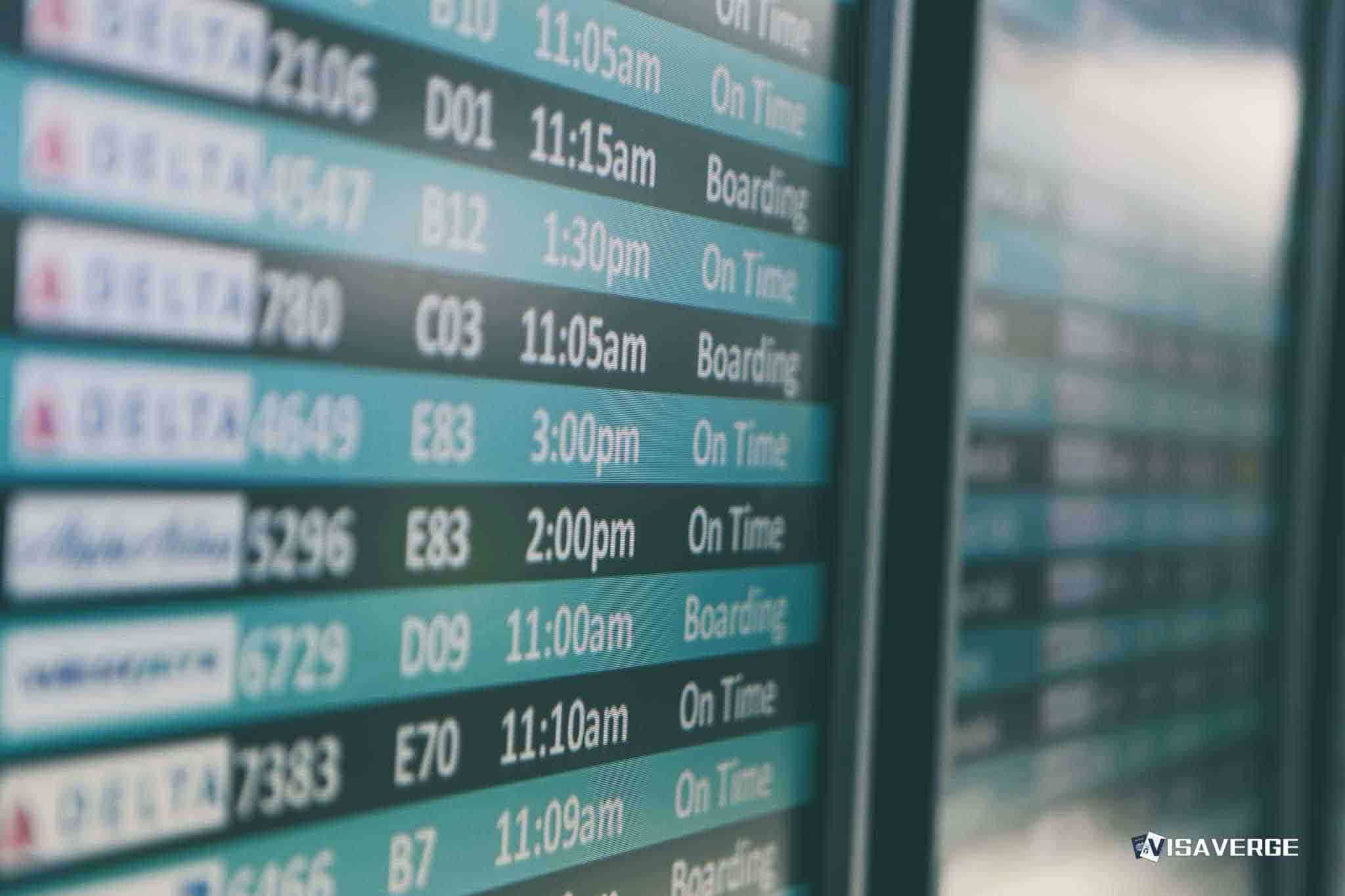
The “Depart Now” advisory, issued as the airports resumed limited operations, pointed travelers toward leaving when they had a confirmed and current departure plan rather than coming to the terminals to wait. The message also reflected limited capacity as flight networks struggled to restart in the same airspace conditions that drove the earlier disruptions.
Dubai’s two airports—Dubai International Airport, known as DXB, and Al Maktoum International Airport, known as DWC—returned to service in a restricted posture rather than a full reset. Passenger access and check-in timing became central to keeping terminals from crowding as airlines adjusted to cancellations and uneven operating windows.
Emirates, Dubai’s flagship carrier, suspended most services through March 7, 2026, except for limited flights. The airline’s constraints underscored how a hub can reopen while its largest operator still cannot run normal schedules.
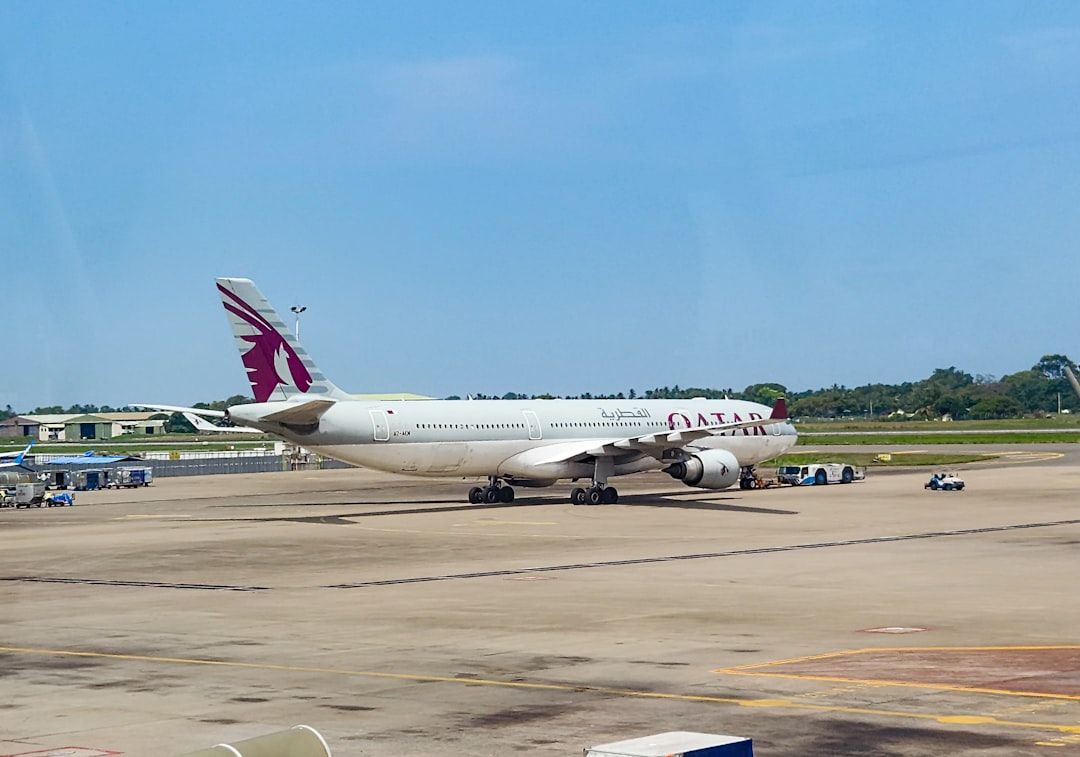
IndiGo began limited operations, offering some movement even as the wider system remained unstable. Etihad and Qatar Airways remained fully suspended in the period described, leaving fewer options for travelers trying to rebook across the region.
Across the region, over 12,000 flights have been cancelled or heavily disrupted. The scale of disruption meant even travelers with tickets in hand often faced shifting departure times, aircraft substitutions, and rerouting pressures that stretched beyond any single airport’s operational status.
What passengers saw on the ground in Dubai reflected those broader constraints: a small number of departures, with widespread cancellations still dominating airline screens and rebooking channels. The gap between airports reopening and airlines restoring schedules became a defining feature of the day.
Airspace closures continued to drive the cancellations, airport authorities reported. That constraint affected not just flights originating in Dubai, but also aircraft and crews that normally cycle through the hub from multiple directions.
Emirates’ suspension of most services through March 7, 2026, set a boundary for many itineraries connected through Dubai. With only limited flights operating, the carrier’s network could not absorb normal volumes of onward passengers even as terminals reopened.
Limited IndiGo operations provided some alternate pathways, but the broader environment remained one in which travelers often had to wait for airline-by-airline updates rather than rely on airport reopening announcements. The continued full suspensions at Etihad and Qatar Airways also reduced the number of regional carriers available for immediate re-accommodation.
Dubai Airports and Emirates emphasized that travelers should avoid going to DXB or DWC unless their airline confirmed the specific flight time and the traveler’s eligibility to check in. Both warned that passengers without confirmed departures may be turned away as schedules shift rapidly with airspace conditions.
That guidance aimed to prevent long lines and crowds formed by travelers arriving based on earlier itineraries that no longer matched real-time operating constraints. It also placed responsibility on airline confirmations—rather than airport status alone—as the trigger for when to leave for the terminal.
For updates, Dubai Airports and Emirates urged passengers to rely on real-time channels that can move faster than airport boards or reservation systems when schedules change in rapid bursts. Travelers were told to check airline apps, emails, or X (formerly Twitter) accounts like @DubaiAirports and @Emirates, which post before booking systems or boards.
Those update channels became a practical tool for timing, gate changes, and check-in eligibility in a system where a departure might appear available at one moment and vanish the next as airspace windows open and close. Dubai Airports and Emirates framed the guidance as a way to reduce the risk of passengers being turned away after arriving too early or without a confirmed departure.
Stranded travelers faced a wider set of challenges than the Dubai terminals alone could solve, particularly Americans caught in cross-border disruption. The U.S. State Department reported that charter flights are being arranged to repatriate over 17,500 Americans who have safely departed, amid an Iran war scrambling routes.
That repatriation effort pointed to a level of disruption that exceeded routine cancellations, with government-supported movements filling gaps left by commercial aviation. With air routes scrambled, travelers had to contend with fewer available seats, reduced airline flexibility, and a narrower set of workable departure points.
U.S. Embassy Jerusalem reported limited commercial flights from Taba and Sharm al-Sheikh, Egypt, as of March 4, with Arkia and TUS airlines cited as operating options. The mention of those gateways reflected how travelers looked beyond major hubs for any remaining commercial lift.
U.S. Embassy Kuwait issued a Level 3 “Reconsider Travel” advisory reflecting ordered departure of non-emergency personnel. The advisory illustrated how official travel guidance and staffing movements can intersect with commercial aviation disruptions, affecting planning for travelers and organizations trying to move people across the region.
For many passengers, the most immediate question remained basic: when to go to the airport. The official guidance remained consistent—do not travel to DXB or DWC unless the airline confirms the specific flight timing and confirms the traveler can check in.
The risk of being turned away became a central feature of the airport experience as limited operations continued. Dubai Airports and Emirates linked that risk to rapidly changing schedules and constrained passenger processing in an environment where even a reopening could not restore normal flow.
Travelers were also told to monitor direct airline notifications multiple times daily. That cadence reflected the pace of change when airspace restrictions, cancellations, and limited operating slots can reshape departure lists repeatedly across a single day.
As airlines worked through disrupted networks, passengers also had to prepare for delays, rebookings, and rerouting. Limited hub options remained part of the picture, including the possibility of movement through limited IndiGo flights as some operations resumed.
Passengers trying to recover disrupted itineraries faced additional constraints from the continued suspensions at Etihad and Qatar Airways in the period described. With fewer carriers operating, re-accommodation options could narrow even for travelers willing to take indirect routes.
Airlines and airport authorities also stressed what not to do: do not head to the airports prematurely. The warning focused on avoiding overcrowding and the possibility of turnaways, an outcome that could leave travelers stuck outside the system while their flights remained unconfirmed or rescheduled.
For U.S. citizens stranded abroad, the guidance included seeking official assistance. The U.S. State Department’s reference to charter flights arranged to repatriate over 17,500 Americans who have safely departed indicated that charter options formed part of the response for those unable to secure commercial travel.
The disruptions in Dubai and across the region stemmed from broader Middle East conflicts affecting international travel as of March 5, 2026. Airspace and security constraints drove irregular operations, creating knock-on effects that reached well beyond a single day’s departure list.
Even when airports reopen, flight networks can remain unsettled because aircraft and crews do not sit neatly in place waiting for a restart. The uneven restart can disrupt rotations, complicate crew positioning, and limit the ability to restore schedules in the order travelers expect.
That network disruption also helps explain why the “Depart Now” advisory coincided with “almost no flights to depart on,” even as Dubai International Airport resumed limited operations. The ability to depart depended on whether an airline could operate in available airspace and whether aircraft and crews could reach Dubai in the first place.
For travelers, the practical reality on March 5, 2026, was a system moving in small increments. Airport reopening provided a foundation for departures to resume, but the combination of airspace closures, airline suspensions, and cascading cancellations kept most schedules disrupted.
Dubai Airports and Emirates pushed passengers toward a disciplined approach: wait for confirmation, use real-time airline updates, and arrive only when instructed for a specific flight. With limited operations at DXB and DWC and broad regional disruption, the day’s most reliable travel plan remained the one confirmed directly by the airline at the time of departure.