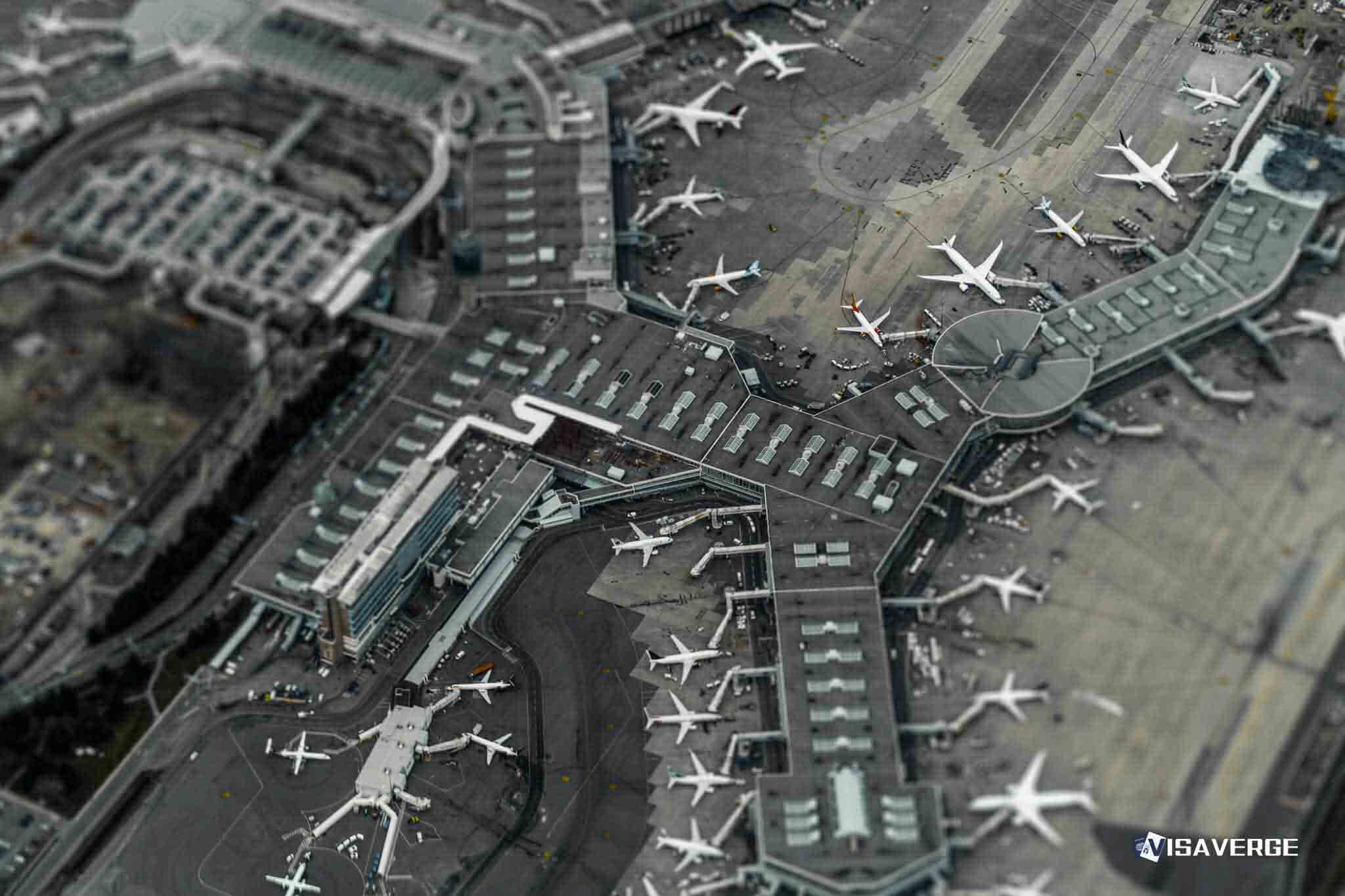
- Airlines cancelled 49 air routes between China and Japan for February 2026 due to weakening demand.
- China issued a strong travel advisory citing safety concerns, street crime, and natural disasters in Japan.
- Major carriers extended refund and change policies for travel through October 2026 to assist affected passengers.
January 26-27, 2026 — (CHINA) — China cancelled all scheduled passenger flights on 49 air routes between mainland China and Japan for February 2026, flight tracking platforms Flight Master and DAST reported on January 26-27, 2026.
The monitoring data pointed to a sharp deterioration from January, when the mainland China–Japan market ran at a 47.2% cancellation rate, up 7.8 percentage points from December 2025, a rise that airlines and travel sellers linked to weaker demand and higher operational uncertainty.
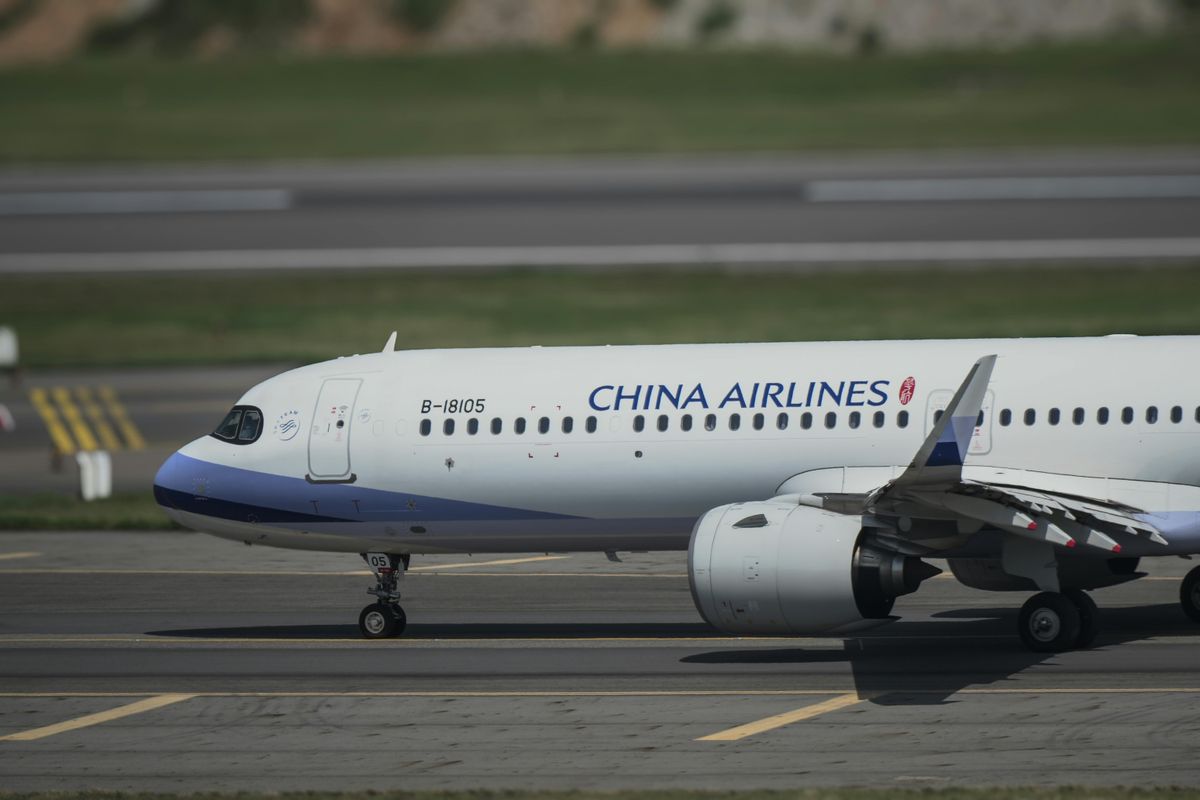
February 2026’s wipeout across 49 air routes goes beyond sporadic disruptions and forces airlines, airports and travel agents to rework capacity plans around the Lunar New Year rush, when cross-border travel typically climbs.
Flight Master and DAST framed the latest shift as an escalation from the already elevated January cancellation rate, as carriers moved from thinning schedules to scrapping entire city-pair service for the month.
At the route level, a full suspension means passengers cannot simply wait for a later departure on the same city pair because the schedule disappears across the month, pushing travelers into reroutes, multi-stop itineraries or different destinations.
The impact reaches beyond leisure travelers, with corporate trips, visiting-friends-and-relatives journeys and group tourism all affected, and with shippers losing time-sensitive belly-hold space commonly used for electronics and auto parts.
Among the best-known routes caught in the February cancellations is Shanghai–Tokyo Haneda, one of the flagship links between China’s commercial hub and Japan’s capital region.
Guangzhou–Osaka Kansai also appears among the major corridors that went dark, cutting off a large segment of southern China’s direct access to Japan’s Kansai region.
Shenzhen–Nagoya, a key connection for manufacturing centers, also fell under the February blanket cancellations, widening the disruption beyond the largest hub pairs.
Beijing Daxing–Osaka Kansai accounted for 113 flights in the affected schedule data, underscoring how the pullback hit high-frequency links, not only thinner services.
Further north, Shenzhen Bao’an–Hokkaido New Chitose included 13 flights in the affected schedule, showing that leisure-heavy routes to seasonal destinations also faced full suspension.
Route-level cancellation differs from isolated flight cancellations, where airlines can sometimes consolidate passengers onto alternative departures or shift capacity within the same city pair.
With full suspensions, travelers often face fewer rebooking choices and longer transit times, particularly when alternative routings require crossing multiple border-control points or switching to other nearby gateways.
Cargo effects also rise when entire routes disappear, because belly-hold capacity follows passenger aircraft schedules and cannot be replaced quickly without dedicated freighter space or longer detours.
China’s Ministry of Foreign Affairs issued a strong travel advisory on January 26, 2026 via its Consular Affairs WeChat, urging citizens to postpone or cancel trips to Japan, especially during Lunar New Year from February 15-23, 2026.
The advisory cited a spike in street crimes targeting Chinese nationals, adding another layer of concern for travelers already weighing costs and crowds during the holiday period.
Officials also pointed to repeated earthquakes in central Honshu and warned of aftershock risks, adding a safety dimension that travel sellers said can quickly suppress demand when consumers fear sudden disruption.
Political strains also featured in the backdrop cited around the cancellations, including remarks by Japanese Prime Minister Sanae Takaichi in mid-November 2025 calling a Chinese attack on Taiwan a potential “survival-threatening situation” for Japan that could trigger a military response.
Airlines attributed the cuts to low demand, high no-shows, operational risks and crew issues, linking the schedule retrenchment to both traveler sentiment and day-to-day operational constraints.
Travel demand signals had already weakened late last year, with a December 2025 tourist drop of 45% year-on-year, or 330,000 visitors, cited as a marker of softness heading into peak travel planning for early 2026.
For travelers holding tickets beyond February, China’s major carriers Air China, China Eastern Airlines and China Southern Airlines extended refund and change policies on January 26, 2026 to cover a broader window than earlier arrangements.
The eligibility rules tied relief to ticket timing, with carriers saying eligible tickets included those purchased or reissued by 12:00 midday January 26, 2026, language that matters for passengers who changed itineraries earlier and received reissued documents.
Carriers said the policy covered unused Japan-related flights, including codeshares and stopovers, widening the scope beyond nonstop services and capturing itineraries that connect through Japanese airports.
The covered travel window runs from March 29 to October 24, 2026, described as the 2026/27 summer-autumn season, after earlier coverage ended March 28.
Under the carrier options, passengers can make one free change, though fare differences apply, or take a full refund, with the final outcome often depending on ticket type and point of sale.
Airlines and travel agencies typically require passengers to follow the processes tied to the original booking channel, which can shape how quickly refunds appear and what documentation a traveler must submit.
Trip.com saw a 60% drop in Japan searches overnight after the advisory, an indicator travel sellers tracked closely as they assessed where demand might shift and which routes would struggle to fill seats.
Insurance firms also moved to limit coverage to pre-January 26 tickets, reinforcing the importance of purchase timing for travelers who hoped insurance might offset cancellation or rescheduling costs.
Even for travelers willing to go, the February cancellations across 49 air routes compress options into fewer remaining gateways and heighten the risk of crowded planes and higher fares on alternative routings.
Tour operators and travel agents in China pointed to substitution effects around Lunar New Year, with bookings shifting toward South Korea and Hong Kong as travelers changed plans rather than postponing trips entirely.
South Korea topped estimates among the alternative destinations cited, reflecting the availability of flights, proximity and the appeal of short-haul trips when long-weekend and holiday travel concentrates demand.
Airlines and booking platforms also confronted the knock-on effect of people abandoning Japan itineraries that include stopovers, because the refund-and-change policy defines “Japan-related” broadly enough to cover a wide range of routings.
For business travelers, the loss of nonstop capacity can add hours or a full day to itineraries once connections and layovers are factored in, complicating meetings and short trips that rely on quick turnarounds.
The supply shock also tightens belly-cargo space, and industry participants described freight rates spiking as exporters and forwarders competed for remaining capacity.
Logistics advisers recommended rerouting via Seoul Incheon or Taipei Taoyuan and urged shippers to book 2+ weeks ahead, a sign that limited space and longer routings can force earlier planning and higher working-capital needs.
Such rerouting can change delivery windows for high-value parts, and can raise costs when cargo must travel farther or wait longer for connecting flights with available capacity.
Diplomatic signals added to the uncertainty that airlines and travel firms said complicates schedule rebuilding, because consumer confidence often tracks the tone of official messaging as much as it tracks fares.
The aviation pullback came alongside the end of panda loans, with Ueno Zoo’s Xiao Xiao and Lei Lei returned January 26-27, 2026, a detail cited in China and Japan as a marker of the chilled atmosphere.
China also tightened rare earth exports, another point cited in the diplomatic backdrop referenced around the aviation changes and broader economic friction.
Japan’s leadership also signaled interest in dialogue even as tensions persisted, with Prime Minister Takaichi expressing openness to talks with China’s Xi.
Li Xiang, an aviation economist at Civil Aviation University of China, said recovery depends on political signals, not markets, linking airline capacity decisions to the wider relationship rather than to pricing and promotions alone.
Lifting demand through discounts and marketing can do little when travelers fear disruptions or question whether plans will hold, travel sellers said, especially when route-level suspensions remove the fallback of rebooking onto the same city pair.
Airlines also face practical constraints when demand becomes volatile, because crew scheduling, aircraft rotations and airport slot usage become harder to optimize when last-minute cancellations and no-shows climb.
That operational reality can feed back into demand, as consumers delay purchases or avoid destinations they view as unstable, further weakening forward bookings that airlines use to justify restoring flights.
The February shutdown across 49 air routes also complicates planning for the months that follow, because carriers typically sell spring travel while still flying winter schedules, and may now need to rebuild confidence before the peak summer booking cycle.
Li said carriers may need to restart summer schedules from scratch, a warning that the usual incremental ramp-up may not apply if uncertainty persists through the critical period when airlines finalize aircraft and crew plans.
With March 29 to October 24, 2026 now covered by expanded change and refund policies, travelers and travel firms will watch whether consumers treat the flexibility as a reason to keep bookings on the books or as a bridge to shifting trips elsewhere.
For airlines, the next signals come from whether search and booking data stabilizes after the Lunar New Year period and whether official advisories soften or remain in place as the spring travel season approaches.
Live Government Data
State Dept • CBPBusiest Border Crossings
- Calexico 150 min
- Brownsville 120 min
- Brownsville 120 min