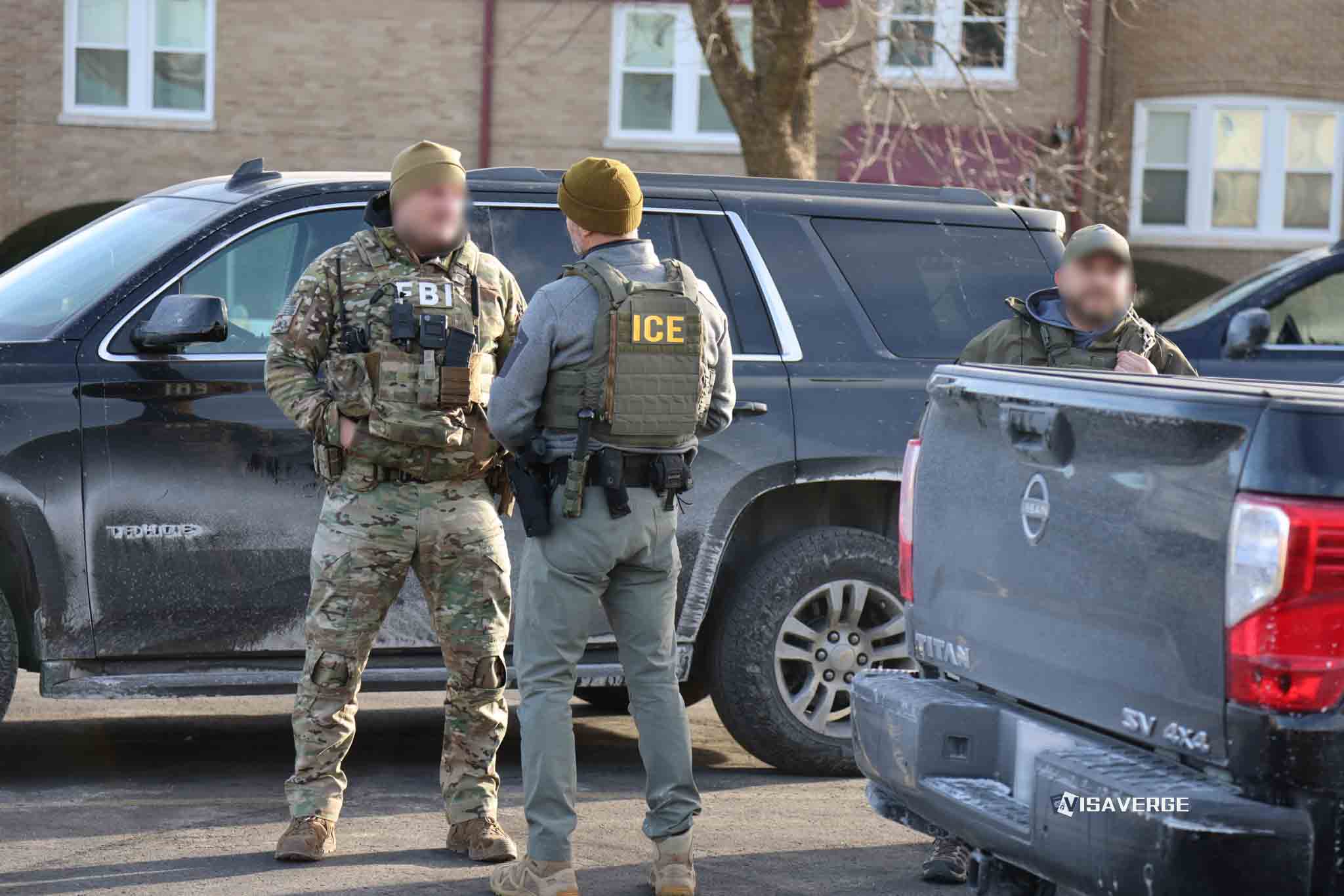
(CHICAGO) Reverend David Black, senior pastor at First Presbyterian Church of Chicago, has filed suit against the Trump administration after an ICE agent fired a pepper ball that struck him in the head during a protest outside the Broadview ICE facility on September 19, 2025. Video shows Black, in clerical attire, praying on the street when the pepper ball hit. He fell to his knees and was then sprayed with tear gas.
As of October 10, the lawsuit remains active in federal court with no public resolution.
Who sued and what they allege
The complaint, brought by Black and a coalition of protesters, clergy, and journalists, alleges federal agents used a “pattern of extreme brutality” to silence dissent and chill press coverage at the suburban Chicago site.
Key allegations include:
- Use of pepper balls, tear gas, flash grenades, and rubber bullets against peaceful demonstrators.
- Force was applied despite “no legitimate purpose” because no officer or government property was under threat.
- Random arrests, with some people held incommunicado for hours without clear charges.
- Targeting of clergy during prayer, which attorneys say violates the Religious Freedom Restoration Act (RFRA) by imposing a substantial burden on religious practice.
The plaintiffs seek an injunction to halt further use of chemical agents and impact munitions against nonviolent protesters at the ICE facility.
| India | China | ROW | |
|---|---|---|---|
| EB-1 | Feb 01, 2023 | Aug 01, 2023 ▲31d | Current |
| EB-2 | Nov 01, 2013 | Oct 01, 2021 | Apr 01, 2025 ▲90d |
| EB-3 | Jan 22, 2014 ▲21d | Jan 22, 2022 ▲14d | Jun 15, 2024 ▲31d |
| F-1 | Jan 22, 2021 ▲366d | Jan 22, 2021 ▲366d | Jan 22, 2021 ▲366d |
| F-2A | Oct 22, 2026 ▲30d | Oct 22, 2026 ▲30d | Oct 22, 2026 ▲30d |
Plaintiffs’ description of events
The filing emphasizes the visual record of Black’s injury and the sequence of events:
- Prayer on the street.
- Impact to the head from a pepper ball.
- Fall to his knees.
- Tear gas exposure that followed.
Plaintiffs argue this timeline undermines the government’s claim that force was necessary or proportionate. Their requested relief includes rules that would:
- Bar chemical agents and impact munitions against peaceful clergy and journalists.
- Require clearer dispersal protocols near the ICE facility.
Government response and defense
The Department of Homeland Security (DHS) has defended the agents’ response. Officials say protesters:
- Blocked an ICE vehicle and interfered with operations.
- Were given repeated orders to disperse, and force was used only after warnings went unheeded.
DHS Assistant Secretary Tricia McLaughlin described the facility as housing “criminal illegal aliens including gang members, drug traffickers, and other violent criminals,” and argued that blocking law enforcement justified the steps taken.
Government lawyers contend plaintiffs seek to “dictate crowd-control policy” in ways that would limit officers’ discretion during tense situations.
For official policy and statements, the department’s resource is available at: U.S. Department of Homeland Security
Legal claims and issues before the court
The suit raises several constitutional and statutory claims:
- First Amendment: Violations of free speech, assembly, and religious exercise.
- Excessive force: Use of chemical agents and impact munitions against peaceful demonstrators.
- RFRA: Plaintiffs argue clergy were singled out while praying and that any burden on faith practice was not the least restrictive means of advancing a compelling government interest.
Legal context and standards cited:
- Courts typically review protest-control tools under a reasonableness standard—did law enforcement choose the least harmful method to achieve a legitimate goal?
- The RFRA claim requires the government to show a compelling interest and that it used the narrowest means to achieve that interest if the court finds a substantial burden on religious exercise.
Broader protest context
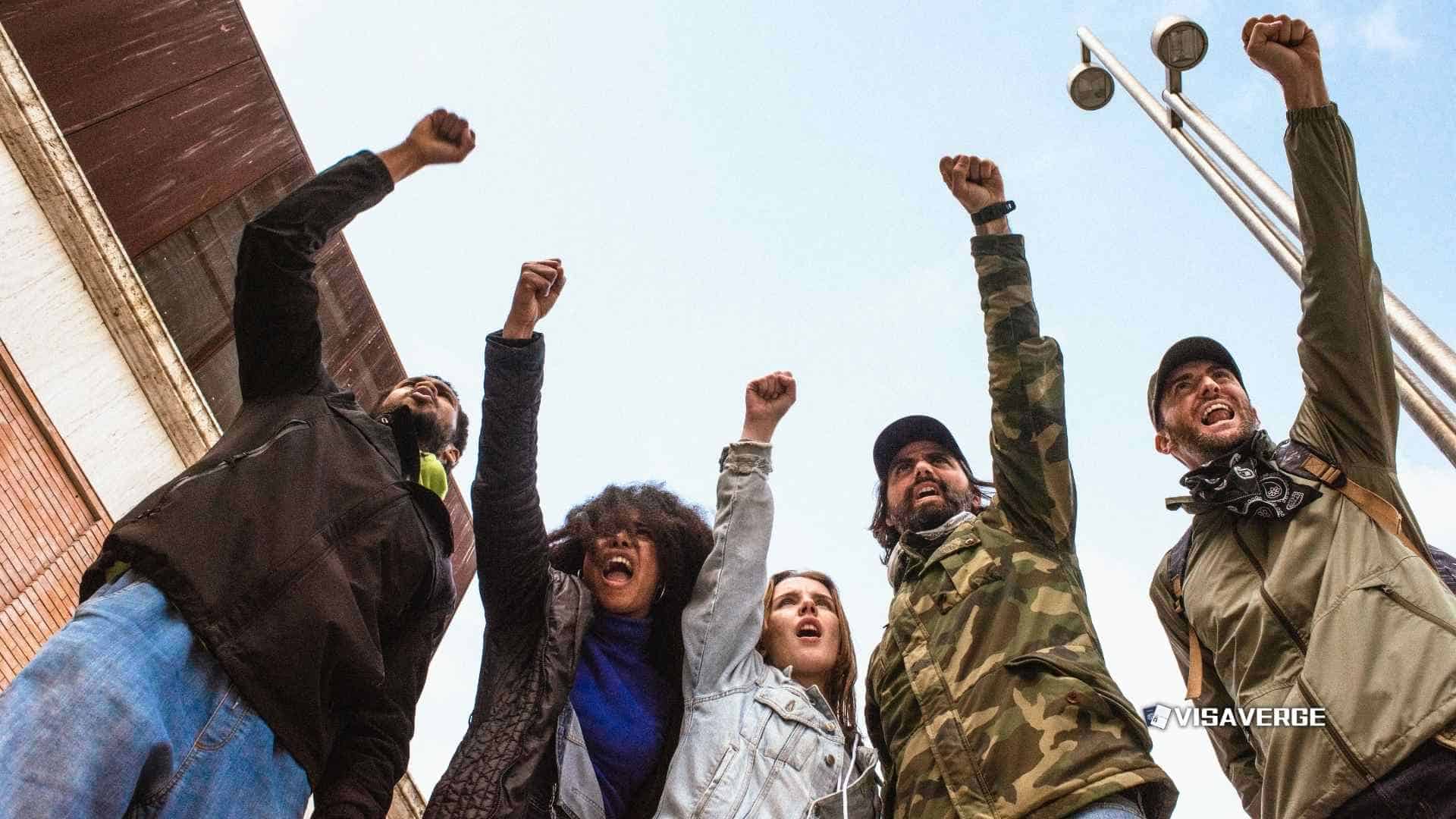
The Broadview ICE facility has become a weekly gathering point for faith leaders and immigrant-rights groups. Organizers say they have maintained peaceful conduct, with clergy offering prayers and hymns as deportation vans arrive and depart.
Reported effects that day include:
- Clergy from several denominations, including Unitarian and United Methodist ministers, were affected by tear gas and pepper balls while praying.
- Plaintiffs assert these incidents are part of a broader campaign to deter protest around detention and deportation.
Civil liberties groups and religious organizations have condemned the use of tear gas and pepper balls on clergy, arguing it damages trust between immigrant communities and the federal government. Legal scholars note that courts tend to be skeptical when chemical agents and impact munitions are used against clearly peaceful demonstrators, particularly where faith practice is evident.
Competing narratives and the factual dispute
At the heart of the case is a factual dispute:
- Plaintiffs: Events show peaceful prayer that was met with disproportionate and targeted force.
- Government: Agents responded to obstruction after lawful dispersal orders.
This dispute will be resolved through video evidence, sworn statements, and testimony about warnings and dispersal orders.
Related developments
- Federal prosecutors asked a judge to dismiss charges against another protester from the same period, citing concerns about that individual’s intellectual disabilities and lack of threat to the community.
- Plaintiffs view this dismissal as suggestive of prosecutorial overreach; government attorneys say it does not prove a pattern of excessive force or unlawful arrests.
Stakes and possible outcomes
For immigrants and faith leaders, the stakes are immediate: families often gather at Broadview hoping to see loved ones before removal, and clergy say public prayer is part of their pastoral duty. Plaintiffs argue that turning these moments into scenes clouded by tear gas undermines both free speech and religious exercise.
Possible judicial outcomes include:
- Ordering new limits on crowd-control tools at Broadview.
- Rejecting the plaintiffs’ claims.
- Establishing a standard that could apply to similar protest sites nationwide.
For now, clergy continue to gather and ICE continues operations. Both sides are watching for the next court date and any interim orders that could shape on-the-ground policing.
This Article in a Nutshell
On September 19, 2025, Reverend David Black was struck in the head by a pepper ball while praying outside the Broadview ICE facility, then exposed to tear gas. Black and a coalition of clergy, journalists and protesters filed suit alleging a pattern of extreme brutality by federal agents, including use of pepper balls, tear gas, flash grenades, rubber bullets and random arrests. The complaint contends force was unnecessary and targeted clergy, violating the First Amendment and RFRA, and seeks an injunction to bar chemical agents and impact munitions at the site. DHS denies wrongdoing, saying protesters obstructed an ICE vehicle and ignored dispersal orders; the case remains active in federal court and will hinge on video evidence, witness testimony and legal standards for excessive force and religious burdens.