- Australian Carl Harte praised India’s medicine prices in a viral video comparing costs to Western markets.
- Government-backed Jan Aushadhi Kendras offer generic drugs at discounts ranging from 50% to 90%.
- India’s pharmaceutical sector is supported by extensive manufacturing and policy controls to ensure affordability.
(INDIA) — Australian man Carl Andrew Harte posted a viral video praising India’s low medicine prices, prompting renewed discussion online about how sharply prescription costs can differ across countries.
In the video highlighted by NDTV, Harte described India’s medicines as “excellent” and “reasonably priced” after visiting a local pharmacy and comparing what he paid with prices in the United States and Australia.
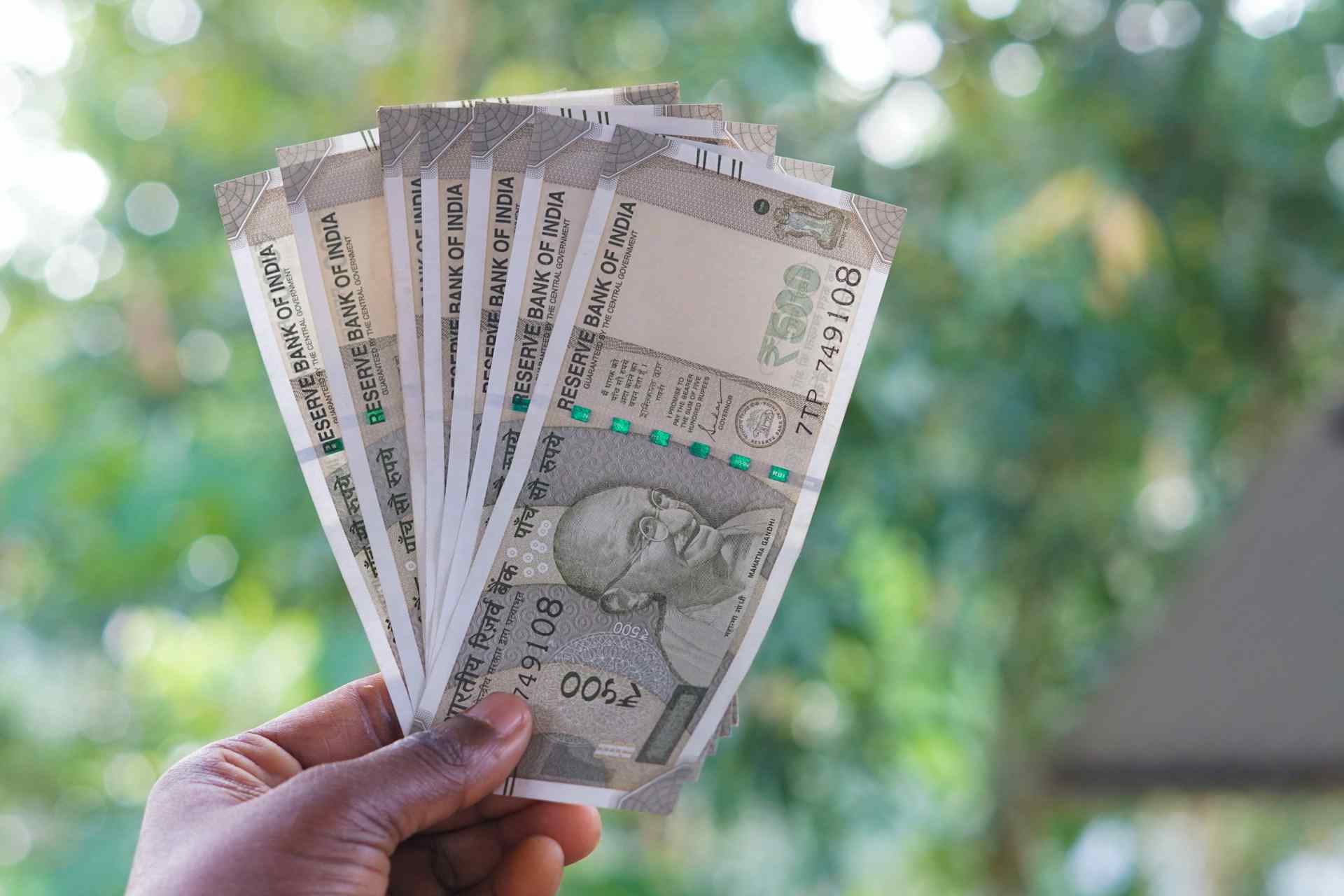
NDTV reported that Harte pointed to a strip of amoxicillin priced at Rs 123 and metformin at Rs 44 in India, amounts he described as surprising when set against what consumers often pay in Western markets.
The clip spread quickly because it matched a concern for many people who move between countries or manage family life across borders: out-of-pocket healthcare costs can change depending on where someone lives.
NRIs returning for visits, expatriates based in India, retirees, and long-term travelers often weigh everyday expenses beyond rent and food, and NDTV’s report framed the pharmacy bill as a simple, shareable comparison.
Comments responding to the video also widened the discussion beyond the single shop Harte visited. NDTV said social media users directed him to Jan Aushadhi Kendras, government-backed outlets that sell generic medicines.
Those outlets offer prices said to be 50% to 90% lower than branded alternatives, according to NDTV’s account of the responses. That suggested to many viewers that Harte’s comparison might not even reflect the lowest available prices.
India’s affordability in common medicines sits alongside a large generic-drug manufacturing base and a set of pricing and production policies that shape what consumers pay at the counter.
The National Pharmaceutical Pricing Authority expands essential drug lists and controls costs on mature generics, helping keep the prices of widely used medicines down, the material said.
India also backs policies supporting domestic active pharmaceutical ingredients, or APIs, to reduce reliance on imports, including from China. The National Pharmaceutical Policy and related incentives aim to drive growth in domestic API production.
The broader economic setting also matters. Indian pharmaceuticals output grows at 5.0% in 2026, driven by a rising middle class and health insurance expansion, the material said.
Government measures cited in the same material included Budget 2026-27 allocating ₹1,06,530 crore to healthcare, a 10% year-over-year increase. The budget also cut customs duties on 17 cancer drugs and exempted rare disease medicines.
Another initiative cited was ₹10,000 crore over five years for the Biopharma Shakti Initiative to boost biologics manufacturing.
The amoxicillin and metformin examples in Harte’s video illustrated the kind of price points that help power the country’s reputation for inexpensive generics. NDTV reported the amoxicillin price as Rs 123 for a strip, with metformin at Rs 44.
Online replies pointing to Jan Aushadhi Kendras added another dimension, because the government outlets were presented as a place where discounts could run deeper than typical branded retail pricing.
India’s role as a supplier to other markets also feeds the discussion about costs. India exports $8.44 billion in medicines to the U.S. in 2024, capturing 77.86% market share in that segment, the material said.
The same material cited global trade categories that underline the scale of the business. HS 300490, described as high-value medicaments, stands at $17.8 billion globally.
Antibiotics were listed at $1.19 billion, with penicillins at $745 million. The figures were cited as part of the context for India’s position as a low-cost supplier.
Generic competition after patent expiries can also drive price declines, the material said. It cited 40-70% price cuts on off-patent drugs through tenders and reference pricing.
Even with striking counter prices, the material cautioned that price differences reflect how systems vary. It pointed to patent rules, insurance structures, public health systems, generic competition, and retail regulation as factors that shape the final number a consumer sees.
NDTV’s article focused on Harte’s viral comparison and the public reaction to it rather than presenting a full cross-country pricing study, the material said.
The video also arrived as employers and households track rising health costs in many markets. The material cited a medical trend rate of 11.5% rise in employee plan costs for 2026, above a global 9.8%.
That trend was linked in the material to cardiovascular diseases, cancer, and biologics, while noting that out-of-pocket generics remain low.
Self-care spending also featured in the numbers provided. India’s over-the-counter market stood at ₹47,000 crore in 2024 and is projected to reach ₹98,000 crore by 2030 at 13% CAGR, the material said.
The same material said insurance premiums rose at the 2026 start, with higher overseas Indian participation, amid chronic disease pressures such as hypertension.
Alongside those figures, the material cited 11.3% Indo-Pacific medical inflation as part of the cost backdrop, while also referring to infrastructure gaps and evolving U.S. policies pressuring global pricing convergence.
For viewers who took Harte’s clip as a snapshot of daily life, the strongest proof point remained the simple price tags highlighted by NDTV: amoxicillin at Rs 123 for a strip and metformin at Rs 44.
For those seeking government outlets selling generics, the material referenced Jan Aushadhi locations nationwide and directed readers to the PMBJP site for outlets.
Harte’s video did not attempt to measure all the moving parts behind the numbers, but its appeal rested on a quick, relatable moment at a pharmacy counter and a verdict he delivered in two words: “excellent” and “reasonably priced.”