(NUEVO LAREDO) Sergio Garcia, a well-known Texas chef who once catered events for President George W. Bush, was deported to Nuevo Laredo, Mexico, after his arrest in March 2025 on a long-standing immigration case tied to an illegal border crossing in 1989. The removal, confirmed by people close to his family, ended decades of life and work in the United States ?? and placed renewed focus on stepped-up enforcement under President Trump.
Garcia became a local fixture in Waco, Texas, running a popular Mexican food truck that drew loyal customers and visiting dignitaries. In the early 2000s, he catered events at President Bush’s Western White House and served meals to the press corps shortly after the 2000 election. Friends say his reputation rested on reliable service, crowd-pleasing menus, and a calm presence in high-pressure settings. The abrupt deportation left the community grappling with the loss of a familiar face and a trusted small business owner.

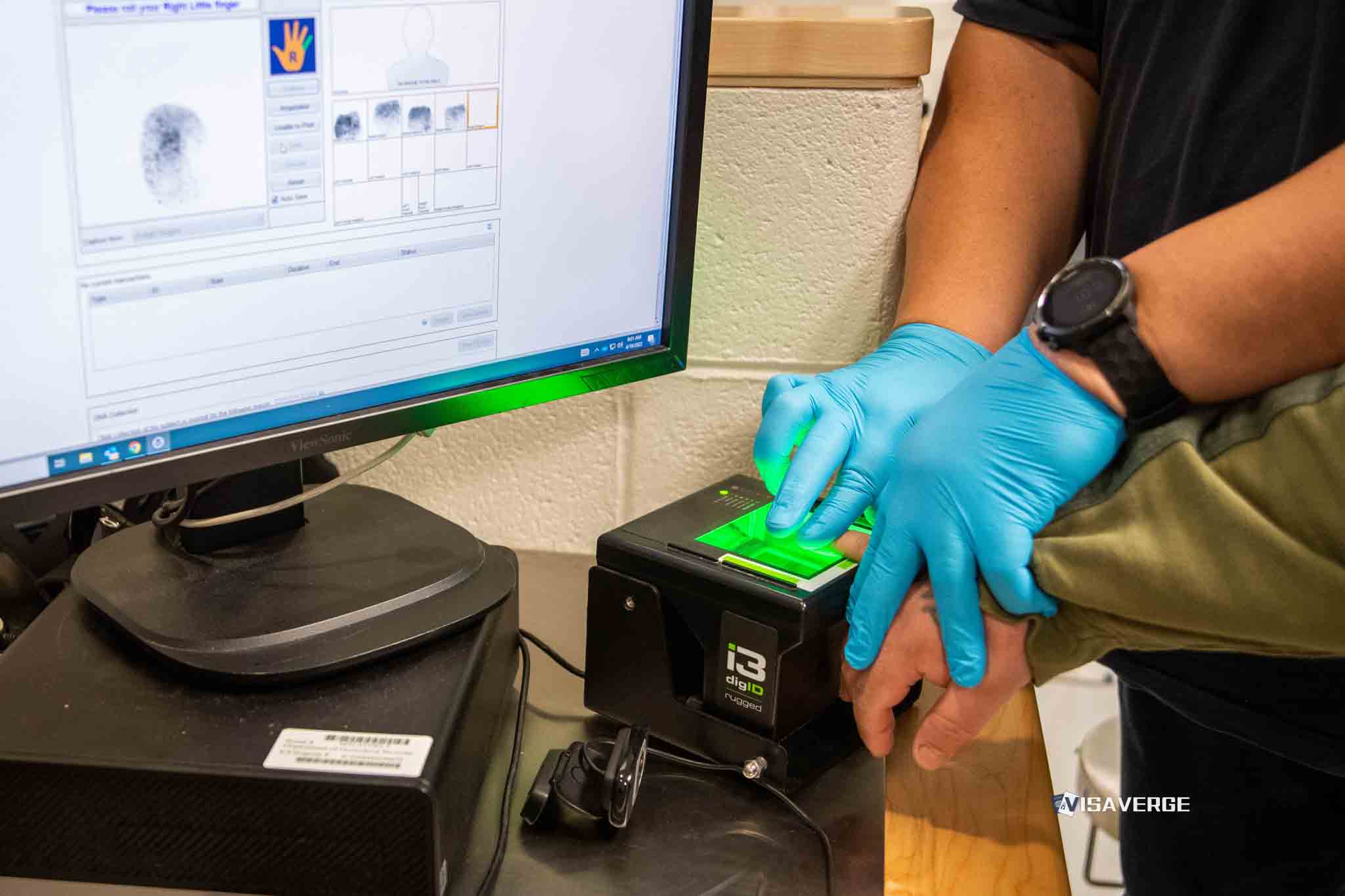
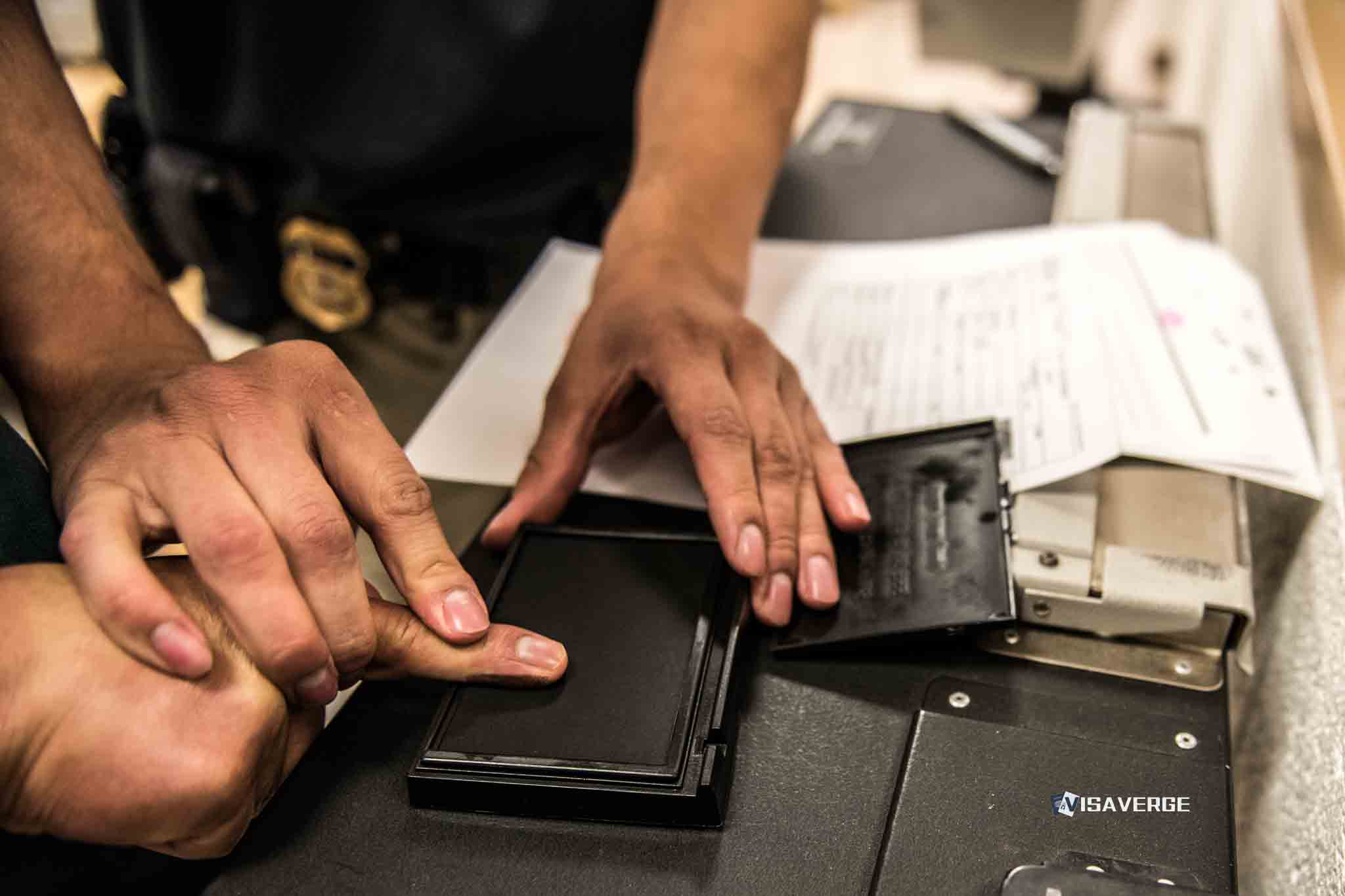
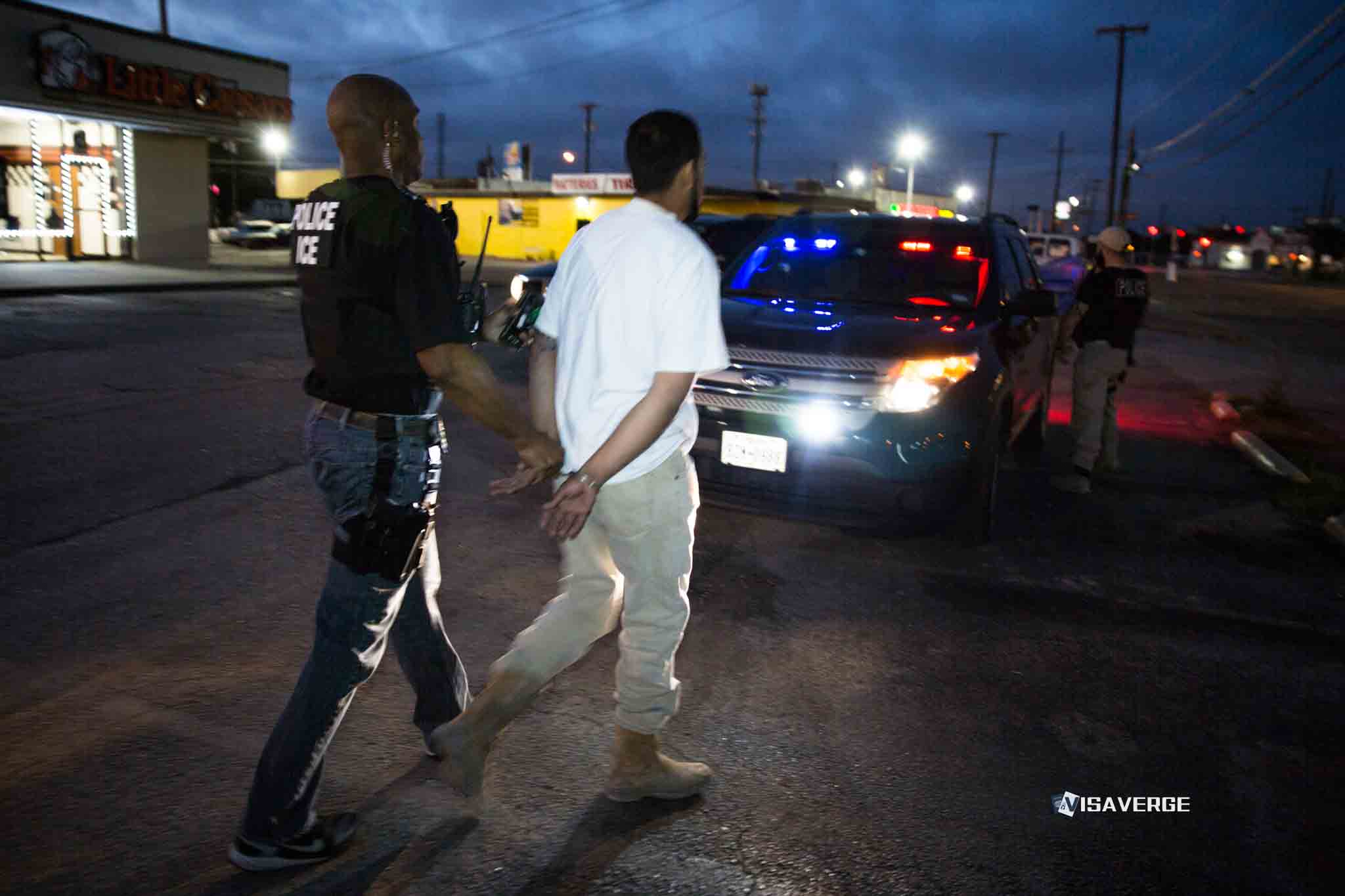
Authorities arrested Garcia in March 2025 due to an outstanding deportation order stemming from his 1989 illegal entry. He was then removed to the border city of Nuevo Laredo. His wife, Sandra, traveled to Mexico to join him following the deportation. Together, they are now separated from their four adult children, all of whom are U.S. citizens. Supporters in Texas say the family is trying to keep routines steady and stay connected across the border while weighing what comes next.
Community profile and local reaction
Garcia’s high-profile client history and deep roots in Waco helped make the case particularly notable. The local response included:
- Friends and former colleagues expressing shock and sadness at the arrest.
- Regulars noting the loss of both the food and the friendly banter at the truck window.
- Nearby restaurant owners describing an empty spot in the local food scene and a practical gap for event coverage.
Catering teams that coordinated schedules with Garcia’s truck now face gaps for large events. For customers and partners alike, a removal order is a legal action with ripple effects across workplaces, church groups, and neighborhoods.
“He rarely discussed politics and focused on the job: feed the guests, clean up, and do it all again the next day,” recalled people who worked with Garcia during the Bush years. That reputation sharpened the shock among former colleagues when they learned he had been taken into custody.
Family consequences and day-to-day realities
The deportation underscores the human stakes of immigration enforcement, especially for families with mixed status. Key family impacts include:
- Four adult U.S. citizen children now separated from their parents.
- A spouse’s decision (Sandra) to join Garcia in Mexico to keep the family unit together.
- Practical decisions about where to live, how to earn income, and how to maintain contact across the border.
Friends say the family plans to keep communication steady and arrange regular in-person time when possible. Adult children with jobs and school commitments in Texas face difficult choices about visits and ongoing support.
Enforcement context
The case also reflects a broader enforcement posture under President Trump. Officials projected nearly 600,000 deportations in 2025, with about two million people self-deporting or being removed in the first 250 days of his term. Those figures signal a policy that prioritizes swift action on longstanding cases even when the individual has built a public work record and community ties.
Perspectives on that approach vary:
- Some view it as fair, even-handed enforcement of immigration laws.
- Others question the proportionality of removing people with long local ties and contributions.
Local leaders in Texas have urged calm while advising families to gather documents and prepare plans in case a loved one faces detention. Community groups emphasize maintaining routines and ensuring children—especially U.S. citizen children—have access to school, health care, and safe transportation.
Resources and reporting context
For readers seeking official explanations of federal enforcement processes, see the U.S. Immigration and Customs Enforcement overview: ICE Enforcement and Removal Operations (ERO). That resource provides baseline information about arrests, detention, and removals, and explains core terms and processes used by the government.
VisaVerge.com reports on immigration enforcement trends and how removals affect families with long local ties. According to analysis by VisaVerge.com, public reaction often centers on:
- How long the person lived in the U.S.
- What role the person played in local life.
Sergio Garcia’s years in Waco and his work at events tied to President Bush’s Western White House fit both themes.
Timeline highlights
- 1989 — Illegal border crossing that later formed the basis for an outstanding deportation order.
- Early 2000s — Garcia catered events at President Bush’s Western White House and served meals to the press corps after the 2000 election.
- March 2025 — Arrest on the outstanding deportation order and subsequent removal to Nuevo Laredo.
- October 10, 2025 — As of this date, no official statements had been reported from President Bush or his representatives regarding Garcia’s deportation.
Local aftermath and next steps
In Waco, event planners are reallocating bookings across several smaller vendors, and food truck fans are trading tips on alternatives. In Nuevo Laredo, Garcia is trying to rebuild a life within reach of the border while his family’s daily routine shifts to center on that city.
Supporters and critics alike view the case as a reminder that immigration histories can resurface decades later. For many in the community, the removal felt jarring given Garcia’s long years of steady work and local recognition. For others, the enforcement numbers are evidence the administration is carrying out its stated priorities.
Important: Families facing similar circumstances are encouraged to gather documentation, consult community legal resources, and keep lines of communication open to help manage the practical and emotional impacts of a removal.
This Article in a Nutshell
Sergio Garcia, a well-known chef from Waco who catered for President George W. Bush, was arrested in March 2025 and deported to Nuevo Laredo based on a 1989 illegal border crossing and an outstanding deportation order. His wife, Sandra, joined him in Mexico while their four adult children—U.S. citizens—remain in Texas. The deportation has prompted community shock, disrupted local catering networks, and highlighted stepped-up enforcement under President Trump, with officials projecting hundreds of thousands of removals in 2025. Local leaders advise affected families to gather documents, seek legal help, and maintain routines during transitions.