(BUCKS COUNTY, PENNSYLVANIA) Democratic challenger Danny Ceisler unseated Republican incumbent Sheriff Fred Harran in Tuesday’s Bucks County sheriff’s race after months of fierce debate over a 287(g) agreement with federal immigration authorities. Unofficial results showed Ceisler winning more than 55% of the vote, ending Sheriff Harran’s short but controversial push to let local deputies assist U.S. Immigration and Customs Enforcement in limited immigration enforcement roles. The result immediately raised questions about what comes next for the program, the courts, and immigrant families across the county.
What the 287(g) decision was about
The campaign turned on a single choice Sheriff Harran made in April 2025: signing the 287(g) “task force” model agreement with ICE. That pact allows specially trained deputies to act under federal supervision in narrow ways, such as:
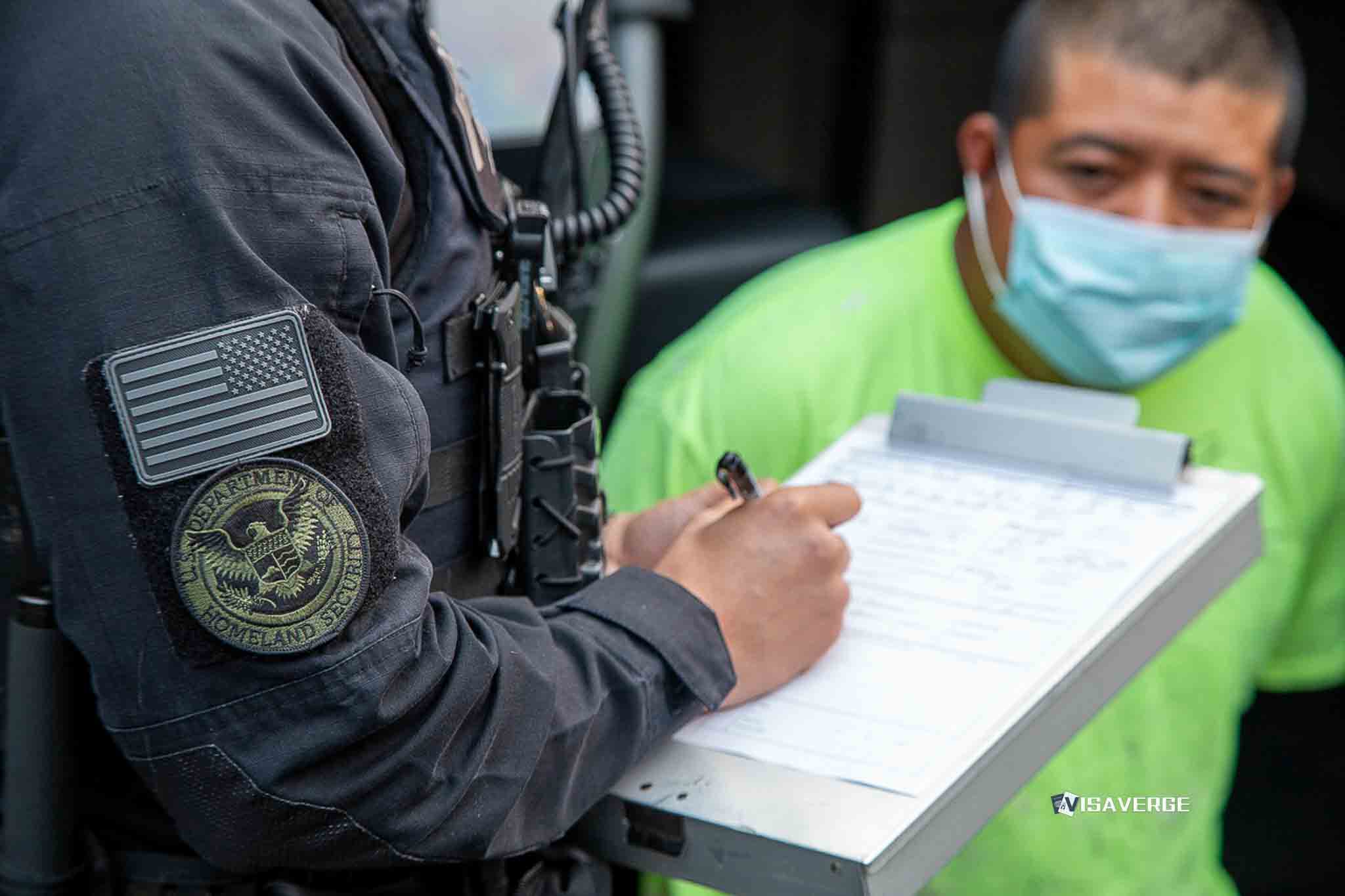
- Checking someone in custody against ICE databases
- Serving civil warrants tied to immigration matters
The arrangement effectively deputizes local officers to perform certain federal tasks. ICE describes the program’s purpose and models on its official page about the 287(g) Program.
Free toolUSCIS Receipt Number DecoderPolitical and community responses
Harran’s move drew loud opposition from multiple quarters:
- The county’s two Democratic commissioners
- Immigrant rights groups
- The American Civil Liberties Union of Pennsylvania
Critics argued the program was unfunded and could expose taxpayers to legal risk if mistakes occurred during immigration checks. They warned it would chill cooperation with police, making crime reporting harder in mixed-status neighborhoods.
Supporters countered that the agreement simply added another tool to identify people wanted by federal authorities after a local arrest.
The legal challenge
Almost immediately, legal action followed. The ACLU of Pennsylvania and the Community Justice Project sued, arguing the sheriff had no authority to sign the 287(g) agreement without the Bucks County Board of Commissioners’ approval.
They sought to block the county from moving forward, saying the contract was invalid and the sheriff had overstepped his powers. For months, that court challenge ran alongside the political battle in the sheriff’s race, hardening views on both sides.
The October 2025 court ruling
In October 2025, Bucks County Judge Jeffrey G. Trauger issued a mixed ruling:
- He upheld Harran’s decision to cooperate with ICE, finding the sheriff’s limited steps were “clearly lawful under Pennsylvania jurisprudence” and “reasonable and necessary” to the duties of the office.
- Simultaneously, he concluded the document was “not an enforceable contract,” meaning it did not require the commissioners’ sign-off to exist, nor did it bind the county as a formal contract would.
This split decision allowed both sides to claim victories:
- Harran portrayed it as validation of his approach and pressed forward.
- Opponents said it showed the agreement lacked legal weight and could be paused or ended by a future sheriff.
The judgment also fueled campaign ads and forums where the 287(g) agreement, the sheriff’s leadership, and public safety priorities dominated voter attention.
The election outcome and Ceisler’s plans
Danny Ceisler, a 33-year-old U.S. Army veteran and former senior public safety official in Governor Josh Shapiro’s administration, made the 287(g) issue central to his campaign.
- “ICE was the big issue in this race, and voters overwhelmingly voted … to elect the candidate who wanted to end the ICE partnership,” he said after the race was called.
- He pledged to issue an immediate moratorium on the agreement on his first day in office and to move quickly to disengage from the program.
- He framed the change as a trust-building step with immigrant communities.
Ongoing legal fight and appeals
The ACLU signaled the courtroom fight isn’t over even as the sheriff’s office prepares to change hands. Stephen Loney, senior supervising attorney at the ACLU of Pennsylvania, said, “the fight is far from over,” and promised an appeal of Judge Trauger’s decision.
That means legal questions about:
- The role of county officials
- The scope of a sheriff’s powers
- The durability of agreements like 287(g) in Pennsylvania
could still reach a higher court, even if practical cooperation with ICE pauses.
The legal appeal could determine whether future sheriffs have the same leeway to enter similar partnerships, shaping enforcement across Pennsylvania.
Impact on immigrant families and community trust
For immigrant families, the political shift brings quick relief but lingering uncertainty.
- A moratorium would halt deputy participation in immigration tasks, but future administrations could revive the program.
- Analysis by VisaVerge.com finds county-level 287(g) agreements tend to rise and fall with local leadership, creating cycles of fear and calm in places with large mixed-status populations.
- Advocates say that uncertainty alone can discourage witnesses from talking to police or parents from sending children to school when rumors spread.
Task force model vs. jail model
The debate highlighted differences between 287(g) models:
- Task force model (used in this case): local officers may act outside detention settings after specialized training, raising concerns about street-level immigration checks.
- Jail model: focuses on screening individuals after they’re booked into local facilities.
Critics worry the task force model blurs lines between community policing and federal enforcement. Supporters say it targets people already in contact with law enforcement.
Financial and liability concerns
County commissioners raised practical concerns that resonated with voters:
- Lack of dedicated federal funding
- Risk of lawsuits from any faulty arrests or database errors
The court’s ruling did not resolve these policy concerns, even though it backed the sheriff’s limited authority to cooperate. With Ceisler’s win, county leaders now expect to work in sync to end the partnership and steer the sheriff’s office toward what they describe as core duties, including serving warrants and supporting the courts.
What comes next
- Ceisler intends to stop deputy involvement with ICE as soon as he’s sworn in and to unwind the 287(g) agreement.
- The ACLU plans to appeal Judge Trauger’s ruling, so legal questions remain active.
- Community groups will be watching closely for any change in enforcement on the ground.
Even though the election was a local verdict, it reflects a broader national tug-of-war over federal-local cooperation in immigration. County and city elections frequently decide the reach of programs like 287(g), and any appellate ruling could shape how other Pennsylvania sheriffs and counties approach similar deals in the future.
This Article in a Nutshell
Danny Ceisler beat Republican Sheriff Fred Harran with more than 55% of the vote after controversy over an April 2025 287(g) task-force agreement allowing deputies limited ICE duties. An October 2025 judge ruled the sheriff’s cooperation lawful but said the document was not an enforceable contract. Ceisler has vowed an immediate moratorium and to disengage from the program, while the ACLU and Community Justice Project plan appeals, keeping legal and community uncertainty active.