Key Takeaways:
- Fake documents incident reveals regional document fraud pattern affecting regional immigration policies at Lucknow Airport on August 11, 2024.
- Indian authorities enhance airport security with advanced technologies, training, to counter increasing document forgeries and illegal migration.
- Incident prompts India-Bangladesh cooperation, addressing root migration causes and exploring legal paths to curb fraud.
On August 11, 2024, a concerning incident unfolded at Chaudhary Charan Singh International Airport in Lucknow ??, India. A Bangladeshi ?? man attempted to travel to Thailand using fake Indian documents. This incident exemplifies a broader pattern of document fraud and its implications for regional immigration policies.
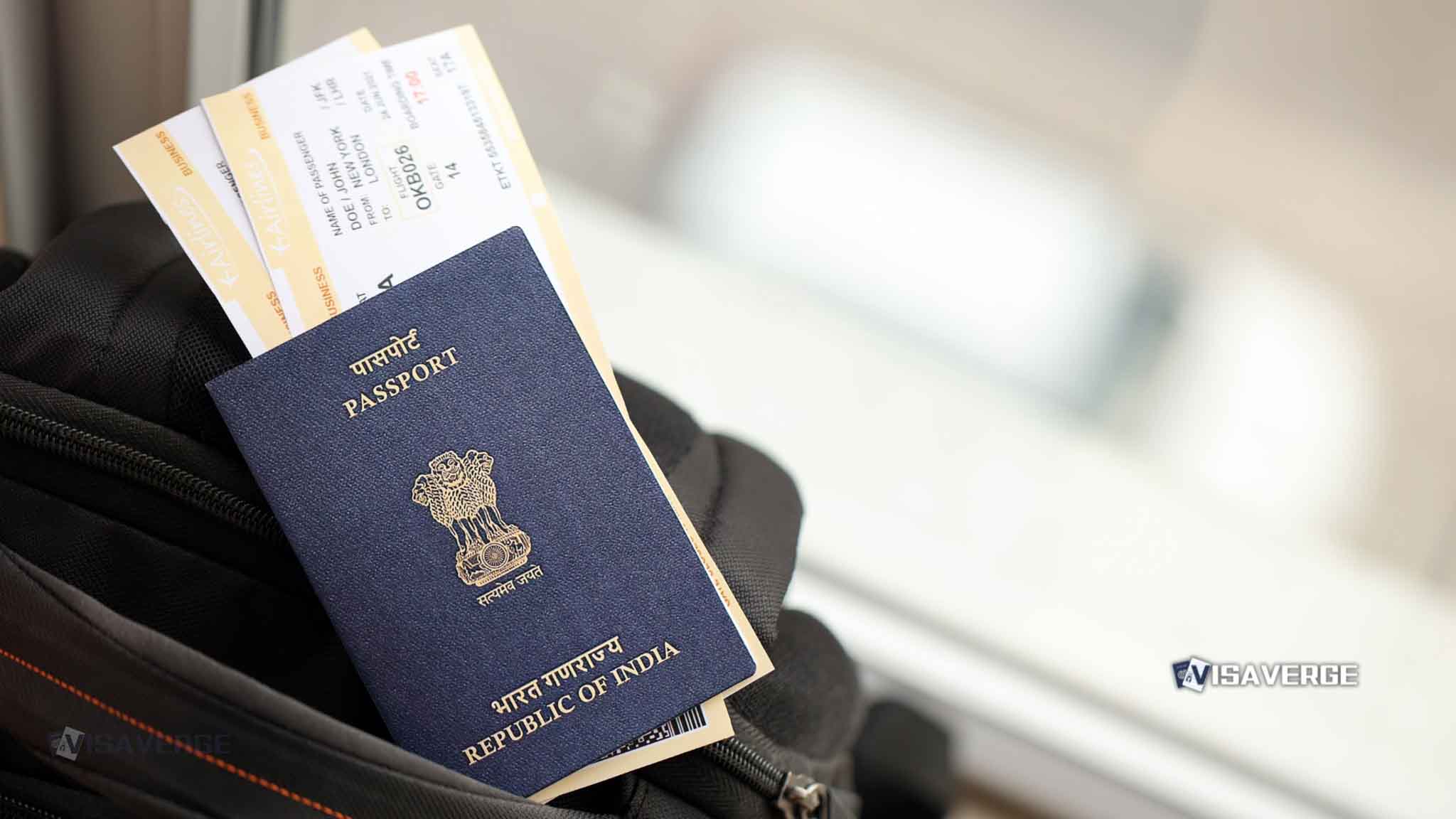
The suspect, initially presenting himself as Ashish Rai, an Indian citizen, was caught during routine immigration checks for flight FD-147 to Bangkok. Immigration officer Rakesh Kumar Yadav detected discrepancies in the provided Indian passport and Aadhaar card, which listed an address in Hooghly district, West Bengal. Upon further interrogation, the man’s true identity was revealed as Shimul Barua, a Bangladeshi national from Shilghata, Chopachhari, Satkania, Chattogram, Bangladesh. The authorities found his authentic Bangladeshi passport during the search, highlighting the deliberate nature of his attempt.

Barua’s case was registered under various sections of the Indian Penal Code, addressing forgery, using forged documents, and violations of the Passport and Foreigners Acts. These charges carry serious consequences, including possible imprisonment and fines. This incident underscores the effectiveness of Indian airport security measures, which have been instrumental in detecting fraud. These include advanced document verification systems and biometric checks, highlighting the crucial role of well-trained personnel in preventing illegal border crossings.
This case is not isolated but forms part of a wider trend in South Asia regarding document fraud. The region faces escalating instances of counterfeit travel documentation, driven by individuals seeking improved economic opportunities or stability. Historical porous borders between Bangladesh and India, alongside linguistic and cultural affinities, have traditionally facilitated such unlawful crossings.
In Bangladesh, despite economic growth, challenges such as unemployment, political unrest, and environmental pressures persist. These factors drive some individuals to risk falsifying documents to secure better prospects abroad. The lure of higher wages and improved living conditions in countries like Thailand often outweighs the risks of such deceit.
This incident reveals significant implications for regional immigration policies. It stresses the urgency for enhanced bilateral cooperation between India and Bangladesh to combat document fraud and illegal migration. Despite ongoing improvements in border security and information sharing, these challenges remain formidable.
In response, the Indian authorities have implemented stricter measures at airports and border checkpoints. Innovations in document verification technologies, such as UV light scanners and machine-readable zone (MRZ) readers, are now common. Furthermore, immigration officers receive enhanced training to identify sophisticated forgeries, bolstering frontline defenses against such fraud.
The advent of artificial intelligence and machine learning in document verification is transforming border security landscapes. These technologies quickly cross-reference documents against extensive databases, flagging potential discrepancies that might escape human notice. The Indian government has actively invested in these technologies, aiming to advance its border control capacities.
Statistics reflect a rising trend in detected travel document forgeries in the region. Indian authorities reported a 15% increase in fraudulent passport and visa interceptions in 2023 compared to the previous year. Similarly, Bangladesh saw a 20% surge in arrests related to fake documentation attempts at its international airports during the same timeframe.
The incident also highlights the need to address the root causes of illegal migration. Both India and Bangladesh are exploring more legal pathways for temporary work and study to curtail the drive for document fraud. However, these efforts are fraught with political and economic complexities, slowing progress.
Following the incident, diplomatic channels between India ?? and Bangladesh ?? were promptly engaged. The Bangladeshi High Commission in New Delhi was informed, and consular access was granted to the detained individual. This situation has reinvigorated talks on strengthening preventive mechanisms against similar future occurrences, as well as addressing the broader illegal migration dilemma.
The Indian government is also focused on enhancing the security of its national identity system, Aadhaar. Plans are underway to introduce new security features and stricter verification protocols, especially in border regions, to deter forgery. This case has intensified the scrutiny of document issuing processes in West Bengal, where Barua allegedly obtained the fraudulent documents. Local investigations into potential forgery networks have already resulted in several arrests after the Lucknow Airport incident.
This particular event involving Shimul Barua serves as a poignant reminder of the continuous challenges in maintaining border security and document integrity within South Asia. The resilience and sophistication of document forgery networks necessitate ongoing vigilance, technological advancement, and international collaboration to effectively combat these illicit activities.
As regional authorities continue to grapple with complex issues such as document fraud and human trafficking, incidents like these profoundly influence the crafting and implementation of immigration policies and strategies. Future efforts must prioritize a multifaceted approach, leveraging technology and international partnerships to uphold security while addressing the socio-economic drivers of illegal migration.
For those seeking further detailed official information on India’s visa policy and border security measures, the official visa application process page is a valuable resource. As VisaVerge.com has indicated, addressing these cross-border challenges requires comprehensive efforts that include technology integration, diplomatic negotiations, and community-level interventions. We await developments with cautious optimism, hoping for enhanced regional stability and cooperation in managing migration flows.
Learn Today:
- Document Fraud: The use of counterfeit or altered travel and identity documents, such as passports and IDs, to deceive immigration authorities, often for the purpose of crossing borders illegally or securing unauthorized entry into a country.
- Biometric Checks: Security measures that use an individual’s unique physical characteristics, such as fingerprints or facial features, to verify their identity and prevent document fraud during immigration processes.
- Forgery: The illegal act of falsifying documents, such as passports or identification cards, to deceive authorities, often resulting in serious legal consequences including imprisonment and fines.
- Machine-Readable Zone (MRZ): A section of a travel document like a passport that contains encoded data readable by machines, aiding in quick identity verification and fraud detection at immigration checkpoints.
- Bilateral Cooperation: Collaborative efforts between two countries, such as India and Bangladesh, to address shared challenges, including combating document fraud and managing illegal migration more effectively.
This Article In A Nutshell:
On August 11, 2024, a Bangladeshi man was caught at Lucknow Airport, India, using fake Indian documents to travel to Thailand. This incident highlights the ongoing issue of document fraud in South Asia, emphasizing the need for advanced security measures and stronger regional cooperation to tackle illegal migration.
— By VisaVerge.com
Read more:
1. Northeast India Students Protest Against Bangladeshi Asylum Seekers
2. Bangladesh at a Crossroads: The Fall of Sheikh Hasina and Historical Reflections
3. Unrest in Bangladesh: Implications for Indian Travel and Global Affairs
4. India’s Travel Advisory: Avoid Bangladesh Amidst Recent Violence
5. 6,700 Indian Students Return from Bangladesh Amid Rising Protests