(NEW ORLEANS, LOUISIANA) Federal immigration raids across the New Orleans region have sparked an intense online and street-level backlash, as roughly 200 to 250 Border Patrol agents carry out arrests of undocumented residents in public spaces, including store parking lots, with Somali immigrants among those targeted for deportation. Community groups say the campaign, focused on people with final removal orders, has spread fear through immigrant neighborhoods and set off a parallel effort to closely monitor not only the raids themselves but also the growing criticism on social media.
What’s happening on the ground
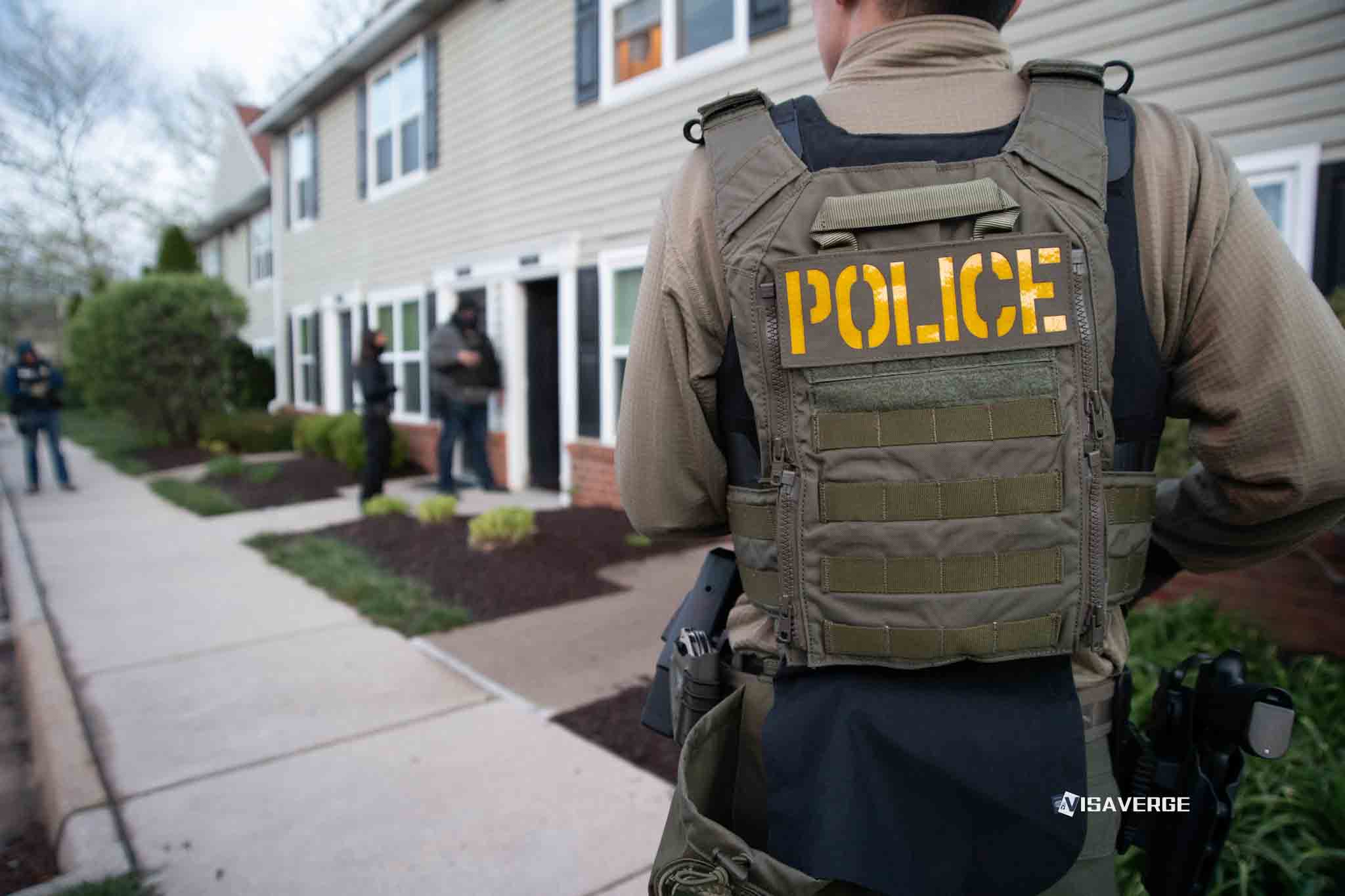
The enforcement push, centered in New Orleans and its suburbs, has unfolded as videos of masked federal agents chasing and detaining people circulate on Facebook, Instagram, and encrypted messaging apps. Clips showing agents surrounding cars or approaching shoppers outside stores have drawn thousands of views, according to local advocates, and fueled worries that everyday errands now carry the risk of arrest for undocumented families.
In response, local immigrant support networks have built informal monitoring systems to track both physical operations and online reaction in near real time. Volunteers log sightings of Border Patrol agents, share alerts in group chats, and document posts that show where, when, and how arrests seem to happen. Organizers say this constant watch helps them send legal help and emotional support more quickly to residents caught in the sweep.
Protests and community response
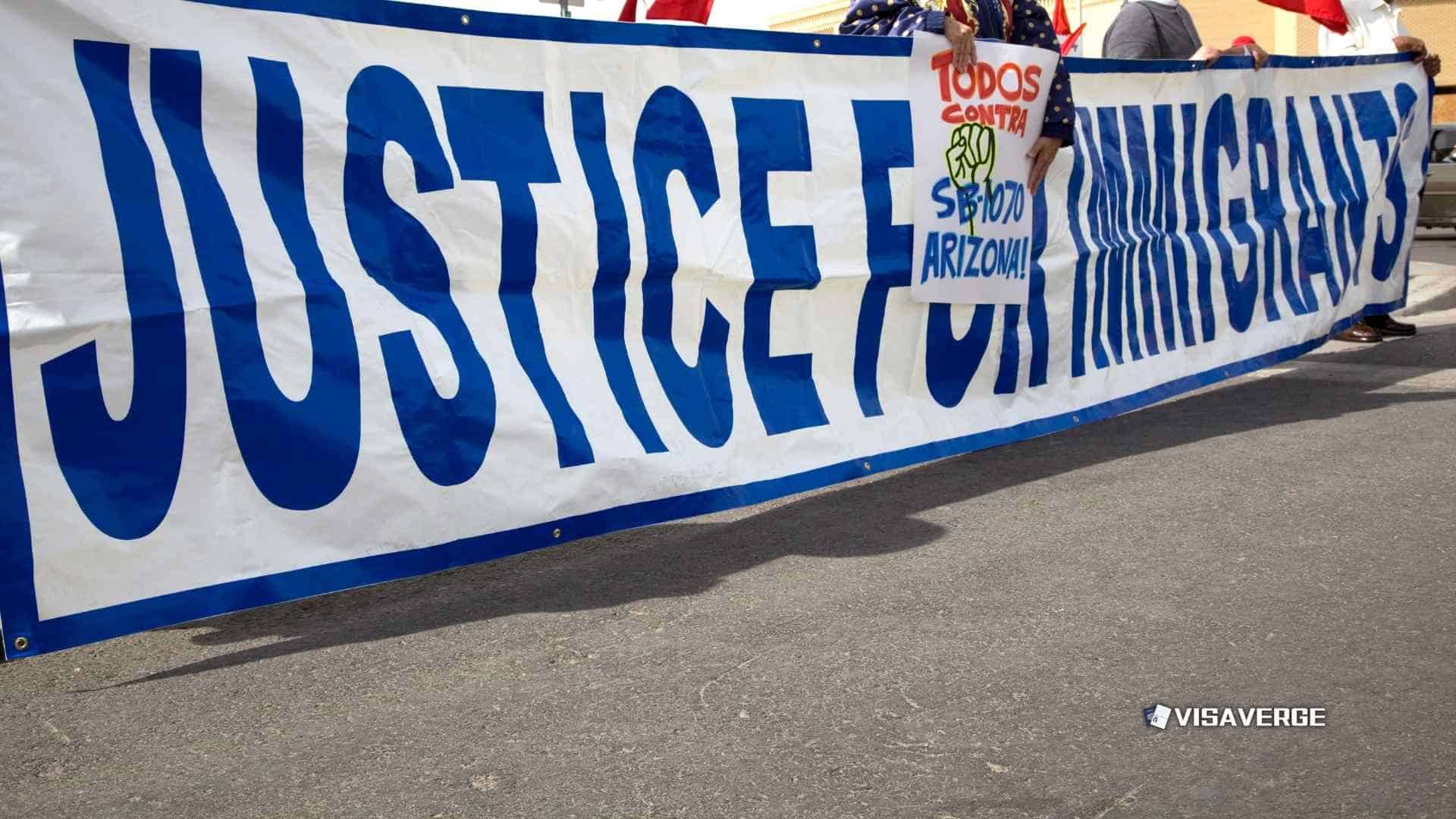
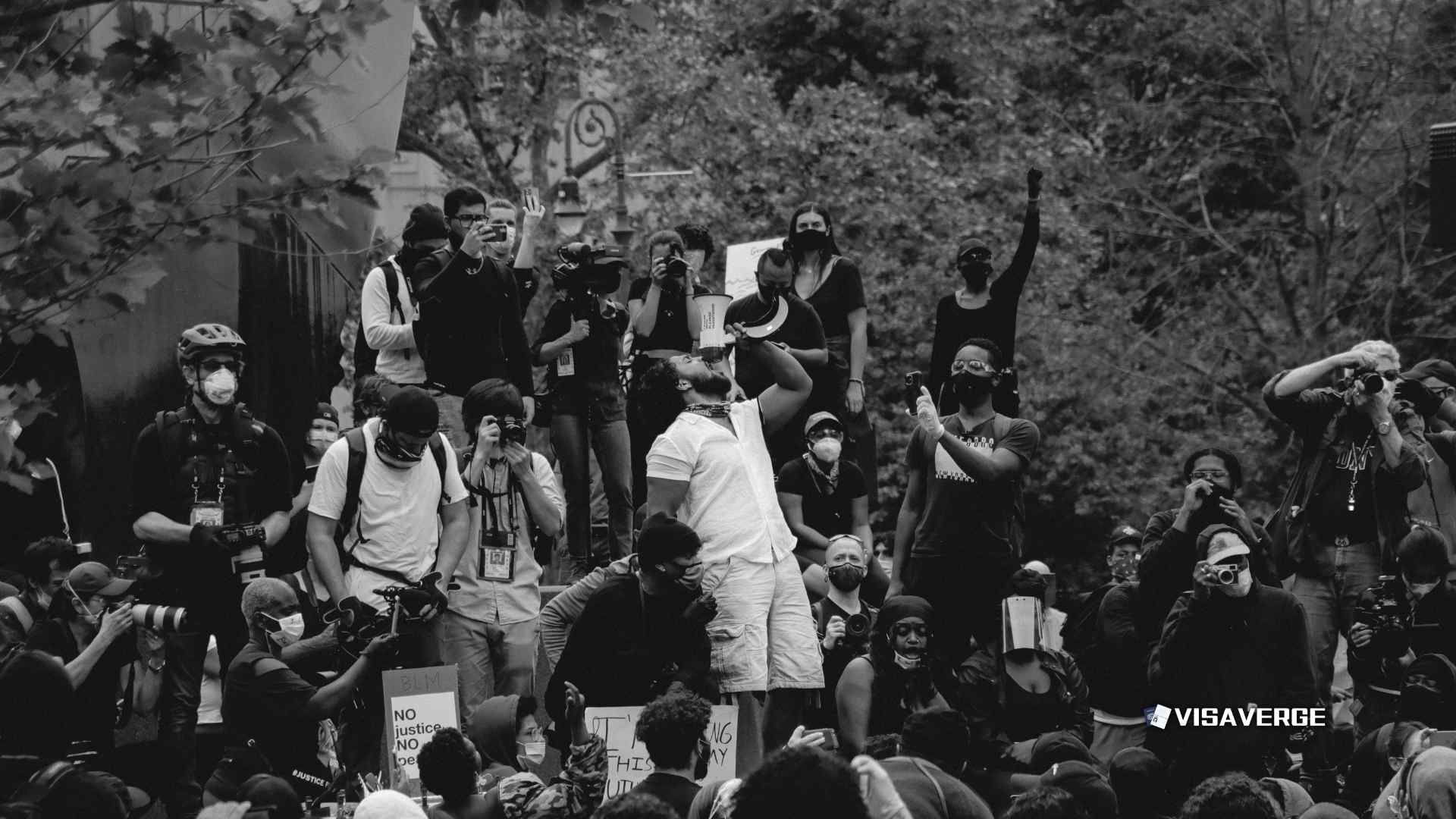
The crackdown has also triggered protests on the ground. In Kenner, a suburb just outside New Orleans, more than 100 residents turned out to denounce the raids, some carrying handwritten signs and others holding pictures of family members they fear could be swept up. Demonstrators stressed that many people being targeted have lived in the area for years, work steady jobs, and do not have violent criminal histories, despite the way federal leaders have framed the campaign.
Parents at the Kenner protest talked about children refusing to go to school, afraid they might come home to find a parent missing. Organizers said they had heard from teachers who saw students break down in class after watching videos of arrests on their phones. For many families, the presence of Border Patrol agents in parking lots and other public places has turned simple daily tasks into moments of anxiety.
“The raids aim at the ‘worst of the worst’ criminals,” Homeland Security Secretary Christy Gnome said in defense of the operation, arguing local policies have forced federal officers to step up street-level enforcement.
Federal position and transparency concerns
Homeland Security Secretary Christy Gnome has firmly defended the operation, calling it a focused effort against dangerous offenders. She has said the raids aim at the “worst of the worst” criminals and blamed local sanctuary-style policies for forcing federal officers to step up street-level enforcement. But authorities have not publicly released detailed information about the criminal records of those detained, a gap that has deepened skepticism among New Orleans advocates and added fuel to online debate.
According to analysis by VisaVerge.com, this lack of transparency over who is actually being arrested is a major reason the online response has been so sharp and emotional. Posts criticizing the raids often question whether people with only minor immigration or traffic violations are being swept into custody along with those who have serious convictions, especially among groups like Somali immigrants who already face added risk if returned to unstable conditions.
Digital monitoring: lifeline and battleground
Community organizations in New Orleans now treat social media as both a lifeline and a battlefield. They use platforms to:
- Share “know your rights” tips
- Alert followers when raids appear to be underway
- Correct false rumors that spread after dramatic videos appear without context
They also closely follow hostile comments and posts that cheer the presence of Border Patrol agents, concerned that such rhetoric might encourage harassment or vigilante behavior.
Volunteers have turned this into a near–real-time intelligence effort. Typical tasks include:
- Logging physical sightings of Border Patrol agents.
- Sharing immediate alerts in group chats and community channels.
- Archiving videos, screenshots, and comment threads.
- Creating timelines that compare online sightings with on-the-ground arrest reports.
- Coordinating rapid legal and emotional support when incidents occur.
Advocates say this dual monitoring effort is new in scale. While local groups have long tracked immigration enforcement, the visibility of the current New Orleans operation—combined with almost constant online recording—has made digital reaction a central part of the story.
Particular risks for Somali immigrants
For Somali immigrants in particular, the stakes feel especially high. Many of those with final deportation orders fear being sent back to unsafe or unstable conditions if removed from the United States 🇺🇸. Lawyers working with these communities say their clients are terrified not only of being detained, but also of being misrepresented online as dangerous criminals when their records often show only immigration violations or older, non-violent offenses.
Federal messaging and local demands
Federal officials show no sign of easing the campaign, even as criticism grows. The Department of Homeland Security continues to stress that immigration enforcement remains a core part of national policy and points to general information on its responsibilities posted on sites such as U.S. Customs and Border Protection. Yet those broad explanations rarely address the specific fears playing out in places like New Orleans, where residents want clear answers about:
- How targets are chosen
- What protections exist for long-settled families
- Whether detailed criminal records will be released for transparency
Media, officials, and the feedback loop
Local media outlets in New Orleans have started to rely on the documentation gathered by advocacy networks to shape their own reporting. Journalists:
- Review shared videos
- Interview people who posted them
- Request comments from federal agencies about specific incidents
This feedback loop between community observers, online platforms, and traditional news has made the crackdown one of the most closely watched immigration enforcement efforts in the region in recent years.
Some city and parish officials have tried to strike a careful tone, saying they do not control federal operations but are listening to community worries. However, they face criticism from both sides:
- Activists accuse them of standing by while families are torn apart.
- Supporters of stricter immigration policy demand more open cooperation with Border Patrol agents and praise the raids as overdue law enforcement.
How families are coping
Inside immigrant households, the policy fight can feel distant compared with the immediate question of how to stay safe. Common responses include:
- Quietly arranging backup plans for who will pick up children from school if a parent is detained
- Debating whether to switch jobs or keep a lower profile
- Sharing practical advice in community spaces: carry key documents, memorize important phone numbers, and stay calm if approached by officers in public
National impact and ongoing controversy
The monitoring of online criticism, though led mainly by community and advocacy organizations, has begun to shape how federal operations are seen nationally. Clips from New Orleans now appear in broader debates over immigration enforcement, with commentators pointing to masked agents in parking lots as either evidence of needed toughness or of heavy-handed tactics.
Each new video adds another layer to a dispute that shows little sign of fading, even as the raids continue across the New Orleans area.
Key data at a glance
| Item | Detail |
|---|---|
| Estimated Border Patrol agents involved | 200 to 250 |
| Notable targeted group | Somali immigrants |
| Protest turnout (Kenner) | More than 100 residents |
| Primary concerns | Lack of transparency; risk to long-settled families; online misrepresentation |
| Official reference | U.S. Customs and Border Protection |
Key takeaway: Community groups have rapidly organized both physical and digital monitoring to respond to raids, while the federal government emphasizes enforcement and offers limited case-specific transparency—deepening local fear and national debate.
Federal raids around New Orleans involving roughly 200–250 Border Patrol agents have targeted undocumented residents, including Somali immigrants with final removal orders. Community groups built coordinated physical and digital monitoring systems to log raids, archive videos, and provide legal and emotional support. Critics demand transparency about detainees’ criminal records as protests grow. The operation has heightened local fear, affected daily life, and fueled national debate over enforcement practices and protections for long-settled families.