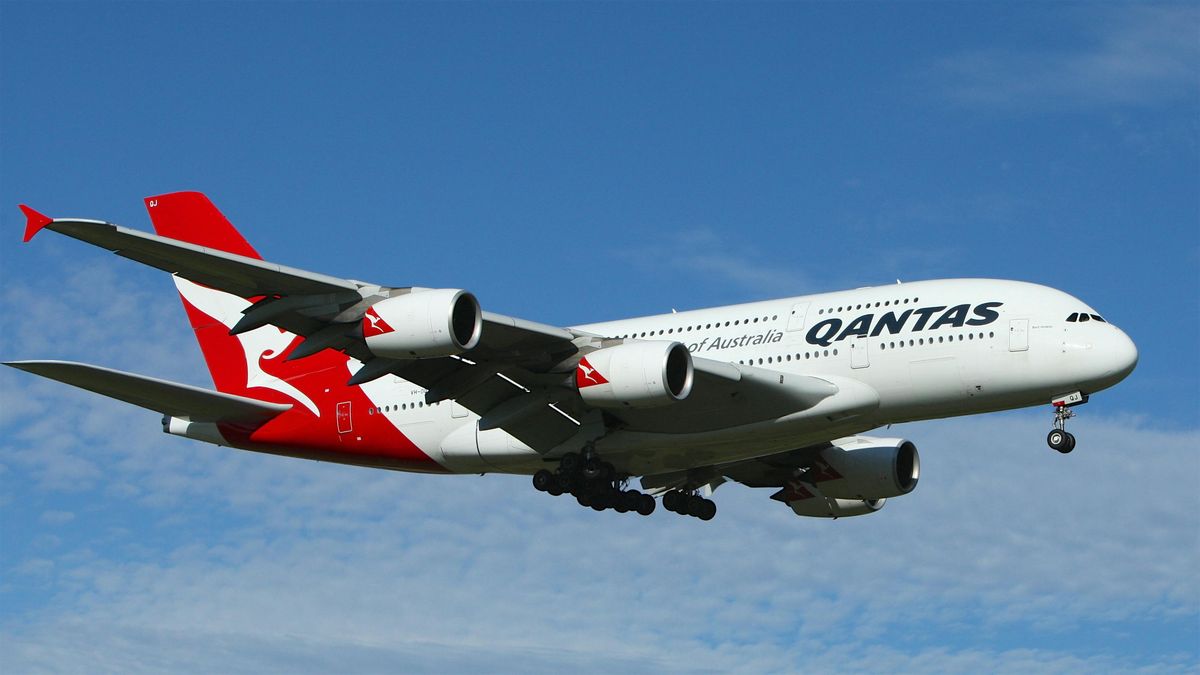
- Australia has expanded travel warnings to explicitly include transits and layovers in high-risk Middle Eastern hubs.
- The advisory warns that airports have been targeted by missiles, making even short connections potentially dangerous.
- Travelers are urged to contact airlines for rerouting to avoid Dubai and other designated “do not travel” zones.
(DUBAI) — The Australian Government warned citizens not to transit through Dubai or other “do not travel” locations in the Middle East, even if they plan to stay inside the airport for a brief connection.
The advisory says “do not travel” advice also applies to transit and layovers in affected locations. Even if you don’t plan to leave the airport, do not transit through these countries.
That language expands the practical reach of Australia’s highest-level travel warning from destination trips to itineraries that rely on hub airports for onward flights, including short layovers.
Australians with tickets that route them through Dubai can face disruption even if the United Arab Emirates is not their final destination, because the warning treats a stopover and a connection as exposure to the same risks.
The Australian Department of Foreign Affairs and Trade (DFAT) said it included transit in the warning because airports themselves have been targeted during the regional conflict.
DFAT said “Airports, hotels, roads, bridges and other locations have been struck with missiles,” and warned that airspace “may close at short notice.”
The department also warned that if a person transits through a “do not travel” country, “you may be unable to leave, putting your safety at risk.”
That risk can arise during disruptions that turn a routine connection into an extended wait, when airport operations and flight plans change and onward travel becomes uncertain.
Dubai International Airport and Zayed International Airport “have both been struck during the regional conflict,” and the latest strike at Dubai on Wednesday “reportedly injuring four workers.”
The UAE remained under a “do not travel” advisory “as of March 1, 2026,” when both the UK and Australian governments elevated their guidance to the highest level.
With the UAE treated as a “do not travel” location under Australia’s advice, DFAT’s warning extends beyond entry into the country and applies to people planning to change planes there.
For Australians already booked on routes that include a stop in a “do not travel” country like the UAE, the government’s advice is to contact a travel agent or airline to discuss alternative routes, rebooking, or refunds.
DFAT urged travelers not to cancel flights before getting professional advice, because airline and insurance call centres are “currently under pressure with long wait times.”
That pressure means travelers seeking changes can face delays while they try to adjust plans to avoid airports and airspace covered by the “do not travel” warning, even when the transit point is not their final stop.
For some Australians, the advisory turns Dubai from a convenient connection into a routing problem that must be solved through airlines or travel agents, under a warning that explicitly treats a layover as travel that Australians are told not to undertake.
Live Government Data
State Dept • CBPBusiest Border Crossings
- Tecate 60 min
- Hidalgo/Pharr 45 min
- Hidalgo/Pharr 45 min