(PITTSBURGH, PENNSYLVANIA) An American Airlines regional jet bound for Boston made an emergency landing at Pittsburgh International Airport after a possible lightning strike, airport officials confirmed, leaving passengers shaken but unharmed and raising fresh questions about how sudden weather events can disrupt tightly timed travel plans for U.S. citizens, foreign visitors, and immigrant families alike.
The incident: what happened
The flight, operated on an Embraer E175 aircraft for American Airlines, diverted to Pittsburgh on its way to Boston after crew members reported the suspected lightning strike while in flight.
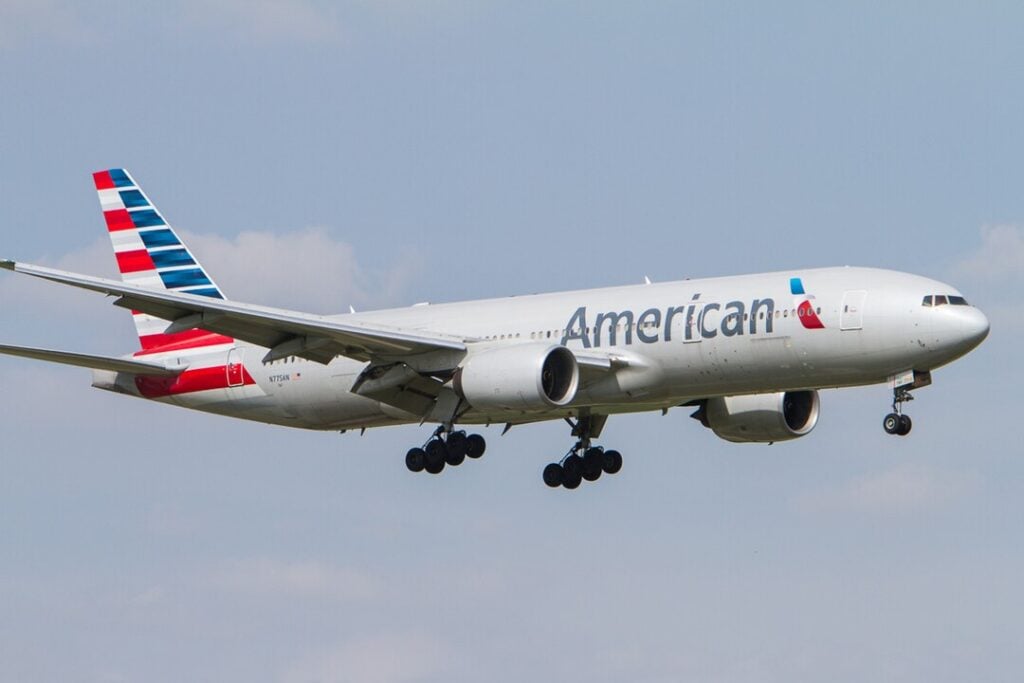
The plane landed safely, rolled to the gate under its own power, and passengers were able to disembark in a normal way, with no injuries or further complications reported.
American Airlines did not immediately release detailed information about the incident, but the airline confirmed the diversion was linked to the possible lightning strike rather than an engine failure or other mechanical problem.
Aviation sources stressed that modern aircraft are built to withstand lightning strikes, and that diversions are often ordered out of caution so maintenance professionals can inspect the jet on the ground.
Aircraft safety and operational response
- Aircraft type: Embraer E175 (regional jet)
- Cause of diversion: possible lightning strike, not engine failure or related mechanical issue
- Passenger outcome: no injuries reported; normal disembarkation
- Safety rationale: diversions allow ground inspections by maintenance crews to verify no hidden damage
Safety experts note that commercial aircraft experience lightning strikes more often than many passengers realize, and the vast majority do not lead to injuries. The key factor in this case was the decision to divert to Pittsburgh International Airport, where runway length and weather made it a practical place to land quickly and conduct inspections.
Impact on travelers, especially noncitizens and immigrants
The emergency landing unfolded at a time when Pittsburgh International Airport has seen growing numbers of international travelers, including students, temporary workers, and visitors on short-term visas who often rely on tight connections through major hubs.
For many of these passengers, a sudden diversion can trigger:
– Missed connections
– Additional security checks
– Confusion about entry records that are important for maintaining immigration status
Immigration lawyers emphasize that weather events like a lightning strike rarely change a traveler’s legal rights by themselves, but the knock-on effects can be significant. Examples of consequences include:
1. A missed onward flight leading to a delayed arrival and missed appointments.
2. An unexpected overnight stay that shortens available time for work, study, or family obligations.
3. Rebooking through a different city that changes the timing or location of U.S. Customs and Border Protection (CBP) inspection.
Diversions are often precautionary and don’t change legal admission rules, but they can scramble connections; keep receipts, stay flexible, and confirm new travel plans with your sponsor or school.
According to analysis by VisaVerge.com, diversion events tend to create the greatest stress for travelers already anxious about U.S. immigration inspections, such as:
– First-time students
– Refugees on humanitarian parole
– Workers arriving on new visas for the start of a job
Even in straightforward cases, hours spent in an unfamiliar airport after an emergency landing can heighten fear that a small mistake with documents could derail long-planned moves.
Customs and Border Protection (CBP) guidance and arrival records
Travelers arriving in the United States after an unplanned diversion are still processed under the same inspection rules, according to U.S. Customs and Border Protection guidance on its official travel pages at cbp.gov.
- Officers may ask additional questions about the route taken or changes in itinerary.
- Legal standards for admission do not change simply because a storm forced a detour.
For noncitizens, it is wise to confirm that their electronic arrival and departure record has been created correctly after a disrupted trip. The Form I-94 record can be checked and printed from the official government site at cbp.gov.
Key reasons to verify the Form I-94:
– It shows the class of admission
– It shows the date until which the person is allowed to stay
– This information becomes especially important when delays or diversions shorten time before work, study, or family commitments
After a weather-related diversion, immediately verify your Form I-94 on cbp.gov/i94 to confirm admission class and stay dates; print or save a copy for work or school deadlines.
Airport and airline response
At Pittsburgh International Airport, staff moved quickly to assist the diverted passengers, according to early accounts from the scene.
While details of rebooking efforts were not immediately available, standard practice in such cases is for airlines to arrange:
– Alternative flights
– Meal vouchers
– Hotel stays
These accommodations typically apply when a lightning strike or other weather-related event forces a schedule change outside the traveler’s control.
Local officials also clarified distinctions in recent emergency responses:
– The Pittsburgh incident involved American Airlines.
– Other recent events at the airport, such as emergency slide deployments and technical delays, involved Delta Air Lines flights.
This distinction matters for travelers tracking airline safety records and for immigrant families choosing flights for complex multi-leg itineraries.
Broader context and human impact
For many immigrants and visitors, the bigger worry is not the delay itself but the chain reaction it can set off with employers, schools, or family sponsors waiting at the other end.
Examples of downstream impacts:
– A worker arriving late for orientation
– A student missing the first days of class
– A parent delayed on the way to a green card interview
Weather-related diversions also highlight how dependent many migrants are on domestic connecting flights after an international arrival. A family might land in New York with immigrant visas, then fly onward to smaller cities like Pittsburgh, only to face an unexpected diversion that leaves them stranded far from relatives prepared to help.
Although the diversion may soon fade from headlines, it is likely to remain vivid for those on board, particularly foreign nationals whose earliest memories of the United States now include a sudden storm, a blinding flash, and an emergency landing at Pittsburgh International Airport on a stormy spring evening.
Key takeaway: Diversions after lightning strikes are typically precautionary and seldom indicate systemwide danger, but they can set off a series of logistical and immigration-related complications that disproportionately affect noncitizen travelers and immigrant families.
An American Airlines Embraer E175 bound for Boston diverted to Pittsburgh after a suspected lightning strike. The aircraft landed safely, no injuries were reported, and passengers disembarked normally. The diversion was precautionary to allow maintenance inspections; modern jets are designed to withstand lightning. The event highlights risks for international travelers, including missed connections, extra security checks, and potential complications with Form I-94 records. Pittsburgh airport staff assisted passengers while the airline and technicians began inspections and rebooking efforts.
Live Government Data
State Dept • CBPBusiest Border Crossings
- Calexico 150 min
- Brownsville 120 min
- Brownsville 120 min