- Major airline CEOs urged Congress to end the 30-day partial government shutdown affecting aviation security.
- Unpaid TSA workers face severe financial hardship, leading to increased resignations and longer airport wait times.
- Airlines support legislation to protect aviation worker pay from future political funding deadlocks.
(UNITED STATES) — Chief executives American Airlines public charter flights”>Stop Security Process at DFW Airport”>from American Airlines, Delta Air Lines and United Airlines urged Congress on Monday to end a partial government shutdown that has strained aviation security and wider Department of Homeland Security operations as the spring travel rush builds.
The airline leaders’ combined plea came as the shutdown reached its 30th day, leaving Transportation Security Administration workers and other federal aviation personnel working without pay while passenger volumes rise.
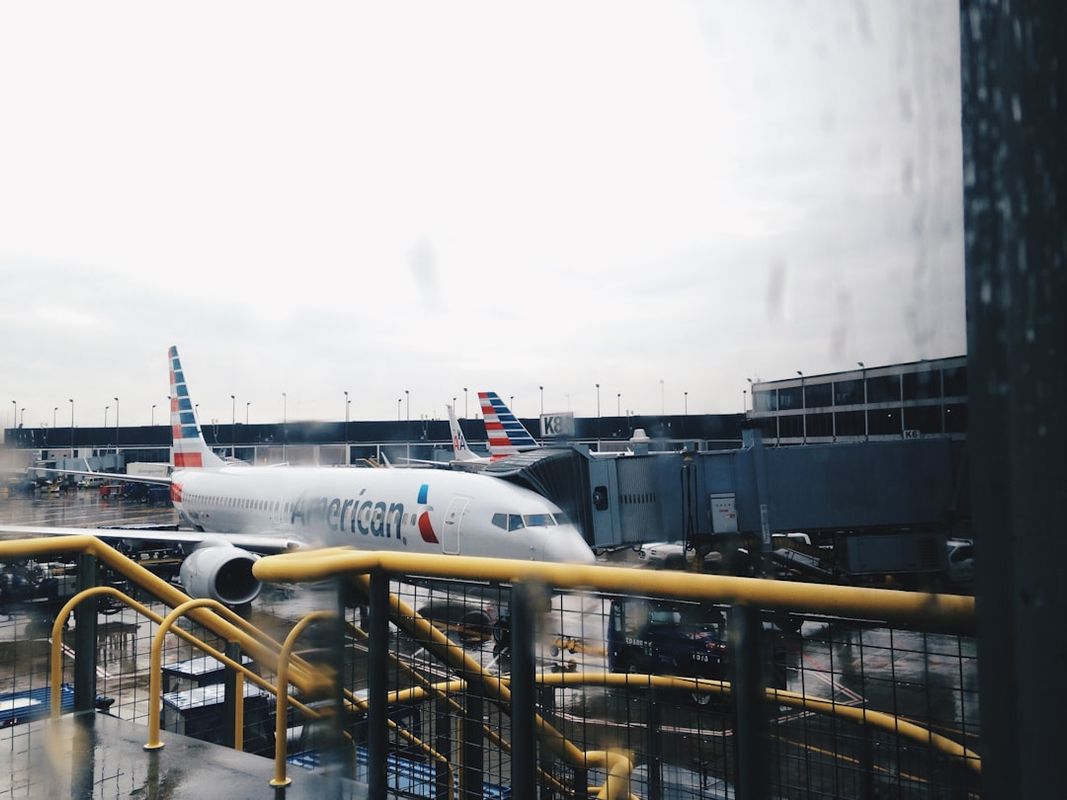
Airlines warned lawmakers that the funding lapse has started to ripple through the travel system, with disruptions compounding as more travelers take to the skies for spring break and other seasonal trips.
Pressure has also intensified across DHS, which oversees the TSA as well as other frontline functions that can shape airport throughput and traveler experience. A long-running lapse in pay, airline executives said, risks weakening staffing levels at the very moment demand peaks.
Transportation Secretary Sean Duffy amplified the industry’s message in a social media post on March 15, 2026, tying the shutdown directly to the security workforce. “AIRLINE CEOs: ENOUGH OF THE SCHUMER DHS SHUTDOWN. Kudos to the CEOs from our airlines and shipping companies for standing up for @TSA workers as they go into another week without getting paid!” Duffy said.
A Department of Homeland Security spokesperson, in a statement dated March 10, 2026, warned that prolonged funding pressure can translate into longer lines for travelers. “The longer this shutdown drags on, the more financial hardship our patriotic officers and their families face, leading to more staffing issues and longer wait times for travelers,” the spokesperson said.
The shutdown began on February 14, 2026, and it centers on DHS appropriations. As the lapse extended into mid-March, airlines and federal officials pointed to mounting strain on screening operations, airport staffing, and the reliability of normal travel flows.
Early in the shutdown, DHS announced on February 22, 2026, that it would take “emergency measures to preserve limited funds,” a step that immediately raised alarms across the aviation sector because it touched programs travelers use to speed their airport experience.
That DHS move initially included suspending TSA PreCheck and Global Entry. DHS reversed the PreCheck suspension within hours after industry pushback, but Global Entry remained suspended as of March 16, 2026.
Travelers have felt the strain most directly at checkpoints, where wait times have surged at some major airports and disrupted airline schedules. Airlines have held flights for delayed passengers in some cases and rebooked travelers when missed departures triggered cascading itinerary changes.
At the same time, the workforce effects have become harder to ignore. Tens of thousands of TSA officers have continued to report to work without pay, and the shutdown has coincided with a rise in resignations and unscheduled absences that airline leaders and federal officials linked to financial hardship.
At some large hubs, passenger screening delays have stretched for hours at peak times, creating a chain reaction that can spill into gate operations, missed connections, and crowded rebooking lines. Airlines said the operational impacts can vary by airport and by day, with staffing and travel surges combining to create sudden bottlenecks.
Spring break travel has added another layer of urgency. U.S. airlines have projected a record-breaking season, and carriers warned that even modest staffing drops can become disruptive when more passengers arrive at airports at the same time.
In a joint letter published on March 15, 2026, the airline CEOs called on Congress to end the shutdown and pass legislation meant to shield aviation workers from future funding lapses. The executives urged lawmakers to “de-politicize” the aviation workforce, framing the problem as one of continuity for the people who keep airports moving.
Their letter backed two proposals aimed at ensuring air traffic controllers receive pay regardless of future government funding gaps: the Aviation Funding Solvency Act and the Aviation Funding Stability Act. The CEOs also endorsed the Keep America Flying Act, which they described as a similar approach for TSA officers during shutdowns.
The push for legislative fixes comes as airlines try to stabilize operations day by day, managing staffing uncertainty at checkpoints while keeping aircraft and crews on schedule. Carrier executives have argued that predictable pay for essential aviation personnel would reduce the risk of last-minute disruptions when Washington funding fights spill into airport operations.
The shutdown’s political roots sit in a deadlock over immigration enforcement reforms. The standoff followed the fatal shootings of two U.S. citizens, Renee Good and Alex Pretti, in Minneapolis by federal agents earlier in the year, and Senate Democrats have refused to fund DHS until new restrictions are placed on federal immigration operations.
That impasse has pulled an array of immigration-adjacent services into the effects of the shutdown, even where the connection is indirect. While U.S. Citizenship and Immigration Services is primarily fee-funded and remains open, other programs tied to appropriated funds have been suspended or slowed, including E-Verify and the EB-4 Special Immigrant Religious Worker Program.
For frontline airport workers, the most immediate consequence has been pay disruption. Airline executives described an “unacceptable” choice between working for free and covering daily necessities such as food, gas, and rent, as the shutdown continued into another week.
Airlines have linked that financial pressure to potential weakening of staffing levels at checkpoints and to the uneven pace of screening across the country. When lines spike, passengers can miss flights and connections, forcing carriers to reshuffle seats, reaccommodate travelers on later departures, and absorb knock-on schedule impacts across networks.
The operational strain has also collided with travelers’ reliance on programs that ordinarily reduce time spent in screening queues. With Global Entry still suspended, some travelers returning to the United States have faced longer processing times, adding to congestion pressures that already build when flights arrive in clusters.
DHS has used public messaging to warn that the longer the lapse continues, the more stress spreads through the system. Duffy’s statement aligned the Transportation Department with industry concerns and highlighted the strain on TSA employees as the shutdown extended.
Travelers looking for official updates can monitor DHS announcements through the agency’s DHS newsroom updates. USCIS posts operational information for the public through its USCIS office closings status page, which can matter when field office disruptions affect appointments and services. TSA also posts advisories and agency updates through its TSA newsroom, where travelers and airlines can check for changes tied to the shutdown.