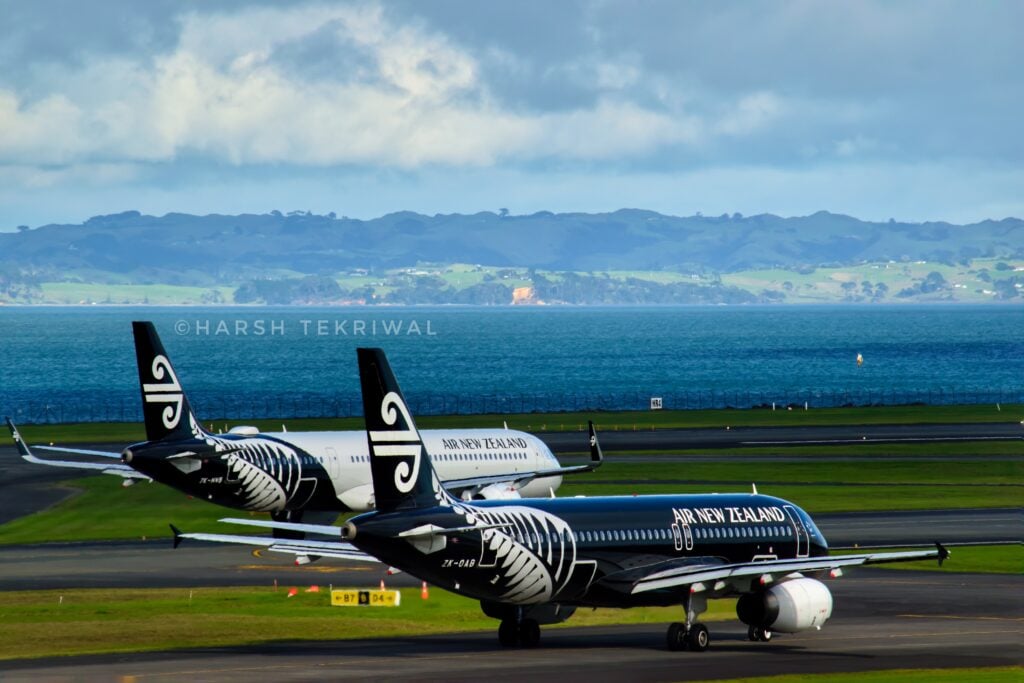
(WELLINGTON) Air New Zealand is facing detailed scrutiny after an Airbus A320neo suffered an uncommanded mid‑flight engine shutdown near Wellington on December 1, 2024, an event investigators now link to a damaged cockpit switch rather than crew action. The incident, involving an A320neo operating in regular service, did not follow any pilot command to reduce power or shut the engine down, according to official findings. Instead, the engine loss unfolded without any human input from the flight deck.
For a flag carrier that carries large numbers of international visitors, migrant workers, and students every year, the event raises pointed questions about reliability and reassurance, even though investigators stress it appears to be a specific technical problem.
What investigators found
The New Zealand Transport Accident Investigation Commission (TAIC) laid out the early technical picture in an interim report released on December 3, 2025, almost a year after the event near Wellington. TAIC concluded that the engine on the Air New Zealand A320neo shut down “without any human action,” a finding that immediately shifted focus away from pilot error.
Instead, the report links the engine loss to a damaged cockpit switch that sent a shutdown signal despite the crew not intending to command it. This kind of failure—where controls do not respond as designed—is especially sensitive in commercial aviation because it challenges assumptions about redundancy and reliability in modern jets.
“The engine on the Air New Zealand A320neo shut down ‘without any human action.’” — TAIC interim report (December 3, 2025)
How the report frames the event
- TAIC’s interim findings do not indicate a design‑wide defect in the A320neo family.
- The investigation focuses on a single damaged cockpit switch that triggered the shutdown.
- The report is still interim: detailed engineering analysis and further examination of maintenance and inspection records are ongoing.
Related incidents and important distinctions
Investigators were careful to separate this event from other technical occurrences involving the same airline and aircraft family. TAIC highlights that there have been no other recent engine losses due to damaged cockpit switches on Air New Zealand A320 aircraft.
A notable comparison:
| Date | Aircraft/Issue | Relation to Dec 1, 2024 event |
|---|---|---|
| Dec 1, 2024 | A320neo — uncommanded engine shutdown (near Wellington) | Linked to a damaged cockpit switch; engine loss without human input |
| Oct 24, 2025 | A320 — hydraulic failure | Unrelated to the engine shutdown; different system and failure mode |
This separation matters because it frames the mid‑flight engine loss as an isolated technical anomaly rather than part of a broader pattern.
Safety, public confidence, and regulatory response
Regulatory bodies typically respond to rare events like this by reviewing:
- Maintenance instructions
- Inspection intervals
- Crew procedures and training
In New Zealand, agencies responsible for air safety publish technical guidance and investigation outcomes to inform airlines, maintenance providers, and the travelling public. For official information and updates, TAIC is the public source: https://www.taic.org.nz.
Although the document is labelled an interim report, it already shapes how Air New Zealand and manufacturers assess cockpit component durability and fault detection.
Impact on travellers — especially migrants and visa‑linked passengers
For many travellers the pressing question is: is it safe to fly? The technical nuance matters less to people whose travel is tied to strict immigration deadlines. Practical impacts include:
- Schedule disruption and inspections that can lead to delays or temporary aircraft withdrawal.
- Downstream consequences such as missed visa appointments, delayed job start dates, and extra accommodation costs.
- Increased scrutiny by employers and sponsors who monitor safety records for corporate travel policies.
Key groups affected:
- International students needing to arrive before term starts.
- Skilled workers on time‑limited visas needing to activate status by specific dates.
- Family members on visitor visas whose itineraries are visa‑compliant and carefully timed.
Analysis by VisaVerge.com (as cited in the original reporting) suggests that air travel reliability is a growing factor for migrants choosing routes and carriers when they must meet exact dates for immigration processes.
Technical context: the A320neo and component vulnerability
The A320neo is widely used on trans‑Tasman and Pacific routes and carries a mix of tourists and migrants to and from New Zealand. TAIC’s interim report does not identify a design‑wide defect in the A320neo; the focus remains on the damaged cockpit switch in this single event.
Still, any engine loss in cruise prompts closer checks by airlines and regulators because:
- Modern aircraft rely on complex, interconnected systems.
- A single degraded component can cascade into significant system responses if it produces erroneous signals.
- Public trust depends on transparent investigation outcomes and corrective actions.
Implications for employers, sponsors, and policy
The finding that the engine loss resulted from a single component fault rather than crew action or a systemic maintenance failing may make it easier for firms and travellers to accept the outcome once the final report is published. That distinction helps restore confidence more quickly while authorities and manufacturers address the technical cause.
From a policy standpoint, TAIC’s clear separation between the December 1, 2024 engine shutdown and the October 24, 2025 hydraulic failure helps limit speculation and prevents unrelated incidents from being conflated—reducing pressure for broad measures that may not reflect the real risk.
What to watch next
Travellers, especially those on time‑sensitive visas or with immigration deadlines, will be watching for:
- The final TAIC report
- Any safety bulletins or airworthiness directives issued by regulators or the manufacturer
- Airline communications about maintenance checks and aircraft availability
For now, the interim finding that the engine loss was driven by a damaged cockpit switch without any human input underscores two clear points:
- A small fault can have large consequences in modern jets.
- Clear, detailed investigation reports are essential to maintaining public trust—especially for migrants whose travel is central to starting a new life abroad.
An Air New Zealand A320neo experienced an uncommanded engine shutdown near Wellington on December 1, 2024. TAIC’s December 3, 2025 interim report attributes the shutdown to a damaged cockpit switch that issued a shutdown signal without crew input. Investigators call the event an isolated technical anomaly rather than a design‑wide A320neo defect. Airlines and regulators are reviewing inspections, maintenance practices and component durability while further engineering analysis continues.