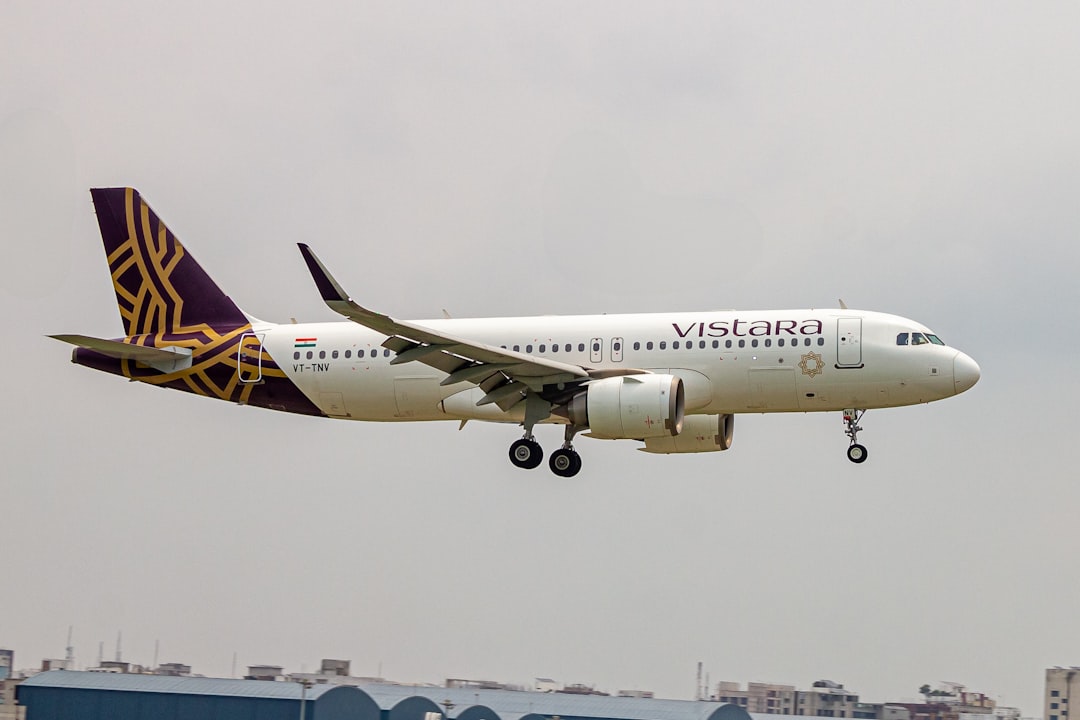
(INDIA) Air India has admitted a serious breakdown in its safety and paperwork checks after an Airbus A320 operated eight commercial passenger flights and one test flight in November 2025 without a valid Airworthiness Review Certificate (ARC) and without the required special flight permit, according to an internal document and regulatory filings.
The aircraft, an Airbus A320 with registration VT-TQN, was undergoing an engine change when its ARC expired, but the certificate was never renewed before the jet was cleared to fly again. Despite the missing ARC, the plane returned to service and was even used for a test flight on November 24, 2025, which should have required a special flight permit under Indian aviation rules.
Discovery, immediate actions and regulatory classification
Air India discovered the lapse internally and notified the Directorate General of Civil Aviation (DGCA) on November 26, 2025. The airline grounded the aircraft, suspended all personnel linked to the failure, and told the regulator that its “compliance culture” needed a significant overhaul.
The DGCA, which regulates airline safety in India and publishes oversight rules on its official site at dgca.gov.in, classified the case as a Level 1 safety finding, the most serious category for such violations.
“From a regulatory point of view, the aircraft should not have moved an inch with passengers on board.”
— a senior person familiar with DGCA procedures
Immediate regulatory and internal responses
- The DGCA de-rostered the pilots, engineers, and other staff connected with the flights and opened a formal investigation.
- Officials grounded VT-TQN until all documents were corrected and fresh inspections were carried out.
- Under Indian rules, the regulator can impose a penalty of up to ₹10 million (about $111,201) for operating an aircraft without a valid ARC.
What the ARC and CAMO are, and how they failed here
The Airworthiness Review Certificate (ARC) is a key document that indicates a commercial aircraft continues to meet required airworthiness standards after maintenance and inspections. It is part of the continuing airworthiness system that airlines are expected to maintain via a Continuing Airworthiness Management Organisation (CAMO).
In this case:
- Air India’s CAMO failed to notice the ARC had lapsed while engine work was being done.
- No one in the chain — maintenance, CAMO, or operations — stopped the aircraft being released to service.
Internal investigation findings
The internal Air India probe described multiple failures in procedure and checks:
- Maintenance engineers did not properly check onboard documents before returning the aircraft to service, despite the ARC being among the first items to verify.
- Pilots conducted pre‑flight preparations without spotting the missing ARC, even though company rules and standard operating procedures require them to review key papers — including airworthiness documents, navigation charts, and cargo manifests — before accepting an aircraft.
In an internal communication seen by staff, Manish Uppal, Director of Flight Operations at Air India, called the episode “regrettable” and reminded pilots that strict attention to paperwork was not optional. He stressed that pilots must check the ARC and other mandatory documents before every flight and warned that future non‑compliance would lead to disciplinary action.
Special flight permit omission
The missing special flight permit for the November 24 test flight drew separate scrutiny.
- When major work (such as an engine change) is performed, a non‑revenue test flight is sometimes required to verify performance before normal service resumes.
- Such flights must be covered by a special flight permit from the regulator, often carrying conditions like route limits, weather restrictions, or specific technical checks.
- In this case, no permit was issued before the test flight, which added another element to the DGCA’s Level 1 finding.
Timeline (key dates)
| Date | Event |
|---|---|
| November 24, 2025 | Test flight of VT-TQN took place without a special flight permit |
| November 26, 2025 | Air India notified DGCA after internal discovery; aircraft grounded and staff suspended |
| November 2025 (general) | 8 commercial flights + 1 test flight operated without valid ARC |
Broader implications and reactions
While there is no public report of any technical problem or passenger injury during the nine flights, safety specialists stress the issue is systemic rather than incidental. For regulators, the key question is whether rules are followed every time — not only when a fault appears.
- Frequent flyers’ groups and unions representing pilots and engineers have asked how many people missed the expired ARC before the aircraft was finally stopped.
- The incident has been described internally as a wake‑up call.
Air India says it has asked Singapore Airlines experts to help it rework its compliance systems and CAMO processes from the ground up, reflecting the airline’s efforts to rebuild credibility after its takeover by the Tata Group and Singapore Airlines’ strategic stake.
Corrective measures promised by Air India
Air India has pledged a range of measures to prevent recurrence, including:
- A fundamental review of its compliance culture
- Additional training for staff
- New cross‑checks between pilots and maintenance personnel
- Possible changes to digital tracking of certificates and permits
- Tighter links between CAMO and flight operations so pilots receive automatic alerts if critical documents (e.g., an ARC) are near expiry
Expected DGCA outcomes
The DGCA is expected to complete its investigation and decide on penalties and further directives. Historically, enforcement actions in India for systemic gaps have included:
- Extra audits
- Regular compliance reporting
- Creation of new oversight posts
Industry lawyers note that a Level 1 finding related to an ARC and absence of a special flight permit is likely to produce a detailed regulatory order, even if the final monetary fine is below the maximum ₹10 million.
Key takeaway
VT-TQN remains a symbol of how a chain of small oversights can escalate into a serious safety case. From a missed certificate update during an engine change, to maintenance engineers failing to double‑check documents, to pilots not following standard operating procedures, each lapse removed a layer of protection that modern airline systems are designed to provide.
Air India has stated its goal is to ensure such a combination of errors cannot happen again, while the DGCA continues to examine records, interviews, and technical logs linked to the flights in question.
Air India admitted an Airbus A320 (VT-TQN) operated eight commercial flights and a test flight in November 2025 without a valid ARC and without a special flight permit. The lapse occurred during an engine change and was missed by CAMO, maintenance and flight crews. The DGCA was notified on Nov. 26, 2025; the aircraft was grounded, staff suspended and a Level 1 safety finding opened. Air India pledged compliance fixes and outside support from Singapore Airlines.
Live Government Data
State Dept • CBPBusiest Border Crossings
- Nogales 120 min
- San Ysidro 100 min
- Nogales 90 min