- Afghan veteran Mohammad Nazeer Paktiawal died in ICE custody less than 24 hours after arrest.
- The 41-year-old asylum seeker was arrested before his children in North Texas on Friday.
- Death occurred in a short-term processing room at the ICE Dallas Field Office.
(NORTH TEXAS) — U.S. Immigration and Customs Enforcement arrested Mohammad Nazeer Paktiawal on Friday and he died less than a day later while held in a processing hold room at the ICE Dallas Field Office, officials said.
Officials identified Paktiawal as a 41-year-old Afghan father living in North Texas while seeking asylum. They said he died in ICE custody in Texas after agents took him into custody and brought him to the Dallas Field Office.
The death drew attention because it followed quickly after his arrest and because officials described him as a veteran of the U.S. war in Afghanistan. His case also surfaced as part of a wider accounting of deaths in ICE detention so far in 2026.
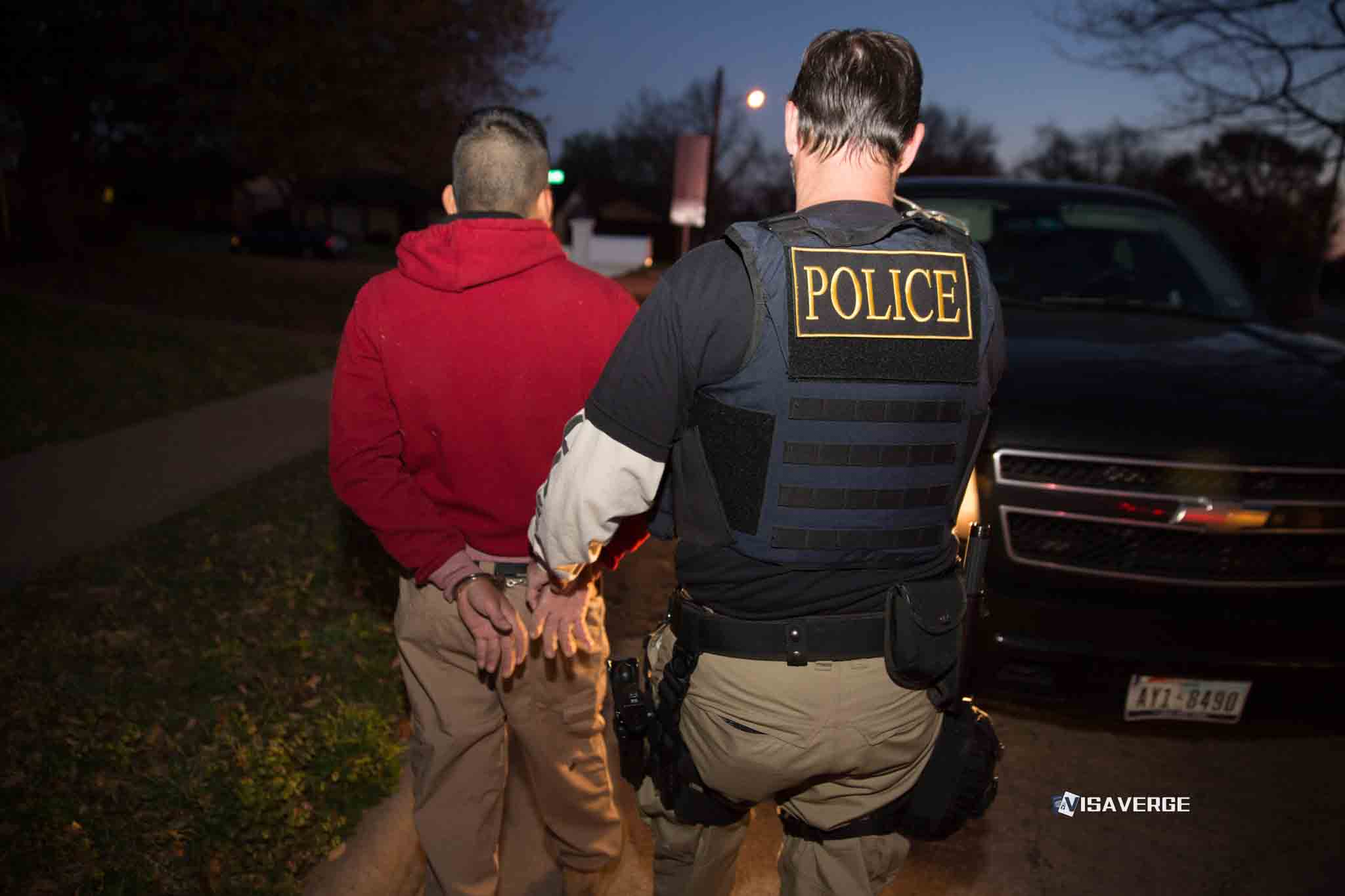
Paktiawal’s arrest unfolded in front of his children, officials said. They said he was surrounded and arrested in his vehicle with his children present.
Officials said ICE took him to the ICE Dallas Field Office processing hold room. They said he died there less than a day after he was taken into custody.
The brief timeline between arrest and death has focused attention on what happens in the first hours of immigration custody, when detainees can move through intake, identity checks and processing. Processing hold rooms are generally short-term spaces where people wait while officers complete administrative steps tied to custody decisions and transfers.
Officials did not provide further detail in their public description beyond where he was held and how quickly he died. The short window has left advocates and members of the public looking closely at how detention settings manage health, safety and supervision in the earliest stage of custody.
Paktiawal’s death came as publicly available data has pointed to a steady cadence of deaths in ICE detention in 2026, based on the figures cited alongside his case. That pace has sharpened scrutiny of conditions in immigration custody, even as totals can shift with definitions, reporting updates and official confirmation.
Counts and rates in detention-death tallies can vary depending on what facilities are included and how “in custody” is defined when people move between short-term and longer-term settings. Officials can also update or revise information as reviews proceed, which can change how a death is categorized in year-to-date data.
Paktiawal’s background added another layer of attention, officials said. They described him as an Afghan veteran of the U.S. war in Afghanistan.
Officials also pointed to the contrast in his story: he survived combat during the U.S. military operations in Afghanistan but could not survive ICE detention. That framing has resonated in debates that often turn on what governments owe people they detain, particularly when those people include asylum seekers and individuals tied to U.S. military efforts abroad.
Cases involving asylum seekers can carry additional public sensitivity because detention intersects with claims of fear and requests for protection. Officials said Paktiawal was living in North Texas while seeking asylum when ICE took him into custody.
For many families, the arrest setting becomes part of the public story in ways that extend well beyond the custody decision itself. Officials said Paktiawal was arrested in front of his children, a detail that often intensifies concern about how enforcement actions are carried out when minors are present.
The location of the death — the ICE Dallas Field Office — also matters because field offices serve as hubs for enforcement and processing across defined regions. Officials said Paktiawal died in a processing hold room at that office, a setting associated with short-term holding rather than long-term detention housing.
In practice, a processing hold room typically signals a transitional stage of custody, where people can be held while paperwork is completed and next steps are determined. The level of medical capability and monitoring in such spaces can differ from dedicated detention centers, which is one reason deaths or medical emergencies in short-term settings can raise questions about screening and response.
Officials did not describe the circumstances inside the hold room beyond identifying it as the location where he died. They also did not describe the cause of death in their account.
Deaths in custodial settings commonly draw calls for documentation that can help establish a timeline and clarify what occurred. In immigration cases, that can include incident reports, internal logs, medical screening records, and accounts from officers and any witnesses who were present during processing and detention.
Requests for such records often come from multiple directions, including attorneys, family members, civil-rights advocates and, at times, lawmakers. Those inquiries can focus on the sequence of events from apprehension to death, the steps taken to assess medical needs, and what response followed any sign of distress.
Public attention in these cases also often centers on whether detention standards were followed and whether staff responded appropriately to warning signs. In many detention-death controversies, advocates press for independent review and for public release of information that can otherwise remain inside government files, while agencies weigh privacy restrictions and investigative processes.
Policy discussions can also follow, particularly when a death is viewed as part of a broader pattern rather than an isolated event. Officials linked Paktiawal’s death to a wider set of reported custodial deaths in ICE detention in 2026, a connection that tends to amplify demands for oversight of detention conditions and of short-term holding environments.
More broadly, scrutiny of detention deaths can intersect with questions about how agencies handle vulnerable populations and people with complex histories. Officials described Paktiawal as both an Afghan father seeking asylum in North Texas and a veteran tied to the U.S. war in Afghanistan, details that can sharpen questions about how enforcement decisions meet humanitarian concerns.
The U.S. war in Afghanistan created a long tail of migration and displacement tied to security threats, political upheaval and personal risk. Officials did not place Paktiawal’s asylum claim within any broader program or timeline, but they did characterize him as seeking asylum when he died in ICE custody.
The mention of his service alongside U.S. operations in Afghanistan has also highlighted a deeper tension in immigration debates, where personal histories of wartime cooperation can collide with enforcement priorities. Officials said Paktiawal survived combat during U.S. military operations but died in ICE detention, underscoring that his death occurred not in a battlefield context but within a government holding environment.
In detention-related cases, the geographic framing can matter for community response and accountability. Officials said Paktiawal lived in North Texas and died in custody at the ICE Dallas Field Office, placing the incident within the region’s enforcement footprint.
Community reaction in such cases often reflects a mix of grief, anger and uncertainty, particularly when a death follows quickly after an arrest and when family members, including children, were present at the moment custody began. Officials said the arrest happened in front of his children, anchoring the story in a family setting rather than in an isolated law-enforcement encounter.
Even without additional public details, the basic chronology officials provided has been enough to raise questions from those who follow immigration detention closely: a Friday arrest, custody in North Texas, and a death less than a day later in a processing hold room. Officials said those were the core facts of where and when Paktiawal died.
Detention-death cases often become tests of institutional transparency because they depend on records that are not automatically public. How quickly agencies release information, what details they disclose about medical events, and whether they provide a clear timeline can shape public trust, even before any formal findings emerge.
They can also become focal points in discussions about how detention systems operate under pressure, including how facilities handle intake and processing for people held for immigration reasons. Officials did not describe any operational conditions at the Dallas Field Office at the time, but they linked his death to a wider pattern of deaths in custody that has drawn attention this year.
For families, the immediate reality can be stark: a relative taken into ICE custody and then dead within hours. Officials said Paktiawal was taken to the ICE Dallas Field Office processing hold room and died there less than a day later, a sequence that has made his name — Mohammad Nazeer Paktiawal — a flashpoint in North Texas discussions about ICE custody and what happens behind the doors of short-term holding spaces.