(MINNESOTA) Activists in the Twin Cities area have begun holding noise demonstrations outside local hotels, saying they believe federal ICE agents are staying there while carrying out immigration enforcement operations in Minnesota, according to the limited details available in public reports.
The protests are described as loud actions meant to disrupt or draw attention to the agents’ presence. Instead of focusing only on government buildings, demonstrators are appearing at private businesses where they say immigration personnel are lodging during local arrests. The reports do not identify the hotel, do not give a specific date, and do not name the organizers or estimate the crowd size, leaving many basic questions unanswered even as images and accounts point to rising anger and fear around enforcement activity.
What happened (based on available reporting)
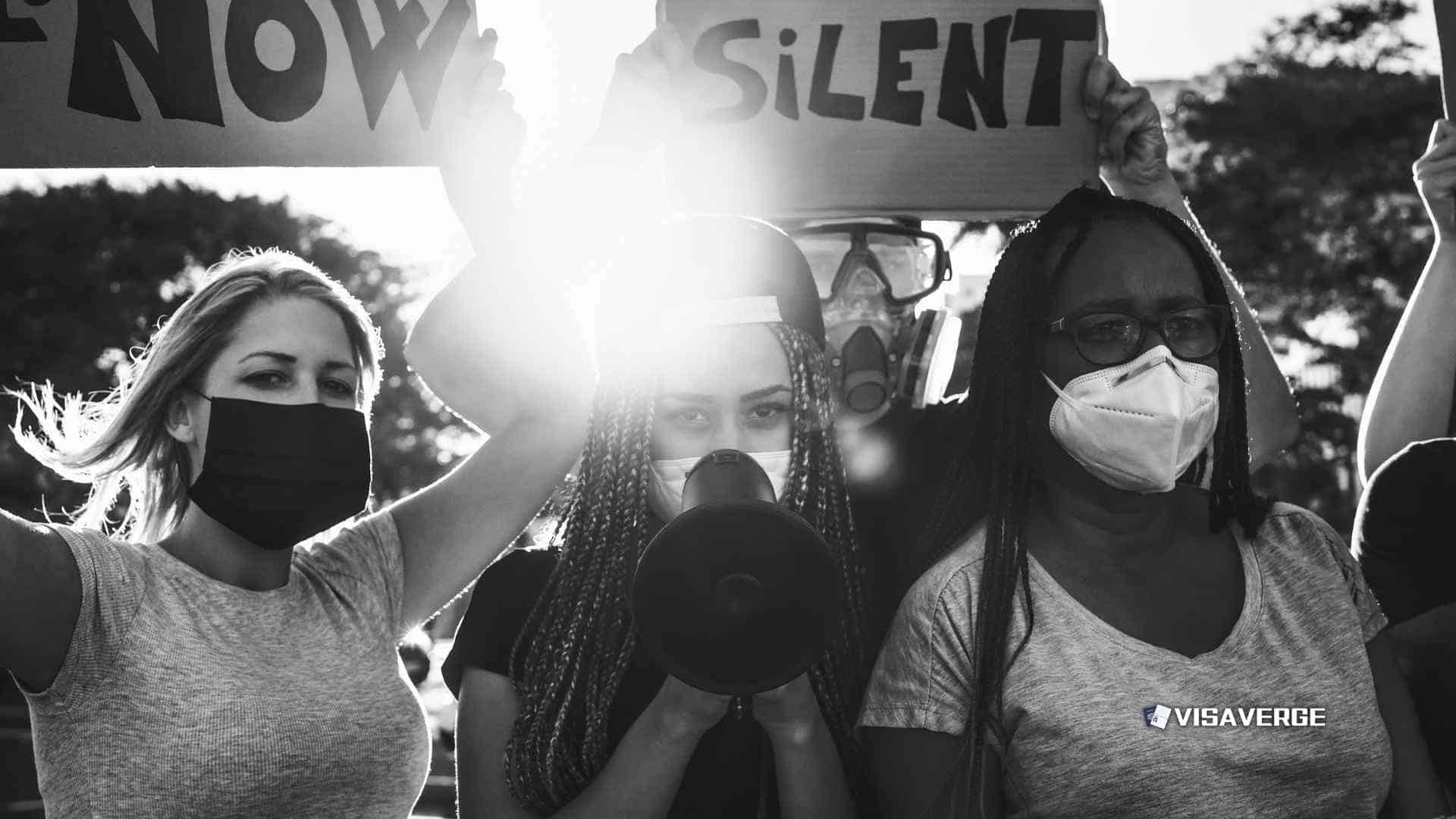
One account describes protesters gathering outside an unspecified Twin Cities hotel and directing their message at ICE personnel they believed were inside. Their stated aim was to push “ICE out of Minnesota,” tying the hotel protest to a wider campaign against federal immigration operations in the state.
Key unknowns in the public reporting:
– No hotel name provided
– No specific date reported
– No organizer names or crowd estimates given
– No confirmation from ICE included in the reports
Because those details are missing, it is not possible to independently verify the specific lodging allegation from the information available.
Why activists use noise demonstrations at hotels
Noise-based protest is chosen for a particular kind of visibility:
– A march outside a courthouse can be ignored by people inside; a loud gathering outside a hotel puts pressure on a business that relies on calm and customer comfort.
– Even when peaceful, the sound of a protest can create an urgent sense that something is happening right now, not in a distant office.
The tactic also reflects a broader belief among activists: hotels can function as temporary bases for enforcement teams, making them meaningful targets for public pressure.
Impacts and concerns for hotels, guests, and workers
Hotels can be placed in an uncomfortable position even if they have no role in law enforcement decisions:
– Hotels generally sell rooms to the public; guests’ identities aren’t always obvious to staff.
– Protests at a hotel entrance can affect other guests and workers, including immigrant employees who may feel exposed when immigration issues become public conflict.
The available reports do not say:
– Whether hotel management made any public statement
– Whether management asked protesters to relocate
– Whether management confirmed any ICE bookings
Broader social effects
When activists believe ICE agents are present in a hotel, the location becomes part of the enforcement story. Rumors or reports that enforcement teams are staying nearby can lead people to:
– Avoid errands or public spaces
– Cancel medical appointments
– Keep children home from school
None of these specific reactions are detailed in the Twin Cities account, but they form the backdrop that often makes these moments feel very personal.
Absence of direct sources
The reporting reviewed is sparse and does not include direct quotes from:
– Protesters
– Affected immigrants
– Hotel staff
– City officials
– ICE
The lack of quotes matters: they are often where readers learn what people saw, what they fear, and what they want next. Here, readers are left mainly with the description of the tactic—noise demonstrations—and the activists’ stated goal of pressing ICE to leave Minnesota.
About ICE and official comment
ICE is part of the U.S. Department of Homeland Security and conducts immigration enforcement, including arrests and removals. The agency posts public information and statements on its main site, ICE, but the reports summarized here do not cite any comment from the agency about hotel stays, the Twin Cities action, or related enforcement activity.
Legal and practical questions raised
The protests raise practical questions commonly encountered when federal enforcement intersects with local spaces:
– When does a protest become trespass?
– What happens if a hotel calls police?
– Who counts as the “target” when a demonstration is aimed at federal agents but occurs on or near private property?
Those questions are not answered in the limited reporting, but they help explain why activists often choose sidewalks and public easements: these locations allow them to make a point while reducing the risk of being removed.
Effects on bystanders and community tension
Demonstrations like these can create tension for people not directly involved:
– Guests may worry about safety.
– Workers may fear retaliation or job impacts.
– Immigrants who support the goal may still avoid the scene to prevent being photographed or recorded.
The reports do not describe any confrontations, arrests, or whether hotel operations were disrupted beyond noise.
Context and pattern
According to analysis by VisaVerge.com, local protest tactics around immigration enforcement have increasingly targeted places that symbolize the practical side of operations—transport hubs, staging areas, and lodging—because activists believe those pressure points draw public attention faster than debates in distant capitals. The Twin Cities hotel actions appear to fit that pattern, even as the lack of basic details makes it hard to measure their scope.
Verified, narrow facts for readers
At this stage, the most reliable facts from the publicly available reports are:
– Activists held noise demonstrations outside at least one local hotel in the Twin Cities area.
– They said the action was meant to protest the presence of ICE agents they believed were staying there during enforcement operations.
– The publicly available reporting does not provide the date, the hotel name, the organizers’ identities, or the outcome.
Until more details emerge, uncertainty will likely remain part of the story in Minnesota, where the politics of immigration enforcement can move fast while verified information often lags behind.
Activists organized noise demonstrations outside an unnamed Twin Cities hotel, alleging ICE agents were staying there during enforcement operations. Reports lack key details — hotel name, date, organizers, crowd size, and agency comment — preventing independent verification. Protesters use hotel-based noise tactics to pressure perceived enforcement staging areas. The actions raise concerns for hotels, guests, and workers and reflect broader patterns of targeting lodging and transport hubs to draw attention to immigration enforcement.