- HM Inspectorate found unnecessary use of restraints during deportations, including waist belts, leg restraints, and rigid handcuffs.
- Inspectors documented cases of shackling for 17 hours and restraining vulnerable individuals without any history of disruption.
- Home Office policy requires individual risk assessments, but findings suggest restraints have become a routine default measure.
(UK) – HM Inspectorate of Prisons found asylum seekers and vulnerable migrants were subjected to prolonged and unnecessary restraints during deportations from detention centres to flights, including waist belts, leg restraints, handcuffs and rigid bar cuffs.
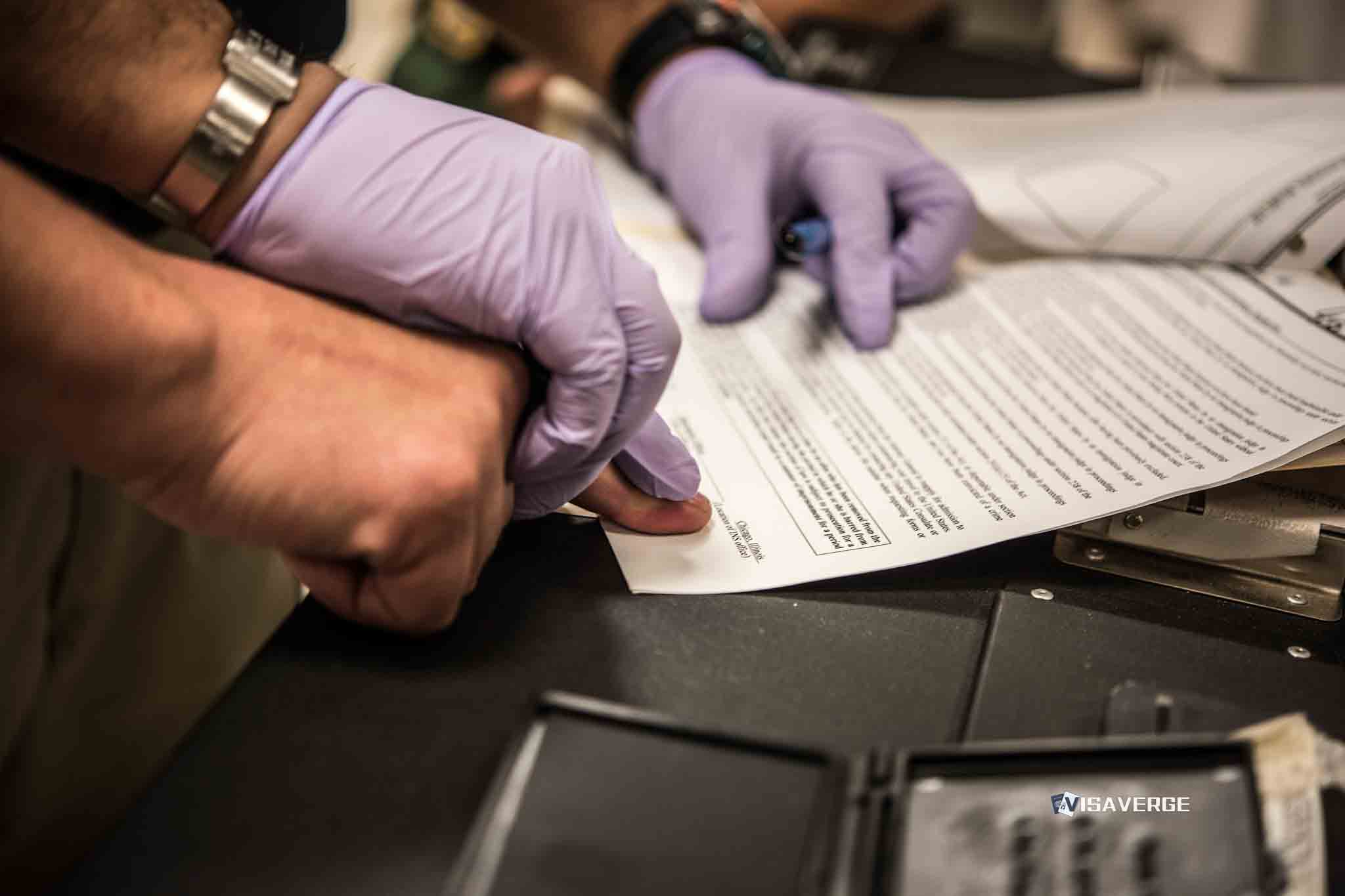
Chief Inspector Peter Clarke documented cases in which escorts used restraints on people with no record of disruption, kept some detainees shackled for hours, and applied force in ways the report described as heavy-handed. The findings covered removals from detention to airports and medical appointments linked to detention.
Among the cases, the report said asylum seekers on a deportation flight were restrained with waist belts that were deemed “unnecessarily” heavy-handed. In another case, a frail 70-year-old man was handcuffed during a hospital visit despite having no history of disruption.
Clarke’s report also described one man who endured rigid bar cuffs, a waist-restraint belt, thigh restraints and ankle restraints for more than 4.5 hours. Another detainee identified as a self-harm risk was restrained on the way to the airport, removed his trousers, was carried onto the aircraft naked from the waist down, soiled himself, and had his head pushed against the seat by staff kneeling in front of him.
At Gatwick immigration detention centre, nearly all migrants taken to hospital appointments in 2024 and early 2025 were handcuffed, the report found. It said restraint had become the default in those escorts.
On one set of removals from detention centres, 13 of 23 detainees wore waist restraint belts until they boarded. Some were shackled for up to 17 hours, and one woman described as “frightened” was handcuffed, placed in leg and waist restraints, and carried onto the aircraft.
A detainee identified as Said, who was removed to France, described what he said happened during enforcement. He said staff used four different belts, banged his head against a wall, and tightened one belt so it choked his throat while he screamed in pain.
The report set those incidents against a formal policy framework that requires individual assessments before escorts use restraints. Home Office policy requires risk assessments before handcuffs, leg restraints and waist restraint belts are used on detainees under escort during journeys inside the country or overseas, under Detention Services Order 07/2016.
That framework did not prevent the cases described by inspectors. Clarke’s findings pointed to a gap between policy on paper and the way escorts treated people judged fit for removal, including asylum seekers and vulnerable migrants.
The report noted that force in escorted removals has declined. It cited 6% in 2013, after higher rates earlier, but said the recent findings still raised concerns about how officers used restraints in practice.
Medical Justice condemned the treatment described by inspectors. A spokesperson for the group called it an “inexcusable disregard for the safety of vulnerable people,” and said the lessons had not been learned.
The criticism reached beyond a single method of restraint. The report described a system in which waist belts, handcuffs, leg restraints and rigid bar cuffs were used on people going to hospital, being moved to flights, or already at the point of boarding, even though the Home Office rules require officers to assess whether those measures are justified.
The examples in Clarke’s report ran from a hospital escort involving a 70-year-old man to a removal in which a detainee spent more than 4.5 hours in multiple restraints, to a boarding in which a self-harm-risk detainee was carried onto an aircraft naked from the waist down. Taken together, they showed how restraint could escalate across different stages of the deportation process.
Inspectors also drew attention to the duration of some restraints. Holding detainees in waist belts and other restraints until the point of boarding, and in some cases for up to 17 hours, pushed the issue beyond momentary control measures and into prolonged physical confinement.
Gatwick featured prominently in the findings. Nearly all migrants taken from that detention centre to hospital appointments in 2024 and early 2025 were handcuffed, the report said, a pattern that suggested escorts had come to treat restraints as routine rather than exceptional.
That pattern sat uneasily with the Home Office’s own rules. Detention Services Order 07/2016 requires risk assessments before handcuffs, leg restraints and waist restraint belts are used, but the report’s cases included people with no history of disruption and detainees whose vulnerability was already apparent.
The Home Office responded by pointing to a broader package of reforms announced by the Home Secretary. Those changes, it said, would ease deportations, reform human rights laws and replace appeals systems.
Clarke’s findings left a narrower question hanging over those plans: how escorts apply force to people in their custody before a flight ever leaves the ground. The report showed that, despite lower overall use of force than in earlier years, detainee safety and oversight remain live issues inside the removal system.
The details were often stark. One man wore rigid bar cuffs along with thigh and ankle restraints. Another detainee described four belts being used against him. A self-harm-risk man arrived at the aircraft naked from the waist down after officers restrained him en route. Those accounts placed waist belts and other restraints at the centre of the inspection’s criticism.
Medical Justice’s intervention added pressure for scrutiny of escort practices, especially where vulnerable people are involved. Its spokesperson’s description of an “inexcusable disregard for the safety of vulnerable people” echoed the report’s picture of force being used in circumstances that inspectors did not accept as justified.
Peter Clarke’s report did not present restraint as an isolated problem. It showed officers using handcuffs on hospital escorts, fastening waist belts on detainees until boarding, and in one case combining rigid bar cuffs with multiple other restraints for hours, despite rules that require case-by-case assessment before force is used.
Said’s account carried that criticism into a single image. He said officers put him in four different belts, banged his head against a wall and tightened one so hard around his throat that he screamed in pain as he was removed to France.