As of August 15, 2025, the discharge of qualified principal residence indebtedness (QPRI) exclusion is still available. If your mortgage lender forgives debt that was used to buy, build, or substantially improve your principal residence, you may keep that forgiven amount out of your gross income. The exclusion covers discharges after 2006 and before January 1, 2026.
For discharges from 2021 through 2025, the maximum amount of qualified principal residence indebtedness you can treat as eligible is $750,000 ($375,000 if married filing separately). If you claim the exclusion, you must also reduce your home’s tax basis by the amount you excluded, but not below zero.
Who Qualifies: Debt, Home, and Timing Tests
To qualify, three elements must line up: the debt, the home, and the timing.
- Debt test
- Qualified principal residence indebtedness means debt you incurred to acquire, construct, or substantially improve the home, and the home secures the loan.
- Refinanced debt qualifies only up to the old balance. Any cash you took out in a refinance (cash‑out) is not qualified principal residence indebtedness.
- Home test
- Your principal residence is the place you live most of the time — only one home can be your principal residence at a time.
- The IRS considers where you spend most of the year and common signals like the address on your tax return, driver’s license, voter registration, and actual personal use.
- Timing test
- The discharge must occur after 2006 and before January 1, 2026.
- As of mid‑2025, no further extensions have been announced.
Important limits and exceptions:
– You cannot use the exclusion if the discharge occurred because you performed services for the lender, or for reasons unrelated to a drop in home value or your financial condition.
– The exclusion is not available for discharges in bankruptcy cases under Title 11; other rules apply in bankruptcy.
– You must apply other exclusions (for example, the insolvency exclusion) before applying QPRI.
Examples That Pass (and Fail)
- Loan modification that trims principal
- You used the mortgage to buy and improve your principal residence. In 2025, the lender reduces the balance by $60,000 due to financial hardship. That $60,000 may be excluded (subject to the $750,000 cap / $375,000 MFS), and you must reduce your home’s basis by $60,000.
- Cash‑out refinance with non‑qualified funds
- You refinanced a $400,000 qualified loan to $500,000 and took out $100,000 cash for personal expenses. If $50,000 is later forgiven, only the portion tied to the original qualified debt can be treated as discharge of qualified principal residence indebtedness. The cash‑out portion is not qualified.
- Discharge for services
- If a lender forgives debt because you performed services for them, that forgiveness does not meet the rule and cannot be excluded as QPRI.
If part of the forgiven amount relates to non‑qualified debt, only the qualified portion is eligible for exclusion.
Documents You’ll Need
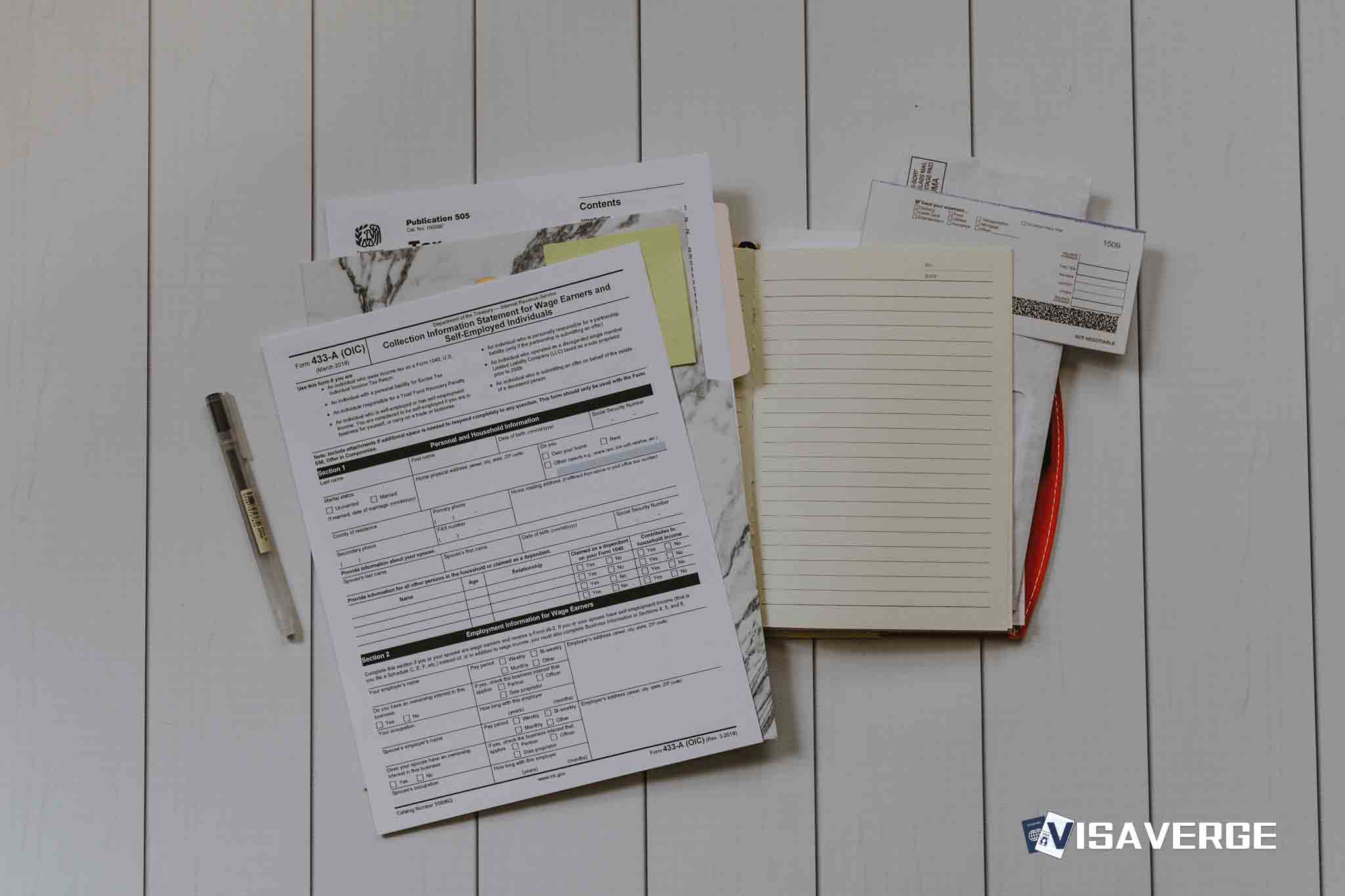
- Form 982: You must file IRS Form 982 to claim a discharge of qualified principal residence indebtedness and to show the basis reduction. Access the form and instructions on the IRS site: https://www.irs.gov/forms-pubs/about-form-982
- Records of the discharge: Keep lender letters or statements that show the amount forgiven and the date.
- Home records: Keep purchase, construction, and improvement records showing how loan funds were used and that the home secured the debt.
How to Claim the Exclusion — Step by Step
- Confirm the debt is qualified principal residence indebtedness (used to buy, build, or substantially improve the principal residence, and secured by the home).
- Check the date: the discharge must be after 2006 and before January 1, 2026.
- Measure the limit: for discharges in 2021–2025, the eligible debt cap is $750,000 ($375,000 if married filing separately).
- Apply other exclusions first (for example, insolvency rules must be applied before QPRI).
- Complete Form 982 and check the box for discharge of qualified principal residence indebtedness.
- Attach Form 982 to your federal return for the tax year the discharge occurred.
- Reduce your home’s basis by the excluded amount (not below zero) and keep all supporting records.
Basis Reduction: What Changes After You Exclude
If you keep the home, your tax basis must drop by the amount you exclude. This matters when you sell the home later because basis affects your taxable gain.
Example:
– Starting basis: $300,000
– Excluded QPRI: $40,000
– New basis: $260,000
You cannot reduce basis below zero.
Important Limits and Conflicts With Other Rules
- Eligible debt cap (2021–2025): $750,000 total of qualified principal residence indebtedness ($375,000 married filing separately).
- One home at a time: Only one property can be your principal residence at any given time.
- Disqualifiers: No exclusion if forgiveness is for services you provided to the lender or for reasons not tied to a decline in value or financial condition.
- Bankruptcy: The QPRI exclusion is not available in bankruptcy under Title 11; different exclusions may apply.
- Order of operations: Apply other exclusions (e.g., insolvency) before QPRI.
- Typical events that may trigger discharge: Loan modifications, short sales, and foreclosures can lead to a discharge that may be eligible — if the debt itself is qualified.
Practical Ways to Stay on Track
- Confirm how loan funds were used: funds used to buy, build, or substantially improve the home can qualify; cash‑out for personal use does not.
- Check dates and filing status: ensure the discharge falls before January 1, 2026, and apply the correct cap ($750,000 or $375,000).
- File Form 982 on time with your return: missing the form can cause delays or extra tax.
- Keep thorough records: save lender communications and your improvement records in case the IRS asks for support.
- Plan for basis changes: know how the basis reduction will affect a future sale of the home.
- According to analysis by VisaVerge.com, filing Form 982 properly and understanding basis reduction can prevent surprises when you sell later.
- Watch for updates: as of mid‑2025, there’s no announced extension past December 31, 2025, and no IRS procedural changes for 2025 filings related to this exclusion.
This guide reflects the current law extended by the Consolidated Appropriations Act, 2021 and ongoing IRS practice. If your situation is complex — especially if insolvency or bankruptcy might apply — consider speaking with a qualified tax professional.
This Article in a Nutshell
As of mid‑2025, QPRI still excludes forgiven mortgage debt used to buy, build, or substantially improve a principal residence, capped at $750,000 for 2021–2025. File Form 982, apply insolvency rules first, and reduce your home’s tax basis by the excluded amount to avoid future tax surprises.