- F-1 students must verify work authorization before accepting any independent contractor assignments or freelance projects.
- Reporting all U.S.-source income is mandatory on Form 1040-NR, even for amounts under six hundred dollars.
- New 2026 regulations involve enhanced digital screening, making meticulous record-keeping and immigration compliance more critical than ever.
(U.S.) F-1 visa students who earn money as an independent contractor face a dual test: tax compliance and work authorization. The tax side is manageable with good records and the right forms. The immigration side is stricter. Most F-1 holders are not allowed to do freelance work unless the activity fits an approved category and the school’s Designated School Official, or DSO, has confirmed the arrangement.

That split matters because a student can file taxes correctly and still violate visa rules. It also matters because 2026 brought tougher scrutiny of international students, with expanded vetting and online review tools. According to analysis by VisaVerge.com, students who mix freelance work, inconsistent reporting, and weak records now face a sharper compliance risk than before.
For tax purposes, an F-1 student is generally a nonresident alien during the first five calendar years in the United States. That status means U.S.-source income must be reported, including income from freelance assignments, consulting, design work, tutoring, or other contract services. The IRS explains the rules for international students on its nonresident alien students and scholars page.
Free toolOPT Timeline Calculator OnlineThe first question is not how to file. It is whether the work is allowed. Most F-1 students are not authorized to work as an independent contractor. Authorized employment usually fits on-campus jobs, Curricular Practical Training, or Optional Practical Training. Freelance work outside those categories can breach status unless there is explicit written authorization tied to the student’s circumstances.
The consequences are severe. Unauthorized work can lead to visa revocation, deportation, and long-term harm to future immigration cases. This is why students should never treat freelance income as only a tax issue. Before accepting a client, the student should check the planned work against F-1 rules and get written guidance from the DSO.
If the work is allowed, every dollar of U.S.-source income still has to be reported. A common mistake is thinking income below $600 is invisible to the IRS. It is not. The $600 threshold only affects whether a client usually issues Form 1099-NEC or, in some cases, Form 1099-MISC. Income below that level still belongs on the return.
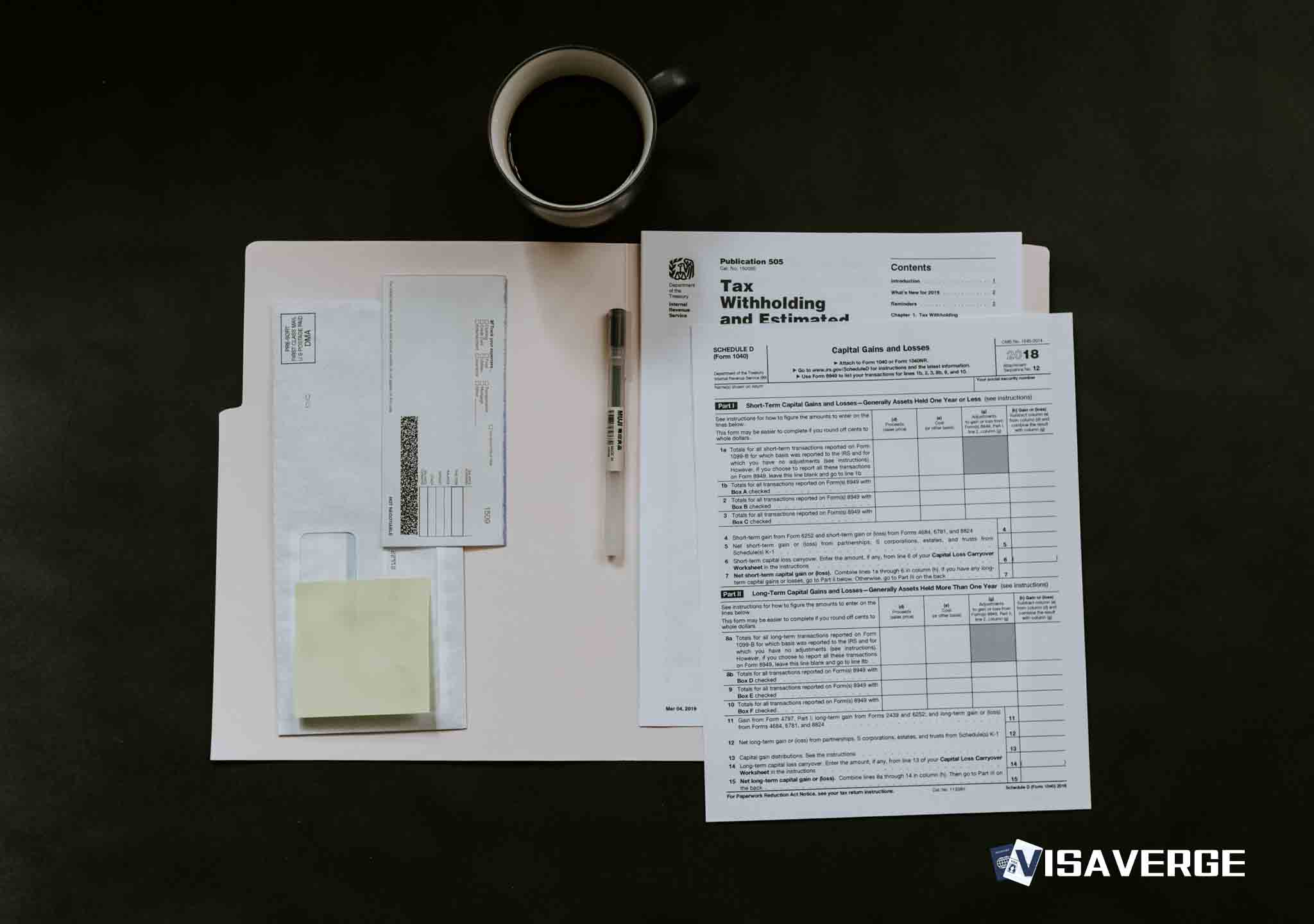
The main return for this group is Form 1040-NR. Many students also file Form 8843, which reports nonresident alien information and certain exclusions. If income was missed on a prior filing, Form 1040-X corrects the error. These forms are available through the IRS: Form 1040-NR, Form 8843, and Form 1040-X.
Independent contractor income also changes the tax bill. Unlike many on-campus student jobs, freelance work is generally subject to self-employment tax. For tax year 2026, that rate is 15.3% on 92.35% of net self-employment income. That covers Social Security and Medicare. F-1 students cannot claim the payroll tax exemption that often applies to authorized student employees.
Business expenses can lower the taxable amount, but only if they are ordinary and necessary for the work. That can include a laptop, software, office supplies, home office costs, internet service, travel tied to assignments, and marketing. The student should keep receipts, invoices, mileage logs, bank records, contracts, and emails from the first day of work.
Record keeping matters because the IRS can ask for proof later. Good files also help when a student must explain income to a DSO, an accountant, or an immigration lawyer. The IRS says records should be kept as long as needed for administration of the tax code. In practice, many advisers tell students to keep them for at least three years, and often longer.
Estimated tax payments are another part of the picture. Because no tax is withheld from most contractor payments, students often owe money during the year instead of at filing time. Payments are generally due in four installments: April 15, June 15, September 15, and January 15 of the next year. Missing them can trigger penalties and interest.
A student must make estimated payments if both conditions apply: expected tax due of at least $1,000 after withholding and credits, and withholding plus credits are less than the smaller of 90% of current-year tax or 100% of prior-year tax. That rule catches many first-time freelancers by surprise, especially those who get a few large client payments.
Tax treaty relief can reduce U.S. tax for some students, depending on citizenship. Even then, the income still has to be reported on Form 1040-NR, and the treaty position may need disclosure on Form 8833. Treaty rules are country-specific, and the student should confirm eligibility before relying on them. Filing the treaty claim late creates avoidable stress.
The 2026 enforcement environment adds another layer. USCIS created a new Vetting Center to centralize enhanced screening. The Department of State expanded social media and online presence checks to more nonimmigrant categories starting March 30, 2026. For F-1 students, this means reported activity, online profiles, travel history, and work records need to line up cleanly.
That is why a student should build a paper trail before the first invoice goes out. The safest sequence is short and direct: check with the DSO, confirm whether the work fits an authorized category, speak with a tax professional, and save every record. If the arrangement is not clearly authorized, the student should not start.
Amended returns can fix missed income. If a student forgets to report freelance earnings, Form 1040-X should be filed as soon as the error is found, with corrected schedules attached and any extra tax paid promptly. A good-faith correction is usually better than leaving the mistake in place. Still, an immigration attorney should review the broader status risk.
The message for F-1 visa holders is simple. Independent contractor work is not casual side income. It sits at the point where tax law and immigration law meet, and both systems are watching. Students who verify work authorization first, report every dollar, and keep disciplined records protect their studies, their status, and their future options in the United States.