- Pakistan’s government denies reports of UAE withdrawal from Islamabad airport privatization plans.
- Airport operations and airline schedules remain unaffected by the news for international travelers.
- The privatization program shifted to open bidding in late 2025 to increase competition.
(ISLAMABAD, PAKISTAN) — Travelers flying through Islamabad are seeing headline noise about a UAE takeover collapsing, but flights and airport operations haven’t changed.
The real story is that Pakistan’s airport privatization plan is still moving forward, and any eventual operator shift could affect everything from terminal services to airport charges.
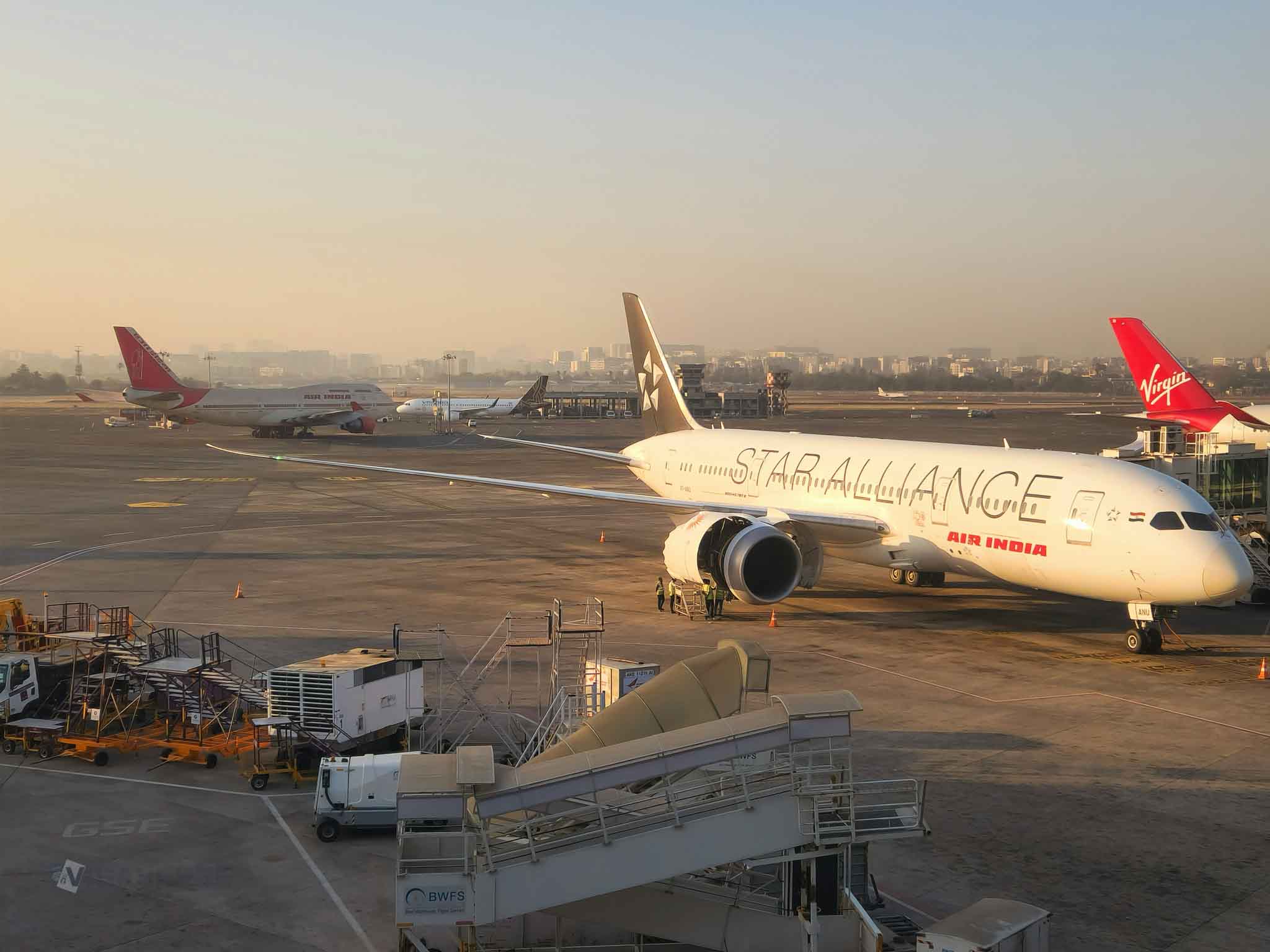
Reports in Pakistani and Indian media this week said Abu Dhabi had “scrapped” plans to manage Islamabad International Airport, after talks that began in August 2025. Those reports tied the alleged pullback to problems finding a local partner and to Pakistan pausing outsourcing efforts.
Within a day, Pakistan pushed back hard. The Privatisation Commission said no lease or concession agreement was ever signed with the UAE for Islamabad, or for Karachi and Lahore airports.
Officials called the reporting “misleading” and “factually incorrect,” while insisting the privatization program remains active.
Status of Islamabad International Airport privatization
The dispute is less about whether the airport will be privatized, and more about how close any UAE-led deal ever came to the finish line.
Media reports described a project that had effectively stalled, with the UAE losing interest after months of discussions. Pakistan’s stance is that there was nothing to “scrap,” because no concession existed to begin with.
For travelers, the immediate impact is minimal. There are no announced changes to airline schedules, check-in procedures, or passenger charges tied to this week’s claims.
⚠️ Heads Up: Treat this as policy and politics, not a travel disruption. If you have a ticket, your trip should run normally unless your airline says otherwise.
Timeline: how the approach shifted
Pakistan’s own account points to a changing process since mid-2025, including a pivot toward a broader bidding field.
The key practical point is that open competitive bidding usually takes longer than a direct government-to-government arrangement. That can delay any visible improvements passengers care about, like faster security lanes, better baggage delivery, or upgraded lounges.
| Milestone | What was reported or announced | Why it matters to travelers |
|---|---|---|
| August 2025 | A government-to-government model was approved for potential UAE involvement. | Suggested a direct path to a UAE-linked operator. |
| November 2025 | Pakistan shifted to open competitive bidding due to investor interest. | Increased odds of a non-UAE winner and longer timelines. |
| Late Jan. 2026 | Media reports claimed UAE interest ended after months of talks. | Sparked uncertainty, but no operational change yet. |
| Jan. 27, 2026 | Government denied any signed lease or concession. | Signals the process is still live, and outcomes remain open. |
Official responses and how Pakistan is framing it
Pakistan’s messaging has been consistent: privatization is being positioned as a way to improve efficiency and fund infrastructure upgrades at major gateways.
The Privatisation Commission denial covered Islamabad, Karachi, and Lahore. That wider denial matters because it indicates this is a national airport strategy, not a one-off Islamabad experiment.
Authorities also appear sensitive to the public perception after other high-profile privatization debates in Pakistan, including past controversy around state-run enterprises.
Even if airports remain state-owned, management concessions can still reshape passenger experience through retail, staffing, and capital spending.
The India-UAE engagement that added fuel to the story
This week’s reporting landed days after a high-profile India visit by UAE President Sheikh Mohammed bin Zayed Al Nahyan. In New Delhi, he met Prime Minister Narendra Modi and discussed broader cooperation.
The visit produced several headline items across defence, space, energy, and technology. Agreements and initiatives cited in coverage included a Strategic Defence Partnership and cooperation around space infrastructure.
A separate goodwill gesture also drew attention: UAE approval to release 900 Indian prisoners.
The proximity of these announcements to the Pakistan airport reports helped drive a “read-between-the-lines” narrative in regional media. That narrative suggested Abu Dhabi’s priorities may be shifting toward India in some areas.
Still, no official UAE statement has publicly confirmed a withdrawal from any Islamabad airport plan.
Geopolitics in the background
Some coverage framed the airport story inside wider Gulf politics, including tensions between regional powers over Yemen. It also pointed to Pakistan’s deepening ties with Saudi Arabia, including references to defence cooperation and regional alignment.
This context can influence investment mood. But it doesn’t automatically translate into day-to-day airport changes. Infrastructure concessions are typically decided by bid terms, financing, and long-run returns.
Airport specifics: what travelers should know about Islamabad
Islamabad International Airport opened in 2018 and serves as Pakistan’s modern capital gateway. Officials say it remains active within the privatization program, despite the latest reports.
If a new operator eventually comes in, travelers should watch for changes in three places:
- Passenger fees and airport charges, which can show up in ticket taxes.
- Terminal services, like security staffing, immigration counters, and baggage systems.
- Commercial upgrades, including lounges, food, and retail, which often improve first.
Where airlines and points fit in
There’s no immediate loyalty-program change tied to this week’s news. Your mileage earning will still depend on your airline, fare class, and ticket price.
Over time, though, airport improvements can affect the value of elite status. Better on-time performance and smoother connections make status perks more useful. Lounges are the other wildcard, especially for travelers connecting via Gulf carriers.
Competitive context matters here. Many Pakistan-origin travelers choose one-stop routings over Gulf hubs like Dubai and Abu Dhabi. If Islamabad’s experience improves, airlines may find it easier to sell premium cabins and win back share from the Gulf connection model.
For now, book based on schedule and aircraft, not privatization headlines. If you’re flying through Islamabad in the next 90 days, keep your plans unchanged and monitor only airline-issued schedule updates and official airport notices.
Live Government Data
State Dept • CBPBusiest Border Crossings
- San Ysidro 175 min
- Calexico 150 min
- Calexico 120 min