

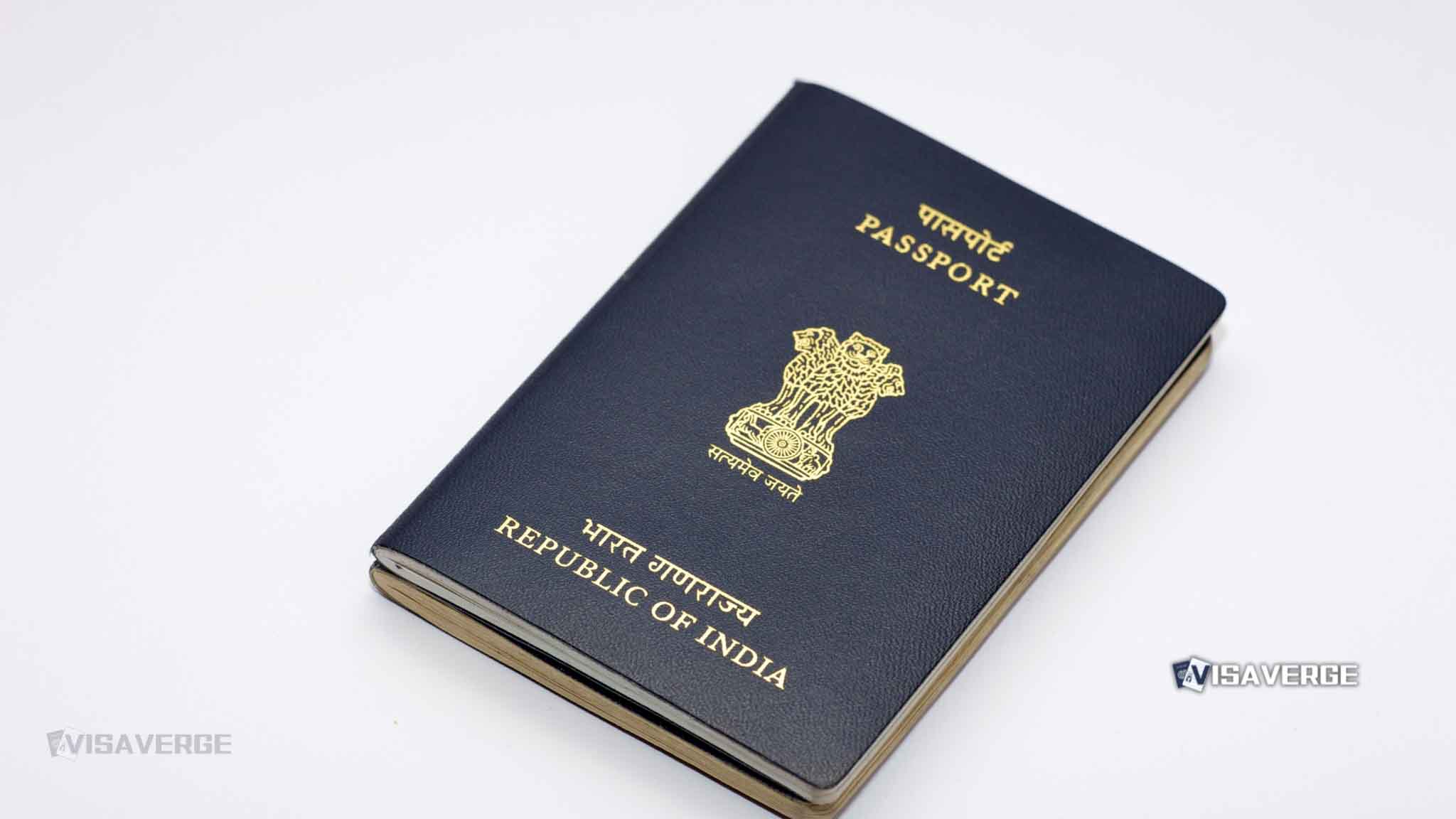
India e-Arrival Card Mandatory from October 1, 2025; OCI Holders Exempt
Starting October 1, 2025, India’s e-Arrival Card is mandatory for most foreign visitors, but OCI holders and Indian…
TCS H-1B Wages and Layoffs Under Scrutiny by Lawmakers
Senators demanded that TCS provide detailed H-1B wage, hiring, and displacement records after the firm cut over 12,000…

Rising U.S. Visa Fees Push International Students Toward Delays
A $250 nonrefundable Visa Integrity Fee enacted under the BBB Act will apply to F-1, M-1, and J-1…
Schengen Visa Delays in 2025: Why Appointments Stretch to Months
In 2025 Schengen visa wait times ballooned as applications rose sharply and consulates remain understaffed and reliant on…
US 100% Tariff on Branded Drugs: Implications and Carve-Outs
Starting October 1, 2025, the U.S. will levy a 100% tariff on imported branded/patented drugs, with an exemption…
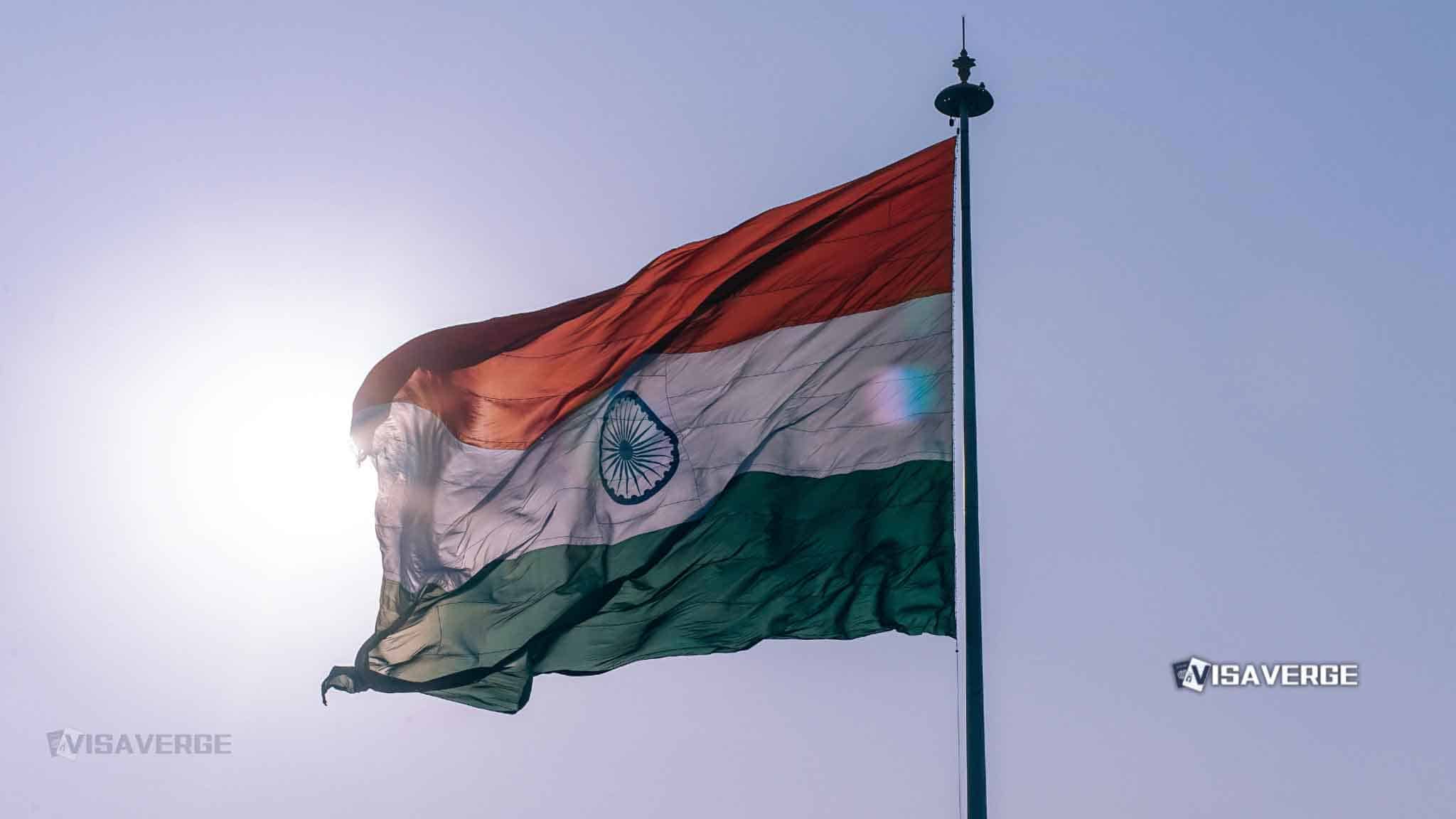
Tatkaal Passport in India: A Comprehensive Step-by-Step Guide
Tatkaal fast-tracks passport applications for genuine urgent travel, typically completing in 1–3 working days after verification. Prepare exact…

Indians Face Heightened Scrutiny as Twin Shield Signals Visa Reform
Operation Twin Shield (Sept 19–28, 2025) targeted visa fraud in the Twin Cities: 1,000+ cases reviewed, 900+ site…

U.S. Firms Move High-Value Work to India After $100K H-1B Fee
A $100,000 one-time fee on new H-1B petitions filed after September 21, 2025 is accelerating corporate shifts to…
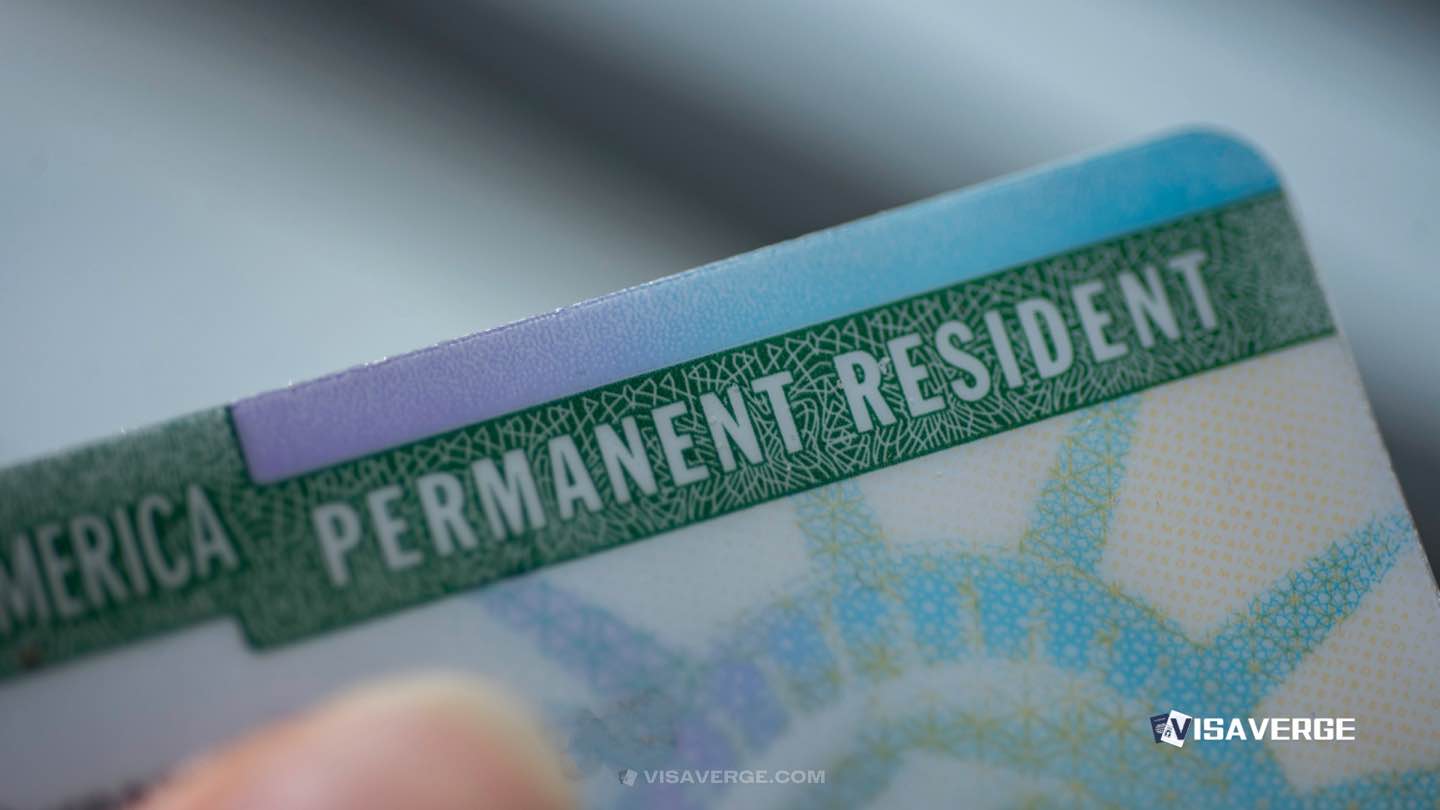
Can the U.S. Fix the Green Card Backlog for India and China?
A 7% per-country cap and a roughly 140,000 annual limit (including dependents) have created decades-long waits for Indian…
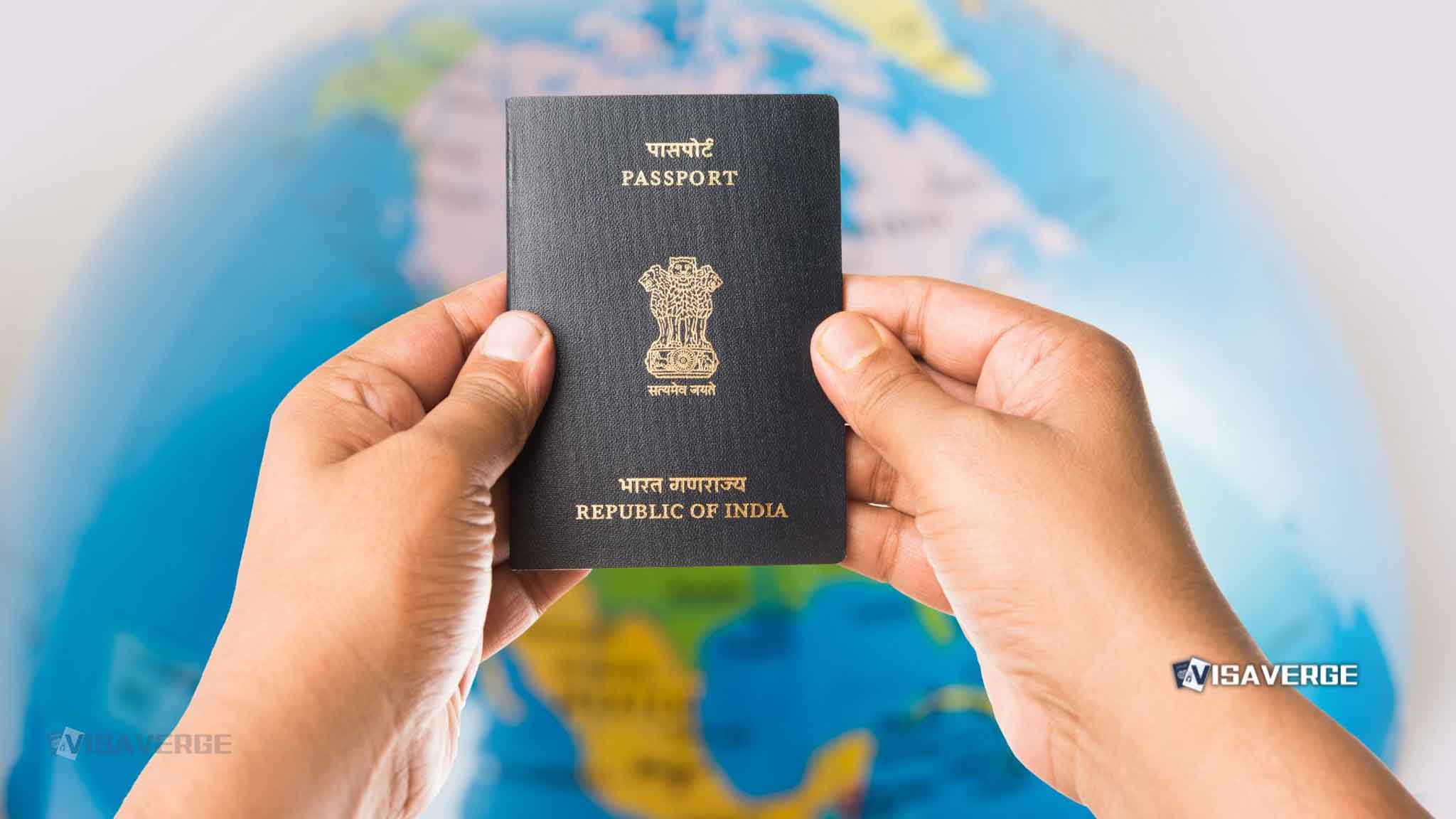
India Leads H-1B Approvals in FY 2024, Capturing 71% Share
In FY 2024 India dominated H-1B approvals with 283,397 (≈71%) of 399,395 total; China had 46,680 (≈11.7%). Rising…
From 214(b) Rejection to Approval: Concise Answers Secure U.S. Visa
A Delhi senior manager overcame a Section 214(b) B1/B2 refusal by giving brief, DS-160‑consistent answers, stressing business purpose,…

Funding EB-5 from India under RBI LRS: pooling, gifts, and steps
Families use RBI’s LRS (USD 250,000 per year) plus co-ownership, cross-year timing, or gifts to assemble EB-5 capital.…

US Faces 2026 Enrollment Decline as Canada, UK Attract Students
Visa backlogs, higher costs, and stronger foreign options risk 150,000 fewer international students in fall 2025 and a…
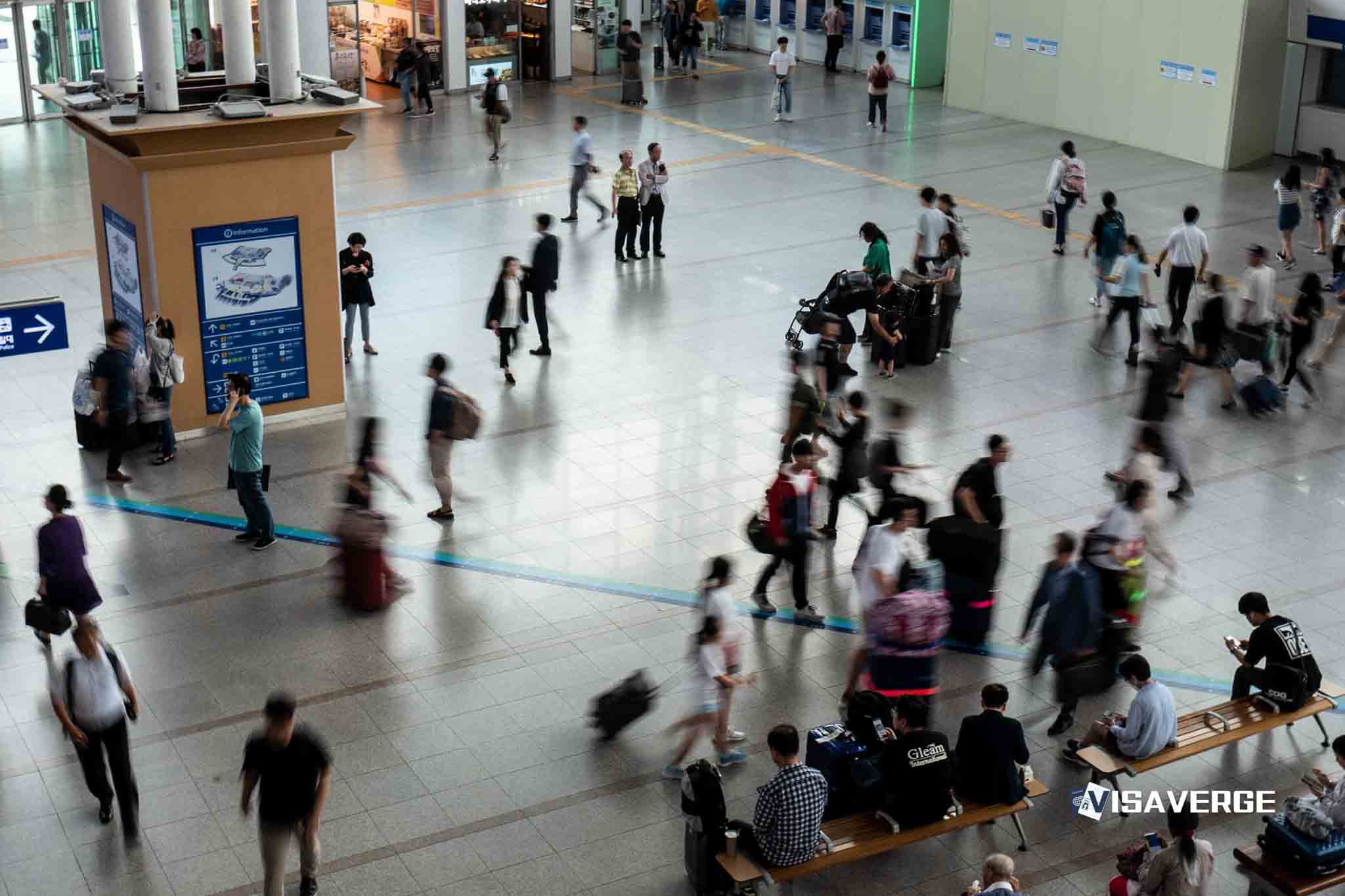
UAE Remains India’s Top Destination for 2024 Outbound Travel
In 2024 India recorded 30.8 million outbound trips, rising 10.7% year-on-year; the UAE led with about 7.8 million…