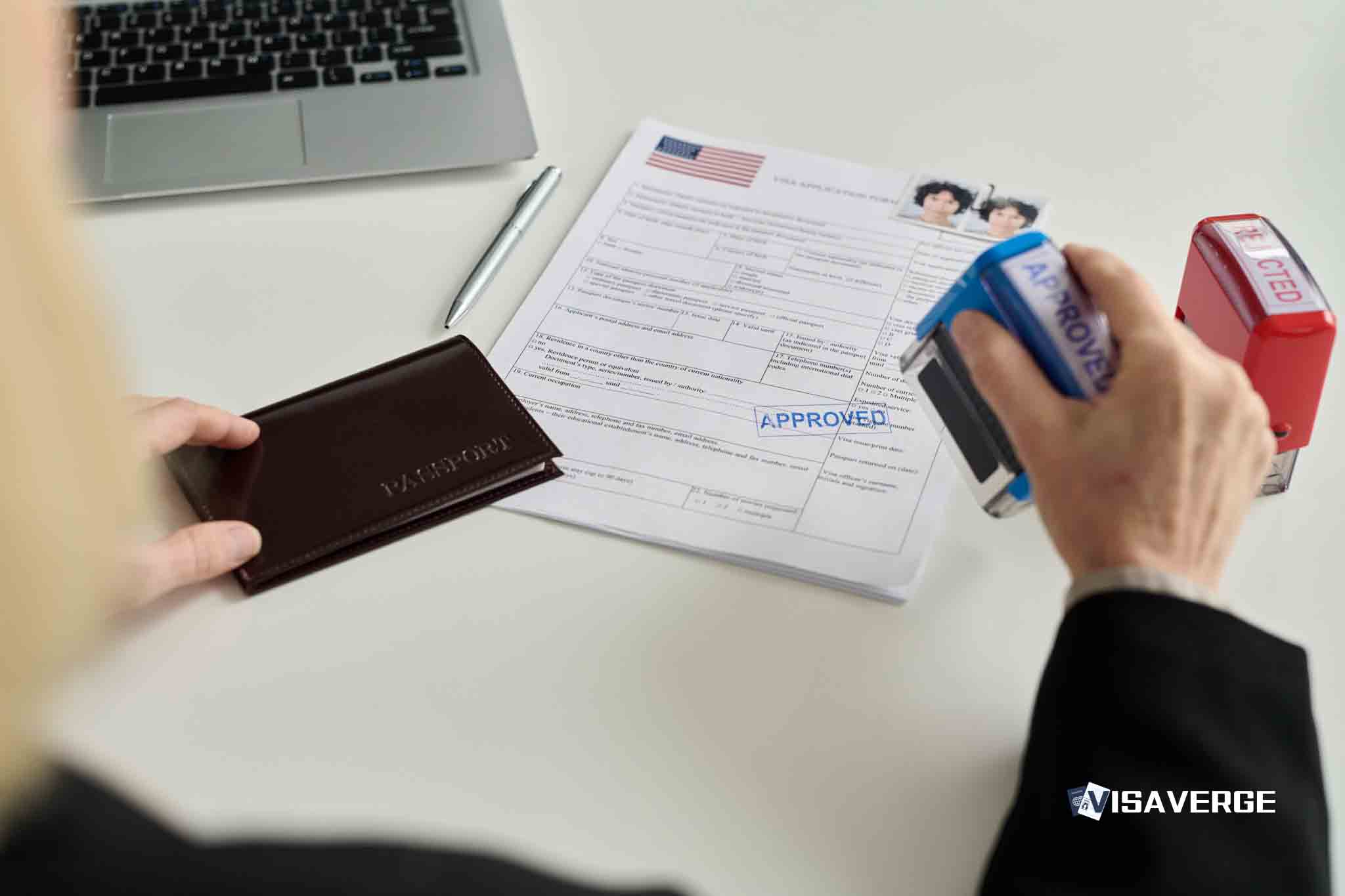
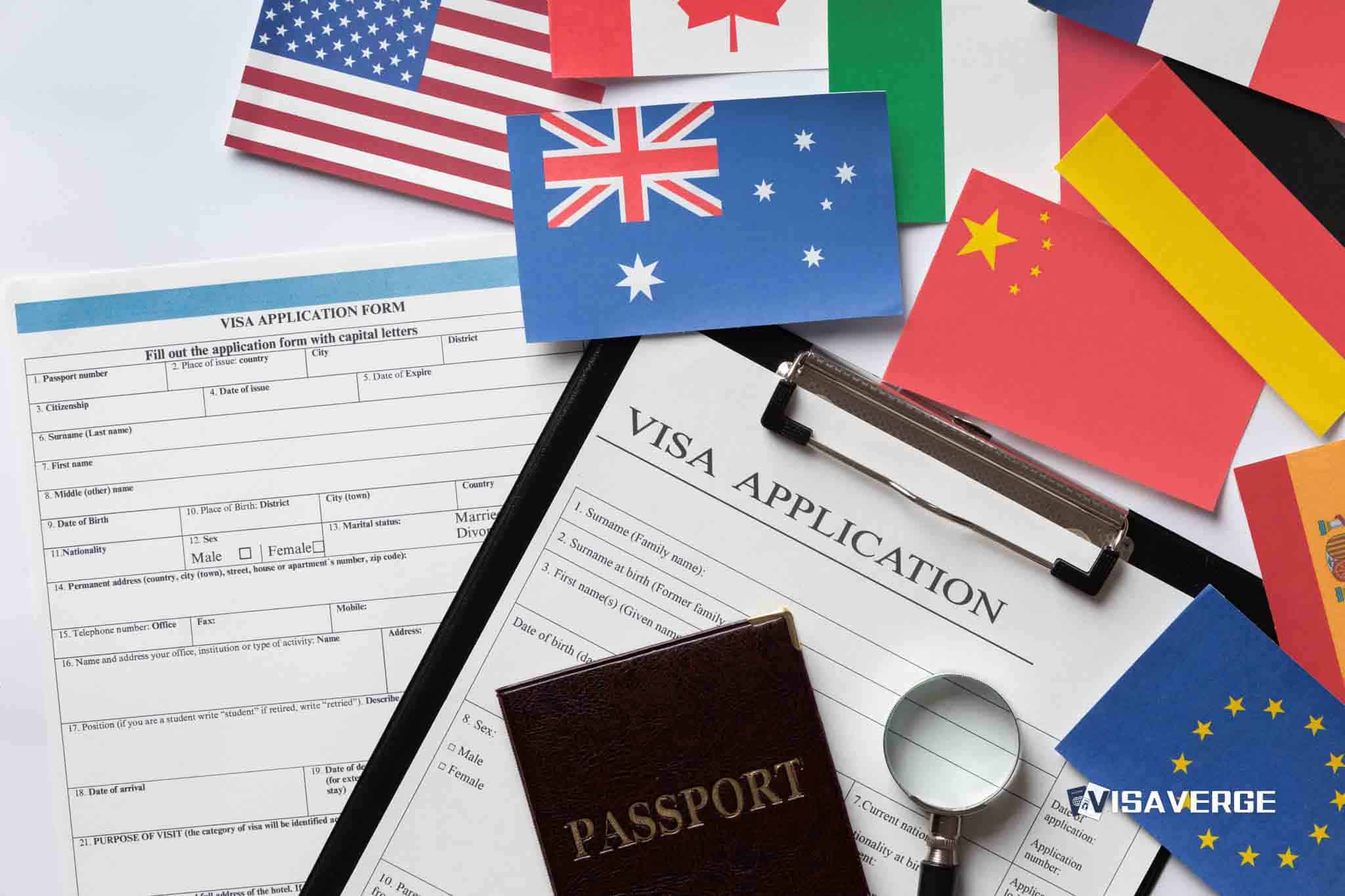
As Washington braces for another federal funding standoff, travelers holding B-1/B-2 visa interview or stamping appointments at U.S. consulates abroad face a pressing question: Will their appointments still happen? The short answer, based on current policy and past practice, is yes in most cases. B-1/B-2 visa appointments are generally not canceled solely due to a federal government shutdown, because visa processing is fee-funded and consular operations typically continue as long as there are enough collected fees to support daily work. Applicants should still plan to attend their scheduled interview unless their local U.S. embassy or consulate announces changes.
Policy and funding context
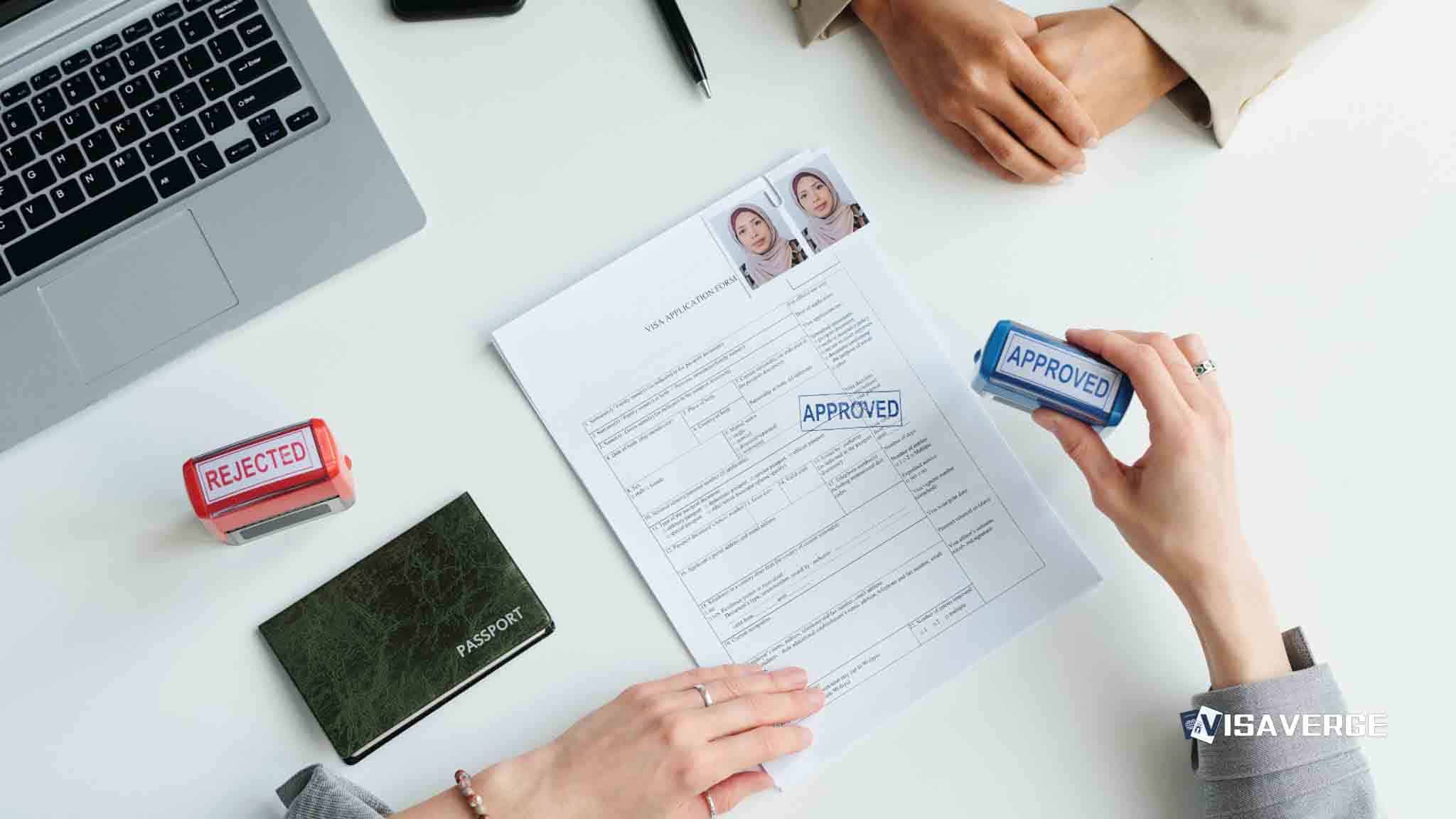
The Department of State runs most consular operations overseas using fees collected from visa and passport applicants. That funding structure matters during a shutdown, when many federal programs that rely on congressional appropriations pause or scale back. Consular sections, however, can keep working as long as fee balances remain available.
For travelers seeking a B-1/B-2 visa — used for short business trips or tourism — this means routine interviews and visa stamping often continue even when other parts of government slow down.
Free toolSubstantial Presence Test CalculatorThere is an important caveat. If a shutdown lasts a long time and fee reserves run low, consular posts may cut back to focus on the most urgent cases. That can include life-or-death emergencies, such as medical travel. Under those conditions, routine B-1/B-2 visa services could face delays or temporary limits.
But there is no automatic, nationwide stoppage of visa interviews when a shutdown starts, and there is no blanket rule to cancel appointments that have already been set.
According to analysis by VisaVerge.com, the pattern from past shutdowns is consistent: consular operations continue as long as sufficient fees are on hand. Posts abroad can adjust their hours or reduce services if fee collections dip, but they do not shut their doors across the board. Applicants should follow local messaging closely, because each U.S. embassy or consulate can make operational decisions based on its own capacity and conditions on the ground.
Key points for B-1/B-2 visa applicants during a shutdown
- Visa and passport services are fee-funded, allowing U.S. consular sections to continue interviews and stamping while fee balances last.
- Scheduled consular appointments are generally maintained, though individual posts may change schedules if fee levels fall or staffing is limited.
- If a shutdown is prolonged and fees run low, posts may limit services to emergency or life-or-death matters, which can delay routine B-1/B-2 visa stamping.
- Applicants should monitor official embassy or consulate communications for updates on appointment status and operating hours.
- No automatic rescheduling or cancellation occurs due to a shutdown itself; outcomes can vary by location.
For many families and employers, this nuanced setup creates both relief and uncertainty. Relief, because a shutdown does not automatically freeze B-1/B-2 visa interviews. Uncertainty, because the situation can shift if fee collections drop or a post needs to prioritize emergencies.
People with travel plans tied to conferences, supplier meetings, or a long-planned holiday often worry that a political stalemate in Washington will derail their visa appointment. The current policy structure aims to prevent that, but applicants should double-check local announcements to avoid surprises.
Impact on applicants and travel plans
Applicants who already hold a B-1/B-2 visa appointment should:
- Keep their documentation ready and attend as scheduled unless they receive an official notice otherwise.
- Expect that if a post reduces routine services, it will usually notify applicants via its website, email, or the appointment portal.
To track those updates, use the official U.S. Embassy and Consulate websites directory at usembassy.gov. This is the safest source for local alerts, office hours, and any operational changes tied to a shutdown.
Practical steps to reduce disruption
- Print and save your appointment confirmation and any emails from the consulate.
- Check the embassy or consulate website daily during the shutdown window.
- Keep your passport and required documents in order so you can attend on short notice.
- Build flexibility into flight and hotel bookings where possible.
Business travelers face unique timing risks when meetings or training events cannot easily move. A delayed interview — even by a week — can cause missed opportunities and added costs.
Families planning tourism face different trade-offs. School breaks and limited vacation time narrow travel windows. If a consulate reduces routine services due to low fee balances during a prolonged shutdown, rescheduling may push a trip to a later date. Again, there is no automatic cancellation; the main risk is local capacity. Staying alert to consulate notices is the best way to avoid last-minute confusion.
Regional differences and logistics
- Some consulates process higher volumes and may have more robust fee reserves.
- Others may see a sharper impact if local demand drops or staffing is constrained.
- Because the system is decentralized, two applicants in different countries can have different experiences during the same shutdown period.
- For people living far from the embassy or consulate, a sudden change to emergency-only services can mean lost trips and extra costs.
To reduce that risk, consider scheduling a B-1/B-2 visa appointment outside the most likely shutdown windows if your travel plans allow. If you cannot, treat all official messages from your consulate as urgent and watch for rescheduling instructions.
Bottom line and action items
The broader policy takeaway remains simple: B-1/B-2 visa processing generally proceeds during a U.S. government shutdown, because it is fee-funded and designed to continue when appropriations lapse. But the cushion is not unlimited. If a shutdown lasts longer and fees dip, consulates may narrow services to emergencies until balances recover or Congress restores funding.
Action items:
– Check your specific U.S. embassy or consulate page through usembassy.gov.
– Watch your email tied to the appointment system.
– Assume your interview will proceed unless you are told otherwise.
The United States ?? aims to keep its doors open to routine travel and business, even when Washington faces budget fights. That approach helps people keep trips on track, preserves economic ties, and reduces the shock that shutdowns can cause for global travel.
Frequently Asked Questions
This Article in a Nutshell
B-1/B-2 visa interviews and stamping at U.S. consulates overseas generally continue during a federal government shutdown because consular services are funded by applicant fees. This fee-funded structure allows posts to operate while fee balances remain available. However, if a shutdown is prolonged and fee reserves run low, consular posts may reduce routine services and prioritize emergency or life-or-death cases, potentially delaying B-1/B-2 appointments. Applicants should plan to attend scheduled interviews unless notified otherwise, regularly check their local U.S. embassy or consulate website and appointment email for updates, and keep documentation and travel plans flexible to accommodate possible rescheduling or limited services.