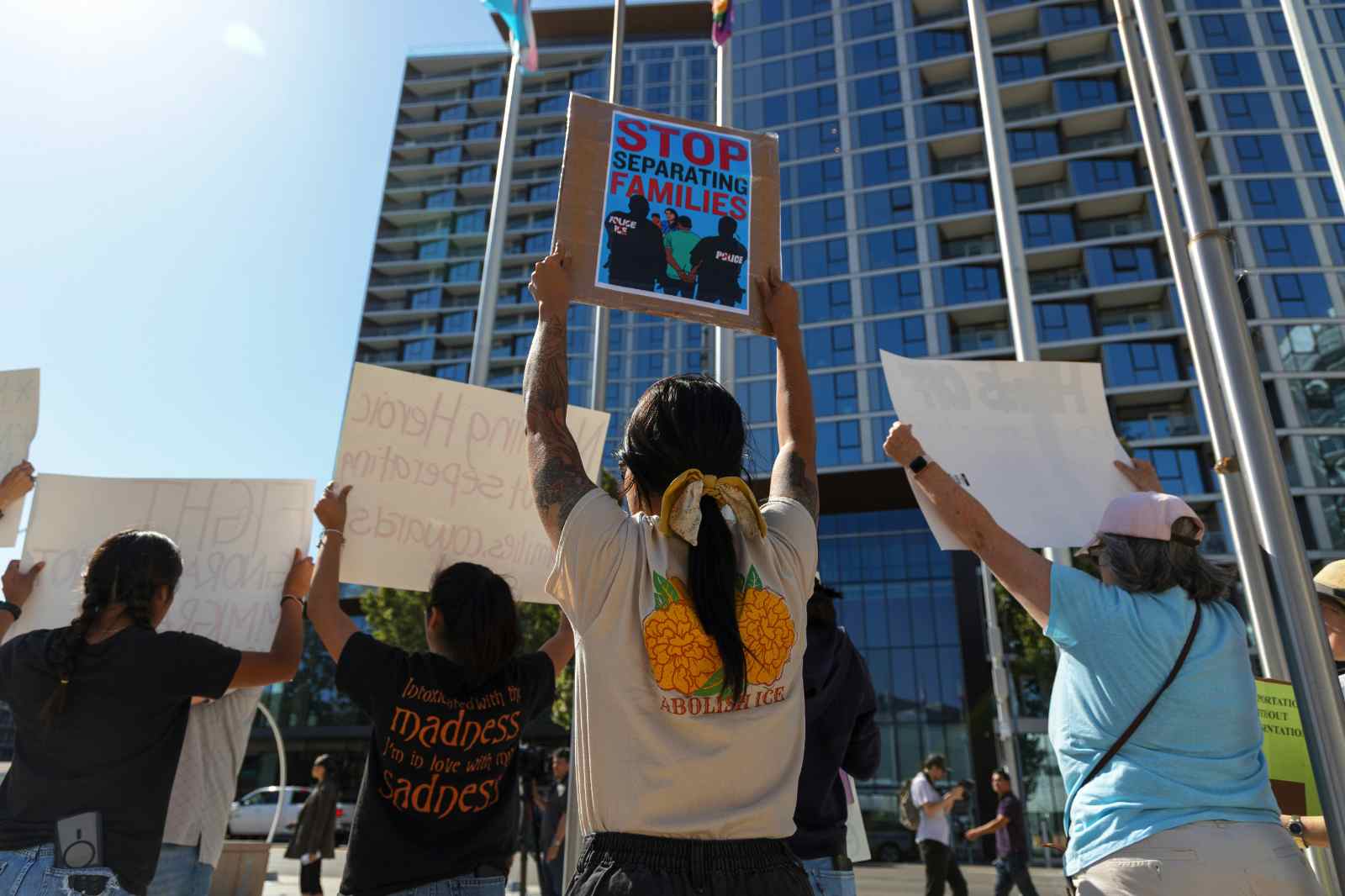
- Students from Boise high schools staged a Capitol walkout to protest immigration policies and economic pressures.
- Participation in demonstrations carries school discipline risks rather than criminal exposure for most students.
- Mixed-status families should create emergency safety plans and maintain document privacy during public events.
(BOISE, IDAHO) — A walkout at the Idaho Capitol put immigration fears and economic pressures into public view, and it also raised a practical question for many families: how do you participate in civic action while reducing avoidable school, legal, and safety risks?
What this process accomplishes is straightforward. It helps students and families—especially in mixed-status households—plan for a public demonstration, respond to school attendance issues, and prepare for the small but real possibility of contact with police, media, or federal immigration agents.
It also helps families protect health and privacy in case of stress, panic, or medical needs during a crowd event.
Overview of the Idaho Capitol Walkout
The walkout and demonstration took place on the Idaho State Capitol steps. It was organized by Idaho 50501 and the Idaho Women’s March. Organizers tied it to a national “Walkout to a Free America” campaign.
For immigration-affected families, local events like this can shape daily perceptions of safety and belonging. Even when a protest is peaceful, families may worry about surveillance, misidentification, or rumors about enforcement activity.
Those concerns often drive decisions about participation, transportation, and what information to share publicly.
Participants and Schools: What a Student Walkout Can Mean
Students from Borah High School, Capitol High School, and Boise High School left class to attend. In most cases, the immediate legal exposure for a student is not criminal. It is typically a school attendance and discipline issue.
School discipline is generally handled under district policy. It can involve unexcused absences or missed instruction time. Criminal exposure is different and usually requires alleged conduct like trespass, disorderly conduct, or refusal to disperse.
That distinction matters because school discipline alone does not create a criminal record.
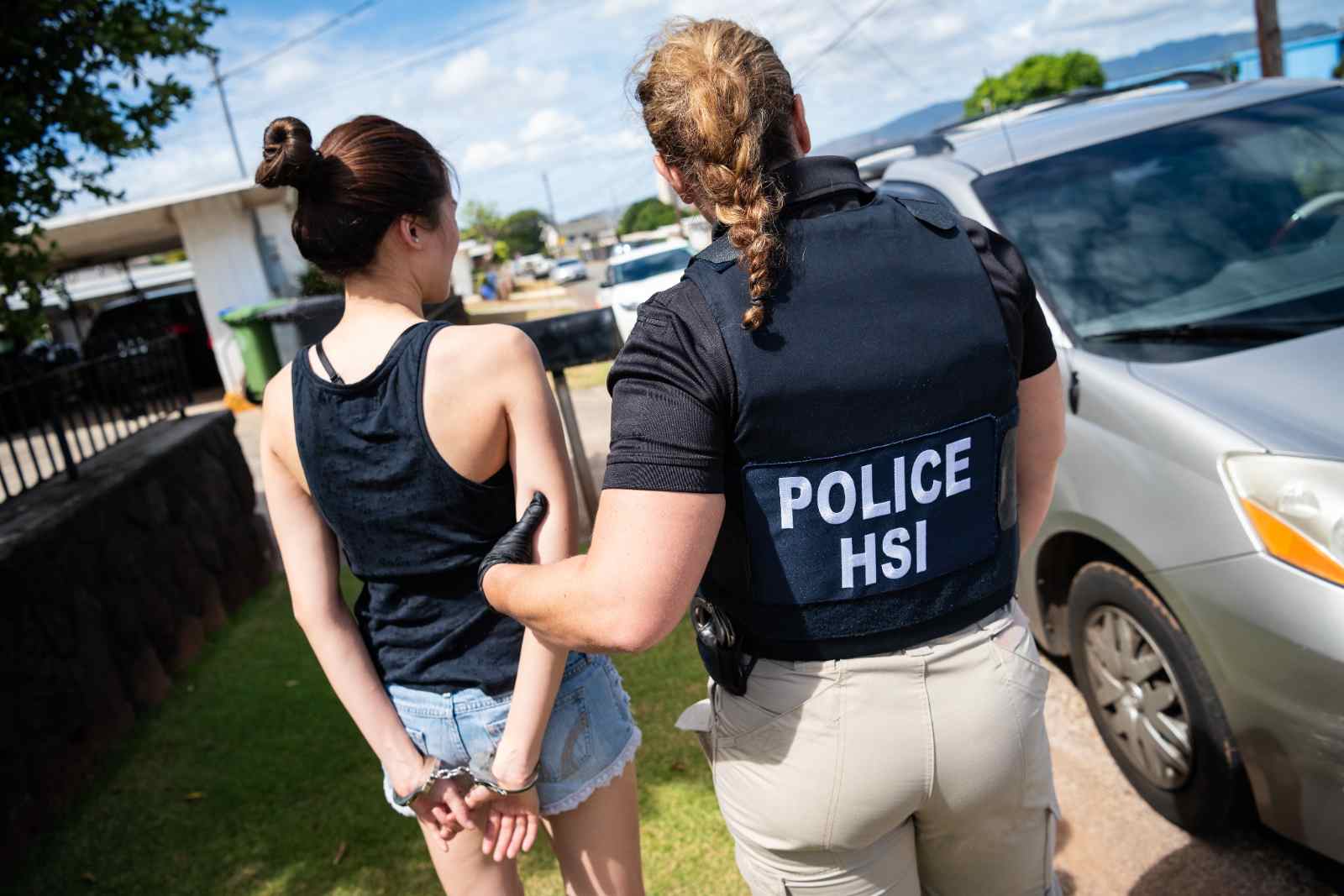
Immigration-affected families may still feel heightened risk at public events. Contact with police can lead to identity checks. It can also produce records that later resurface in immigration screening.
The impact indicator included in this guide summarizes how consequences can fall across the labeled levels, from lower-impact school discipline to higher-impact scenarios tied to law-enforcement contact.
Warning: If a family member has an existing removal order, pending criminal charges, or ICE reporting requirements, the risk profile can change. Talk to a qualified attorney before any public event.
Key Issues and Messaging: Immigration Enforcement, Cost of Living, and Federal Policy
Signs and chants addressed immigration enforcement, cost of living, labor issues, and federal policy. Borah students highlighted concerns about immigration enforcement and the treatment of immigrant families. One student called for accountability related to ICE operations in communities.
It is important to separate protest messaging from verified enforcement activity. Rumors about “ICE being present” spread fast during demonstrations and at school. In many cases, those rumors are unconfirmed.
Families should rely on accurate sources and avoid panic-driven decisions that increase risk, like running into traffic or abandoning minors.
From a legal standpoint, a protest does not create immigration consequences by itself. Problems usually arise from arrests, alleged false statements, or the creation of documents that later appear in background checks.
Some immigration benefits require applicants to show good moral character. For example, cancellation of removal under INA § 240A has eligibility rules that can be affected by criminal issues.
Speakers and Statements: What Was Said and Why It Resonates
Democratic lieutenant governor candidate Eric Myricks told the crowd that disruption was already built into daily life for many Idaho families. He said people rose because “silence has become unbearable.”
An Idaho 50501 organizer named Pine framed the walkout as a demonstration of working people’s economic power. Pine described walking out of schools, offices, and businesses to show collective leverage through labor.
These themes often intersect with immigration reality. Workplaces are common sites of vulnerability. Families may fear retaliation, reporting, or enforcement after public attention.
Students may also worry that visibility could affect parents’ job stability or housing.
Campaign Context and What Families Can Do Next
Organizers described the walkout as groundwork for broader collective action, with similar events planned in other places.
For families, the best “next step” is usually not political or legal. It is practical. That means communicating with the school, keeping documents orderly, creating a safety plan, and identifying reputable legal support before a crisis.
It also means thinking ahead about how to answer questions from administrators, reporters, or community members without sharing unnecessary personal details.
Deadline watch: If anyone in the household has an EOIR Immigration Court hearing, missing it can trigger an in-absentia removal order. Check hearing details at EOIR ACIS and keep proof of any address change.
A step-by-step process below helps families prepare after a walkout (or before the next one).
A step-by-step process for families after a walkout (or before the next one)
- Step 1 — Identify who could face immigration screening. Who needs this: mixed-status households, pending USCIS cases, prior ICE contact, or any prior arrest history.
- Step 2 — Address school attendance and discipline quickly. What to do: review the school’s attendance policy and discipline code, ask what documentation is required, and keep communications calm and in writing.
- Step 3 — Build a “public event” safety plan. Decide pickup persons, meeting locations, and separation plans in advance.
- Step 4 — Prepare for contact with law enforcement or federal agents. Know basic rights, representation forms, and how records requests work.
- Step 5 — Manage digital privacy and media exposure. Limit posting identifiable photos of minors and turn off location sharing.
- Step 6 — If someone is cited, arrested, or detained. Immediate actions include getting full identifiers, not signing unknown documents, and asking for an attorney.
- Step 7 — Consider professional legal help early. A qualified immigration attorney can evaluate consequences where outcomes vary by federal circuit precedent and local enforcement patterns.
Step 1 — Identify who could face immigration screening
Who needs this: mixed-status households, pending USCIS cases, prior ICE contact, or any prior arrest history.
Documents to gather:
- Any immigration paperwork already issued, such as an I-862 Notice to Appear (NTA) or bond papers.
- USCIS receipt notices (I-797) for pending cases.
- A-list of A-numbers and full legal names as used in filings.
Decision point: If someone has a prior removal order, their risk may be higher at any law-enforcement encounter. An attorney should screen options under INA § 240 (removal proceedings) and related relief.
Step 2 — Address school attendance and discipline quickly
What to do:
- Review the school’s attendance policy and discipline code.
- Ask what documentation is required for an excused absence, if available.
- Keep communications calm and in writing.
Documents: Parent or guardian note, if the school accepts one, and any school-issued notice about truancy or discipline.
Typical timelines: Schools often issue attendance notices within days. Escalation can occur over weeks if absences accumulate.
Step 3 — Build a “public event” safety plan
What to decide in advance: Who is the pickup person and backup person, where to meet if phones die, and what to do if a student is separated from friends.
Documents: Emergency contact card. If a student has medical needs, include a brief health summary and medication list.
Healthcare note: Hospitals generally provide emergency care regardless of immigration status. Privacy rules under HIPAA usually limit disclosure of health information. Families can ask the facility about privacy practices.
Step 4 — Prepare for contact with law enforcement or federal agents
Key rights baseline: People in the U.S. have constitutional protections. The details can vary by setting and jurisdiction. Immigration officers may ask questions. You can ask if you are free to leave.
Documents and forms:
- If you retain counsel, USCIS uses Form G-28 for representation in benefits matters.
- EOIR uses Form EOIR-28 for representation in Immigration Court.
- If you file a records request, FOIA can be made through DHS components. Processing can take months.
Warning: Do not carry false documents or claim U.S. citizenship. False claims can create severe immigration bars under INA § 212(a)(6)(C).
Step 5 — Manage digital privacy and media exposure
What to do: Limit posting identifiable photos of minors. Turn off location sharing for public posts. Avoid sharing someone else’s immigration story without consent.
Common mistake: Posting names, workplaces, and school schedules can create unwanted attention, even when intentions are supportive.
Step 6 — If someone is cited, arrested, or detained
Immediate actions: Get the person’s full name, date of birth, and location. Do not sign documents you do not understand. Ask for an attorney.
Immigration touchpoints: An arrest can lead to fingerprints being shared. Outcomes vary by local practice. If ICE issues an NTA, the case goes to EOIR. Relief options depend on facts and INA eligibility.
Typical timelines: Detention decisions can occur quickly. Immigration court timelines can range from months to years, depending on the court’s docket.
Step 7 — Consider professional legal help early
Complex situations often include prior immigration history, criminal exposure, or pending applications. A qualified immigration attorney can evaluate consequences before mistakes occur.
This is especially important where outcomes vary by federal circuit precedent and local enforcement patterns.
Legal resources (official and nonprofit)
- EOIR Immigration Court information: U.S. Department of Justice — EOIR
- USCIS forms and case tools: USCIS
- AILA Lawyer Referral: AILA Lawyer Referral
- Immigration Advocates Network: