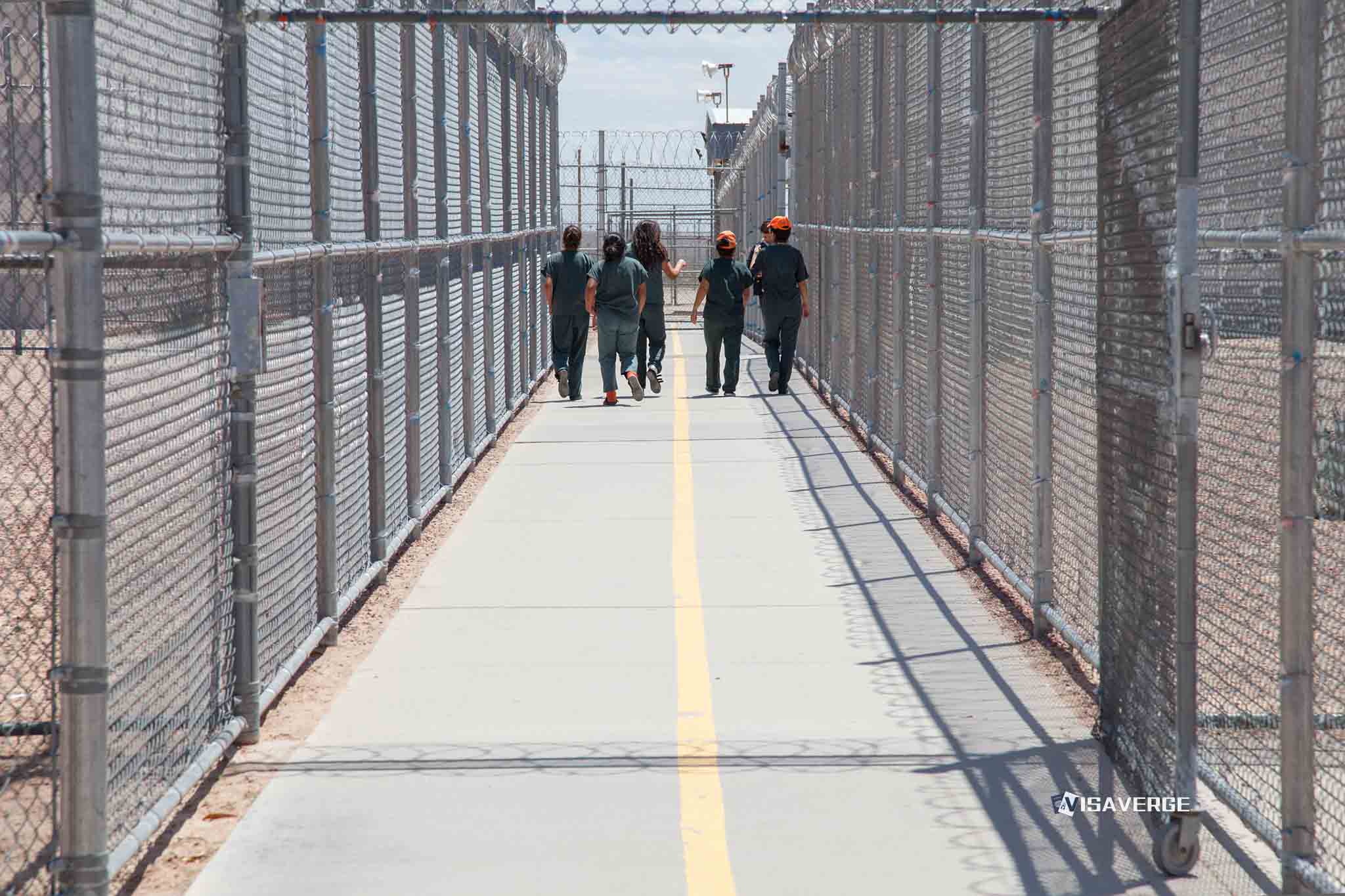
- A 36-year-old Nicaraguan man died in ICE custody at Camp East Montana in Texas.
- The death is currently being investigated as a presumed suicide pending final autopsy results.
- Advocates and officials are scrutinizing detention medical protocols following recent rapid population growth.
(MINNEAPOLIS) — A new ICE custody death notice issued January 18, 2026, is intensifying scrutiny of detention medical and mental-health protocols after ICE reported that Victor Manuel Diaz, a 36-year-old Nicaraguan national arrested in Minneapolis on January 6, died in detention on January 14 at Camp East Montana in El Paso, Texas.
ICE’s public update—posted through the agency’s official newsroom—states Diaz was found “unconscious and unresponsive” by contract security staff, with emergency response efforts continuing until he was pronounced dead at 4:09 p.m.

ICE described the death as a “presumed suicide,” while also stating the official cause remains under investigation. The distinction matters legally and operationally: a preliminary characterization can shape early public messaging, but it does not replace medical examiner findings, facility documentation, or oversight reviews.
Early descriptions such as “presumed suicide” are not the same as a final cause-of-death determination. Autopsy findings and investigative reports can change the factual record.
Incident Overview: what is confirmed vs. under investigation
What is confirmed from ICE’s release is the identity, age, nationality, and the basic time-and-place facts: Victor Manuel Diaz died while in ICE custody, at Camp East Montana in El Paso, after an arrest in Minneapolis eight days earlier.
ICE also confirmed the timeline of discovery, emergency response, and the pronouncement of death.
What remains under investigation is the official cause and manner of death, including any clinical, custodial, or environmental factors that may be addressed in autopsy results, incident reporting, and oversight inquiries.
Public statements from advocates and elected officials have raised concerns about detention conditions, but those are not adjudicative findings. Readers should treat early claims—on either side—as unproven until corroborated by records and independent review.
Custody timeline and movement: what each step typically means
ICE reported Diaz entered the United States on March 26, 2024, after crossing from Mexico, and was released on “parole pending a court date.” In immigration enforcement, parole is generally a discretionary release under INA § 212(d)(5).
Parole is not an “admission” to the United States. Parole often comes with reporting and court-appearance obligations. Missing hearings can trigger severe consequences.
ICE further reported an immigration judge ordered Diaz removed in absentia on August 26, 2025. An in absentia order is a removal order entered when the person does not appear for the hearing. See INA § 240(b)(5).
Nonappearance can occur for many reasons, including notice problems, language barriers, or misunderstanding dates. In many cases, a person may ask the Immigration Court to reopen and rescind an in absentia order.
Typical pathways include motions alleging lack of proper notice, or “exceptional circumstances.” See INA § 240(b)(5)(C). Deadlines and standards vary, and circuit law can affect outcomes.
ICE then stated Diaz was arrested in Minneapolis on January 6, 2026, processed for a final order of removal on January 12, and transferred to Camp East Montana in El Paso. Transfers can significantly disrupt attorney access and family contact.
They can also affect where filings occur and how quickly counsel can obtain records.
When a medical emergency occurs in custody, there is typically a paper and electronic trail. That may include medical logs, incident reports, housing logs, watch records, and emergency response documentation.
Those records often become central to oversight reviews and any future litigation. Families and counsel frequently focus on timelines, wellness checks, and documentation consistency.
If an in absentia order may be involved, families should ask an attorney immediately whether a motion to reopen is possible and what time limits may apply under INA § 240(b)(5)(C).
Official statements and oversight: what usually happens next
ICE’s initial framing emphasized emergency response and stated that detainees receive medical screenings and access to emergency services. Early agency releases commonly do not include underlying medical history, mental-health assessments, or full staffing details.
Those issues typically surface later, if at all, through oversight or litigation.
Several oversight avenues may apply after a death in ICE custody. Within DHS, reviews may involve ICE’s internal processes, the DHS Office of Inspector General, and the DHS Office for Civil Rights and Civil Liberties.
Congressional offices may seek briefings, request records, or push for inspections. State and local officials may also apply political pressure, even though detention operations are federal.
It is also important to keep agency roles straight. ICE runs detention and removal operations. DHS is the parent department. USCIS adjudicates benefits and does not control detention facilities, although USCIS records can appear in a person’s broader immigration history.
Detention system context: why conditions can change quickly
Diaz’s death is being discussed against a backdrop of a sharp increase in the detained population in early 2026 compared to the year before. Rapid growth can strain staffing, medical availability, and continuity of care.
It can also increase transfers, which complicate attorney contact and oversight.
ICE’s reported detention-death counts at Camp East Montana since December 2025, and nationally since the start of 2026, are also fueling “pattern” arguments. Legally and journalistically, “pattern” language is not a finding of liability. It is a prompt for closer scrutiny of policies, training, medical subcontracting, and documentation.
Privately operated detention centers often draw criticism on accountability and transparency. Contracting layers can complicate who employs medical staff, who supervises daily operations, and how performance is measured.
Readers should watch for updates such as autopsy results, independent investigative findings, civil claims, contract actions, or formal federal oversight announcements.
Political relevance: what calls for investigations can realistically do
Minnesota’s response has been swift. Public officials have called the reports “deeply disturbing” and urged a complete investigation.
In practice, these calls can translate into letters to DHS, requests for briefings, hearings, or demands for detention standards and incident documentation. Advocacy statements can raise urgency, but they are not substitutes for records-based conclusions.
Downstream policy effects—if any—may include pressure on transfer practices, mental-health screening protocols, transparency in death notifications, and contract oversight. Those shifts, when they occur, typically take months, not days.
Practical impact for families and communities
In Minneapolis and surrounding communities, a death in ICE custody often triggers fear, protests, and reluctance to interact with institutions. That reluctance can worsen legal outcomes when it leads to missed court dates, missed check-ins, or delayed attorney contact.
For families, immediate steps often include: confirming the person’s “A-number,” getting the facility location, preserving call logs and messages, and asking counsel about records requests.
Consular assistance may be important for foreign nationals, especially where next-of-kin and documentation issues arise. Community organizations can help by directing families to qualified attorneys, hosting know-your-rights clinics, and sharing only verified information from official sources and counsel.
Cost figures will likely remain part of the debate. Readers should treat large numbers cautiously and ask: what timeframe, what facility, what funding stream, and what source document supports the claim?
Be wary of individuals offering “fast release” services or asking for money to “fix” a case without a written legal agreement. Detention cases often attract scams.
Recommended actions and timeline
In the coming days, families and counsel should monitor ICE public updates and request records through counsel where appropriate.
Within the next few weeks, watch for official cause-of-death findings and any announced oversight reviews.
If an in absentia removal order is part of the history, legal review should be immediate, because motion practice can be time-sensitive and jurisdiction-dependent.
Official updates may appear through ICE and DHS channels:
- ICE newsroom: [ICE newsroom](
- – DHS news: – USCIS newsroom (benefits context): [USCIS newsroom](
⚖️ Legal Disclaimer: This article provides general information about immigration law and is not legal advice. Immigration cases are highly fact-specific, and laws vary by jurisdiction. Consult a qualified immigration attorney for advice about your specific situation.