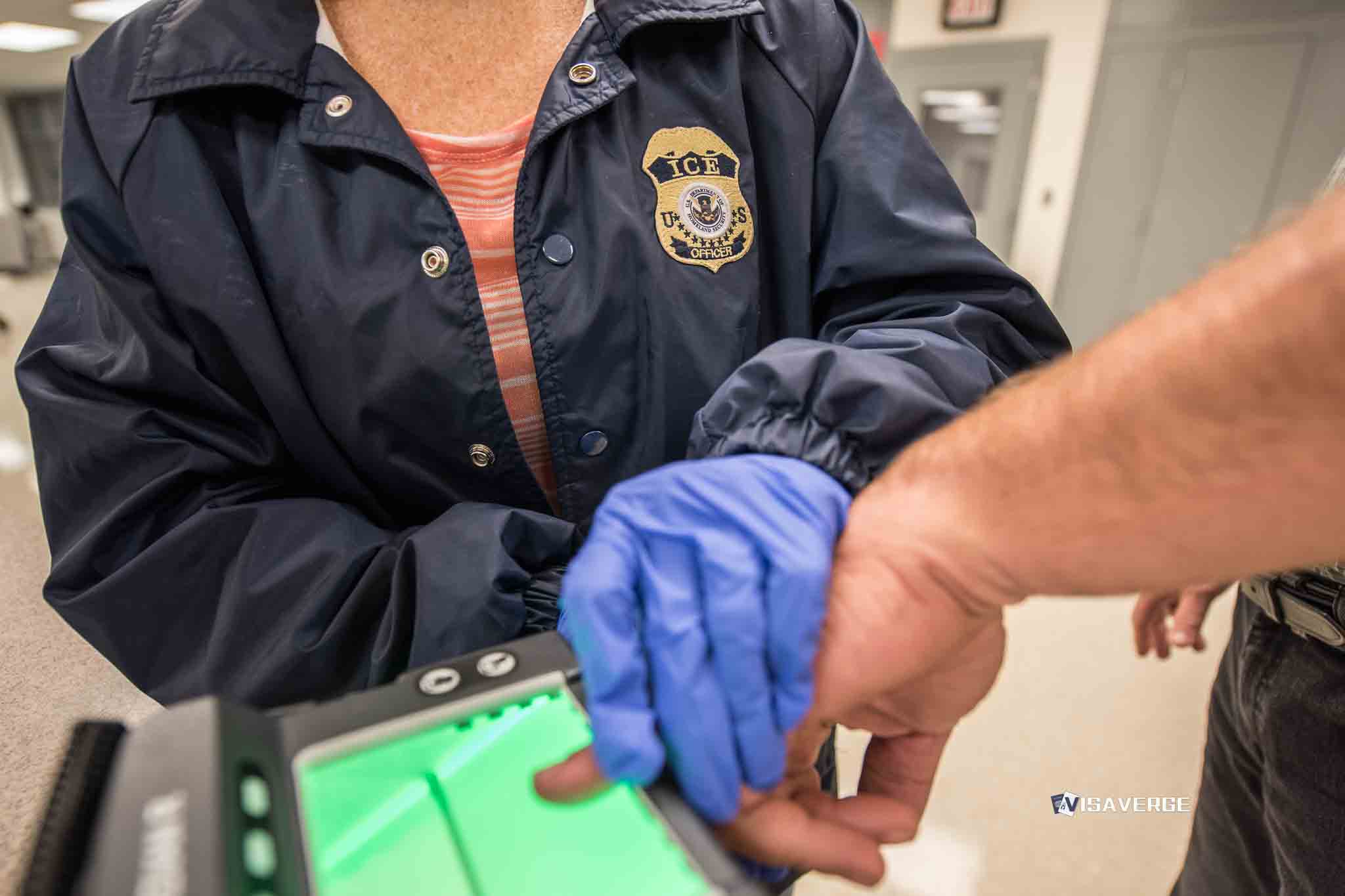
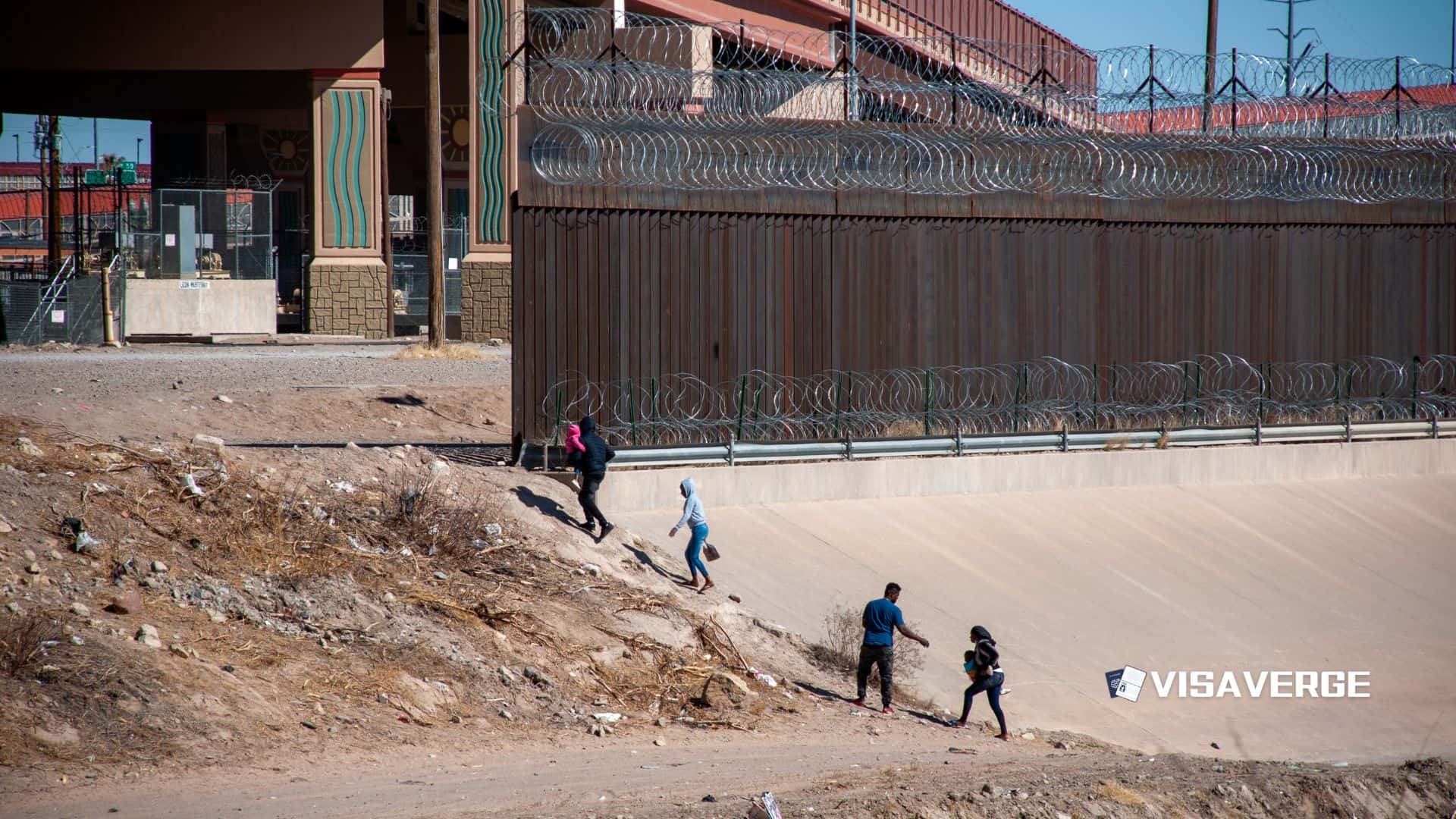
(EL PASO, TEXAS) Catalina “Xóchitl” Santiago, a DACA recipient and community organizer from El Paso, remains in an ICE jail despite an immigration judge ending her deportation proceedings and a federal court order barring her transfer or removal from West Texas. As of September 11, 2025, Santiago is still held at the El Paso Service Processing Center, according to her legal team and advocates.
An immigration judge on September 8 terminated the government’s case against her and confirmed her DACA status is valid through April 2026. A U.S. district judge followed with a temporary restraining order on September 9 that prohibits ICE from deporting or moving her outside the Western District of Texas at least until a federal hearing set for September 23. Despite those rulings, Santiago remains detained.

Legal status, court actions, and immediate facts
- On September 8, Immigration Judge Michael Pleters terminated the removal case and noted Santiago’s DACA grant remains in effect until April 2026.
- On September 9, U.S. District Judge Kathleen Cardone issued a temporary restraining order preventing ICE from removing or transferring Santiago outside the Western District of Texas until at least the September 23 hearing.
- As of September 11, 2025, Santiago remained in custody at the El Paso Service Processing Center.
“It’s a violation of her constitutional due process rights to keep her in detention. There is no rational basis for her detention,” said Christopher Benoit, Santiago’s attorney.
Free toolUSCIS Receipt Number Decoder
Timeline and key events
The case unfolded rapidly over five weeks:
- August 3, 2025 — U.S. Customs and Border Protection detained Santiago at El Paso International Airport as she prepared to board a domestic work flight. Advocates say officers did not present a warrant.
- She was transferred to ICE custody at the El Paso Service Processing Center.
- Federal officials initiated deportation proceedings despite her long-standing DACA protections.
- September 8 — Immigration Judge Pleters terminated the removal case and affirmed her DACA status through April 2026.
- September 9 — U.S. District Judge Cardone issued a temporary restraining order blocking deportation or transfer outside the Western District of Texas.
- September 11 — Santiago still remained in ICE custody, even after the immigration court termination and the federal restraining order.
- September 23 — A federal hearing is scheduled in El Paso to review her detention and consider next steps.
Legal arguments and filings
- Santiago’s lawyers have filed for habeas relief, asking the federal court to order her release while the restraining order remains in effect.
- The restraining order bars ICE from removing or moving her but does not by itself compel ICE to release her from the facility.
- Attorneys contend there is no lawful basis to keep her detained now that the immigration proceedings were terminated. They argue the detention violates constitutional due process.
Questions around alleged criminal history
- Federal officials initially cited an alleged criminal history to justify detention.
- Graham County Attorney L. Scott Bennett said there were no criminal convictions, and earlier allegations (including drug possession and trespassing) were dropped for lack of evidence.
- Those confirmations have been used by Santiago’s supporters to challenge the government’s rationale for continued custody.
Broader implications for DACA holders
This case has become a national flashpoint and highlights several broader concerns:
- Even with a valid DACA grant, recipients can be detained and placed into removal proceedings.
- An immigration judge may terminate a removal case, and a federal court may prohibit removal, yet ICE can still maintain custody pending federal review.
- That mix of outcomes—termination in immigration court, a federal restraining order, and ongoing detention—creates legal limbo and prolonged uncertainty.
Advocates call this a “disturbing and growing trend” of DACA recipients being held without clear cause. National and local organizations supporting the legal challenge include:
- National Network for Immigrant and Refugee Rights
- National Immigration Project
- Las Americas Immigrant Advocacy Center
- ACLU of New Mexico
Rallies in El Paso and online petitions have demanded Santiago’s immediate release, arguing the government should not detain a DACA recipient after deportation proceedings have been terminated.
How the case could affect policy and practice
- The September 23 hearing could determine whether Santiago is released or remains in custody.
- A legal finding that the detention lacks lawful basis could lead to her release and potentially influence how ICE handles custody when immigration court proceedings end.
- If courts uphold the detention, advocates expect continued legal challenges and debate over ICE’s discretion to detain despite terminated removal proceedings.
Practical guidance for DACA recipients (from advocates)
Advocates stress preparedness and quick legal action for those with DACA:
- Keep copies of DACA approval notices and be ready to show proof of validity to officers.
- Know how to locate a loved one in custody and contact legal organizations quickly.
- Monitor official resources for policy updates. The U.S. government’s central page for DACA is available on the USCIS website at Consideration of Deferred Action for Childhood Arrivals (DACA).
Human cost and community response
The case has had tangible human consequences:
- Missed paychecks, family separation, and emotional stress for Santiago and her loved ones.
- Intense community pressure: rallies outside the facility, social media campaigns, and local organizing emphasize Santiago’s roots in El Paso and role as a community organizer.
Supporters frame the situation as both a personal ordeal and a test of how far officials will go to detain a DACA recipient after deportation proceedings are dismissed.
Current status and what’s next
- The temporary restraining order remains in effect, the immigration judge’s termination stands, and federal judicial review is scheduled for September 23.
- Until the hearing, Santiago remains in ICE custody, and the case continues to highlight where discretion begins and ends once a removal case is closed by an immigration judge.
This Article in a Nutshell
Catalina “Xóchitl” Santiago, a DACA recipient and community organizer from El Paso, remains detained at the El Paso Service Processing Center despite an immigration judge terminating her removal case on September 8, 2025, and confirming her DACA status through April 2026. A U.S. district judge issued a temporary restraining order on September 9 preventing ICE from deporting or transferring her outside the Western District of Texas until at least a federal hearing scheduled for September 23. Santiago’s lawyers have filed habeas relief arguing there is no lawful basis for continued detention; prosecutors confirmed there are no criminal convictions tied to her. The case underscores tensions between immigration court outcomes and ICE’s custody decisions, drawing national advocacy and raising questions about due process for DACA recipients. The September 23 hearing will likely determine whether she is released and could affect ICE practices regarding custody after terminated removal proceedings.