(ATLANTA, GEORGIA) U.S. Citizenship and Immigration Services has created a new USCIS Vetting Center based in Atlanta, Georgia, in one of the most sweeping changes to its screening system in recent years. Announced on December 5, 2025, the move is meant to centralize how the agency checks immigration applications and to help officers spot people who may pose a national security or public safety risk before they are granted any benefit. The center will sit at the heart of a wider government push for tighter review of certain foreign nationals, coming days after new rules that pause many asylum and other benefit applications. Immigrants, employers, universities, and lawyers across the United States 🇺🇸 are now watching closely for signs of longer delays, tougher questions, and possible reopening of past approvals.
Purpose and scope of the Atlanta Vetting Center
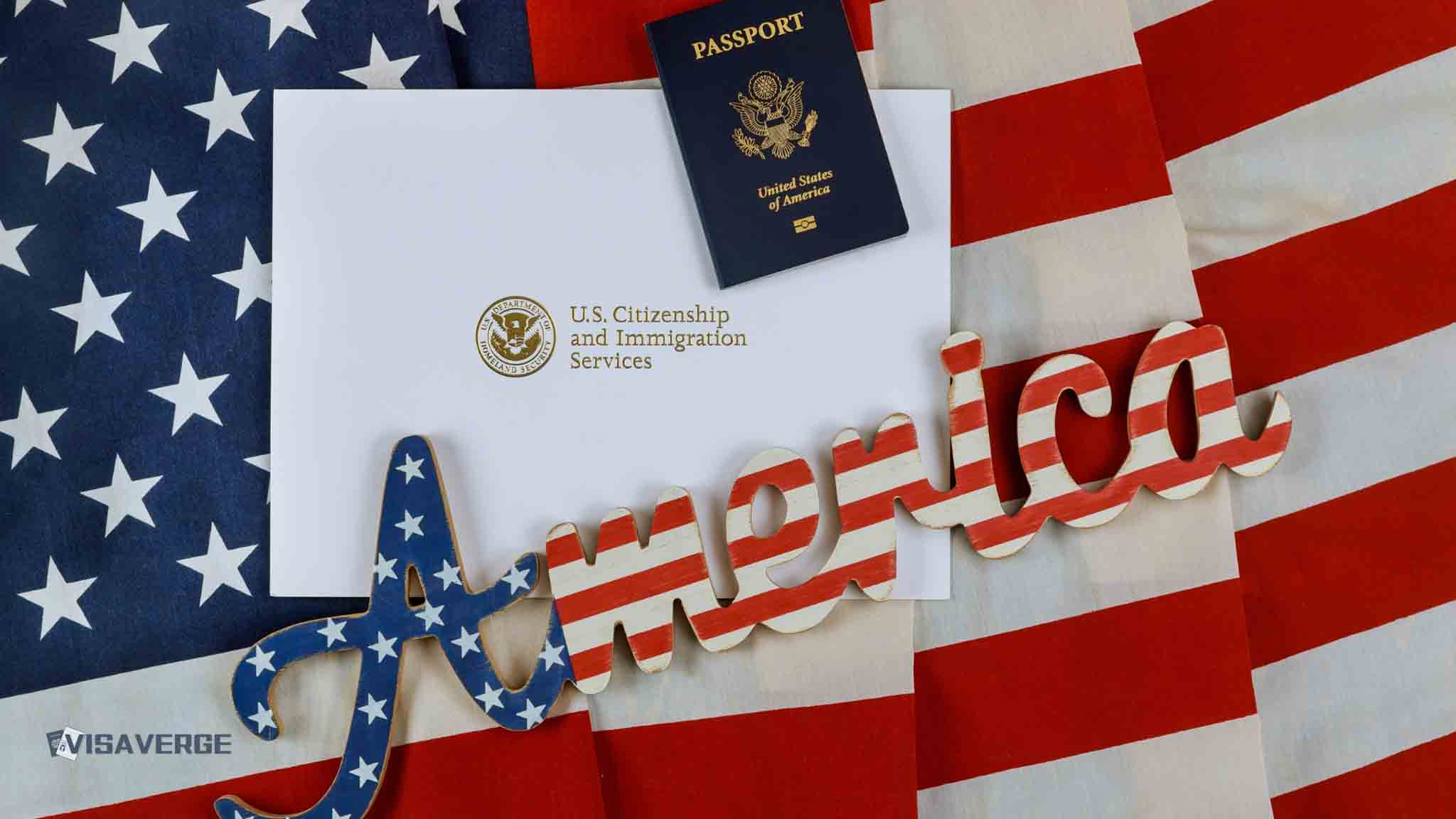
USCIS says the new operation in Atlanta, Georgia will bring together vetting work that is now spread across different offices and computer systems. The plan is to centralize and standardize checks for almost all immigration benefits, from asylum and humanitarian cases to work visas and green card applications.
The agency says the USCIS Vetting Center will run deeper biographic and biometric checks, including:
- more systematic name checks
- matching of aliases
- fingerprint-based screenings across several federal databases
It will also coordinate more closely with key security partners, such as:
- the Department of Homeland Security (DHS)
- the Federal Bureau of Investigation (FBI)
- the National Vetting Center
- the National Counterterrorism Center (NCTC)
Officials say this structure is meant to flag “bad actors” earlier while allowing low-risk applicants to move more quickly through the system.
Connection to Presidential Proclamation 10949 and country-specific vetting
The Atlanta hub is being launched just as the Biden administration rolls out new controls for people from 19 countries identified as high-risk under Presidential Proclamation 10949, issued in June 2025.
On November 27, 2025, USCIS released guidance telling officers they may weigh negative, country-specific factors when reviewing applications from those nations. These factors can include:
- patterns of document fraud
- signs of national security concern
- possible links to terrorism or other forms of malign foreign influence
While much of this vetting already took place behind the scenes, the new guidance makes it clear that country of origin, combined with risk indicators, can now play a stronger role in decisions. The USCIS Vetting Center is expected to be the main engine for turning that policy language into day-to-day screening work.
DHS Policy Memorandum and the hold-and-review orders
Just days before the Atlanta announcement, on December 2, 2025, the Department of Homeland Security issued a major Policy Memorandum titled “Hold and Review of all Pending Asylum Applications and all USCIS Benefit Applications Filed by Aliens from High-Risk Countries.”
Key directives in the memo include:
- Suspend all pending Form I-589 (Application for Asylum and for Withholding of Removal), regardless of applicant nationality.
- Suspend all pending benefit applications filed by nationals of the 19 high-risk countries identified in the June 4, 2025 proclamation.
- Conduct a comprehensive rereview of already approved benefits for nationals of those countries who entered the United States on or after January 20, 2021.
The new USCIS Vetting Center in Atlanta will be responsible for much of this hold-and-review work, creating a large and sensitive workload from day one.
Immediate impacts on applicants, families, and employers
For people with applications already in the system, the impact is immediate and unsettling.
- Asylum seekers with Form I-589 pending for months or years are being told decisions are frozen nationwide, even if they are not from the listed high-risk countries.
- Nationals of the 19 countries face paused pending cases and potential reopening of past approvals.
- Families who believed they were secure in the U.S. may now worry that green cards or work permits issued earlier could be reexamined.
- Employers who sponsored workers from those countries may see fresh questions or security referrals, even for employees who have been in status for years.
Advocacy groups warn this may create fear that people could lose the stability they built after arriving under existing rules.
Important: People with pending asylum claims and applicants from the 19 countries should expect that processing will move slowly and may involve a second look at facts they thought were settled.
How vetting and referrals will work operationally
The Atlanta-based center’s systems are designed to feed cases with any derogatory information into USCIS’s Fraud Detection and National Security (FDNS) unit through automated referrals.
- When screening tools detect a possible problem, cases can be routed quickly to specialized officers for:
- deeper review
- extra evidence requests
- possible denial
- The center will run automated alias and fingerprint checks against external classified systems used by intelligence and law enforcement agencies. The details of those databases remain secret.
USCIS argues that applicants who clear the automated checks will benefit from streamlined case processing, because officers will not need as many manual searches for low-risk files. In theory, this could speed up some family, work, or humanitarian cases, even as other categories slow down.
Technical integration and the “immigration lifecycle” approach
Technically, the USCIS Vetting Center will need to connect older computer platforms with newer tools. Officials say it will integrate with legacy systems like CAMINO (a long-standing case management system) and add better interfaces to:
- pull in all declared aliases
- run systematic name checks at multiple points in the immigration process
This “immigration lifecycle” approach means a person’s information can be screened again when they move from one status to another (e.g., student → worker, temporary visa → green card).
A closer partnership with the National Vetting Center and other agencies is intended to give USCIS quicker access to intelligence that might not have been available, or fully shared, when a person was first screened at a consulate or border.
- Analysis by VisaVerge.com notes that repeated vetting often leads to more “hits” for people who:
- traveled frequently
- used several versions of their name
- come from countries with limited record-keeping
Effects on consular vetting and work visa applicants
The new structure also fits into a wider shift in how the U.S. screens work visa holders and their families.
- The Department of State, in guidance dated December 3, 2025, has instructed U.S. consulates to apply enhanced vetting to applicants for:
- H-1B specialty occupation visas
- H-4 dependent visas
- Consular officers are expected to rely more heavily on data and checks supplied by the USCIS Vetting Center and its partners.
Consequences:
- A software engineer abroad seeking an H-1B, or a spouse applying for H-4 status, could face extra questioning, long security checks, and possible refusals if concerns appear in shared databases.
- Global companies dependent on H-1B workers may face added uncertainty for hiring and project planning.
Official rationale and criticism
USCIS and DHS frame these measures, including the Atlanta center, around national security.
- Officials point to recent incidents, including the November 26, 2025 shooting in Washington, D.C. by a national of Afghanistan, as examples of the risks they aim to reduce.
- The stated goal is to ensure immigration benefits go only to people who “do not pose a threat,” while still honoring obligations to refugees and lawful immigrants.
Critics counter that:
- Broad holds on asylum and nationality-based extra scrutiny may unfairly punish people with no wrongdoing.
- Long delays for asylum seekers can worsen trauma, keep families separated, and push some people into the shadows.
What to expect next and where to get updates
USCIS has said it will release more detailed instructions to local field offices and service centers on how to work with the USCIS Vetting Center in the coming days and weeks. Those internal guidelines will likely explain:
- which cases must be routed through Atlanta
- how officers should handle files with mixed risk signals
- when older approvals must be reopened
Lawyers, employers, and advocacy groups are being urged to follow updates on the official USCIS website and through formal DHS announcements.
- Many stakeholders are bracing for longer timelines, more security checks, and new document requests—especially for clients from the 19 countries touched by Presidential Proclamation 10949.
- Until further notice, expect slower processing and possible reexamination of previously decided facts for affected applicants.
USCIS launched a Vetting Center in Atlanta to centralize and standardize biographic and biometric screening across immigration benefits. The center will run automated alias and fingerprint checks, coordinate with DHS, FBI, and intelligence partners, and implement guidance that factors country-specific risks for nationals of 19 countries under Presidential Proclamation 10949. DHS has ordered holds and rereviews for many asylum and benefit applications; the new center will drive much of that operational work.