- A federal judge revoked the U.S. citizenship of a married couple for stealing medical trade secrets.
- The court ruled that the defendants concealed unlawful acts during their naturalization process in 2016.
- This case aligns with the administration’s expanded denaturalization initiative targeting fraud and criminal conduct.
(COLUMBUS, OHIO) — U.S. District Judge James E. Simmons Jr. revoked the naturalized U.S. citizenship of Yu Zhou and Li Chen on March 30, 2026, stripping the married couple from China of their status after they were convicted of conspiring to steal medical trade secrets from Nationwide Children’s Hospital in Columbus, Ohio, to benefit China.
The ruling marked a rare and severe step in an immigration case tied to criminal conduct, citizenship eligibility and the legal standard of moral turpitude. Zhou and Chen now face potential deportation as non-citizens.
Judge Simmons, sitting in the Southern District of California, found that the couple had illegally procured citizenship. The Justice Department argued that they concealed unlawful acts during the naturalization process and therefore did not meet the good moral character requirement for U.S. citizenship.
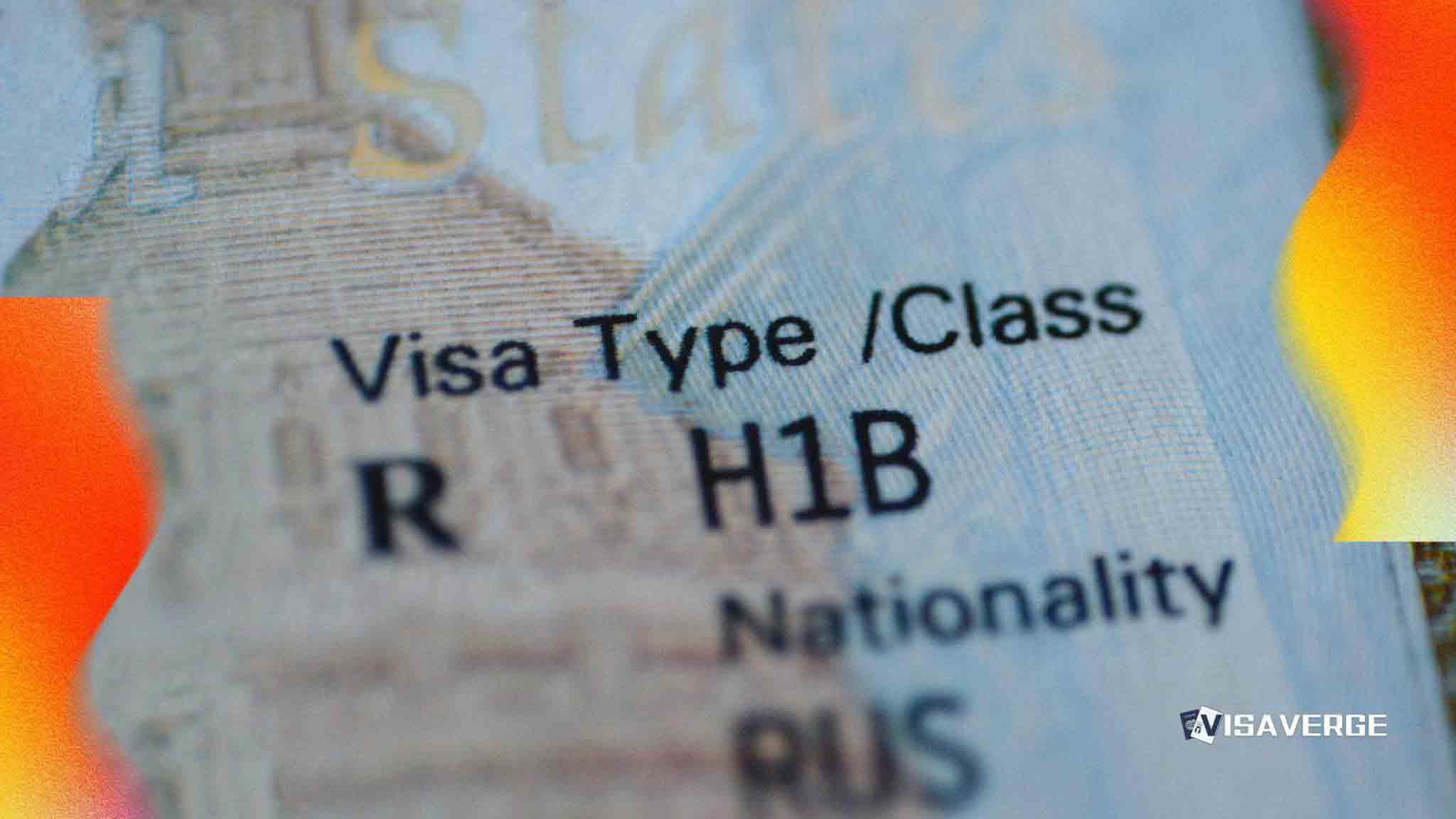
The case centered on conduct that predated their naturalization and later resulted in criminal convictions. Chen entered the United States on an H-1B visa in 2007, and Zhou entered on an H-1B visa in 2008.
Both later became lawful permanent residents. Chen naturalized as a U.S. citizen in 2016, and Zhou naturalized in 2017.
Their citizenship was revoked in 2026, nearly a decade after Chen naturalized and nine years after Zhou did so. The timing put renewed attention on how criminal conduct and alleged misrepresentation can reopen the status of people who had already completed the naturalization process.
In 2020, Zhou and Chen pleaded guilty to one count each of conspiracy to commit theft of trade secrets and conspiracy to commit wire fraud. The court ruled that those crimes involved moral turpitude and showed a lack of good moral character required for naturalization.
That finding went to the center of the government’s case. Under federal law, the government can revoke naturalized citizenship if it was obtained through misrepresented material facts or if the underlying conduct reflects poor moral character.
Chen and Zhou had worked as researchers at Nationwide Children’s Hospital, where they focused on exosome isolation, a technique for identifying and treating medical conditions. Prosecutors said they stole proprietary information, used it to develop commercial kits, and received $1.5 million from related transactions, including shares in a company exploiting the secrets.
The Justice Department’s Civil Division, through its Office of Immigration Litigation, pursued the denaturalization case. Government lawyers argued that the couple’s citizenship had been illegally procured because they concealed unlawful acts that would have affected the naturalization decision.
Simmons found no extenuating circumstances. He ordered denaturalization under the federal provisions that allow revocation when a person misrepresented material facts or lacked the good moral character required for citizenship.
Attorney General Pamela Bondi framed the case as both an immigration matter and a criminal accountability case. “Gaining citizenship after committing serious crimes against the American people is an unacceptable abuse of our immigration system,” Bondi said.
Bondi also described citizenship as a “privilege to obtain, not a right to abuse.” Her remarks placed the case squarely within the Trump administration’s broader push to expand denaturalization in President Trump’s second term.
That wider effort has treated denaturalization as an active enforcement tool rather than a rarely used remedy. The administration has prioritized revocation in cases involving fraud, security threats or improperly obtained benefits.
As of late March 2026, the Justice Department had secured 13 denaturalizations and had 16 cases pending. Officials have also pointed to other recent actions, including a complaint filed on March 17, 2026, against Lebanese immigrant Alec Nasreddine Kassir in Florida for marriage fraud.
The administration has also increased staff at 80 field offices to target 100-200 individuals monthly. President Trump has directed maximal pursuit of proceedings, presenting the effort as part of a broader campaign to protect citizenship while pressing a wider immigration crackdown.
The Zhou and Chen case stands out because it joined several strands of federal policy at once: immigration enforcement, citizenship review, criminal fraud and concerns about the theft of proprietary American research. It also showed how conduct connected to an employment-based visa path can later become part of a denaturalization case.
Chen and Zhou first entered the United States on H-1B visas, a common route for highly skilled foreign workers. From there, they became lawful permanent residents and then citizens, steps that normally mark a steady progression toward permanent legal status.
Instead, their path reversed. The government argued that because the unlawful conduct existed before naturalization and was concealed, the later grant of citizenship could not stand.
In citizenship cases, the good moral character standard often becomes a decisive legal question. Here, the court’s finding that conspiracy to commit theft of trade secrets and conspiracy to commit wire fraud involved moral turpitude gave the government the basis to argue that Zhou and Chen were never eligible to naturalize when they did.
The ruling did not rest only on the later guilty pleas. It also rested on the court’s conclusion that the conduct showed they had not met the moral and legal requirements for citizenship at the time they obtained it.
That distinction matters in denaturalization cases. The government does not need to show only that a naturalized citizen later committed a crime; it must show that citizenship was illegally procured in the first place or obtained through concealment or misrepresentation.
In this case, the Justice Department said it had done so. Simmons agreed and revoked both naturalization orders.
The underlying criminal case involved medical trade secrets taken from one of Columbus’s best-known pediatric research institutions. Prosecutors said the stolen proprietary information was then used to develop commercial kits.
Those transactions generated $1.5 million, including company shares tied to the exploitation of the secrets. The amount gave the case a commercial dimension beyond the theft itself and helped define the scale of the conduct at issue.
For immigration lawyers and prosecutors, the case also illustrates how denaturalization can reach long-settled status when the government links criminal conduct to the original citizenship application. A person may hold citizenship for years, but if a court finds the status was obtained illegally, that grant can be undone.
The consequences for Zhou and Chen now extend beyond the loss of a passport or voting rights. Once denaturalized, they return to non-citizen status and face potential removal from the United States.
Their lawyer declined comment. No public statement from either Zhou or Chen appeared in the court action described by the Justice Department.
The government, by contrast, cast the ruling as part of a deliberate campaign. Bondi’s statement tied the case to what administration officials describe as protecting the value of American citizenship and pursuing people who gained it through fraud or concealment.
The Trump administration’s second-term approach has made that message more visible. Alongside criminal prosecutions and immigration enforcement, denaturalization has become one more channel for pressing the administration’s broader agenda on citizenship and border-related policy.
Recent cases involving people from Ukraine, Cuba and Lebanon show the range of targets. The government has used denaturalization in cases involving criminal convictions, marriage fraud and other allegations that officials say should have blocked naturalization from the start.
The revocation of Zhou and Chen’s citizenship adds a high-profile research theft case to that list. It also puts Columbus, Ohio, at the center of a legal fight that linked hospital research, H-1B immigration history, naturalization, criminal conspiracy and moral turpitude.
For the couple, the legal progression was stark: arrival in 2007 and 2008 on work visas, lawful permanent residence, citizenship in 2016 and 2017, guilty pleas in 2020, and denaturalization on March 30, 2026. The ruling left intact the government’s view that the road to citizenship closes when unlawful acts and concealment undercut the basic requirement of good moral character.
“Gaining citizenship after committing serious crimes against the American people is an unacceptable abuse of our immigration system,” Bondi said.