Key Takeaways
• An international student was deported for participating in a protest classified as a national security threat.
• Trump’s 2025 executive order targets students involved in activities deemed antisemitic or pro-terrorist.
• Critics highlight violations of free speech and due process for international students in these situations.
The recent deportation of an international student from the University of Florida 🇺🇸 to Colombia 🇨🇴 has sparked considerable concern among students, scholars, and policymakers alike. This incident, which centers on evolving immigration policies and their intersection with academic and constitutional freedoms, has raised significant questions about the rights of international students in the United States. As policies tighten under the second administration of President Donald Trump, the academic landscape is becoming increasingly fraught for those from abroad. This case shines a spotlight on both the immediate and long-term effects of such measures, not only for the individuals involved but also for universities and broader society.
What Happened: Student Detention and Deportation

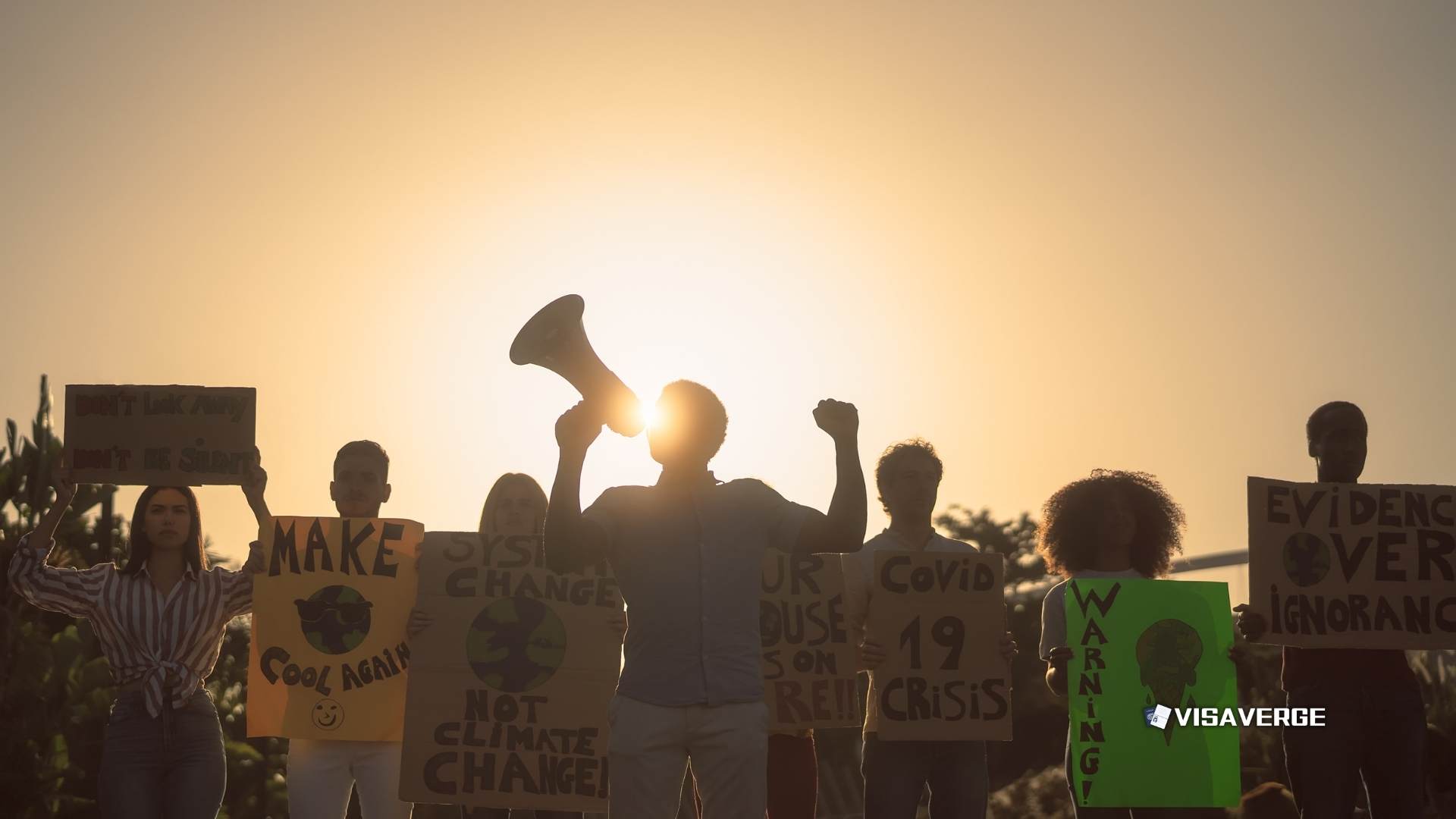
This case unfolded following an executive order signed by President Trump in early 2025, which specifically targets international students participating in activities or demonstrations deemed antisemitic or supportive of terrorist organizations. The detained student, who was studying at the University of Florida, was accused of involvement in a protest considered to fall within these parameters. Immigration enforcement authorities classified this participation as a national security issue, leading to the student’s detention and subsequent removal to their home country of Colombia 🇨🇴.
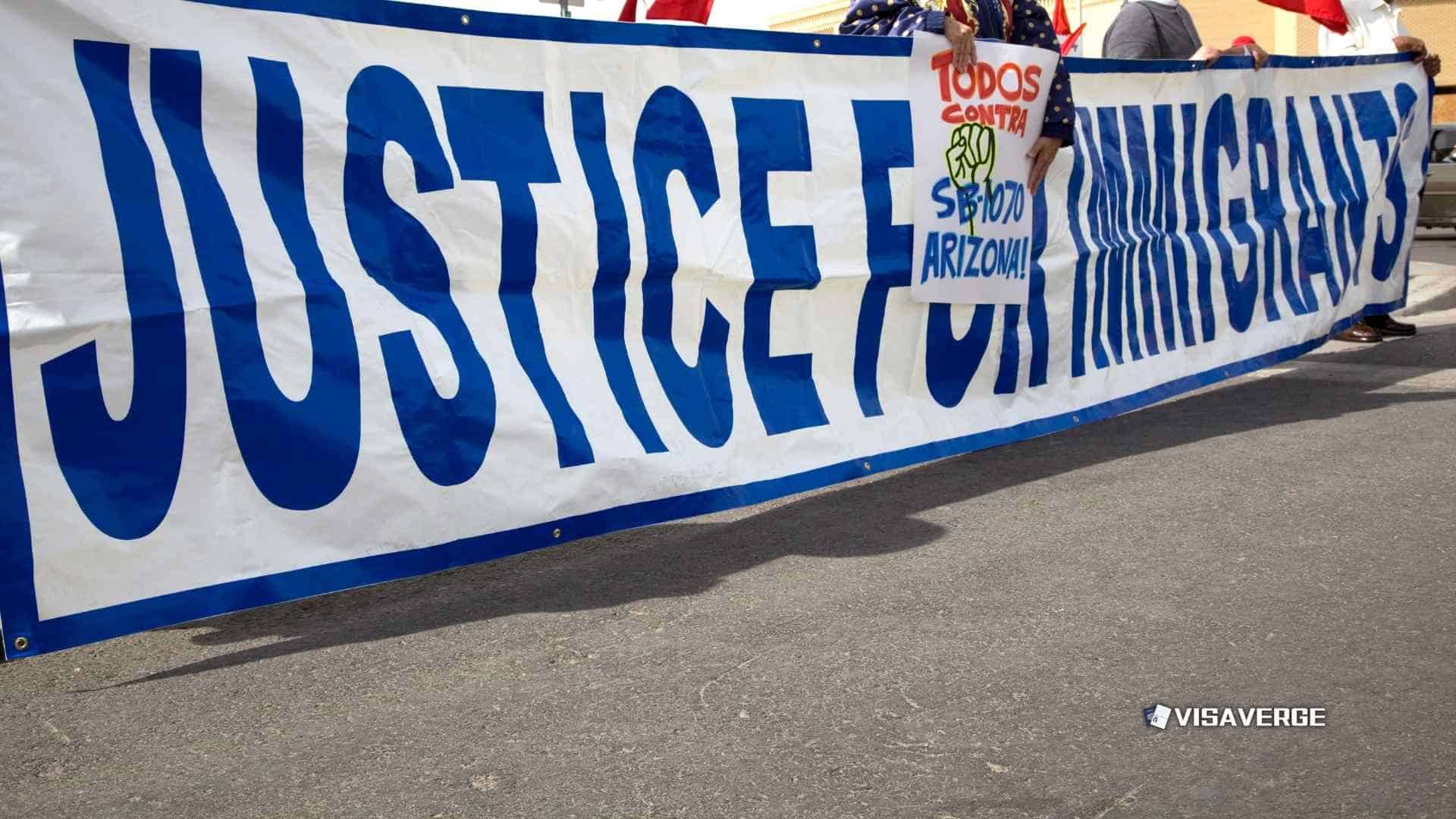
The deportation has raised alarm among academics, students, and legal experts. Critics argue that such policies blur the line between safeguarding national security and infringing on personal freedoms, such as the right to free speech and peaceful assembly. Observers worry that the broad criteria used to evaluate such cases could prove overly punitive, particularly for international students who lack the legal protections afforded to U.S. citizens and permanent residents.
How the Executive Order Works: A Controversial Policy
The executive order signed by President Trump outlines strict measures against international students accused of supporting groups or causes deemed a threat to national security. Such cases often involve minimal legal recourse for students, as non-immigrant visa holders have limited rights compared to citizens or green card holders.
Proponents of the policy argue that it is necessary to protect American educational institutions from exploitation by individuals who may pose risks to safety or security. However, opponents contend that the order goes too far, potentially penalizing students for lawful, constitutionally protected activities such as exercising free speech. Legal experts have pointed out that the vague definitions used in these cases—like what constitutes “pro-terrorist” activity—leave room for subjective interpretation, raising concerns about bias or overreach.
Legal Concerns Raised by Immigration Experts
The deportation of the University of Florida student has brought significant legal questions to the forefront. According to Jaclyn Kelley-Widmer, an immigration law expert, one of the major concerns is the lack of due process for international students in these cases. While U.S. citizens involved in comparable actions would likely face civil or criminal proceedings with full legal protections, international students are often fast-tracked into detention and deportation, bypassing many procedural safeguards.
Advocates warn that policies targeting young, politically active students may discourage academic discourse and erode trust in the U.S. as a destination for higher education. Furthermore, some legal scholars argue that the order risks violating First Amendment protections on free speech, particularly when demonstrations or protests are lawful but politically controversial.
The Role of the University of Florida
The University of Florida, one of the largest and most prestigious public universities in the country, has found itself at the heart of this evolving issue. Like many other higher education institutions, it faces the dual challenge of adhering to federal immigration policies while maintaining its commitment to fostering an open and inclusive environment for all students. In a statement, the university reaffirmed its support for international students while emphasizing the need to comply with federal mandates.
This is not the first time the University of Florida has dealt with controversies surrounding international students. In 2024, headlines emerged when a Chinese student, Nongnong “Leticia” Zheng, was banned from campus for three years after being implicated in an investigation related to alleged theft of research materials. Although Zheng faced no criminal charges, the incident heightened tensions between national security protections and due process rights in academic settings. Critics warned at the time that such measures could unfairly profile international students based on nationality or perceived affiliations.
The broader Florida political landscape has also played a role in shaping the experiences of international students in the state. For example, Florida Senate Bill 846, passed in March 2024, prohibits universities from entering into formal agreements with universities and organizations in certain countries. Though the bill does not specifically target individuals, its effects have primarily been felt by students and scholars from countries like China, raising concerns about discrimination.
Reactions: Faculty and Students Speak Out
The detention and expulsion of the Colombian student have sent ripples through the University of Florida community. Students and faculty alike have voiced their frustration, decrying the federal policies that led to the deportation. Many worry that such measures create a hostile environment for open dialogue and academic freedom. Advocacy groups have also raised their concerns, warning that policies like these may discourage international students from choosing the U.S. for higher education in the future.
Faculty members have underscored the broader contributions of international students, both academically and culturally. International students currently make up a significant portion of graduate-level researchers and teaching assistants in key fields. Policies that marginalize or target these students could have far-reaching effects, not just on university communities but also on broader research and innovation landscapes.
Why This Matters on a Larger Scale
The U.S. has long been a top destination for international students, offering world-class education and opportunities in cutting-edge industries. Students from abroad contributed an estimated $45 billion to the U.S. economy in 2022 through tuition, fees, and living expenses, bolstering local communities and state economies. However, as policies like Trump’s executive order gain traction, there is growing concern about the United States’ reputation as a welcoming destination for academics.
The deportation of the University of Florida student could be part of a larger shift away from this openness. Analysis from VisaVerge.com suggests that tighter immigration policies may already be deterring students from choosing the U.S., instead opting for countries like Canada 🇨🇦, which have made explicit efforts to attract international scholars through robust immigration pathways. If this trend continues, the U.S. risks losing its competitive edge in global education and innovation.
Trump’s Broader Immigration Agenda
Deportations linked to alleged activism by international students reflect a broader pattern within Trump’s immigration strategy during his first and second terms in office. Past policies under his administration included travel bans targeting several countries and increased scrutiny of visa applications. Now, with an emphasis on linking student activities to national security, President Trump has doubled down on immigration enforcement, prompting both praise and criticism.
Secretary of State Marco Rubio has publicly stated that these policies are designed to “preserve the integrity and safety of America’s educational institutions.” Yet, critics argue that such approaches risk alienating the global academic community.
A Path Forward
The deportation of a University of Florida student to Colombia underscores the complex issues at the heart of modern immigration policymaking. For now, international students find themselves navigating an increasingly uncertain landscape where their academic futures intersect with political priorities. Universities, advocacy groups, and legal experts will continue to play a crucial role in supporting vulnerable student populations while working to uphold the core democratic principles of free speech and open expression.
If you are an international student or academic seeking reliable immigration information, the U.S. Citizenship and Immigration Services (USCIS) website offers authoritative resources to help navigate visa policies and compliance requirements USCIS International Students. Understanding these rules can help mitigate risks in an ever-changing environment.
Learn Today
Executive Order → A directive issued by the President with legal authority, often shaping significant policies or enforcement priorities.
Due Process → Legal principle ensuring fair treatment under the law, including the right to a hearing before adverse actions.
National Security → Protections against threats to a country’s safety, including terrorism, espionage, and other dangers.
First Amendment → U.S. constitutional amendment protecting freedoms of speech, religion, press, assembly, and petition.
Visa Holder → Someone authorized to live or work in a country temporarily under specific conditions tied to a visa type.
This Article in a Nutshell
The deportation of a University of Florida student highlights issues with restrictive U.S. immigration policies. Trump’s 2025 executive order targets students involved in demonstrations deemed threatening. Critics argue this undermines rights like free speech, creating challenges for students navigating the growing intersection between academia, immigration regulations, and national security policies.
— By VisaVerge.com
Read more:
• Colombian President Gustavo Petro Asks Undocumented Colombian Citizens in U.S. to Return
• U.S. Deportation Flights to Colombia Raise Concerns Over Migrant Treatment
• 100’s of US Visa Appointments Canceled in Colombia Amid Deportation Dispute
• Trump Responds to Colombia’s Deportation Flight Rejection with Emergency 25% Tariffs
• Colombia Rejects U.S. Deportation Flights