- A Senate report alleges widespread misconduct and neglect within the U.S. immigration detention system.
- Detainees maintain the right to necessary medical care and humane conditions under civil detention standards.
- Effective oversight requires families to document all medical requests and use official grievance channels immediately.
(UNITED STATES) — People held in U.S. immigration detention generally have a right to necessary medical care and humane conditions, even though immigration detention is a civil (not criminal) system.
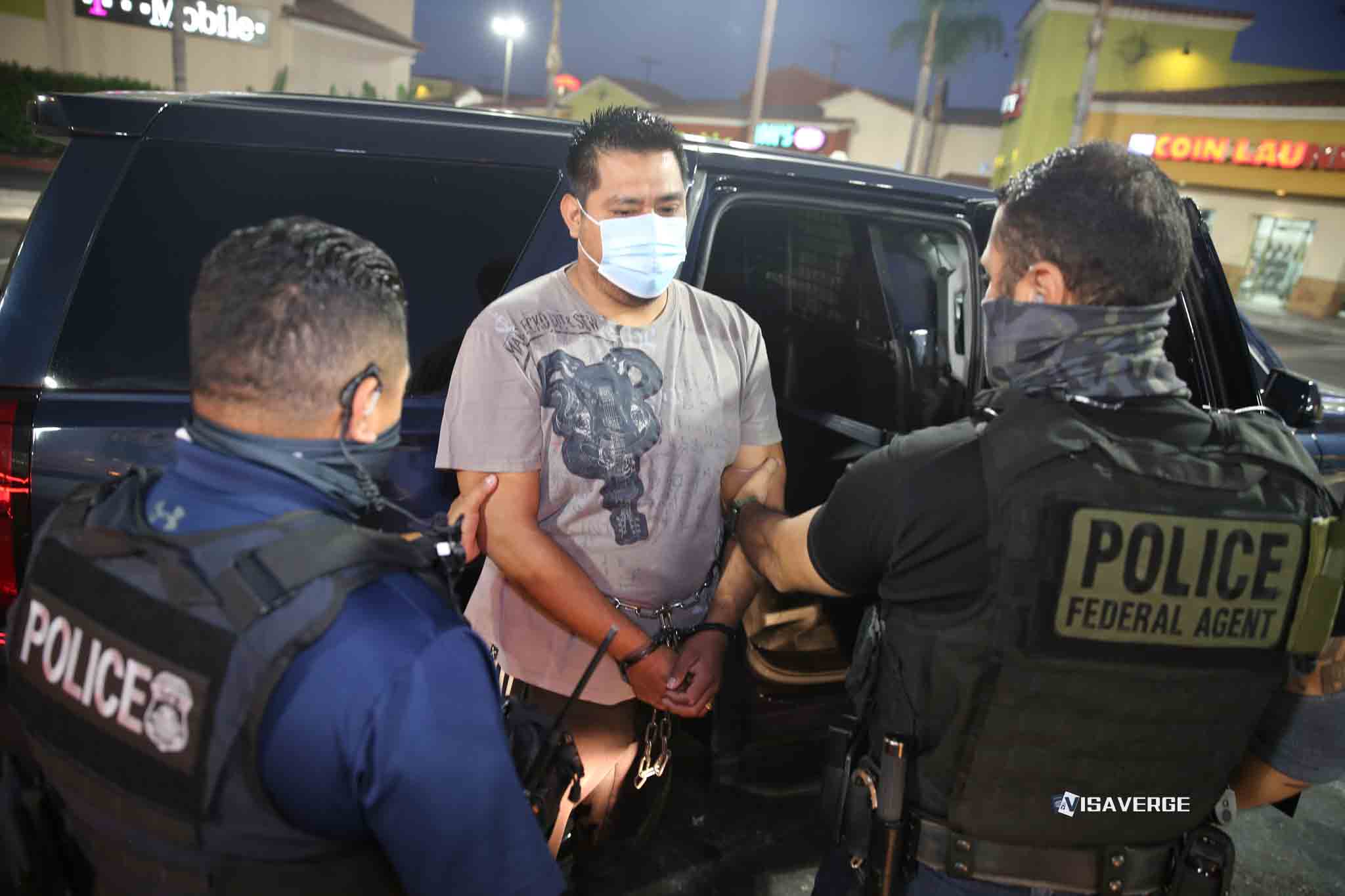
On January 27, 2026, Sen. Jon Ossoff (D-GA) released an oversight report alleging a large volume of serious misconduct in the immigration detention system during the first year of the second Trump Administration.
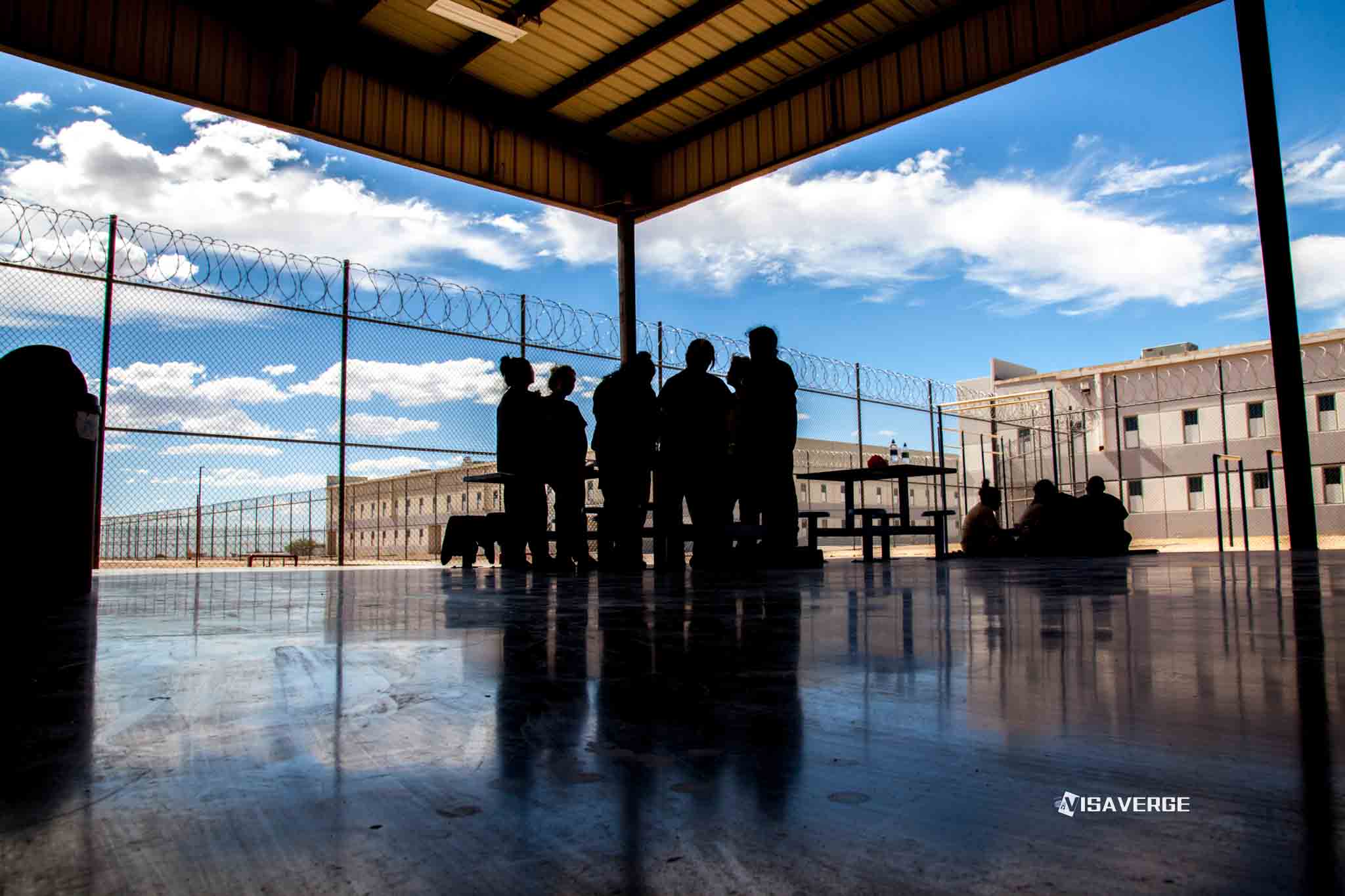
The report describes screened allegations as “credible reports,” a term that typically means complaints were triaged and assessed as plausible enough to document and refer for review. It does not automatically mean a court or agency has proven a legal violation.
This rights guide explains (1) what rights detained people have, (2) the legal foundations for those rights, (3) how to assert them in real time, (4) how rights are commonly waived or lost, and (5) what families can do when they suspect Medical Neglect or other unsafe conditions.
The guide also separates detention-conditions oversight from the outcomes of immigration cases, such as asylum, cancellation, or removal.
1) The right: Necessary medical care and humane treatment in immigration detention (and who has it)
The right. People held by ICE or in ICE-contracted facilities generally have the right to be free from punishment and to receive adequate medical care for serious needs.
That includes urgent care, continuity of needed medications, and reasonable measures to prevent dangerous conditions.
Who has it. This right applies broadly to people in immigration custody, including:
- Undocumented individuals in removal proceedings.
- Lawful permanent residents (LPRs) detained under INA § 236 or INA § 241.
- Visa holders and asylum seekers.
- People with final orders of removal who remain detained.
- In many situations, families and children in DHS custody also have additional protections, including under longstanding child-welfare standards and related court oversight.
Legal basis (high level).
- U.S. Constitution: Because immigration detention is civil, courts often analyze detention conditions under the Fifth Amendment Due Process Clause (for federal custody) rather than the Eighth Amendment.
- The practical standard is similar: government actors may not act with “deliberate indifference” to serious medical needs, and may not impose punitive conditions on civil detainees.
- Detention authority: ICE detention commonly occurs under INA § 236 (pre-removal order detention) and INA § 241 (post-removal order detention).
- Key Supreme Court context: Prolonged detention and custody authority have been litigated extensively. See, for example, Zadvydas v. Davis, 533 U.S. 678 (2001) (limits on post-order detention when removal is not reasonably foreseeable) and Jennings v. Rodriguez, 583 U.S. 281 (2018) (bond-hearing issues depend on statute and circuit case law).
- Detention standards and oversight: ICE publishes detention standards and medical-care expectations through policy frameworks. Those policies may inform accountability, even when they do not create a private right of action by themselves.
Warning: Do not assume that a detention medical request automatically reaches a clinician. In many facilities, the first “screen” is done by custody staff or contractors. Escalation and documentation often matter.
2) What the Ossoff report alleges: categories and why they matter legally
Sen. Ossoff’s report alleges a pattern of harm reflected in 1, 037 credible reports received and screened over the stated period.
In oversight work, category labels help identify repeat problems and trigger targeted inquiries. They can also shape where inspectors, civil-rights investigators, and litigators focus.
A) Medical neglect (urgent care delays, denied treatment, broken continuity)
In detention settings, Medical Neglect allegations commonly involve delayed evaluation, interrupted prescriptions, failure to transport to outside specialists, ignored sick-call slips, or denial of emergency care.
Legally, these claims often center on whether officials knew of a serious risk and failed to act, or whether care was so deficient that it became punitive for a civil detainee.
B) Sanitation and overcrowding
These allegations may include unsafe water, lack of soap, pest infestations, insufficient bedding, or inadequate isolation for contagious disease.
Overcrowding can amplify medical risk and can impede access to counsel, interpreters, and telephones.
C) Family separation and interference with caregiving
Family separation concerns can arise when parents are detained far from children, when communication is blocked, or when release decisions do not account for caregiving responsibilities.
These issues can intersect with due process, child welfare concerns, and, in some cases, disability or medical-accommodation needs.
D) Violence, mistreatment, and denial of basic needs
Allegations may include excessive force, sexual abuse, denial of food or potable water, and punitive responses to medical complaints.
These allegations can trigger multiple accountability pathways, including civil-rights investigations and, in severe cases, criminal inquiries.
How to interpret category counts. Categories often overlap. One incident can involve medical delays, overcrowding, and mistreatment. Reports can also reflect multiple witnesses describing the same event.
A “credible report” is a screened allegation, not a final adjudication.
Documentation checklist (general information). If you are trying to document conditions, the most useful details often include:
- Facility name, housing unit, and address if known.
- Dates and times of symptoms, requests, and responses.
- Names, titles, or badge numbers if known.
- Copies or photos of medical request slips, grievance forms, and responses.
- Names of witnesses and what they observed.
- Medication names, dosages, and missed doses.
- Any hospital discharge paperwork or outside-provider notes.
Warning: If someone is in medical crisis, treat it as an emergency first. Documentation is important, but it should not delay urgent care requests.
3) Competing official narratives: what to listen for, and which agencies do what
Sen. Ossoff’s accountability message. In public statements, the Senator has framed the allegations as incompatible with humane treatment and has urged accountability while acknowledging border enforcement priorities.
Oversight reports often aim to compel agency explanations, corrective action plans, and sustained monitoring.
DHS pushback. DHS officials have previously disputed similar findings from the same investigation, calling prior claims inaccurate and emphasizing internal standards.
That disagreement is common in detention oversight, where the facts may depend on medical charts, logs, video, witness statements, and facility contract compliance.
Do not conflate DHS, ICE, and USCIS.
- DHS is the cabinet department that houses multiple components.
- ICE generally runs detention operations and contracts with local and private facilities.
- USCIS generally adjudicates immigration benefits (asylum applications affirmatively, green cards, naturalization, certain humanitarian programs). USCIS does not run ICE detention facilities.
Operation PARRIS in context. DHS has also publicized “Operation PARRIS,” described as a status re-examination and fraud-focused initiative affecting certain refugee cases in Minnesota.
That kind of program can increase interviews, requests for evidence, and enforcement attention. It can also raise fear and confusion in communities, especially when detention concerns are simultaneously in the news.
Readers should separate (1) a benefits re-review process from (2) detention-conditions oversight.
For primary agency postings, see the USCIS release at DHS launches landmark USCIS fraud investigation in Minnesota.
4) Why this matters now: system pressure, accountability metrics, and political leverage
Detention-conditions reporting matters because civil detention is supposed to be non-punitive. When the detained population expands quickly, facilities may face staffing strain, overcrowding, and delays in medical and mental health services.
Those pressures can also increase legal exposure for the government and contractors.
Deaths in custody and serious medical events are key accountability metrics. They often trigger reporting requirements, inspector general interest, litigation, and contract scrutiny.
Public attention can also drive congressional oversight, including hearings, information requests, and funding debates.
Operation PARRIS also matters in this environment. When refugees or other humanitarian entrants face re-screening, they may receive interview notices, requests for evidence, or enforcement contact.
People who miss deadlines or fail to update addresses can face serious consequences.
Deadline: If you or a family member receives a USCIS notice (interview, biometrics, or request for evidence), respond by the stated deadline. Missed deadlines can lead to denials or referrals. Keep proof of delivery and copies.
5) How to exercise the right in practice (and what families can do)
The Ossoff report includes narratives involving postpartum care, newborn or breastfeeding separation, and medical disruption affecting a seriously ill child.
These scenarios raise heightened concerns because they involve medical vulnerability, child welfare, and, potentially, disability-related accommodations.
A) Inside detention: steps to request and escalate medical care
- Make the request in writing when possible. Use sick-call slips, electronic kiosks, or written medical request forms. Keep a copy or photograph if rules allow.
- State symptoms and urgency clearly. Use concrete facts: pain level, fever, bleeding, breathing issues, missed medications, pregnancy-related symptoms, seizures, or suicidal thoughts.
- Ask for continuity of medications. If someone had prescriptions before detention, request verification and continuation. Provide pharmacy details if available.
- Escalate through the facility’s grievance process. Grievances create a paper trail. Ask for written responses.
- Request reasonable accommodations. If there is a disability or serious medical condition, ask for accommodations in writing. That can include mobility help, diet changes, or assistive devices.
B) Outside detention: what families and advocates can do quickly
- Locate the person and confirm the facility. Use ICE’s online detainee locator when possible. Confirm A-number and spelling.
- Call the facility and ask for the medical unit. Ask how to submit medical records and prescriptions. Keep a call log.
- Send medical records promptly. Fax or email, if accepted. Include diagnosis, medication list, allergies, and treating physician contact.
- Contact counsel fast. Medical and conditions issues can intersect with bond motions, parole requests, and custody redeterminations.
- Consider congressional casework. A congressional office may make inquiries, especially where there is an urgent humanitarian risk. This does not replace legal representation.
C) How rights are commonly waived or lost
- Signing paperwork without comprehension. People sometimes sign medical refusals, withdrawal forms, or “voluntary” statements without an interpreter.
- Failing to grieve within facility time limits. Some systems require prompt filing. Late grievances may be rejected.
- Not preserving proof. Without logs, copies, or names, it can be harder to corroborate timelines.
- Accepting removal or transfer without medical planning. Transfers can interrupt care if records do not travel.
Warning: Do not sign documents you do not understand. You can request an interpreter. You can also request time to consult an attorney.
D) If you believe rights were violated: complaint channels and legal options
Options depend on facts, location, and custody status. A qualified attorney can help select the right pathway.
Potential avenues may include:
- Facility grievance and medical escalation to create an internal record.
- DHS Office for Civil Rights and Civil Liberties (CRCL) complaints for civil-rights or civil-liberties concerns.
- DHS Office of Inspector General (OIG) complaints for systemic or serious misconduct allegations.
- Federal court actions in appropriate cases, including habeas-related claims about unlawful detention, and conditions litigation when legal standards are met.
- Emergency motions in immigration court in limited circumstances, such as requesting continuances due to medical incapacity, or seeking custody review where eligible. EOIR information is available at EOIR.
Because circuits differ on detention procedures and remedies, outcomes may vary significantly by jurisdiction.
6) Primary sources: verify, save records, and watch for updates
Detention oversight often develops in stages. Initial allegations may be followed by agency responses, inspector general activity, contract review, and litigation.
Readers should rely on primary sources, including official postings from the Senator’s office, DHS, and USCIS, and check for updates.
Online postings can change. If you are tracking a developing issue tied to a specific facility or person, save PDFs, screenshots, and dated call logs for your records.
Legal help resources
– AILA Lawyer Referral: AILA Lawyer Referral
Legal Disclaimer: This article provides general information about immigration law and is not legal advice. Immigration cases are highly fact-specific, and laws vary by jurisdiction. Consult a qualified immigration attorney for advice about your specific situation.