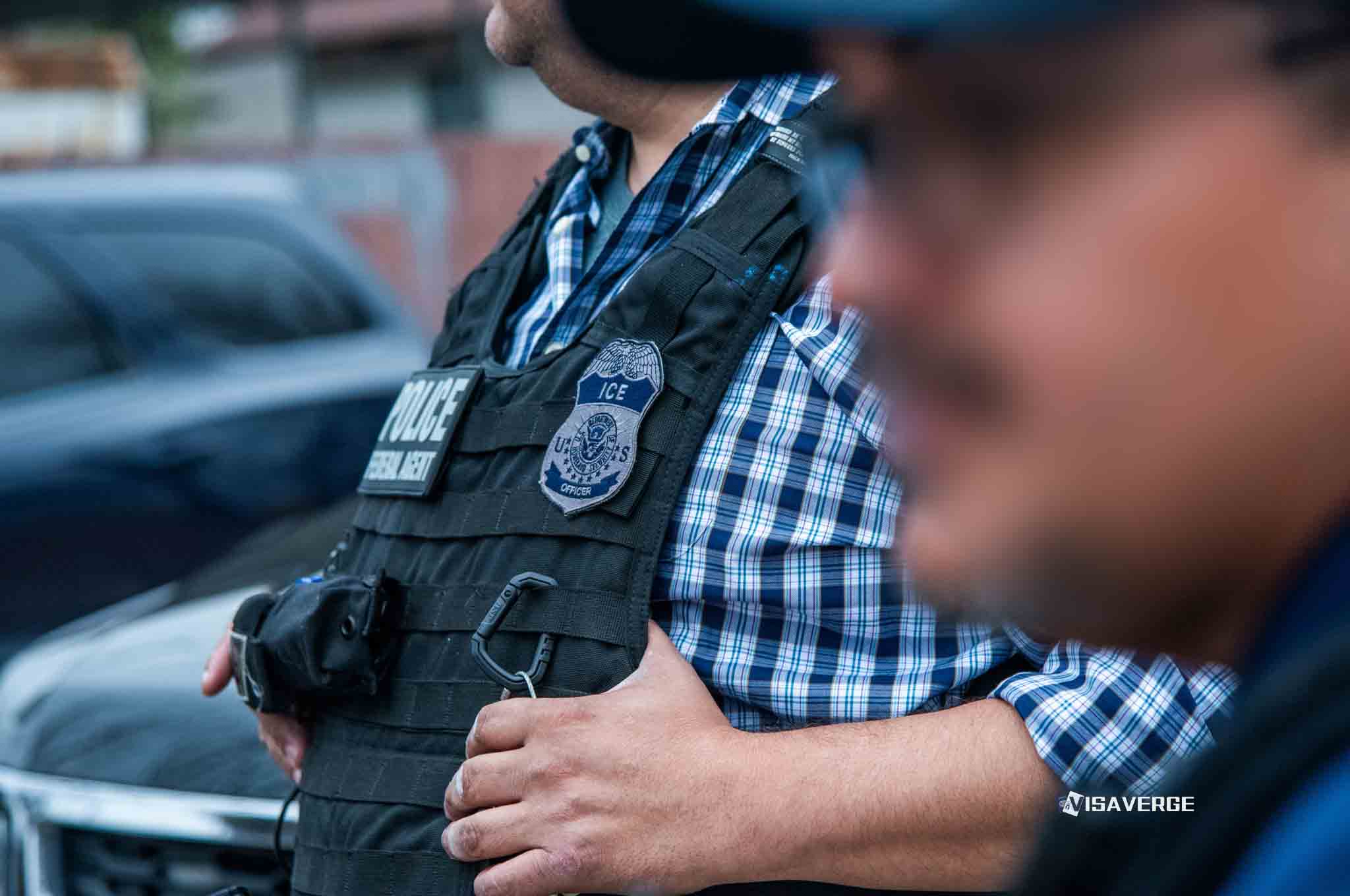
(UNITED STATES) — The Department of Homeland Security has intensified interior immigration enforcement while rolling out new registration and biometric rules that broaden federal oversight of noncitizens, as major legal challenges affecting undocumented immigrants move through the Supreme Court.
Secretary of Homeland Security Kristi Noem framed the approach in a December 19, 2025 statement that praised border security and arrests while promising more action ahead.

“Under President Trump’s leadership, we are making America safe again and putting the American people first. In record-time we have secured the border, taken the fight to cartels, and arrested thousands upon thousands of criminal illegal aliens. Though 2025 was historic, we won’t rest until the job is done,” Noem said.
Free toolSubstantial Presence Test Calculator
Assistant Secretary Tricia McLaughlin, in a January 2, 2026 statement, tied holiday-season enforcement to public safety and announced removals of people she described as criminals.
“ICE law enforcement secures our streets every single day including over the holiday season. They rang in the New Year with the removal of more disgusting monsters including pedophiles, murderers, and fraudsters from American neighborhoods. Thanks to our brave law enforcement officers, American families have safer communities in 2026,” McLaughlin said.
Another DHS spokesperson, also on January 2, 2026, said the department would continue public messaging about enforcement operations.
“DHS will continue using every tool at its disposal to keep the American people informed as our agents work to Make America Safe Again,” the spokesperson said.
New registration and biometric rules
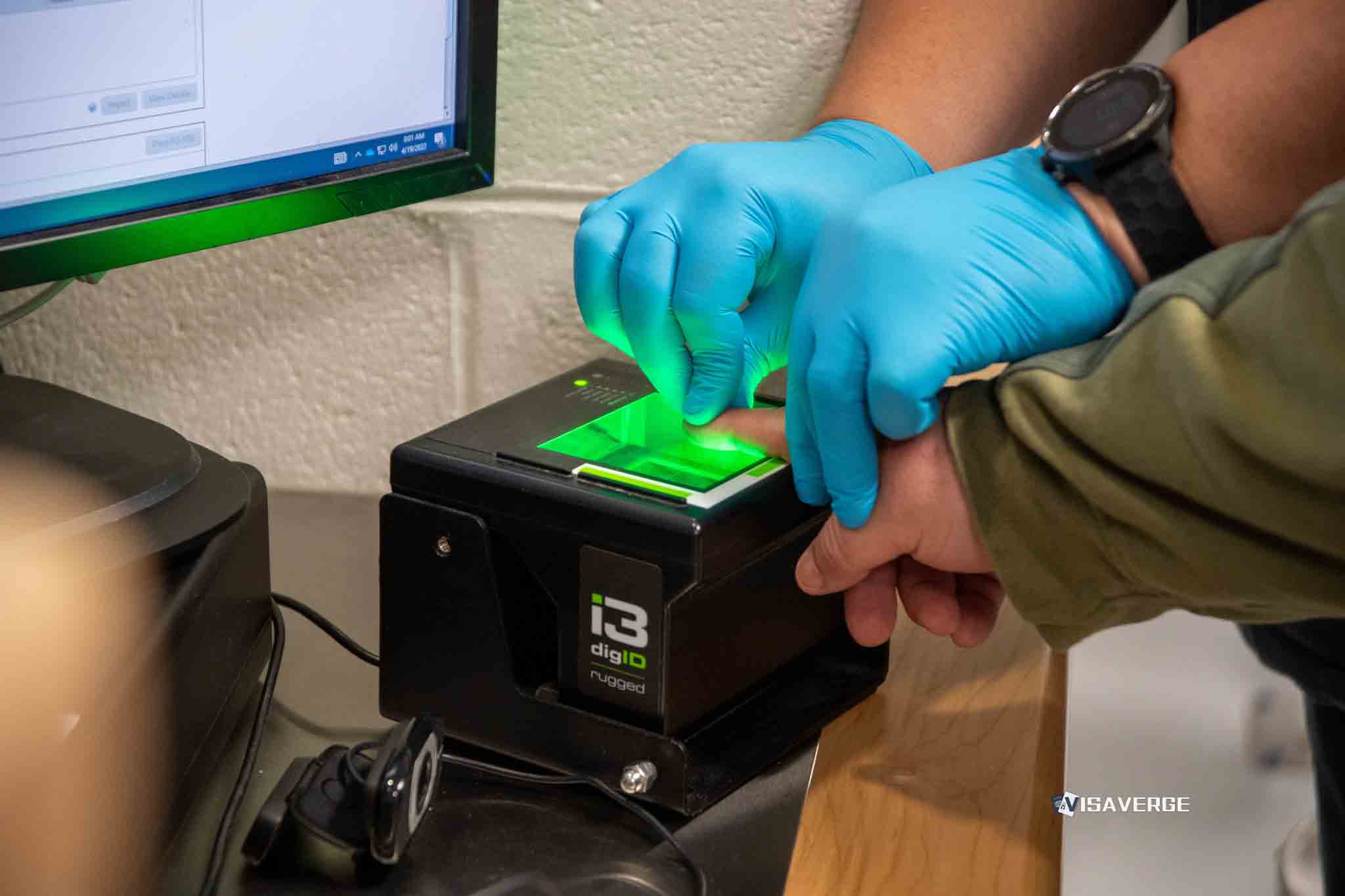
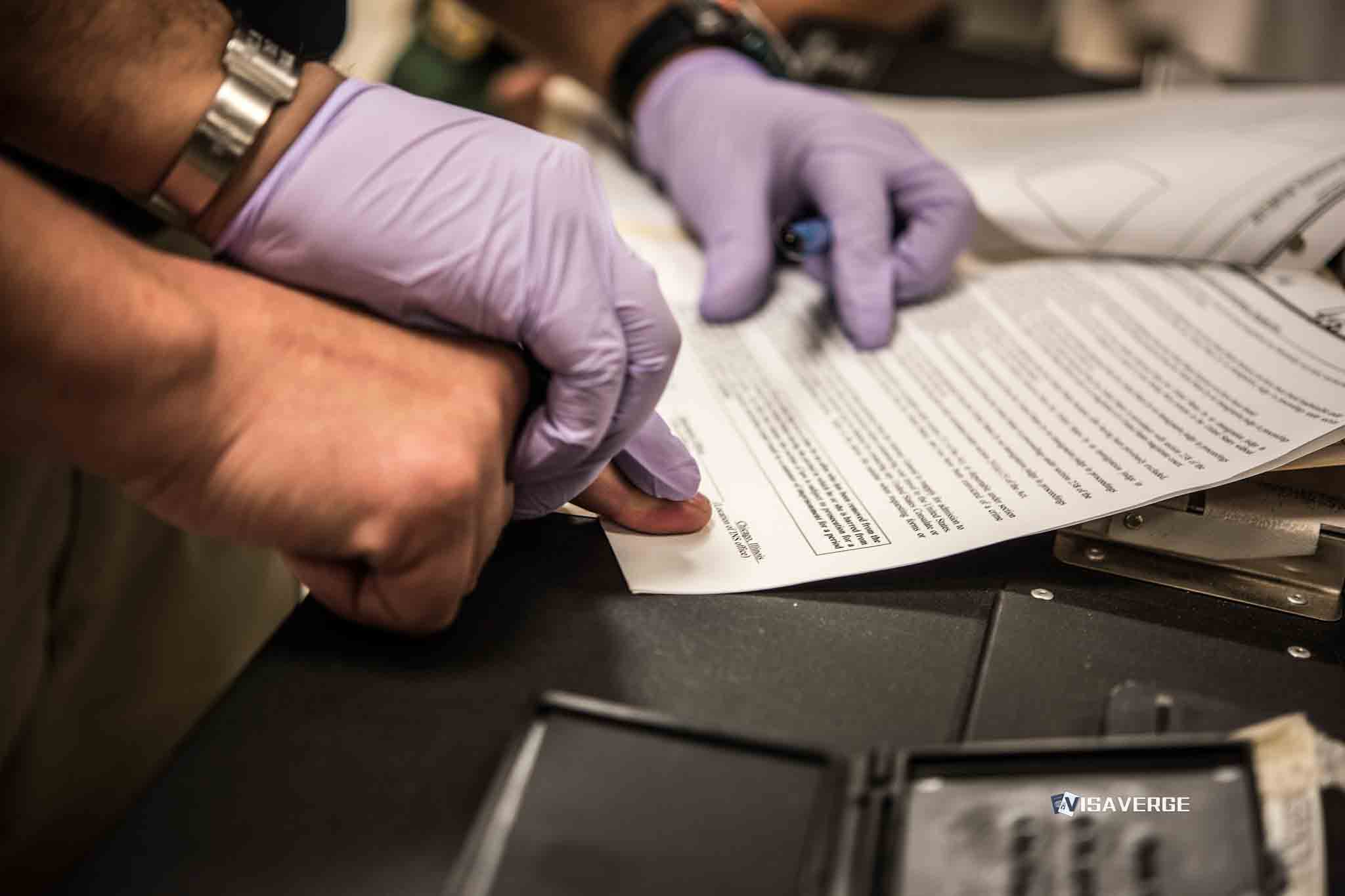
The stepped-up posture comes alongside a mandatory registration and fingerprinting requirement that took effect April 11, 2025.
Reminder: TPS protections for Haiti and Venezuela have ended, and a 19-country adjudicative hold is in effect as of Jan 1, 2026. Stay updated with USCIS rulings to avoid missing benefits or deadlines.
- Who it applies to: All noncitizens aged 14 or older who remain in the U.S. for more than 30 days.
- Requirements:
- Must register and be fingerprinted by DHS.
- Adults (18+) must carry proof of registration at all times.
- Failure to comply is a criminal offense.
A separate DHS rule dated December 26, 2025 authorizes U.S. Customs and Border Protection (CBP) to collect facial biometrics from all noncitizens at all entry and exit points.
- This collection includes Green Card holders.
- It applies at airports, land ports, and seaports, expanding the biometric reach of the entry-exit system beyond earlier scopes described by the agency.
Enforcement totals, voluntary departures, and incentives
DHS reported large enforcement totals for 2025, including removals and departures described as voluntary.
| Category | 2025 Total |
|---|---|
| Removals | More than 622,000 |
| “Self-deporting” / voluntary departures | 1.9 million |
In late 2025, DHS offered a temporary $3,000 stipend and a free flight home via the “CBP Home” app for undocumented individuals who agreed to leave voluntarily by December 31.
2026 funding and enforcement focus
The administration proposed major funding for 2026 enforcement activity that extends beyond the border.
- Proposed amount: $170 billion expansion for 2026.
- Focus areas: Increased interior and workplace enforcement, targeting sectors such as:
- Construction
- Agriculture
- Hospitality
Changes to humanitarian pathways and status programs
As the enforcement push widens, federal actions have also narrowed humanitarian pathways that previously shielded some people from removal.
- Temporary Protected Status (TPS): Secretary Noem announced the end of TPS for several countries, including Haiti and Venezuela.
- TPS expiration for Haiti: February 3, 2026.
- Rationale cited by Noem: that “extraordinary and temporary conditions no longer exist.”
Inside U.S. Citizenship and Immigration Services (USCIS), a separate set of restrictions has slowed or stopped processing for certain applicants connected to a list of countries DHS has described as higher risk.
- As of January 1, 2026, USCIS placed an adjudicative hold on all benefit applications (including asylum and adjustment of status) for nationals from 19 “high-risk” countries, including Afghanistan, Cuba, and Venezuela.
- The hold is pending what DHS described as a “comprehensive re-review.“
State responses and family preparedness
States have responded to the possibility of deportations separating families by passing measures aimed at contingency planning.
- California: AB 495, the Family Preparedness Plan Act of 2025, encourages families to designate temporary guardians for children in case of parental deportation.
Legal landscape: Supreme Court and lower courts
These changes sit in a political and legal environment where both the reach of enforcement and the rights of undocumented immigrants are being contested in courts, including at the Supreme Court.
- One case centers on birthright citizenship and a Trump executive order that directs agencies to deny citizenship documents to U.S.-born children of undocumented parents.
- The Supreme Court is currently reviewing the policy in Trump v. Barbara, while lower courts have blocked the executive order as of early 2026.
- Another Supreme Court ruling has already addressed enforcement tactics on the ground.
- In Perdomo v. Noem (Sept 2025), the Supreme Court ruled 6–3 that DHS can continue immigration sweeps in Los Angeles, affirming the executive’s discretion in enforcement priorities.
Workplace enforcement and employer impact
Workplaces have emerged as a central arena for enforcement, adding pressure on employers and employees as audits and related tools return to wider use.
- Reactivated tools:
- “No-match” letters
- Increased I-9 audits
- Consequences: Undocumented workers face immediate loss of employment and heightened risk of arrest at job sites.
Denaturalization efforts
For immigrants who already hold U.S. citizenship, USCIS guidance described a higher tempo of denaturalization referrals tied to fraud and alleged public safety concerns.
- USCIS guidance for FY 2026: Instructs offices to refer 100–200 denaturalization cases per month to the Department of Justice.
- Focus: Individuals suspected of fraud or gang affiliation during their citizenship process.
Legislative developments: The Dignity Act
The enforcement escalation has unfolded alongside continuing congressional debate over a legal status program that would not provide a pathway to citizenship.
- Bill: The Dignity Act, H.R. 4393
- Introduced in mid-2025 under the Salazar-Escobar effort.
- Cosponsors: Over 30.
- Proposal: Establish a “Dignity Program” allowing undocumented residents in the U.S. since 2020 to earn a 7-year legal status (without citizenship) after paying $7,000 in restitution.
- The White House has signaled it will not support the bill, labeling it “amnesty.“
DHS messaging and stated priorities
Across these changes, DHS has emphasized a “rule of law” approach that it says prioritizes the removal of criminal noncitizens while also expanding interior enforcement and ending various humanitarian protections.
McLaughlin’s January 2, 2026 statement reiterated the department’s message:
“Thanks to our brave law enforcement officers, American families have safer communities in 2026,” she said.
Where to find official DHS and USCIS materials
- DHS announcements and press releases: DHS Newsroom
- USCIS policy guidance and memoranda: USCIS Policy Manual & Memoranda
The U.S. government has launched a massive expansion of interior immigration enforcement, shifting focus from border security to workplace audits and universal biometric tracking. With the termination of TPS for several nations and a freeze on benefit applications for 19 ‘high-risk’ countries, legal pathways are narrowing. Meanwhile, the Supreme Court remains the final arbiter on critical issues like birthright citizenship and executive enforcement discretion.