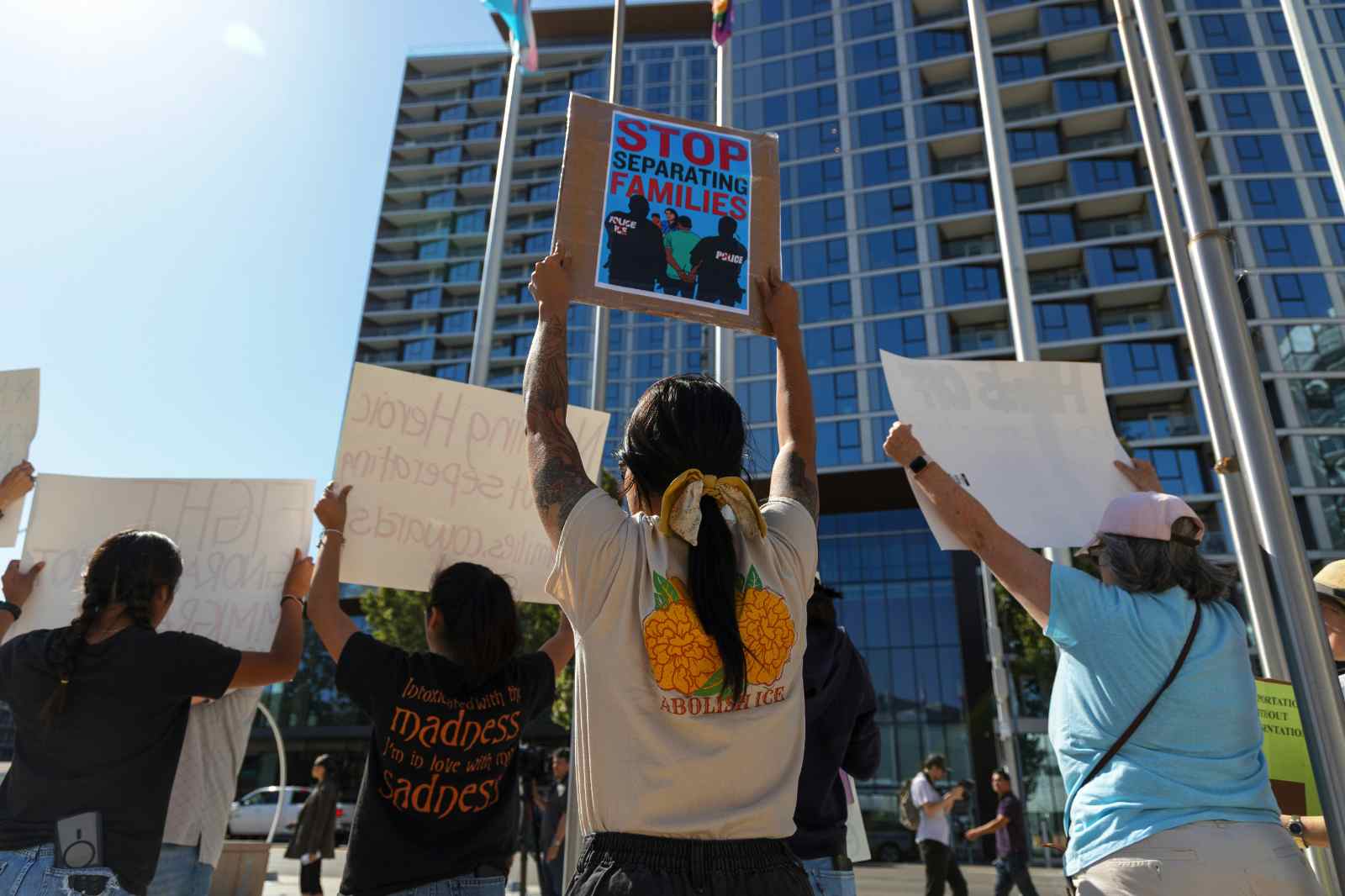
- Protesters and GOP lawmakers clashed at the Arizona Capitol over a proposal to criminalize interference during ICE operations.
- Pinal County Attorney Brad Miller argues for accountability and public safety while critics defend protected speech.
- Nationwide walkouts and campus protests signal rising resistance to enforcement policies under the Trump era.
(ARIZONA) — Protesters confronted a pro-ICE news conference at the Arizona Capitol, turning a press event into a loud standoff that spotlighted a growing clash over ICE operations, a proposal to criminalize interference during operations, and sharply different political narratives about immigrant enforcement.
What you’ll need before you read or attend any related action
- A clear goal: Are you showing support, opposing policy, or sharing information?
- Basic protest planning: Where you will stand, how you will get there, and who you will contact if you need help.
- Awareness of location rules: State capitol grounds differ from federal property like the Tucson Federal Building.
- A conduct checklist: Speech is usually protected; certain actions may be treated as obstruction or trespass.
1) Event overview: January 12 rally at the Arizona Capitol
January 12, 2026 began as a pro-enforcement news conference at the Arizona Capitol. It ended with participants moving indoors amid chanting and brass instruments from protesters who opposed ICE involvement, Trump-era deportation framing, and “mass deportation” rhetoric.
Pinal County Attorney Brad Miller hosted the event alongside GOP lawmakers. Across the plaza, demonstrators framed their message as resistance to deportation policies and ICE activity in Arizona.
Supporters of enforcement framed the same issue as public safety and backing for agents during lawful operations. Clashes did not hinge only on slogans.
Protests around ICE policy can carry legal consequences depending on conduct in the moment. Loud disagreement is one thing. Physically blocking movement, entering restricted areas, or refusing lawful orders can become something else.
2) Key figures and positions
Brad Miller, head of the Pinal County Attorney’s Office, argued that incidents impeding ICE have risen in Arizona. He said protesters can endanger the public when they interfere with enforcement activity.
Miller also backed peaceful protest as a principle, while calling for “accountability” when conduct crosses into interference during lawful operations. He framed ICE actions as aimed at “the worst of the worst,” and not random arrests such as at a Home Depot.
Rep. John Gillette (R-Lake Havasu City) appeared to promote his bill and then declined engagement with questions. His exit line—“fake news!”—became part of the day’s political theater.
Sen. Pete Petersen presented enforcement as a public-safety issue. He praised Trump administration efforts as following campaign promises to keep Americans safe.
| Actor/Entity | Role | Stated Position | Connection to Legislation |
|---|---|---|---|
| Brad Miller | Pinal County Attorney | Said interference incidents have risen; supports peaceful protest but wants accountability; described ICE as targeting “the worst of the worst,” not random arrests like at Home Depot | Public face of the enforcement argument; supports criminal penalties tied to lawful operations |
| Rep. John Gillette | Arizona legislator (R-Lake Havasu City) | Sponsored the bill; declined questions and left after saying “fake news!” | Sponsor of the proposal to criminalize interference during operations |
| Sen. Pete Petersen | Arizona legislator | Framed enforcement as public safety; praised Trump administration efforts | Political support for enforcement messaging that aligns with the bill’s rationale |
| Kat Duesterhaus | Organizer tied to 50501 | Urged walkouts and framed actions as resistance; promoted coordinated demonstrations | Not tied to the bill, but tied to the broader protest movement responding to enforcement policies |
| ICE | Federal immigration enforcement agency | Conducts immigration enforcement operations | Central subject of the “interfering with ICE” proposal |
3) Legislative push and legal implications
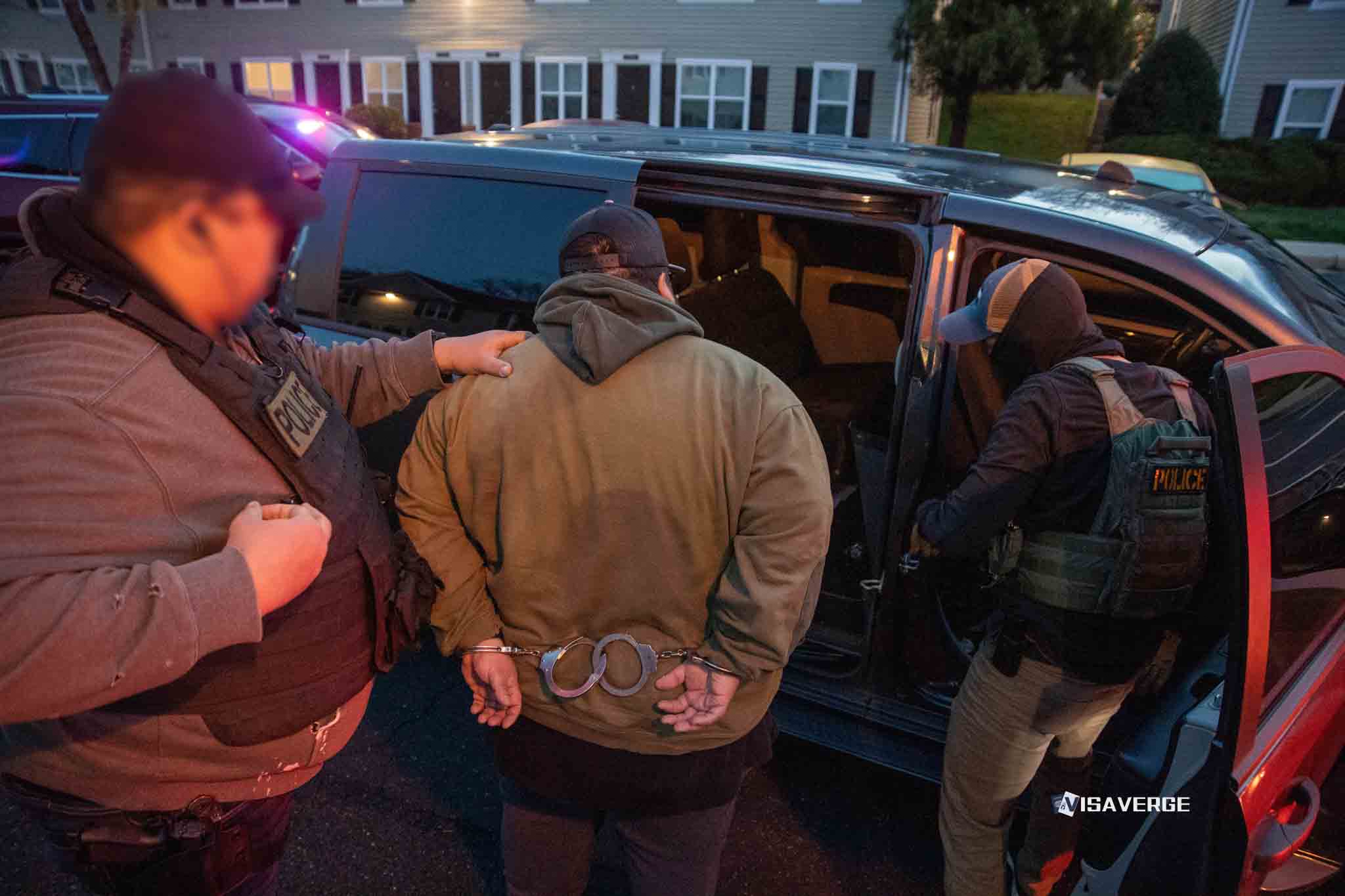
Rep. John Gillette’s proposal is aimed at criminalizing interference with ICE during operations, with supporters describing a need to deter threats or intimidation directed at agents in the field.
Supporters argue the measure would create clearer penalties when people interfere during lawful enforcement activity. Critics and civil-liberties advocates commonly respond that protest and dissent are protected, and that “interference” language can be read too broadly.
Both claims can collide in real time. Facts drive outcomes.
Protected speech vs. potentially prosecutable conduct
In many cases, you can chant, hold signs, record from lawful vantage points, and criticize officials. Those actions usually fall under protected speech and assembly.
Conduct may be treated differently when it crosses into physical obstruction, refusal to leave restricted areas, or actions that officers interpret as threats. The hard part is that the line can be contested.
Context matters, including the specific location, police directions, and whether an operation is active.
Where state and local boundaries get complicated
ICE is federal. State and local officers may still be present for crowd control, traffic, or related enforcement. Prosecutors may evaluate conduct under state law even when the underlying operation is federal.
That intersection is where public disputes about “interfering with ICE” often become heated.
Legal risk categories mentioned
- Obstruction / interference: A person physically blocks agents during an active ICE operation. Whether it qualifies can depend on distance, intent, orders given, and recorded evidence.
- Resisting: Someone pulls away or struggles during an attempted detention by law enforcement. Facts such as body-worn video and witness accounts often shape charging decisions.
- Trespass: Entering or staying in a restricted area at the Arizona Capitol or at the Tucson Federal Building. Federal property can add added layers of rules and enforcement presence.
The Myth vs Fact tool associated with this section addresses recurring claims about protesting near ICE activity, what “interfering with ICE” may be treated as, and where speech ends and obstruction can begin.
⚠️ Note: the proposed bill’s language and its potential effects are uncertain until enacted and interpreted by courts
4) Broader context and aftermath
Emotions around the January 12, 2026 rally did not come from nowhere. The prior week included an ICE agent shooting and killing Minneapolis resident Renee Good, an incident repeatedly referenced in public arguments about enforcement tactics and safety.
Reports of increased ICE presence in the Valley also fed a sense of urgency among opponents of enforcement. In many communities, even reports of stepped-up activity can change behavior.
People may avoid public spaces, skip appointments, or hesitate to report crime. Some families may limit school or workplace routines. Those reactions can appear quickly when enforcement becomes a daily topic.
Public officials and organizers described these pressures in very different terms. Enforcement supporters presented activity as targeted and necessary. Protesters described it as community-wide fear and overreach.
Both framings shaped how the Arizona Capitol confrontation unfolded.
USCIS is not ICE. USCIS handles immigration benefits processing, while ICE handles enforcement. Still, community fear about enforcement can affect whether people show up to USCIS appointments or seek information, especially when they worry about visibility in public places.
5) Related protests in Arizona (Jan 20, 2026) and nationwide actions
January 20, 2026 brought another wave of activity, this time anchored by campus and multi-city actions rather than a single press conference.
Arizona State University (ASU) students held a walkout that echoed themes heard at the Arizona Capitol. Students criticized Trump and ICE, with messaging tied to anti-deportation organizing.
Campus walkouts often function as visibility events. They can also serve as recruiting points for broader coalitions.
That same day, the nationwide “Free America Walkout” was promoted as a 50-state effort. Arizona locations mentioned included the Tucson Federal Building, a different setting with different enforcement dynamics.
Federal buildings can have stricter perimeter rules, security screening, and law-enforcement response patterns.
Kat Duesterhaus, linked to 50501, urged walkouts from schools and government buildings starting at 2 p.m. local time, with red, white, and blue attire. Organizers framed the day as resistance to deportation policy, ICE, and U.S. militarization.
For readers who want to review primary reference points often cited in debates about federal enforcement and immigration administration, the Source Attribution Box associated with this section lists resources, including: justice.gov, uscis.gov, law.cornell.edu, egov.uscis.gov, and my.uscis.gov.
6) Overall context and tensions around ICE policy under the Trump era
Trump-era enforcement debates often split into two competing stories about the same set of actions.
Protesters emphasize community-wide fear, mistaken targeting, and the chilling effect they say enforcement has on everyday life. GOP leaders emphasize public safety, serious criminality, and the idea of targeted enforcement.
Brad Miller echoed that approach when he described operations as focused on “the worst of the worst.”
What changes outcomes in Arizona will not be rhetoric alone. Watch three concrete markers:
- The bill’s final enacted language, if it passes. Small wording choices can matter later.
- Implementation guidance and public messaging. Agencies and prosecutors may issue statements on how they interpret “interfering with ICE.”
- On-the-ground enforcement practices. Arrest decisions during demonstrations can hinge on location rules, warnings given, and documented conduct.
Protest movements can grow quickly when enforcement becomes a national symbol. Legislative pushes can accelerate just as fast when officials say agents are being impeded. Arizona is now living inside that collision.
✅ Readers should monitor bill movement, official statements, and local enforcement guidance as events unfold
This article discusses immigration-related policy and public demonstrations. It does not constitute legal advice.
Readers should consult qualified legal counsel for individual situations.