- New York City ranks as top US city for immigrant support and economic integration in 2026.
- Immigrant contributions drive 28 percent of total United States GDP, totaling $2.9 trillion in 2025.
- Top-ranked cities combine direct public spending with robust language access and workforce development programs.
(NEW YORK CITY, NY) The 2026 New American Economy City Index puts New York City first and ranks Los Angeles, Miami, and San Francisco close behind. The March 15, 2026 index measures 92 indicators across demographics, economic strength, health and education access, and local policy, showing where immigrants find the strongest city support.
That matters far beyond these ten places. Index director Maria Teresa Kumar said immigrant contributions drove 28% of United States 🇺🇸 GDP, or $2.9 trillion, in 2025. According to analysis by VisaVerge.com, the ranking also gives local leaders a plain benchmark for services, jobs, language access, and shelter capacity.
The 10 highest-ranked cities
- New York City, NY scored 92.7 out of 100. The city has 3.2 million immigrants, or 37% of residents, plus 1,247 ESL classes citywide. Immigrant-owned businesses produce $4.2 billion. Mayor Eric Adams announced $150 million on January 22, 2026, to expand newcomer shelters for 15,000 arrivals each month. New York sits first because population scale, business output, and service reach all move together.
- Los Angeles, CA scored 89.4. It has 1.35 million immigrants, equal to 34% of the population, and 892 multilingual services. The LA Welcomes program gave $28 million in rental assistance to 12,400 immigrant families in 2025. On March 10, 2026, Councilmember Eunisses Hernandez secured $75 million for integration services. Los Angeles ranks high because housing help and language access meet at large scale.
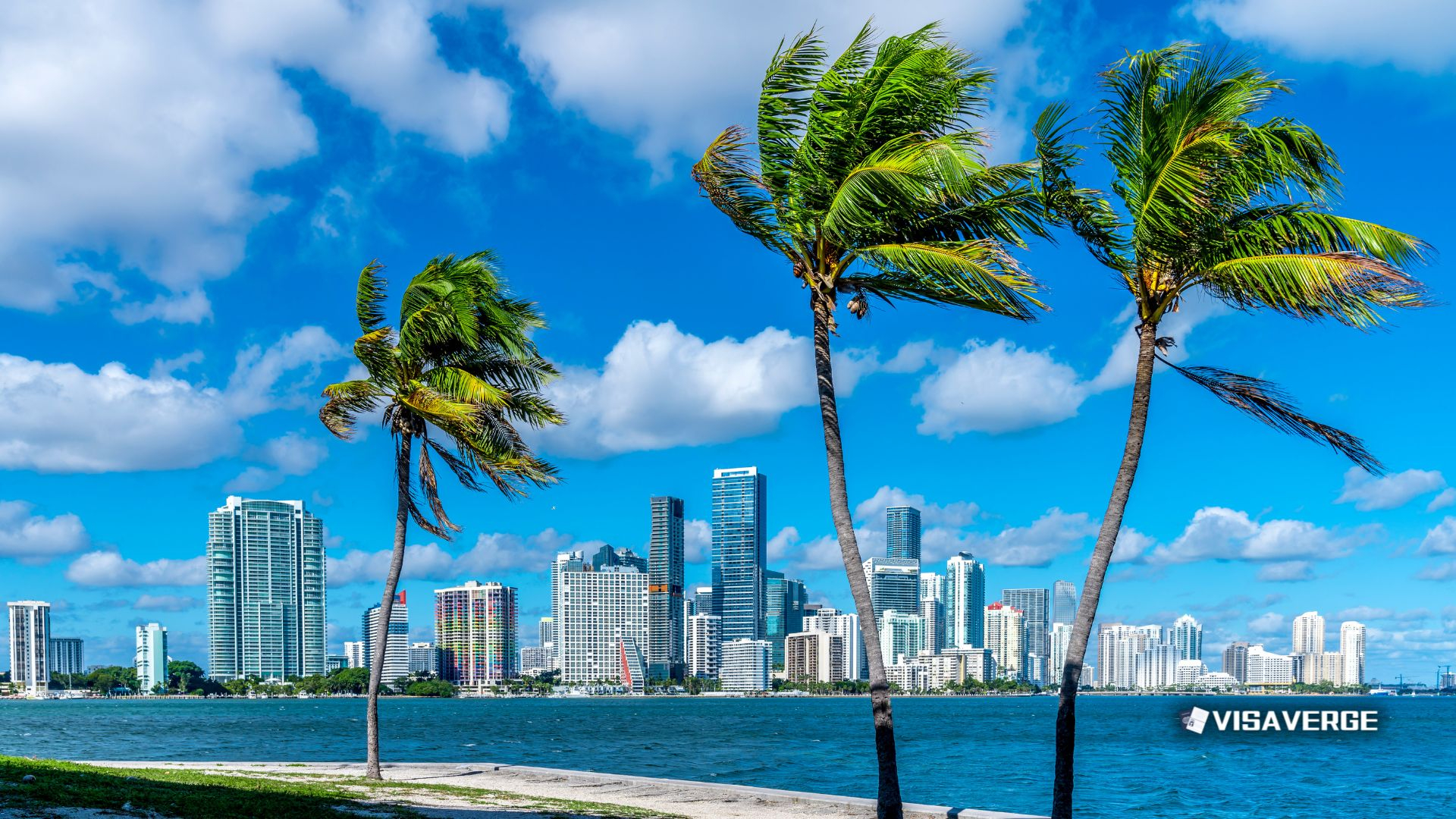
- Miami, FL scored 87.2 and posted the highest foreign-born share in the top three. The city has 585,000 immigrants, or 44% of residents, shaped by 320,000 Venezuelan arrivals since 2022. Commissioner Keon Hardemon launched a $50 million Immigrant Entrepreneur Fund on February 5, 2026. Miami also counts 2,100 immigrant-owned businesses that generate $9.8 billion a year.
- San Francisco, CA scored 85.9. Immigrants make up 36% of the city, or 250,000 people. It led the country in 18,400 H-1B approvals in fiscal year 2025, a sign of strong employer demand. On March 1, 2026, Mayor Daniel Lurie expanded the Dream Keeper Initiative, setting aside $120 million for DACA recipients and asylum seekers, including free legal aid in 8,500 cases.
- Chicago, IL scored 84.1. The city has 580,000 immigrants, or 21.5% of residents. Mayor Brandon Johnson’s New Arrivals Mission, updated January 15, 2026, houses 45,000 migrants in 28 shelters with $450 million in federal and state funding. Chicago also offers 650 citizenship classes. Polish and Mexican communities alone produce $7.1 billion in economic output, showing how older and newer arrivals both shape the city.
- Washington, D.C. scored 82.3. Immigrants make up 14% of the population, or 95,000 people. The city says 42% of its tech and healthcare workforce is immigrant-led. Mayor Muriel Bowser’s Inclusive Economy Plan, announced February 20, 2026, puts $30 million into multilingual workforce training. It also works with 15 embassies serving 22,000 visa holders, giving the capital a diplomatic edge few cities can match.
- Boston, MA scored 80.7. The city has 190,000 immigrants, or 29% of residents. Mayor Michelle Wu expanded the Office of New Americans on March 8, 2026, with $65 million for ESL classes, job placement, and health services reaching 35,000 residents. Boston also hosts 1,200 international students annually through Harvard and MIT partnerships. That blend ties education, work, and settlement support in one system.
- Houston, TX scored 79.5. It has 810,000 immigrants, equal to 30% of residents. Mayor John Whitmire’s Welcome Houston initiative, launched in December 2025, has integrated 150,000 newcomers through 400 job fairs and $22 million in English programs. Houston’s immigrant-owned businesses generate $18.5 billion every year. That economic power helps explain why Houston stays near the top even with a fast-growing population.
- Seattle, WA scored 78.2. Immigrants make up 23% of the city, or 180,000 people. Mayor Bruce Harrell’s 2026 Equity Agenda invests $40 million in refugee resettlement for 12,000 arrivals, including Somali and Ukrainian communities. The tech sector employs 45% immigrants, and the city added 950 ESL seats in January 2026. Seattle’s score reflects steady public spending and a labor market that pulls newcomers quickly into work.
- Denver, CO scored 76.8 and rounds out the top ten. The city has 110,000 immigrants, or 15% of residents. Mayor Mike Johnston’s All In Denver program, updated February 28, 2026, directs $200 million to shelter and workforce aid for 42,000 migrants. Denver also offers 520 citizenship prep classes. Its Venezuelan community has grown by 25,000 since 2023, making Denver a newer but fast-rising hub.
Why the index matters in immigration policy
The New American Economy City Index is not a beauty contest. It measures whether local systems help people rent homes, find work, learn English, reach healthcare, and settle with less fear. Those local choices matter more during periods of federal deadlock. Active city policies remained in place on April 1, 2026, while Congress kept debating H.R. 2 border reforms and their effect on asylum, border processing, and long-term integration.
Kumar summed up the case for these rankings in one line: “These cities drive 28% of U.S. GDP through immigrant contributions, totaling $2.9 trillion in 2025.” That helps explain the index design. A city does not rise only by welcoming newcomers. It also needs schools, employers, community groups, and public agencies that turn arrival into stability.
Ranking patterns across the ten cities
Several patterns stand out. First, the highest-ranked cities combine large immigrant populations with direct spending on housing, legal help, or workforce programs. Second, language access keeps showing up. New York, Boston, Seattle, and Los Angeles all expanded ESL classes or multilingual services. Third, business creation remains central. From Miami’s microloans to Houston’s $18.5 billion in annual business activity, immigrant entrepreneurs still anchor local growth.
The differences are just as telling. San Francisco leans on high-skill visa demand and legal defense. Chicago and Denver carry heavier shelter duties. Washington, D.C. stands out for embassy ties and visa-holder support. Miami reflects rapid Latin American migration, especially from Venezuela. No single model wins. The top cities score well because they match local reality with money, staffing, and public programs.
Where readers can verify the data
Readers who want the full methodology can review the 2026 City Index methodology page. For federal immigration data and policy background, the U.S. Citizenship and Immigration Services official website remains the main government source. Los Angeles residents can review rental and integration support through the LA Welcomes program. San Francisco residents can track legal and community funding through the Dream Keeper Initiative.
How city leaders and newcomers can use this list
For policymakers, the ranking offers a simple test. Count the seats in language programs. Track how many families got rent help. Measure how many migrants moved from shelters into jobs. Publish those numbers often. Cities that do this build public trust and make budget fights easier to explain.
For community leaders, the list shows where partnerships work. Embassy links helped Washington, D.C. Boston tied universities to local services. Houston used job fairs at scale. New York and Los Angeles put money into housing pressure points. Those choices are practical, not symbolic.
For newcomers, these rankings help identify cities with real support, not just warm slogans. Strong scores usually mean more classes, more interpreters, more legal help, and better chances to find work quickly. A city’s rank is not a promise, but it is a useful signal. In 2026, the strongest cities backed immigrant growth with budgets, staff, and programs people could actually use. That is what the 2026 index rewards most today.