- Iowa’s HSB 663 proposes mandatory E-Verify and SAVE checks for state employment and professional licensing.
- The bill creates a no-bail presumption for undocumented individuals charged with crimes beyond simple misdemeanors.
- New rules would require sworn citizenship attestations for voter registration with increased penalties for false statements.
1) Overview: what right is at stake, and who has it
If Iowa’s House Study Bill 663 (HSB 663) moves forward, the most immediate “rights” questions will center on (1) the right to fair, individualized pretrial release procedures and (2) the right to accurate, non-discriminatory government verification processes when applying for public employment or professional licenses.
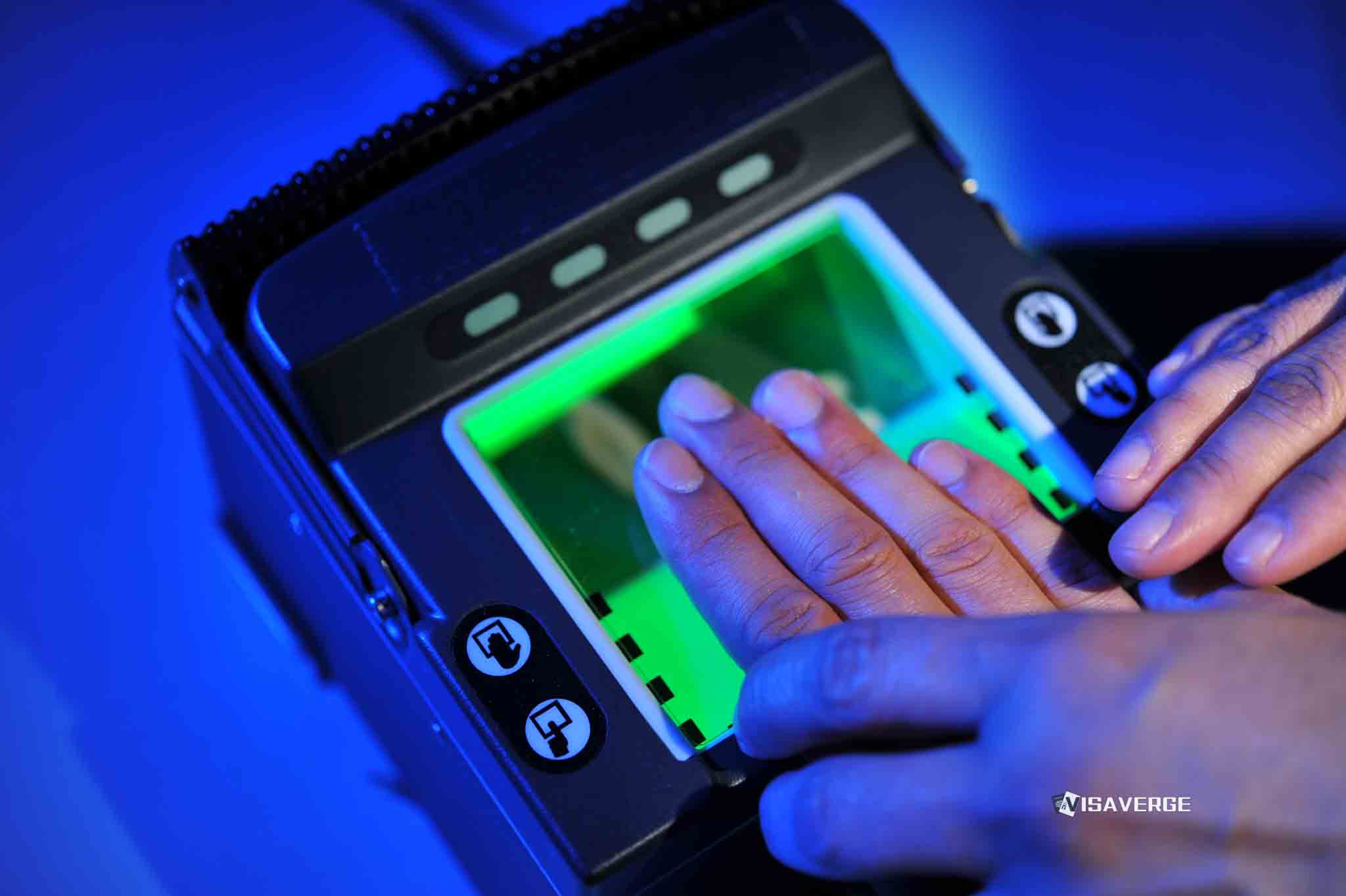
These protections are not limited to U.S. citizens. Noncitizens—lawful permanent residents (LPRs), visa holders, and undocumented people—still have core constitutional protections in criminal cases and many administrative settings.
Legal basis (high level):
- Due process: U.S. Const. amend. V and amend. XIV (fair procedures when government restrains liberty or denies a benefit).
- Equal protection: U.S. Const. amend. XIV (limits unlawful discrimination by government).
- Bail / pretrial detention principles: U.S. Const. amend. VIII (excessive bail), plus state constitutional and statutory rules.
- Federal employment eligibility verification framework: INA § 274A; 8 C.F.R. § 274a.2 (Form I-9 rules, verification standards).
- Immigration consequences for false U.S. citizenship claims: INA § 212(a)(6)(C)(ii) (inadmissibility) and INA § 237(a)(3)(D) (removability).
HSB 663 is an Iowa proposal advanced by Iowa lawmakers as part of Governor Kim Reynolds’ broader push for “immigration vetting” in state systems. As of Wednesday, February 11, 2026, it has been moving through early legislative steps, and the language may still change by amendment.
How a “House Study Bill” works. In Iowa, a House Study Bill is typically a draft vehicle used in committee before a bill is formally voted out and assigned a new bill number. That status matters. It means committee action and amendments can significantly reshape the final obligations.
Relationship to Executive Order 15 (late 2025). Supporters describe HSB 663 as a way to codify and expand Governor Reynolds’ late-2025 Executive Order 15. Codification can make policies harder to reverse administratively. It can also create new enforcement mechanisms and penalties.
Warning (status can change quickly): If you are affected by HSB 663, rely on the current bill text and posted amendments. Committee substitutes can change the rules in days.
2) Key provisions: what HSB 663 would require, and who it applies to
HSB 663 has four operational themes: employment checks, licensing checks, pretrial release rules, and voter registration attestations. Each works differently and affects different people.
A. E-Verify for state agencies and boards (employment screening)
HSB 663 would require state agencies and boards to use E-Verify for new hires.
What E-Verify is (plain language). E-Verify is a federal electronic system that compares information from a worker’s Form I-9 to government records to confirm employment authorization. It is tied to the INA § 274A employment verification framework and 8 C.F.R. § 274a.2.
Practical impact.
- Public-sector HR teams would need training on timelines, notice procedures, and documentation.
- Employees may need to respond quickly to a “tentative nonconfirmation.”
- Mistakes can happen. Name formatting, database lag, and document mismatches are common triggers.
B. SAVE checks for professional licenses (including healthcare licensing)
HSB 663 would also require use of SAVE to verify citizenship or immigration status for professional license applicants.
What SAVE is (plain language). SAVE (Systematic Alien Verification for Entitlements) is used by government agencies to verify certain immigration status information for eligibility decisions. It is not a general-purpose “background check,” and it may not show every immigration nuance instantly.
Why this matters in healthcare. Many healthcare roles require state licensure. Verification delays can affect:
- Nurses, physicians, therapists, and technicians awaiting first-time licensure.
- License renewals when an applicant’s status has changed or is pending.
- Applicants with lawful status but complex records, such as prior names or multiple A-numbers.
Common friction points.
- Records that do not match due to name order, transliteration, or date-of-birth errors.
- Lawful status that is real but not immediately visible in initial SAVE responses.
- Time-consuming “additional verification” steps.
C. Pretrial release: a “no-bail presumption” tied to undocumented status
HSB 663 would create a presumption of detention for people alleged to be undocumented who are charged with offenses beyond simple misdemeanors.
Presumption is not the same as an absolute ban. A presumption typically means the court starts from a default position, but can depart from it if the defendant meets a legal standard.
What courts usually consider at bail. Even when a presumption exists, judges often weigh:
- Flight risk and community ties.
- Danger to the community.
- Criminal history and past court appearance history.
- Ability to comply with conditions.
Because this proposal targets pre-conviction liberty, opponents often frame the issue as due process and state constitutional bail concerns. Those issues can become central in litigation if enacted.
D. Voter registration: citizenship attestation and false statement exposure
The bill would require a person registering to vote to swear they are a U.S. citizen. It would also increase consequences for intentional false statements.
Immigration consequences can be severe. A false claim to U.S. citizenship can trigger harsh federal outcomes under INA § 212(a)(6)(C)(ii) and INA § 237(a)(3)(D). Some exceptions exist, but they are narrow and fact-specific.
Brief compliance and risk themes raised by this bill (summary):
It increases the chance of (1) verification errors in hiring, (2) licensing delays from mismatched status records, (3) pretrial detention risk based on immigration allegations, and (4) serious criminal and immigration exposure from inaccurate citizenship claims.
Warning (do not “guess” on forms): If a form asks about U.S. citizenship, do not rely on assumptions. A mistaken claim can create immigration problems that are difficult to fix.
3) Official statements and federal context: what E-Verify and SAVE are—and are not
HSB 663 leans on federal tools that already exist. That is part of the political argument: Iowa is “plugging into” federal verification systems rather than creating its own immigration enforcement apparatus.
At a February 10, 2026 House Homeland Security Committee hearing, USCIS Director Joseph Edlow described a federal push for enhanced screening, including a new vetting center intended to strengthen review capabilities and coordination with partners. Iowa supporters cite these types of remarks to justify expanded administrative verification at the state level.
DHS has also messaged, including in a December 22, 2025 review, that it is prioritizing system integrity and border security. Those statements are often invoked by states when they argue that verification is a legitimate administrative function.
Important limitation. E-Verify and SAVE are designed to confirm certain record matches. They are not designed to resolve every complex immigration question in real time. They also do not substitute for legal advice on immigration status.
4) Legal landscape: what states can do, where courts draw lines, and why it matters here
Immigration enforcement is primarily federal. That boundary has driven repeated court fights over state laws that resemble deportation or removal enforcement.
SF 2340 and the Eighth Circuit block (procedural posture)
Iowa’s earlier immigration enforcement law, SF 2340 (2024), has remained blocked after the U.S. Court of Appeals for the Eighth Circuit upheld a preliminary injunction on October 23, 2025.
What “blocked” means. A preliminary injunction is a court order that stops a law from taking effect while litigation continues. It is not a final ruling on the merits, but it is a major legal barrier.
Why HSB 663 appears drafted differently
HSB 663 is framed more as administrative verification (hiring and licensing) plus state criminal procedure (bail presumption), rather than direct state-based removal enforcement. That structure may be intended to reduce federal preemption risk. It does not eliminate legal vulnerability.
Legal challenges readers should be aware of (high level)
If enacted, legal challenges could include:
- Preemption arguments (whether state measures intrude into federally occupied immigration fields).
- Due process challenges (whether procedures are fair and individualized).
- Equal protection arguments (whether the law impermissibly targets a group).
- State constitutional bail arguments (depending on Iowa’s constitution and bail statutes).
No outcome is guaranteed. Litigation risk often turns on wording, implementation, and real-world effects.
Brief source context to track (summary of key public items):
USCIS and DHS public postings about vetting systems, Iowa legislative tracking materials, and state executive communications are the best primary anchors for what is being proposed and why.
Deadline / action note: If you have a pending license application or renewal, do not wait for the law to take effect to gather proof of status and identity consistency. Processing backlogs often start when new verification rules begin.
5) Practical impacts: immigrants, licensing applicants, HR, courts, law enforcement, and voters
Immigrant communities
Even when a person is eligible for a license or job, stepped-up verification can create a chilling effect. People may avoid applying out of fear that an error will trigger enforcement attention.
Community concerns often rise in healthcare contexts. A licensing delay can affect income, clinic staffing, and continuity of care.
Licensing applicants (including healthcare professionals)
If SAVE becomes mandatory for more licenses, common pain points may include:
- Longer processing timelines due to additional verification.
- Requests for extra documentation.
- Disputes over identity matching, especially with name changes.
A practical best practice is consistency. Use the same name format across agencies when possible. Keep a file of status documents and receipt notices.
Public-sector HR and agencies
Agencies may face added workload:
- Staff training and compliance auditing.
- Procedural steps for resolving E-Verify mismatches.
- Documentation and record retention practices.
Courts, prosecutors, defense counsel, and jails
A no-bail presumption tied to undocumented status can shift the center of gravity to early hearings. Defense teams may need to present community ties and reliable release plans immediately.
Opponents argue that pre-conviction detention can cause job loss, family disruption, and pressure to plead. Supporters argue it addresses flight risk and public safety.
Voters and civic participation
Citizenship attestation rules can deter eligible voters who fear making an error, including naturalized citizens with complex documentation histories. The legal risk is most acute when a person makes an intentional false claim. Still, even unintentional mistakes can trigger investigations.
6) Context and motivations: the Ian Roberts incident and the public-safety framing
Supporters link HSB 663 to specific incidents, including the 2025 arrest of former Des Moines Public Schools Superintendent Ian Roberts, reported as involving allegations of falsifying immigration documents. Public officials often cite such cases as evidence that existing screening is insufficient.
At a February 10, 2026 hearing, Governor Reynolds’ legislative liaison, Molly Severn, described the effort as codifying executive action and presented it in public-safety terms. That framing is common when state leaders seek broader verification authority.
Readers should watch whether amendments:
- Narrow the definition of who is subject to verification.
- Adjust which licenses trigger SAVE checks.
- Modify the presumption standard or the level of offense that triggers it.
Single incidents can drive broad statutes. The final scope often turns on committee negotiations.
7) Official sources and how to track updates (and avoid misinformation)
Because HSB 663 is still moving, tracking the authoritative text matters more than commentary.
A reliable workflow:
- Track the bill on the Iowa Legislature website. Use the actions list and amendment postings.
- Watch committee agendas and minutes for substitutes and strike-after language.
- Confirm floor calendars and roll-call votes if it advances.
- Use federal agency pages to understand what E-Verify and SAVE do, and what steps exist to correct mismatches.
Best official sources:
Avoid misinformation. Do not rely on screenshots of bill text on social media. Instead, cross-check the posted PDF and amendment history.
Tip for affected readers: If an agency says a record “did not verify,” ask what step comes next. Many systems allow additional verification or corrections before a final denial.
If your rights are violated: what to do
If you believe you were wrongly denied a job, license, or pretrial release opportunity due to a verification error or discriminatory practice, consider these steps:
- Ask for a written explanation and keep copies of all notices.
- Document timelines, names, and what was requested from you.
- For criminal cases, consult defense counsel immediately about bail review options and the evidence used to claim undocumented status.
- For licensing or employment, consult an immigration attorney before submitting new statements about citizenship or status.
Legal help resources
- AILA Lawyer Referral: AILA Lawyer Referral
⚖️ Legal Disclaimer: This article provides general information about immigration law and is not legal advice. Immigration cases are highly fact-specific, and laws vary by jurisdiction. Consult a qualified immigration attorney for advice about your specific situation.