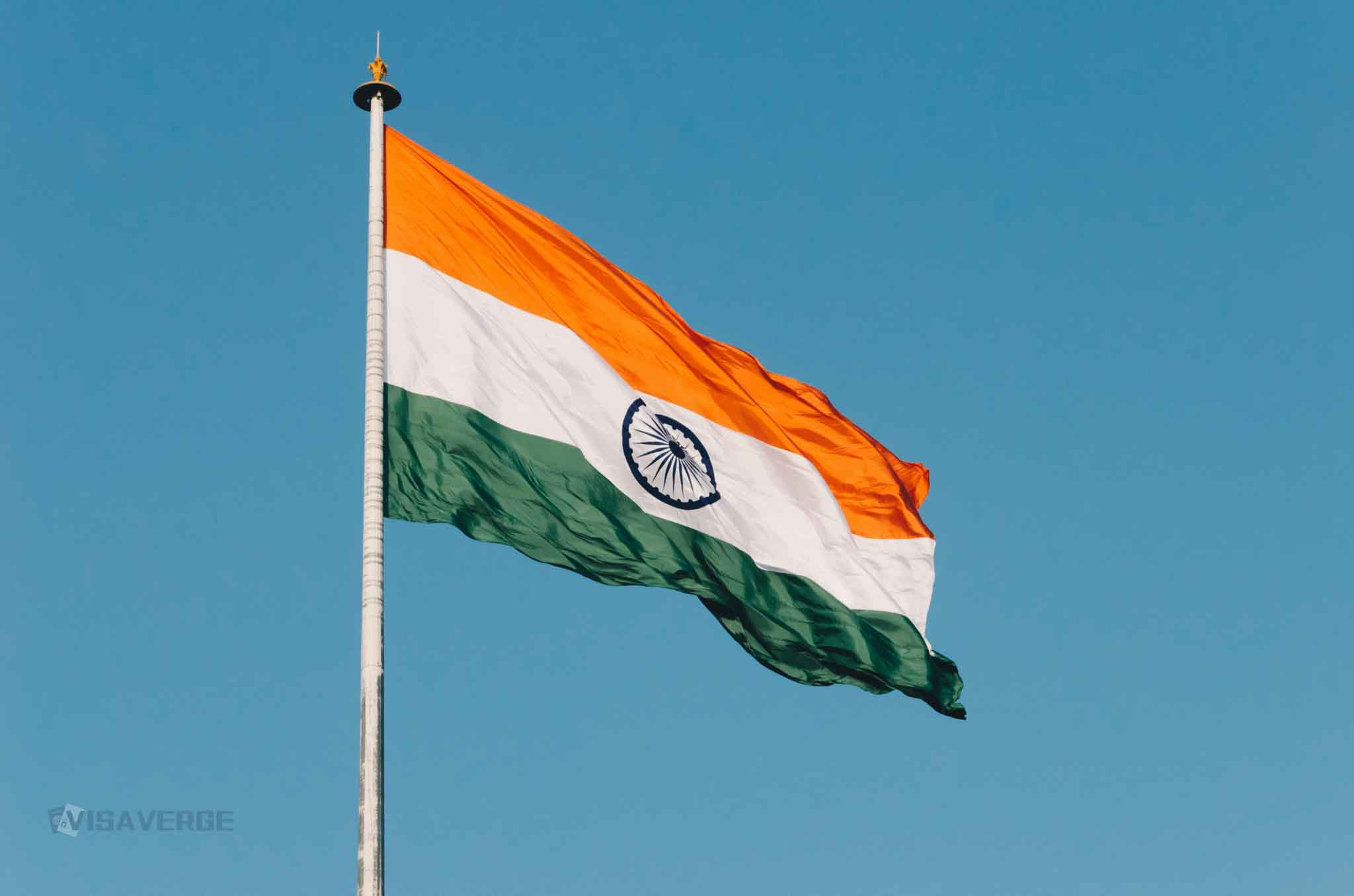
- India’s Cabinet approved ₹1,800 crore for IVFRT to extend the immigration scheme through March 2031.
- The plan introduces contactless and faceless processing using self-service kiosks, mobile services, and automated e-gates.
- System integration aims to strengthen national security while enabling fast-track immigration clearance in under 30 seconds.
(INDIA) — India’s Union Cabinet approved the continuation of the Immigration, Visa, Foreigners Registration & Tracking, or IVFRT, scheme on March 25, 2026, extending the program for five years from April 1, 2026 to March 31, 2031 as the government pushes a wider overhaul of immigration controls, visa processing and traveler screening.
The decision locks in a budget of ₹1,800 crore for technology upgrades and infrastructure expansion, and places the program more firmly inside the country’s new immigration framework under the Immigration and Foreigners Act, 2025, which took effect on September 1, 2025.
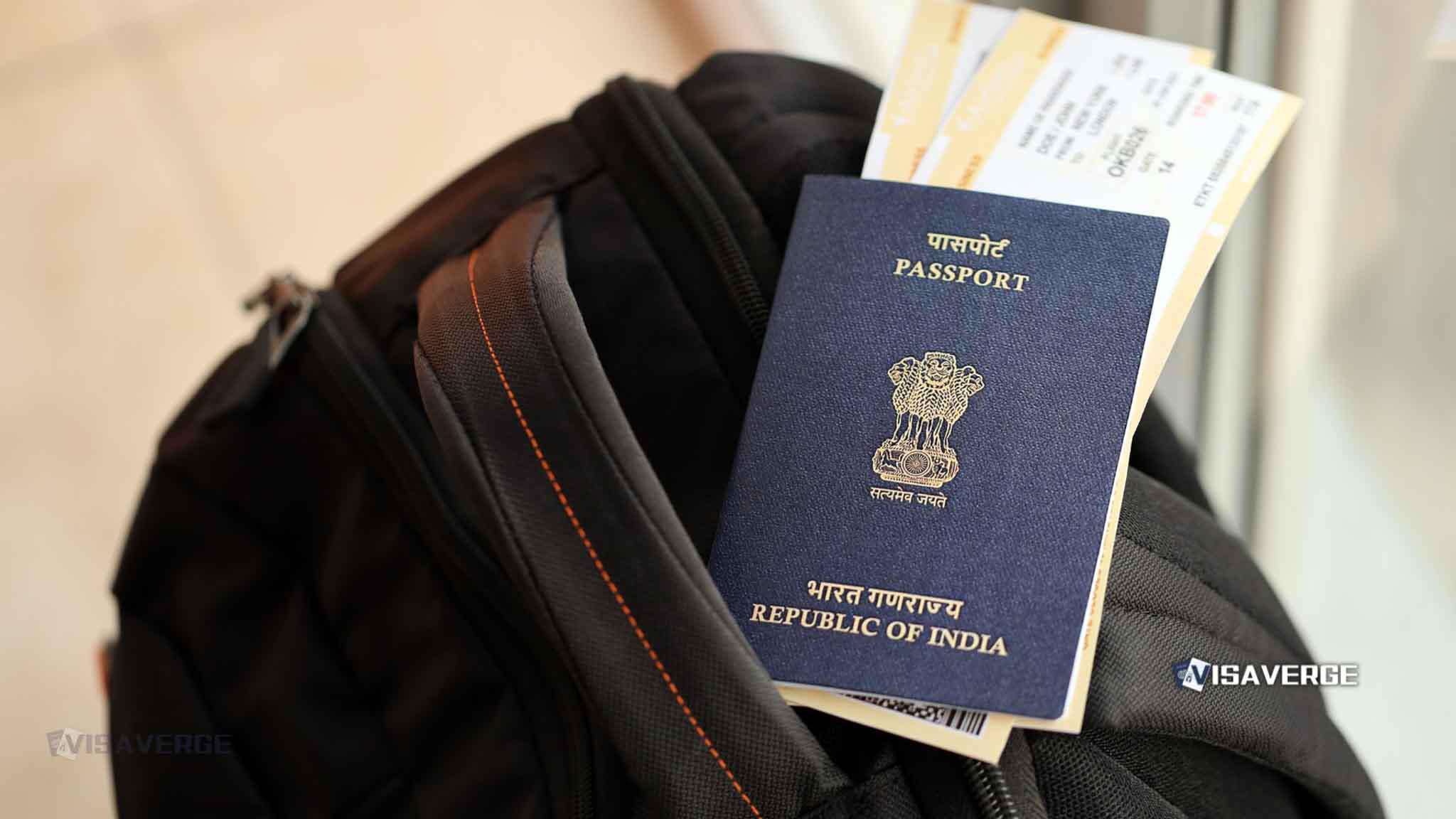
Ashwini Vaishnaw, Union Minister for Information and Broadcasting, described the plan in terms of system integration and security. “The IVFRT platform seeks to interlink and optimize functions related to immigration, visa issuance, and the registration of foreigners in India. The core objective is to modernize and upgrade immigration and visa services within a secure and integrated service delivery framework. The scheme aims to facilitate legitimate travelers while strengthening national security.”
The Cabinet Approval came months after India brought the Immigration and Foreigners Act, 2025 into force, replacing four colonial-era laws with a single statute. That legal shift gave the government a consolidated base for border management, foreigner registration and visa administration, while the IVFRT extension supplies the digital backbone for those functions.
Amit Shah, Union Home Minister, tied the extension to Prime Minister Narendra Modi’s broader agenda in a statement on X. “The cabinet’s decision to continue with the scheme for five years is a decisive step towards Prime Minister Narendra Modi’s vision for making immigration to India simpler. It will further modernize the visa-granting process and make travel and business within India seamless for our guests, while guarding India’s security goals.”
The government cast the move as more than an administrative renewal. “This is not just a technical upgrade, but a strategic transformation aligned with the vision of the Government to promote international mobility through a world-class immigration and visa issuance system,” the Government of India said in a Press Information Bureau statement dated March 25, 2026.
Contactless Processing and Faster Clearance
At the center of the expansion is a shift toward contactless and faceless visa processing. The program adds self-service kiosks, mobile-based services and automated e-gates, reflecting a model that aims to cut wait times for routine travelers while tightening checks through digital records and biometric systems.
That modernization also reaches India’s Fast Track Immigration-Trusted Traveller Programme, or FTI-TTP, which the government has modeled on the U.S. Global Entry system. The program allows pre-verified Indian nationals and OCI cardholders to complete immigration clearance in under 30 seconds through biometric e-gates.
FTI-TTP is already operational at 13 major airports, with plans to expand to 21. For frequent travelers, the scheme offers one of the clearest signs of how the IVFRT program is changing the physical experience of entering and leaving India.
The wider network is already extensive. IVFRT integrates 117 Immigration Check Posts (ICPs), 15 Foreigners Regional Registration Offices (FRROs) and 854 Foreigners Registration Offices (FROs) into a unified database used across the immigration system.
That architecture links airport processing with visa issuance and foreigner registration, giving authorities a common digital platform rather than separate channels for entry, stay monitoring and compliance. It also means immigration officers and registration authorities work from the same records across entry points and local offices.
Efficiency Gains and Online Services
The government’s own efficiency figures point to the operational gains it wants to build on during the next five-year phase. It says 91.24% of e-visa applications are now cleared within 72 hours.
Manual clearance time at major posts has also dropped sharply, to 2.5–3 minutes from 5–6 minutes. Those numbers matter for airports facing large passenger flows, but they also show where the state sees value in automation: less officer time spent on low-risk cases and more capacity for deeper screening where needed.
For travelers, the system increasingly moves services online. Appointment scheduling and payments for visas and registration have been digitalized, reducing the need for in-person paperwork and repeated office visits.
The platform also tracks the stay of foreigners in real time. That can help authorities identify visa violations, but it also gives students, workers and other foreign nationals a more centralized way to manage registration requirements and avoid accidental overstays.
Security, Enforcement and Mobility
On the security side, the Bureau of Immigration gains stronger tools for enforcement. The IVFRT system uses biometric authentication and software-aided passenger profiling to flag high-risk travelers, and the government says it helps authorities identify, detain and deport illegal foreigners more effectively.
That dual purpose — faster movement for approved travelers and tighter controls for flagged cases — runs through nearly every part of the program. The use of e-gates, self-service systems and shared databases is intended to reduce friction for routine arrivals while sharpening surveillance and intervention capacity behind the scenes.
The extension also comes as India places more weight on cross-border mobility in trade, business and diplomacy. Officials have linked the effort to the U.S.-India COMPACT (2025), which includes goals to improve mobility between the two countries.
That international context matters because India’s immigration system is no longer serving tourism and border control alone. It now sits closer to business travel, student movement, diaspora visits and corporate mobility, all areas where governments are trying to speed up lawful travel without loosening scrutiny.
A related signal came from the U.S. side on March 27, 2026, when the U.S. Department of State released the April 2026 Visa Bulletin. It moved EB-2 India to July 15, 2014, a reminder of the scale and complexity of India-linked migration flows even when movement is governed by separate systems.
The IVFRT program does not alter U.S. visa processing, and the Visa Bulletin does not govern entry into India. Still, the two developments point to a broader reality: India is handling sustained volumes of travel and migration-related documentation, and its immigration infrastructure is being built for that pressure.
For Indian nationals and OCI cardholders who qualify for FTI-TTP, the changes are visible at airports. For foreigners living, studying or working in India, the impact lies more in registration, payments, appointment systems and compliance monitoring.
For the government, the stakes go beyond convenience. The system gives immigration authorities a fuller digital record of who entered, on what basis, where they registered and whether they remained in status, all within a framework that now rests on a newer statute rather than fragmented legacy laws.
The budget underlines the scale of that effort. With ₹1,800 crore set aside, the five-year extension is funding not only software changes but also infrastructure across checkpoints and registration offices, where the contactless model depends on equipment, connectivity and coordinated databases.
India has already pointed the public to the program through official portals, including the Press Information Bureau announcement on the Cabinet’s decision, the Bureau of Immigration’s IVFRT overview and the FTI-TTP enrollment portal. For those tracking the U.S. side of mobility, the April 2026 Visa Bulletin offers the latest movement in employment-based green card timelines.
What emerges from the March 25 decision is a clearer picture of how India wants its border and immigration system to function during April 1, 2026 to March 31, 2031: more automated at the front end, more integrated in the middle, and more data-driven in the way it manages compliance and risk.
Officials have presented IVFRT as a program that can make travel easier without loosening control. Whether for a business visitor moving through an e-gate in under 30 seconds, a student booking a registration appointment online, or an officer screening a flagged arrival through biometric checks, the scheme’s next phase will test that promise on a national scale.