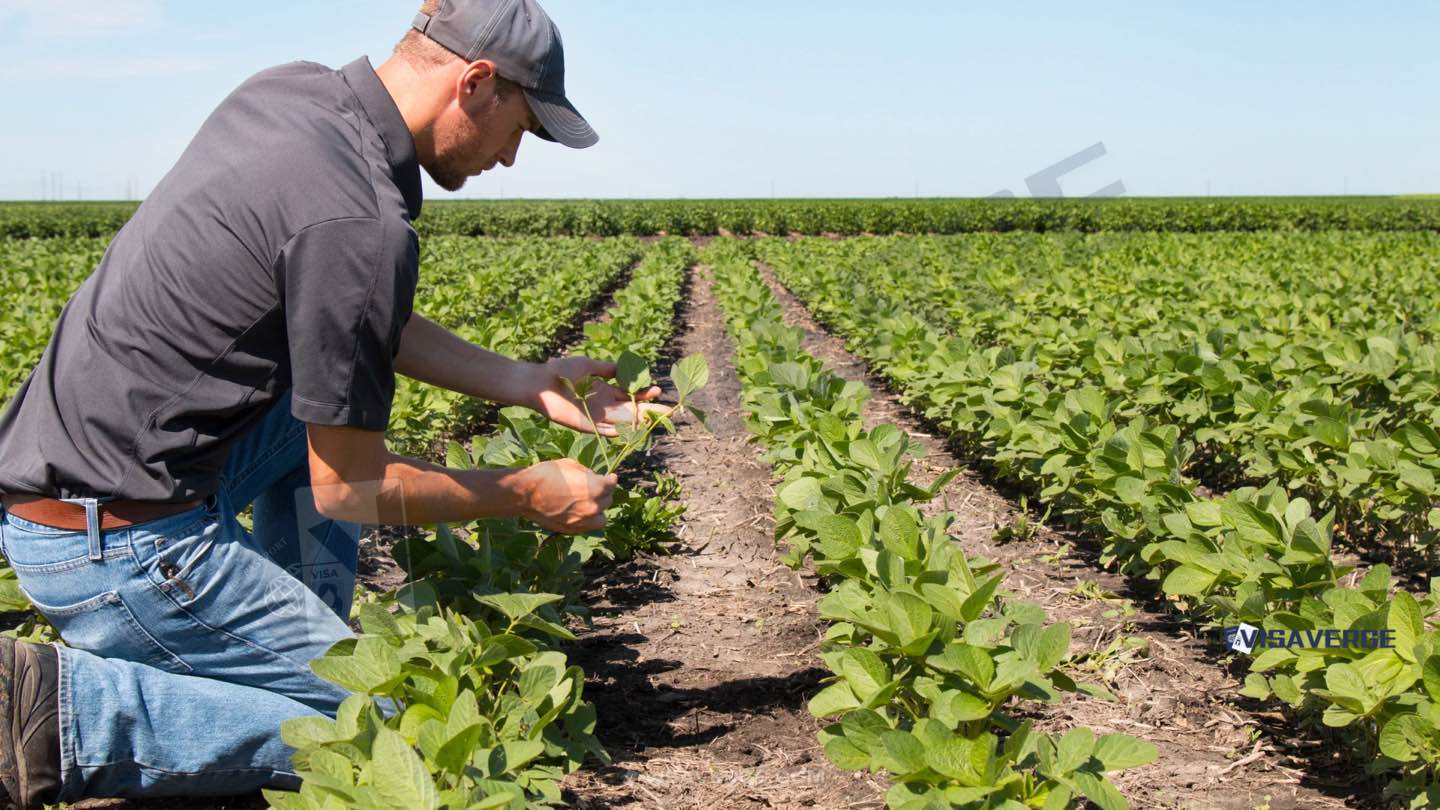
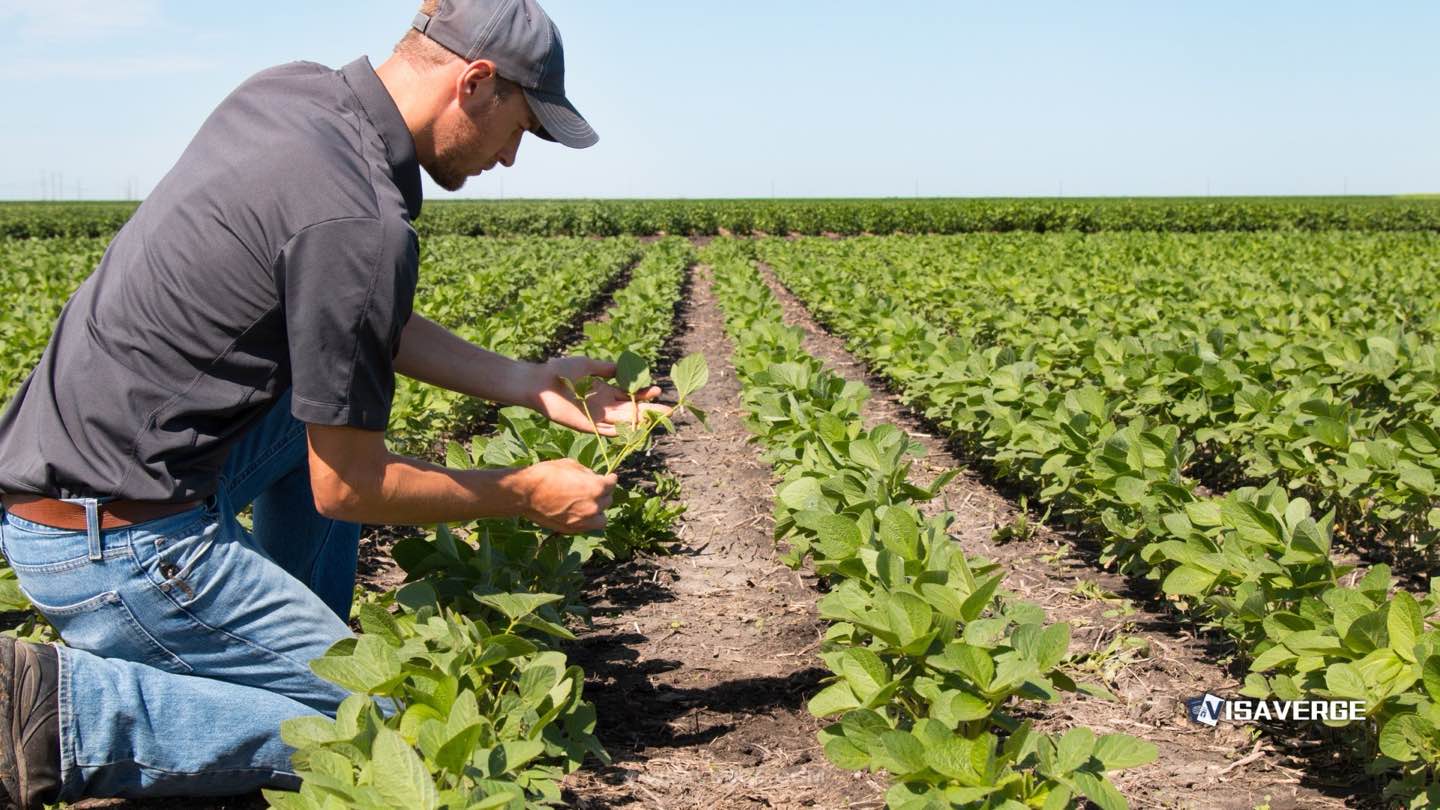
- Niagara advocates warned Canada may lose more than 4,000 seasonal workers needed for fruit and wine production.
- USCIS said dairy farms qualify for H-2A under Policy Memorandum PM-602-0200, even with year-round milking.
- House Republicans introduced SAWA, a bill allowing year-round agricultural contracts of up to 350 days.
(NIAGARA REGION, ONTARIO, CANADA) — Migrant workers and labor advocates warned this week that Canada’s immigration cuts will strip thousands of people from the fields and vineyards that sustain the Niagara farm labour economy, as U.S. officials at the same time expanded and reshaped agricultural worker rules south of the border.
The warning followed a June 28, 2026 rally in Virgil, Ontario, where advocates said the Niagara region could lose more than 4,000 seasonal workers who help keep its fruit and wine industry running. Canada plans to reduce temporary residents to under 5% of the population and cap permanent resident admissions to under 1%.

Syed Hussan, executive director of the Migrant Workers Alliance for Change, criticized the policy shift in a statement on July 1, 2026. “It is irrational to bring in people to do incredibly essential jobs. and then change the rules in the middle of the game.”
Free toolUSCIS Receipt Number DecoderU.S. Expands H-2A for Dairy Operations
Washington moved in the opposite direction on one piece of farm labor policy. U.S. Citizenship and Immigration Services released Policy Memorandum PM-602-0200 on June 17, 2026, clarifying that dairy operations qualify for the H-2A program even when milking continues all year.
“This Policy Memorandum clarifies that dairy can involve H-2A eligible temporary or seasonal labor, no matter that dairy cows can require milking or other types of work year-round.”
October 2026 Final Action Dates
India China ROW EB-1 Feb 01, 2023 ▲109d Jul 01, 2023 Current EB-2 Nov 01, 2013 Oct 01, 2021 ▲30d Jan 01, 2025 EB-3 Jan 01, 2014 Jan 08, 2022 ▲7d May 15, 2024 ▼109d F-1 Jan 22, 2020 Jan 22, 2020 Jan 22, 2020 F-2A Sep 22, 2026 ▲31d Sep 22, 2026 ▲31d Sep 22, 2026 ▲31d
The memo marked a notable H-2A Dairy Eligibility update for producers who had long argued that dairying did not fit neatly inside a program built around temporary or seasonal need.
Proposed Year-Round Visa Model
Another shift came on June 30, 2026, when House Agriculture Committee Chairman Glenn “GT” Thompson introduced the Securing Agriculture’s Workforce Act of 2026, or SAWA. The bill would remove the seasonal requirement and allow year-round agricultural contracts of up to 350 days.
Thompson described the proposal as a response to a labor shortage that lawmakers had left unresolved. “Producers have been sounding the alarm for years that Congress needs to address the workforce crisis we have on our hands in farm country. The H-2A visa program is woefully outdated.”
New Language Requirement for Farm Workers
U.S. officials also tightened another part of the system. Executive Order 14286, issued in April 2025 and fully implemented by USCIS as of June 15, 2026, requires H-2A and H-2B workers who operate commercial vehicles to demonstrate English language proficiency.
Impact on Niagara’s Farm Labour Economy
Taken together, the U.S. changes expand access for some farm employers and add new conditions for some workers. In Niagara, by contrast, advocates said the immediate problem is that fewer migrant workers will be allowed to stay or arrive at all.
The region depends on seasonal labor to harvest fruit and support wineries across one of Canada’s most productive growing belts. Advocates said Niagara’s orchards and vineyards rely on more than 4,000 seasonal workers each year, and that fewer available workers would leave crops unpicked and add pressure to food prices.
Niagara produces most of Canada’s tender fruit and grapes. The labor pool that supports that output has become harder to replace locally, a pattern that mirrors pressure on U.S. farms that rely on foreign workers to fill jobs that draw little domestic interest.
Farm Bureau figures cited in the debate over U.S. labor policy showed 415,000 advertised positions in 2025 and only 182 domestic applicants. That gap has helped drive efforts in Washington to broaden H-2A access for dairies and to press Congress for year-round visas under SAWA.
Diverging Labour Policies at the Border
Those parallel changes have turned the northern border into a shared labor story. As Canada contracts temporary migration and the Niagara farm labour supply shrinks, pressure grows on the U.S. H-2A program to absorb more of the demand for agricultural work in border regions and other farm belts where growers have struggled to recruit enough hands.
The contrast is sharpest in dairy. USCIS’s policy memorandum gave farms clearer footing to petition for H-2A workers even though dairy cows require daily care throughout the year, while the broader H-2A program still sits at the center of a larger fight over whether farm labor rules reflect how modern agriculture actually works.
That question reaches beyond dairies and into trucking, packing, and field transport. Executive Order 14286 now applies an English proficiency requirement to H-2A and H-2B workers operating commercial vehicles, adding a compliance hurdle at the same moment some employers are asking for more legal pathways and longer contracts.
Canada’s Immigration Cuts
Canadian policy has moved in the other direction with numerical targets. Officials plan to reduce temporary residents to under 5% of the population, and the country’s population fell by approximately 102,000 in 2025, the first such decline since Confederation, a drop attributed to tightening immigration rules.
Advocates said the cuts would force roughly one million people out of the country annually. In a region built around labor-intensive crops, that scale of reduction has immediate consequences for growers, wineries, packing operations, and the migrant workers who return year after year.
The clash between tighter Canadian admissions and wider U.S. agricultural recruitment has also revived debate over food supply. Worker shortages in Niagara threaten harvests in the fruit and wine industry, and missed harvest windows in tender fruit cannot easily be recovered later in the season.
Official Sources and Policy Clarifications
U.S. agencies have framed their recent actions as clarifications and implementation steps rather than a single overhaul. USCIS posted the dairy guidance through its policy manual updates, while broader immigration and labor developments have appeared through the agency’s newsroom and related DHS announcements.
Still, the policy direction is clear enough in the rules already issued. Dairy operators received a pathway they had pushed for, lawmakers opened a fight over 350-day contracts, and commercial vehicle drivers now face a language requirement that did not previously define this part of the farm visa system.
On the Canadian side, workers and advocates tied the consequences to daily life in the fields. Their warning was not framed as a distant policy debate but as a coming shortage in hands available to prune, pick, sort, and move crops through one of the country’s most labor-dependent farm corridors.
That leaves migrant workers at the center of two diverging systems. Canada is pulling back from temporary migration even as Niagara growers depend on it, while the United States is testing whether H-2A Dairy Eligibility changes, a proposed year-round visa model, and stricter vehicle rules can keep farms staffed without choking the labor flow that harvest season demands.