Key Takeaways:
- The 2024 federal budget proposes cutting temporary immigrants, reducing dependency on temporary residents by 600,000 over three years.
- Canada’s agriculture sector relies heavily on temporary foreign workers, facing potential strain from proposed immigration reductions.
- Experts argue immigrants are unfairly blamed for housing issues, stressing the need for distinct handling of different immigration programs.
How Will the 2024 Federal Budget Impact the Canadian Agriculture Sector?
What Changes are Proposed in the 2024 Federal Budget?

The 2024 federal budget proposes a significant reduction in temporary immigration, aiming to cut the share of temporary residents in Canada to five percent of the total population over the next three years. This translates to around 600,000 fewer temporary residents compared to current numbers.
Why Is This Important for Canadian Agriculture?
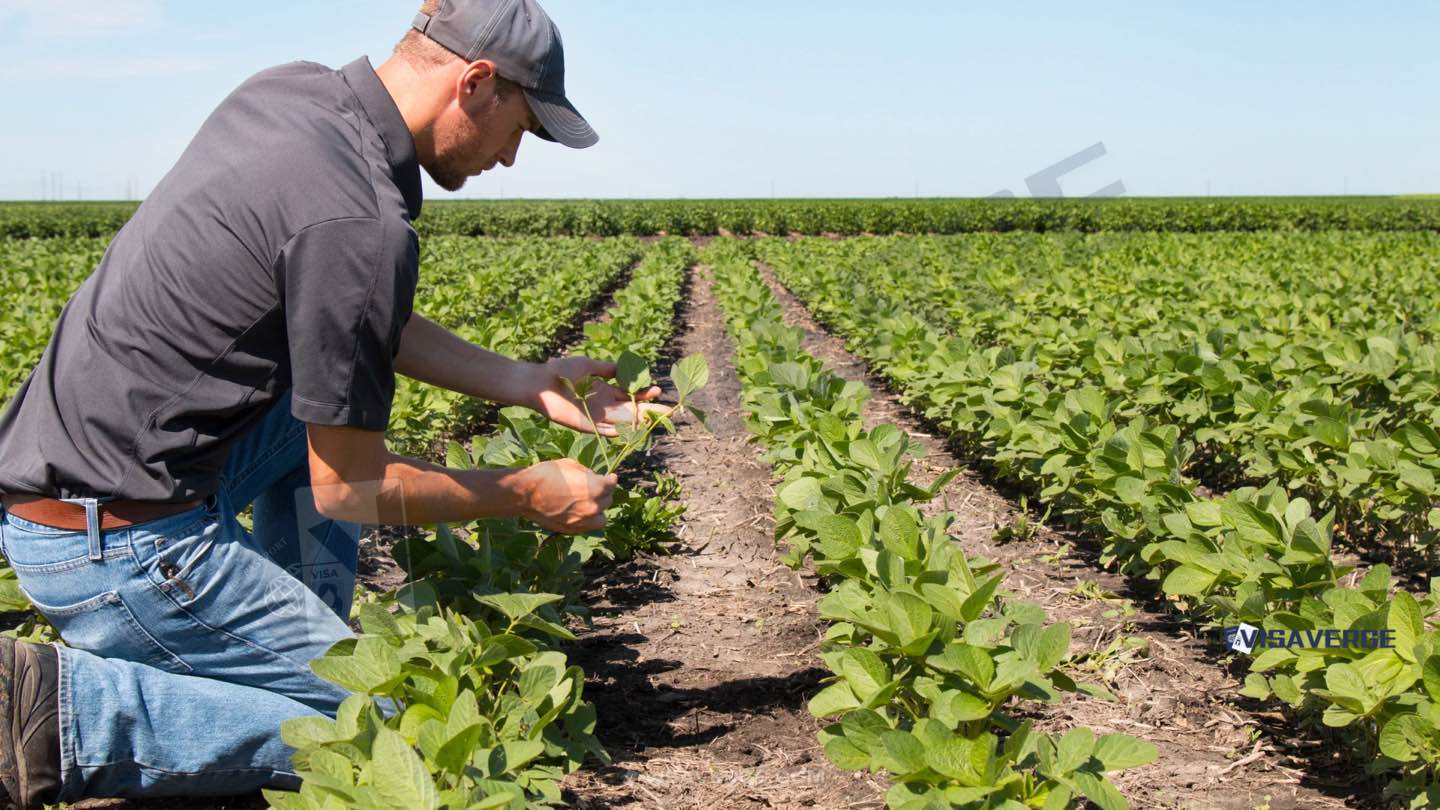
Canada’s agricultural sector heavily depends on temporary foreign workers to meet labor demands, particularly in primary agriculture and agricultural businesses. A substantial reduction in temporary immigration could disrupt this reliance and strain the sector.
What Are Experts Saying?
Janet Krayden, a workforce specialist at the Canadian Mushroom Growers’ Association, emphasizes the unfair grouping of temporary foreign workers with international students.
Free toolCanada Express Entry Points Calculator“They’re lumping in primary agriculture, temporary foreign worker program usage, with the international student program,” she said. “So, there are two completely different programs. One is run out of Immigration Canada, the other is run out of the Temporary Foreign Worker program (from Employment and Social Development Canada).”
Is Immigration to Blame for Canada’s Housing Crisis?
Krayden further noted the unfounded blame placed on immigrants for the current housing crisis in Canada.
“We continually are hearing the temporary foreign worker program now becoming a bit of a scapegoat by ministers and the minister of immigration, minister of ESDC, as well as the prime minister for the housing costs and the rise of rent.”
A story from the Canadian Press in January highlighted that Ottawa was warned by Immigration, Refugees and Citizenship Canada (IRCC) about the positive correlation between immigration and housing pressures two years ago.
“In Canada, population growth has exceeded the growth in available housing units,” according to the document.
“As the federal authority charged with managing immigration, IRCC policymakers must understand the misalignment between population growth and housing supply, and how permanent and temporary immigration shape population growth.”
This document also noted that “rapid increases put pressure on healthcare and affordable housing” and that “settlement and resettlement service providers are expressing short-term strain due to labor market conditions, increased levels, and the Afghanistan and Ukraine initiatives.”
Who Is Responsible For The Housing Shortage?
Many experts criticize the assertion that immigrants are the cause of the housing shortage. Contributors to the Toronto Star, Syed Hussan and Mary Gellatly, argue that the real culprit is the investors and builders who construct fewer homes to keep prices high.
“Note that the majority of temporary workers and students are housed by their employers — bunkhouses for agricultural workers, hotels for workers in tourism, etc. Similarly, international students are in campus housing, or are living in cramped conditions, with five students in a home built for one.”
“Migrants are not competing for housing in the same way as citizens. Most of the housing discussions focus on idealized notions of housing and the people who live in them and don’t factor in the struggle of migrants and new immigrants. Low-waged migrants are not buying single-family homes.”
How Does This Affect the Agricultural Sector?
In the context of Canadian agriculture, Krayden points out that many agricultural areas are sparsely populated, and workers are often provided with employer-paid housing that already exists or is comfortably settled.
“These are sparsely populated areas, where the workers either are provided with employer-paid housing that mostly already exists, or they’re comfortably settled.”
Furthermore, Temporary Foreign Workers (TFWs) on farms are detailed as meeting specific job vacancies, unlike international students who mostly reside in urban centers.
What Do Agricultural Experts Recommend?
The Canadian Mushroom Growers’ Association recommends a thorough consultation with farmers and food processors before making decisions that would impact TFWs in agriculture and agri-food processing. A similar consultation was conducted in 2017 and proved beneficial.
For official information on immigration processes and requirements, you can visit the IRCC website.
Conclusion
The proposed cutbacks in temporary immigration could pose significant challenges for Canadian agriculture, a sector that relies heavily on temporary foreign workers. Misunderstandings regarding the impact of immigrants on the housing market and the different programs for temporary foreign workers and international students further complicate the issue. Proper consultations and clear differentiation between these groups are crucial for making informed decisions that will support the agricultural sector while addressing housing concerns effectively.
Learn Today:
Glossary of Terms
- Temporary Foreign Workers (TFWs):
Individuals who are allowed to work in Canada for a specified period under the Temporary Foreign Worker Program (TFWP). They play a vital role in sectors like agriculture, where labor shortages are common. -
International Students:
Non-Canadian individuals who come to Canada to pursue education at Canadian institutions. They are often mistakenly grouped with temporary foreign workers but are subject to different immigration programs and regulations. -
Immigration, Refugees and Citizenship Canada (IRCC):
The federal department responsible for managing immigration, including permanent residency, temporary residency, refugees, and citizenship programs. It assesses the impact of immigration on various socio-economic aspects, such as housing. -
Temporary Immigration:
The admission of non-permanent residents to Canada for specific purposes and limited periods, often including work permits for temporary foreign workers and study permits for international students. -
Settlement and Resettlement Service Providers:
Organizations and agencies that offer support services to immigrants and refugees to help them integrate into Canadian society. This includes assistance with housing, employment, and navigating social services.
This Article In A Nutshell:
The 2024 federal budget aims to reduce temporary immigration, cutting nearly 600,000 residents. This could strain Canada’s agriculture, which relies on temporary foreign workers. Experts stress a proper distinction between temporary foreign workers and international students, emphasizing the need for targeted consultations to support agriculture effectively.
— By VisaVerge.com
Disclaimer: The information provided in this article is for informational purposes only. If you reference or use any content from this article, please attribute it to VisaVerge.com by including a link to the original source. We appreciate your adherence to our content usage policies and your commitment to giving proper credit.