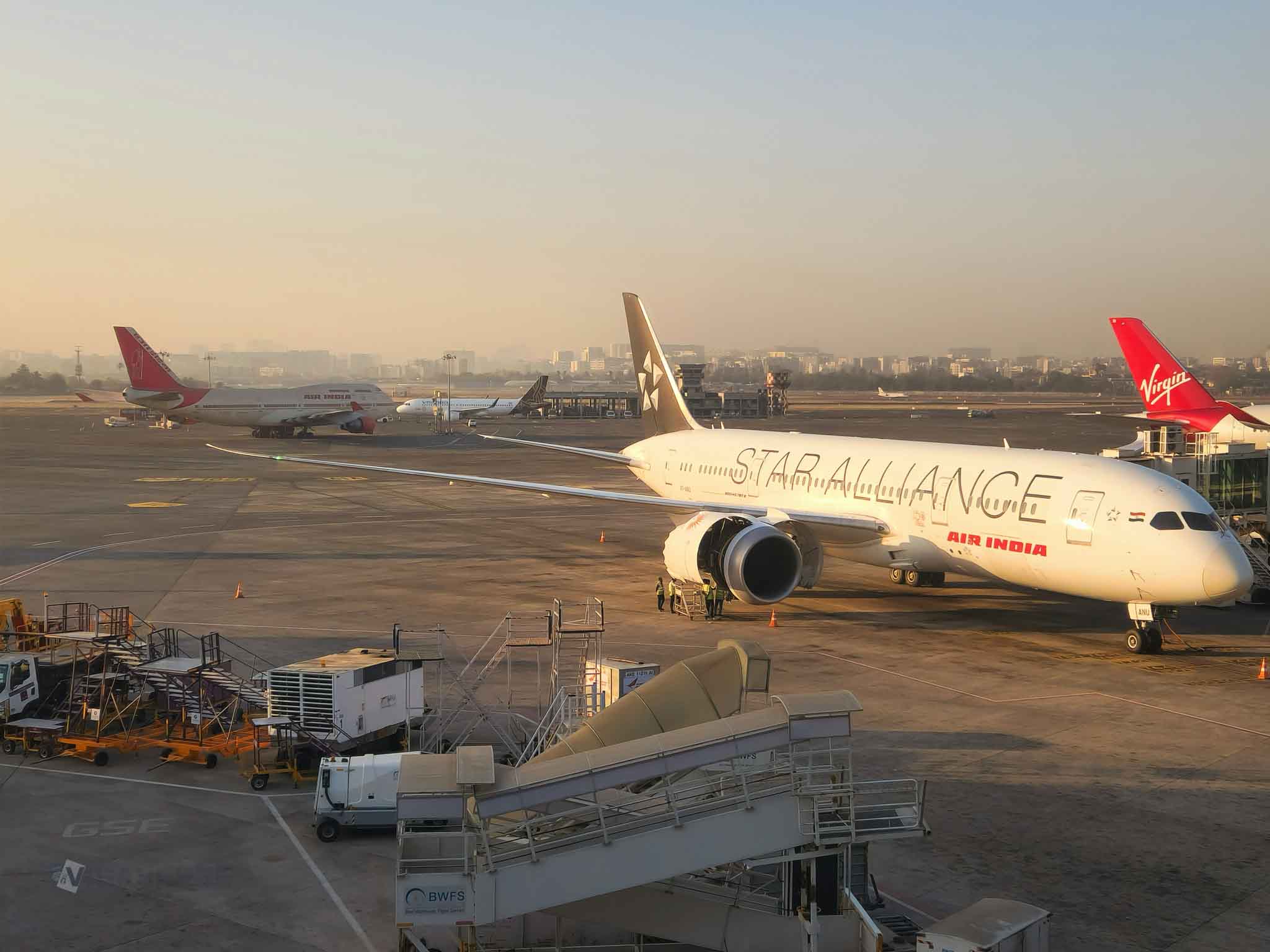
U.S. visa appointments for H-1B workers and their H-4 family members in India are being abruptly canceled and pushed months into the future, after the U.S. State Department introduced a new online presence review rule that takes effect on December 15, 2025. The change, which requires social media vetting for all H-1B applicants and their dependents, has led consular posts, especially in Chennai and Hyderabad, to wipe out large blocks of appointments and rebook them as late as March to June 2026.
Immediate disruption and travel-season impact
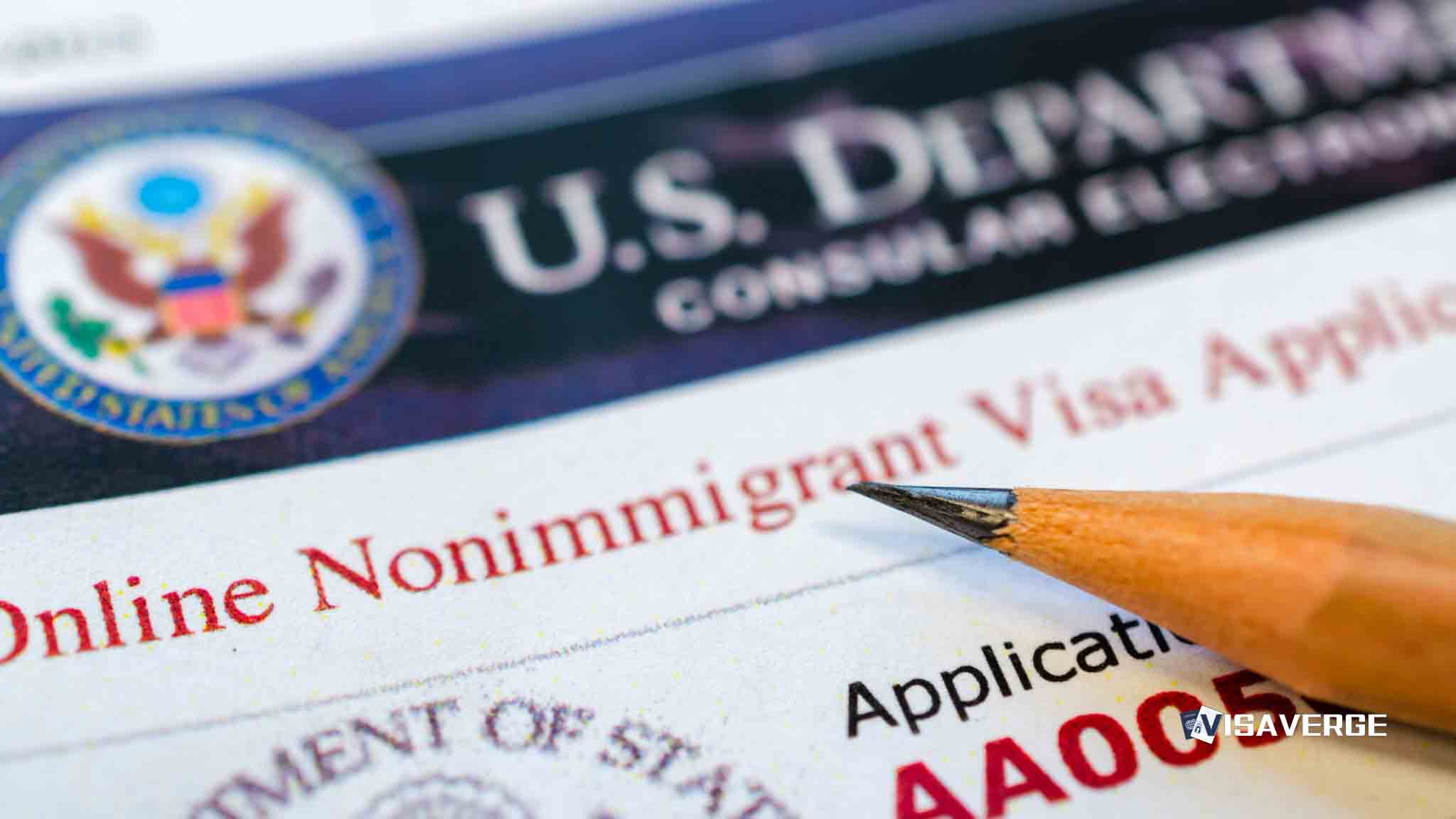
Thousands of Indian tech workers and their families are scrambling during the height of the holiday travel season. Many had planned short trips home from the United States 🇺🇸 expecting routine visa stamping, only to receive sudden emails telling them their interviews were no longer valid.
The U.S. Embassy has warned that anyone who shows up on the original date after a cancellation or reschedule notice will be turned away at the gate and denied entry to the consulate.
People who do not check for rescheduling notices risk being turned away at the consulate gate. Monitor communications closely.
What the new rule requires
Under the new policy, consular officers must carry out an online presence review for each H-1B worker and H-4 dependent, checking public social media accounts before granting a visa.
- This social media screening had already been used for students and exchange visitors.
- From December 15, 2025, it is being expanded to cover H-1B professionals and their dependents.
According to analysis by VisaVerge.com, the step is part of broader tightening of security checks linked to Executive Order 14161 and ongoing political debate over the H-1B program.
How consulates are responding — chaotic roll-out
Immigration lawyers in India and the United States describe a chaotic implementation. One U.S. immigration attorney called the pattern of canceled visa appointments “all over the place,” noting no consistent logic between consulates as each adjusts to the added workload.
- Some applicants with December slots have been moved to early spring 2026.
- Others in similar categories received June 2026 dates.
- The most affected posts include Chennai and Hyderabad, which handle large volumes of IT professionals.
Applicants report entire days of bookings disappearing from the Consular Electronic Application Center (CEAC) system and being replaced later with automatic rescheduling notices.
Real-world consequences for workers and families
Immigration attorney Aizada Marat warned the timing—right in the middle of holiday travel—increases the risk that workers will be stranded outside the U.S. for long stretches.
- Many H-1B professionals flew to India expecting a short consular visit before returning to long-held jobs.
- Some now face unpaid leave, job loss, or termination of long-term projects if they cannot return to U.S. worksites in time.
For families, impacts are personal and emotional:
- Children may miss school terms in the U.S.
- H-4 spouses may lose access to work authorization tied to H-4 status.
- Lawyers report clients experiencing deep anxiety over mortgages, college fees, and the risk of falling out of status.
Social media requirement — added stress and uncertainty
The State Department’s instruction that applicants must make their social media accounts public for vetting has added another layer of stress. Applicants are being told to ensure profiles are accurate and openly viewable before new interview dates or risk additional questions or delays.
- Because this vetting is new for H-1B/H-4 cases, many people are unsure which platforms or posts might draw extra attention or trigger more detailed checks.
Why interviews are being rescheduled months ahead
Consular officers appear to be scheduling interviews farther out to clear backlogs created by the extra screening steps. The new rule compounds existing scrutiny of the H-1B category, which already faces a $100,000 fee on new H-1B visas imposed by the Trump administration.
Together, the added cost and delays are raising fears that the United States 🇺🇸 is becoming a more difficult place for high-skilled Indian professionals to maintain careers and family lives.
What applicants should do now
Applicants caught in this wave of cancellations are urged to:
- Monitor CEAC accounts closely for schedule-change emails.
- Check spam/junk folders so rescheduling notices are not missed.
- Treat any new date as the only valid appointment—old dates will be invalidated.
- Speak with immigration counsel quickly if they receive a cancellation or rescheduling notice tied to the online presence review rule.
Lawyers warn there is no clear emergency process for H-1B/H-4 interviews related to the new requirement, so travelers should build extra buffer time into future plans involving visa stamping in India.
Consulate guidance and limitations
The U.S. Embassy and consulates have warned people not to travel to posts in person seeking exceptions if their visa appointments have been canceled or pushed back.
- Staff at Chennai and Hyderabad are already dealing with heavy demand.
- Based on available information, there is no clear process for emergency H-1B or H-4 interviews tied to the new online presence review.
Official background and next steps
The U.S. State Department’s general guidance on nonimmigrant visas is available at travel.state.gov. It explains that security and background checks are standard parts of the visa decision process.
- Extending social media vetting to H-1B workers and their families marks a new phase for one of the most heavily used employment visa categories for Indian nationals.
For those who have not yet scheduled visa appointments in India, attorneys advise:
- Think carefully about timing.
- Expect possible changes after booking, especially for dates on or after December 15, 2025.
The situation is fluid. As consulates process the first groups of cases under the new system, patterns may become clearer about how much additional time social media screening adds to overall processing. For now, many H-1B professionals and their families face an open-ended wait: what was once a routine trip home has become a potentially career- and family-altering interruption.
The State Department’s Dec. 15, 2025 rule expands social media vetting to H-1B workers and H-4 dependents, prompting consulates in India—notably Chennai and Hyderabad—to cancel and reschedule thousands of visa appointments into March–June 2026. The abrupt rollout has created backlog-driven delays, stranded travelers, and employment risks. Applicants should monitor CEAC and emails, make social profiles publicly viewable for review, consult immigration counsel, and avoid traveling to consulates with invalidated appointment dates.